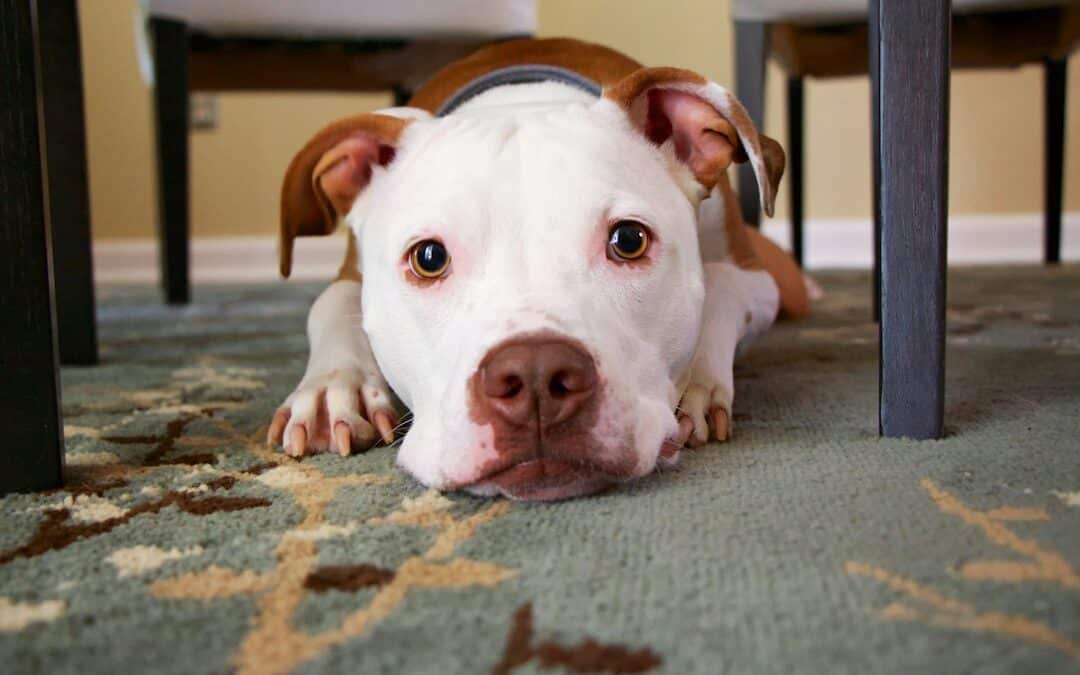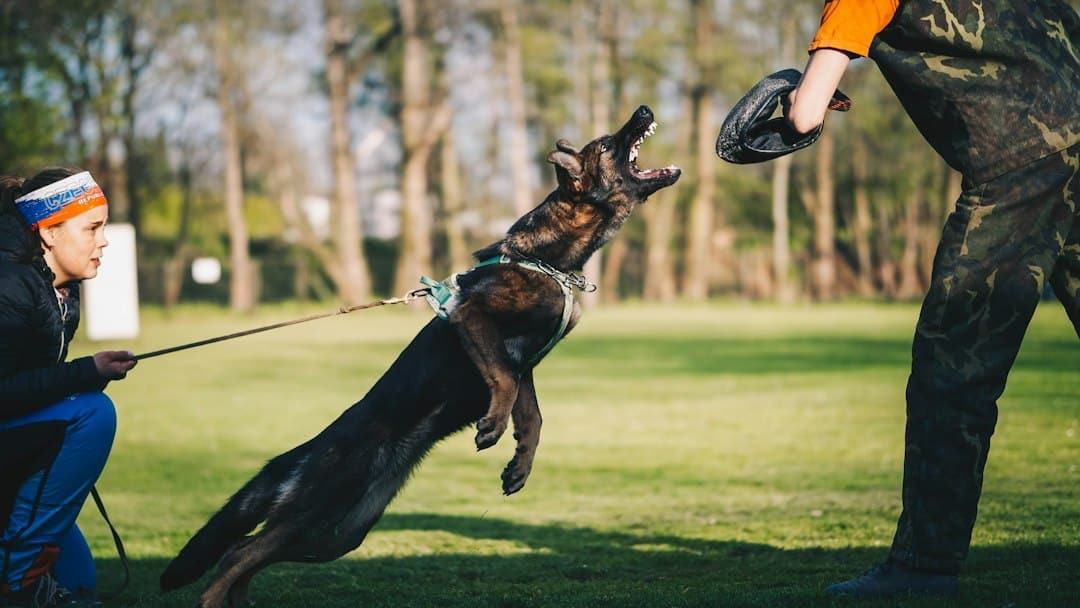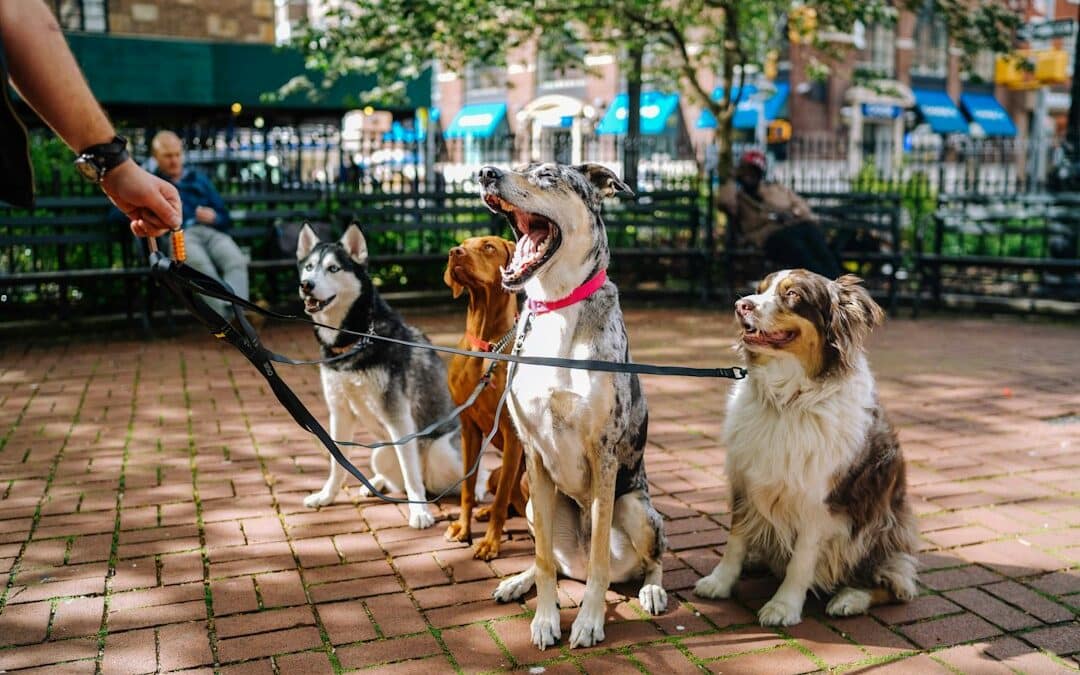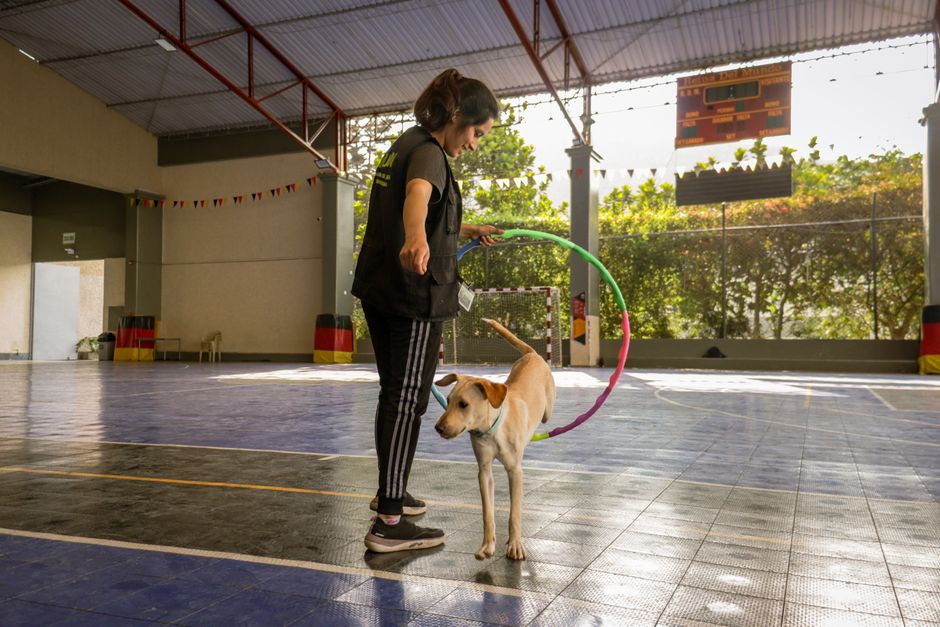
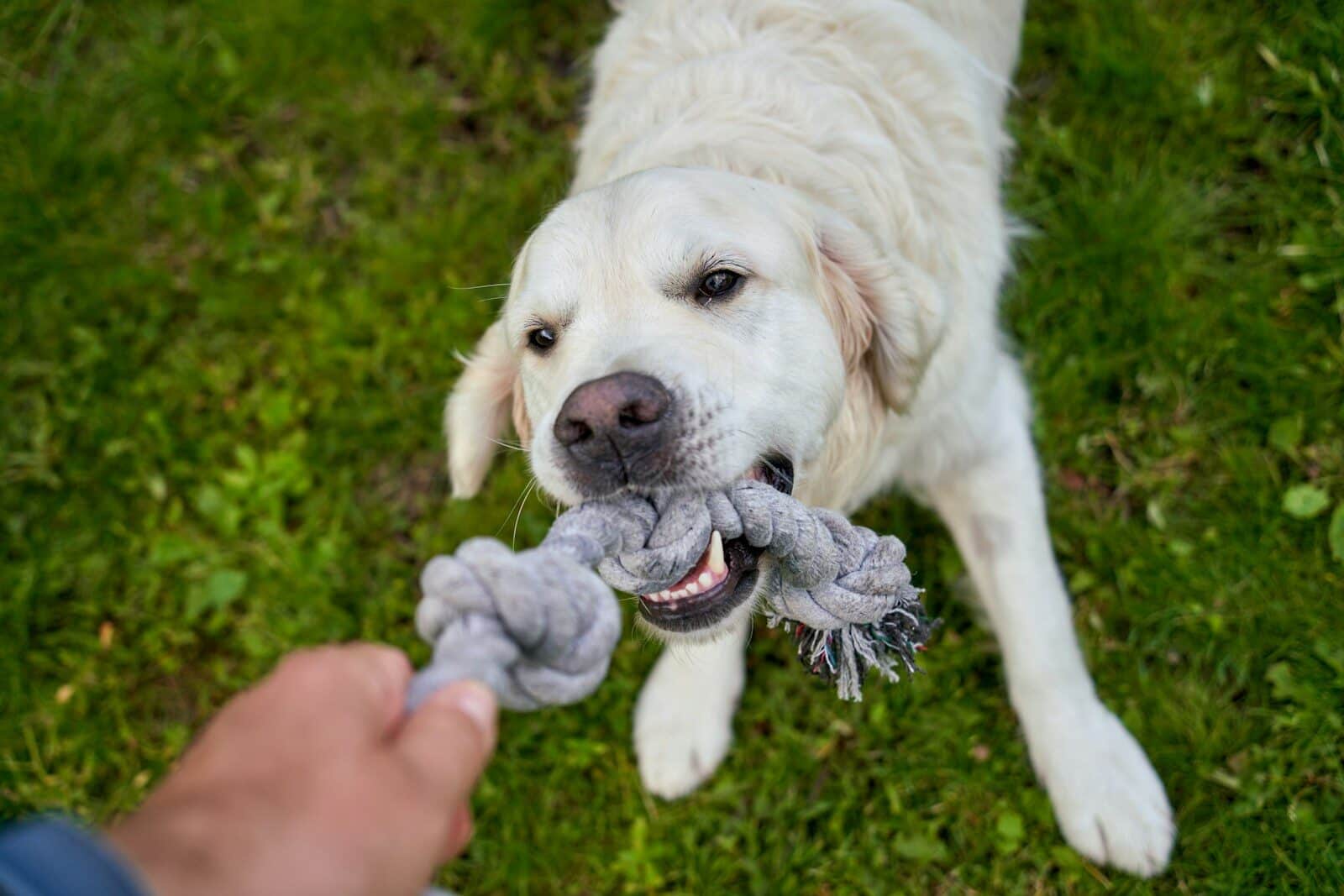
Picture this. You bring your dog to a shiny training facility. He sits. He stays. He heels like a furry little soldier. You’re glowing with pride, ready to text everyone you know that your dog is basically a genius. Then you pull into your driveway, open the front door, and your “genius” bulldozes past you, barks at the mailman, and steals a sock like the last hour never happened.
Sound familiar? You’re not alone and you’re definitely not doing something wrong.
Here’s what I’ve learned after helping over 400 families across the DMV: your dog’s toughest behaviors almost always show up at home. That’s exactly where I believe training should happen too. As a veteran-owned business serving Washington, D.C., Maryland, and Virginia including plenty of families right here in Fairfax I’ve built my entire approach around meeting dogs where they actually live.
So let’s answer the big question. Is in home dog training more effective for your dog? In many cases, yes especially when the behaviors driving you a little crazy are tied to your dog’s environment, daily routines, or family dynamics. Barking at the window, chewing the couch, leash pulling on your street, potty accidents in the hallway, separation anxiety when you leave for work these are home problems. And home problems deserve home solutions.
What Is In-Home Dog Training?
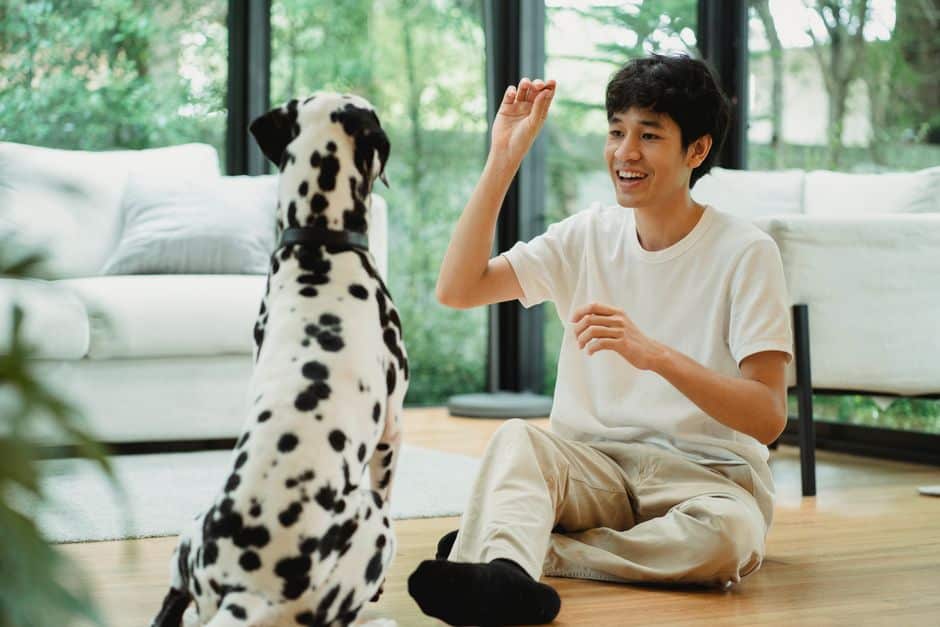
In home training is exactly what it sounds like. Instead of loading your dog into the car and heading to a class, I come to you. We work in your living room, your kitchen, your yard, your front door, and on your actual walking route. It’s private, one on one attention built entirely around your dog and your household.
Each session typically runs 60 to 90 minutes and is personalized to your dog’s specific needs, history, and behavior patterns. That’s a very different experience from group classes, where your dog is one of many and often distracted by every other pup in the room. Group classes have their place, but they can’t show me how your dog actually behaves in his normal world.
When I show up at your home, I get to watch the real story unfold. I see your dog’s behavior as it naturally happens not some cleaned up version in a neutral room. That means I can address specific, real life issues like your dog barking at the mailman every morning, not just a hypothetical version of that problem in a controlled space.
In home dog training also carries a bonus you might not have considered: your dog stays out of shared spaces with unfamiliar dogs, which reduces his exposure to contagious illnesses that can spread in group settings. That’s a meaningful perk, especially for puppies or dogs with weaker immune systems, even if you later choose to visit indoor dog parks for safe socialization and exercise.
Here’s what in-home training can help with:
- Excessive barking at windows, doors, or visitors
- Destructive behavior like chewing furniture or shoes
- Jumping on family and guests
- Potty training and accidents that may leave behind lingering odors if not handled properly, which is why it’s helpful to know how to get rid of dog pee smell
- Crate training struggles
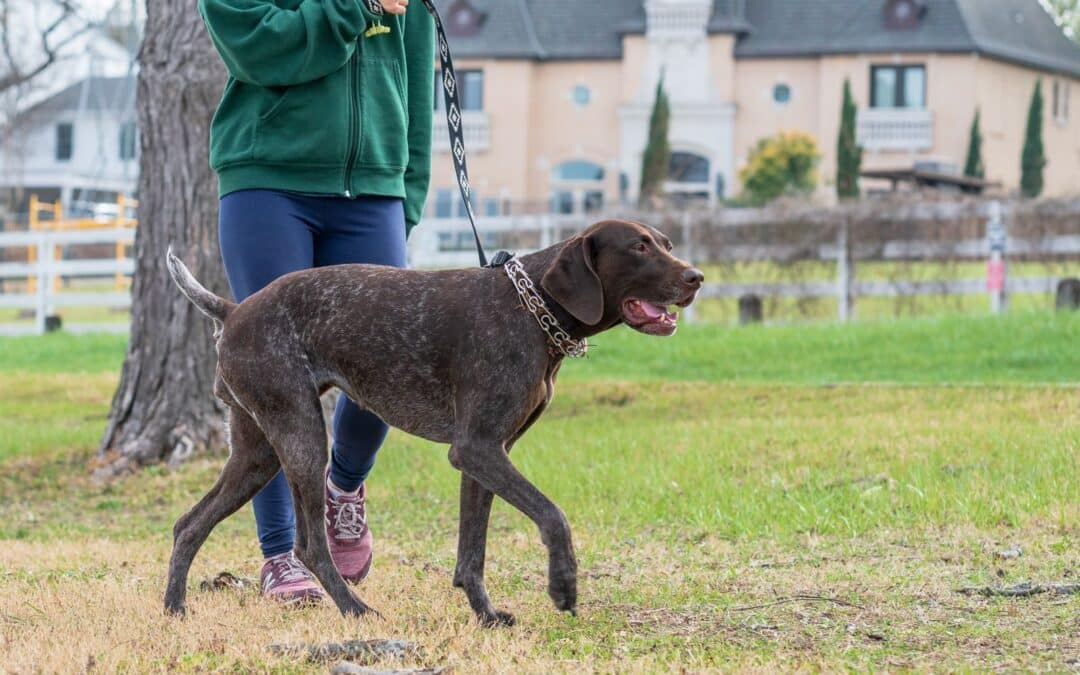
- Leash pulling and walking manners
- Resource guarding around food or toys
- Separation anxiety when you leave
- Other everyday behavioral issues that pop up at home, including managing boundaries like keeping your dog off of the couch
And here’s something important: I don’t just train the dog and hand him back like a fixed appliance. I train you too. Because you’re the one living with your dog every single day, long after I’ve packed up my leash.

Why In-Home Dog Training Can Be More Effective
Your Dog Learns in the Environment Where Problems Actually Happen
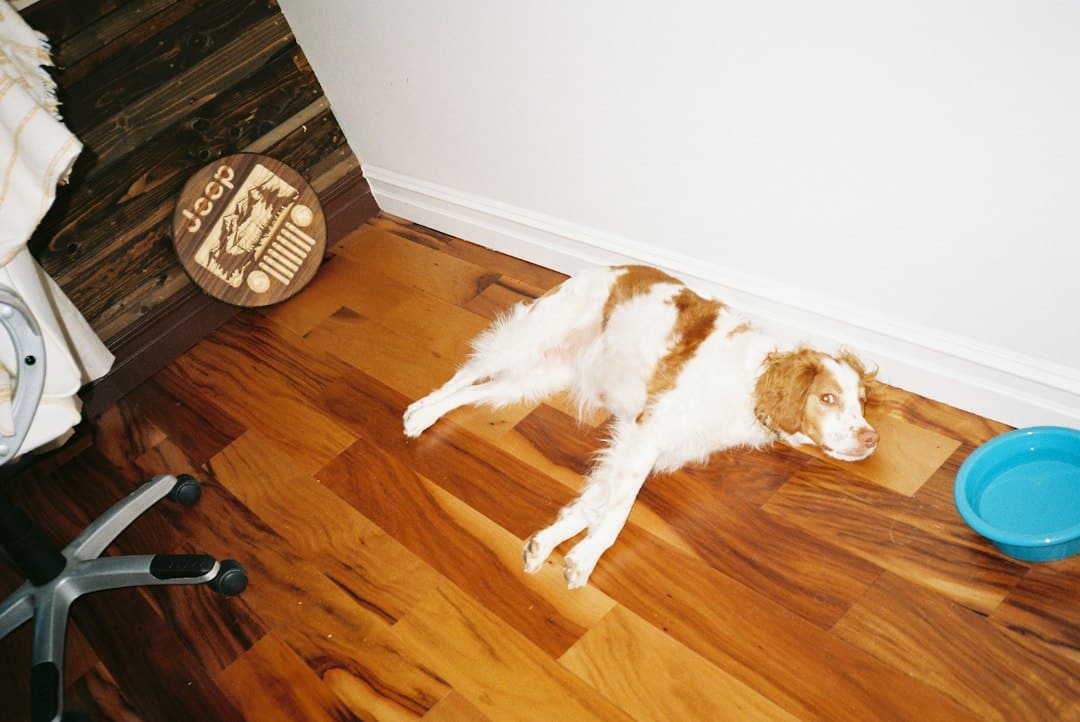
Think about your biggest frustration with your dog. Where does it happen? My guess is it’s somewhere in or around your home.
Training in a familiar environment leads to better learning outcomes and the science backs this up. Dogs learn and retain skills more effectively when they practice in the same context where those skills actually matter. A dog who can behave in a quiet training room but falls apart at home hasn’t truly learned the skill where it counts.
When we work around your furniture, your family members, your yard, and your everyday distractions, we build habits that stick. In home training also minimizes outside distractions, which helps your dog stay focused and absorb new information faster. Training in familiar surroundings reduces stress for your dog too. A calmer dog is a more receptive learner and a more receptive learner makes progress quicker.
Consistent routines play a huge role here as well. A predictable structure helps your dog feel secure and understand what’s expected of him. That structure is much easier to build when we’re working inside the routines your dog already lives.
Your Dog Receives a Personalized Training Plan
Here’s a truth I stand by: no two dogs are the same, so no two training plans should be either.
Your dog has his own history, personality, quirks, and challenges. A nervous rescue with an unknown past needs a very different approach than a bouncy puppy or a stubborn adult dog who’s had years to practice bad habits. That’s why I don’t do cookie cutter programs. I never show up with a rigid, one size fits all checklist and force your dog to fit it.
Instead, I build a plan around your dog. Personalized training accelerates progress because we’re not wasting time on generic exercises that don’t apply to your situation. An anxious dog gets to move at his own pace. A reactive dog gets a strategy tailored to his specific triggers. A puppy gets a foundation designed for where he is developmentally.
This personalized attention leads to quicker results and it makes the entire process feel far less overwhelming for you as the owner.
You Learn How to Handle Your Dog’s Behavior
Let me share a little secret of my trade. Dog training is really people training in disguise.
You spend far more time with your dog than I ever will. My job isn’t just to get your dog to listen to me it’s to teach you how to communicate clearly, set clear boundaries, and reinforce the behaviors you want consistently between our sessions. Effective communication is what builds trust and respect with your dog over the long run. When you know what to do and how to do it consistently you become the leader your dog needs.
That means using the same verbal cues every time. Inconsistent commands confuse dogs. If “come” sometimes means “come here” and other times means “come here right now or else,” your dog has no reliable information to work with. Clear, consistent language gives your dog a framework he can actually understand and follow.
It also works best when the whole household is on board. If one person allows jumping while another discourages it, your dog gets a confusing mixed message. When everyone follows the same plan, your dog learns faster and the results actually last.
In-Home Dog Training vs. Group Classes
I want to be honest with you here, because honesty is kind of my thing. In home training isn’t automatically better for every dog. It depends on what you and your dog need.
In-home training gives you:
- Personalized, undivided attention every session
- A familiar environment where real behavioral issues actually happen
- Solutions tailored to your specific household challenges
- Immediate corrections and positive reinforcement in the moment
- Reduced stress for your dog during the learning process
- Less exposure to contagious illnesses from other dogs
Group classes give you:
- Controlled exposure to other dogs and people
- Practice around distractions in a structured setting
- Socialization opportunities in a managed group
Both have their place. If your main struggles are home based behavioral issues, private in home training is often the stronger fit. If your dog mostly needs practice staying calm around other dogs, a group class might complement your private work nicely.
Honestly? Some dogs do best with a blend of both. The right fit depends on your dog’s needs, behavior, goals, and environment not on what worked for your neighbor’s Labrador.
The Training Methods I Use (And Why They Work)
Positive Reinforcement: The Foundation of Everything
Positive reinforcement is the most effective method for improving dog behavior and it’s the backbone of everything I do. The concept is straightforward: when your dog does something you want to see again, you reward it immediately. That immediate reward is critical. Dogs connect consequences to what just happened, not to what happened five seconds ago.
Positive reinforcement also builds confidence. A dog who understands what earns a reward becomes more willing to try, more engaged in training, and more trusting of the people guiding him. That confidence carries over into everyday life, making your dog calmer, more responsive, and genuinely easier to live with.
Rewarding Calm Behavior
One of the most underused tools in home dog training is simply rewarding calm. When your dog is lying quietly instead of pacing, barking, or demanding attention, that’s the perfect moment to mark and reward the behavior. Rewarding calm teaches your dog that being relaxed is a great way to earn good things and over time, calm becomes your dog’s default mode rather than the exception.
Clicker Training
A clicker is a small tool that makes a consistent clicking sound the moment your dog does something correct. Clicker training works because it marks the exact moment a desired behavior happens, giving your dog precise information about what earned the reward. It removes ambiguity. Your dog doesn’t have to guess what he did right the click tells him instantly.
Desensitization
For dogs who react strongly to specific triggers the mail carrier, the neighbor’s dog, a loud noise desensitization is a powerful approach. It works by pairing a mild version of the trigger with a high value treat, gradually changing your dog’s emotional response from fear or frustration to calm anticipation. Done consistently and at the right pace, desensitization can dramatically reduce reactivity without flooding your dog or pushing him past his threshold.
Teaching Alternative Behaviors
I’d rather teach your dog what to do than punish him for what he’s doing wrong. When a dog barks at the door, I don’t want to just suppress the barking I want to teach him to go lie on his bed instead. Replacing an unwanted behavior with a trained alternative gives your dog a clear job and a reliable outlet. It’s more humane, more effective, and it actually sticks.
Crate Training Done Right
A crate is not a punishment and it should never feel like one. Proper crate training establishes the crate as a safe, comfortable space your dog is happy to settle in. When introduced gradually and paired with positive experiences, the crate becomes your dog’s personal retreat. It also supports consistent routines, prevents destructive behavior when you can’t supervise, and gives anxious dogs a calm place to decompress.
Short, Frequent Sessions Beat Marathon Training
Here’s something a lot of dog owners get wrong: longer training sessions are not better. Short, focused sessions typically 5 to 15 minutes are far more effective than exhausting hour long drills. Dogs have limits on how long they can stay mentally engaged, and pushing past those limits leads to frustration, not progress. I’ll show you how to weave training into your walks, mealtimes, door routines, and everyday interactions so that practice becomes part of your normal day rather than a separate chore.
Mental Enrichment to Reduce Boredom
Behavioral problems often have a simple root cause: a bored dog. Mental enrichment activities puzzle feeders, scent work, structured play, and training games give your dog’s brain a job to do. A mentally stimulated dog is far less likely to chew your couch, bark incessantly, whine from frustration or anxiety, or find other creative ways to entertain himself at your expense.
How In Home Training Can Help With Specific Behavioral Issues
Excessive Barking
One of the biggest advantages of home training is that I can actually see what your dog is barking at whether it’s the mailman, a neighbor, a squirrel, or his own reflection. Once we identify the specific trigger, I can help you set up a consistent response and teach your dog an alternative behavior. Just yelling at a barking dog rarely works. Building a reliable replacement behavior does.
Destructive Behavior
Chewing, digging, and other destructive behaviors usually come down to three things: boredom, excess energy, or a lack of supervision and structure. We address the underlying cause rather than just managing the symptom. That might mean adding enrichment, adjusting your dog’s routine, or creating clearer boundaries through training with Ruff House Dog Training’s personalized programs. Treating the root issue is what prevents the behavior from coming back.
Separation Anxiety
Separation anxiety is one of the more complex issues I work with, and it requires a thoughtful, gradual approach. We work on building your dog’s tolerance for being alone in small, manageable steps never by rushing the process or expecting overnight results. A consistent routine, a comfortable crate or safe space, and steady desensitization work together to help an anxious dog feel more secure when you’re gone.
Leash Reactivity
Before we tackle reactivity out on the street, we build a foundation of foundational obedience at home first. A dog who responds reliably to basic commands in a calm environment is much better equipped to handle distractions outside. I’ll also teach you how to read your dog’s body language, recognize his triggers early, and respond in a way that keeps both of you safe and calm during walks, including understanding why your dog might stare at you or others.
Why Your Home Environment Matters to Your Dog’s Behavior
Your home is not a neutral space it’s full of information your dog is constantly responding to. Windows with views of the street, a front door that signals arrivals, other pets competing for space, neighborhood sounds, and family routines all shape how your dog behaves.
When I come to your home, I can see these environmental factors firsthand. I can identify what’s triggering certain behaviors, suggest changes to your dog’s physical setup, and create a training plan that accounts for the realities of your household. Training strategies built around your actual environment are far more practical and sustainable than generic advice designed for a hypothetical dog in a hypothetical home.
Creating a safe, predictable space and building clear, consistent routines around it gives your dog the structure he needs to feel secure and behave well.
How to Make In-Home Dog Training Work
Stay Consistent
Consistency is the single most important ingredient in any training plan. Everyone in your household needs to understand the rules and follow them the same way. Using consistent verbal cues prevents confusion. Rewarding the behaviors you want and ignoring or redirecting the ones you don’t every time gives your dog reliable information about how the world works.
Keep Sessions Short and Practical
You don’t need to dedicate an hour a day to formal training. Short, frequent sessions are more effective. Practice during your morning walk, during mealtimes, when guests arrive, or when you’re watching TV. Training woven into daily life is training that actually gets done.
Practice Beyond the First Session
I give you the tools, the techniques, and the plan. But lasting results come from consistent practice between our sessions. The good news? With Ruff House’s unlimited post session support, you can reach out whenever a question comes up or a new challenge appears. You’re never on your own.
Adjust as Your Dog Progresses
Training isn’t static. As your dog becomes more confident and reliable, we raise the bar. We increase distractions, introduce new environments, and add complexity. That gradual progression is what turns a well behaved dog in the living room into a well behaved dog everywhere.
What Makes Ruff House Different?
I’m a Veteran owned, locally operated small business not a franchise. I serve Washington, D.C., Maryland, and Virginia, including families throughout Fairfax, and I bring to every session the discipline, empathy, and integrity that military service instilled in me.
What sets Ruff House apart isn’t just the training. It’s the relationship. Here’s what you get when you work with me:
- Practical, real world solutions built for your actual life not a controlled training environment
- Customized programs tailored to your dog’s specific needs and your household
- Flexible options: the 90 Minute Miracle for a fast jump start, 6 Week Obedience for structured progress, or fully custom training for complex needs
- Unlimited post session support because questions don’t stop when the session ends
- A track record of results backed by over 400 happy clients across the DMV
- An approachable, comedic coaching style that makes training feel manageable and even enjoyable
My goal isn’t just a dog who obeys commands. It’s a stronger bond between you and your dog built on clear communication, mutual trust, and genuine respect. That bond is what makes the training last.
Frequently Asked Questions About In-Home Dog Training
Is in home dog training good for puppies?
Absolutely. Puppies learn best in the environment where they live. Home training addresses potty training, crate training, chewing, biting, and foundational obedience right where those behaviors actually happen which means the lessons are far more relevant and the habits form faster.
Is in home training good for adult dogs?
Yes. Adult dogs can absolutely learn new behaviors. In fact, older dogs often benefit from the reduced stress and familiar environment of home training, which helps them focus and retain new skills more effectively than they might in a group setting.
Can in home training help with aggressive or reactive dogs?
Yes and this is often where private, personalized training shines brightest. I can address your dog’s specific triggers in a controlled, familiar environment, work on desensitization at a pace that’s safe and appropriate, and create a behavior modification plan built around your dog’s history and needs, especially in cases where you’re asking yourself “why does my dog bite me?”
How long does dog training take?
It depends. Timelines vary based on your dog’s behavior, history, the complexity of the issues, and how consistently the household practices between sessions. What I can tell you is that personalized training done consistently leads to faster, more lasting results than generic approaches.
Do dogs need treats forever?
No. Treats are an incredibly useful tool in the early stages of training because they give your dog clear, immediate feedback for doing the right thing. As your dog becomes more reliable, we shift toward more variable reinforcement and incorporate praise, play, and other rewards your dog values. The goal is a dog who behaves because he understands what’s expected not because he’s always chasing a snack.
Final Thoughts: Is In Home Dog Training Right for Your Dog?
If your biggest challenges happen at home at the front door, during walks on your street, in the backyard, or every time the mailman shows up then training at home isn’t just convenient. It’s the most logical place to start.
Every dog is different. Every household is different. Effective training has to account for both. At Ruff House, that’s exactly what we do. No judgment, no cookie cutter program, and no false promises just practical solutions, consistent support, and a genuine commitment to helping you and your dog build a life that works for everyone in your home.
Training isn’t just about stopping bad behaviors. It’s about building trust, deepening your bond, and giving your dog the communication and structure he needs to thrive. When training happens where your dog lives, the results don’t just stick in the session they stick in real life.
From Chaos to Calm Let’s Do This. Book your in home dog training session with Ruff House Dog Training and start building better communication with your dog today.