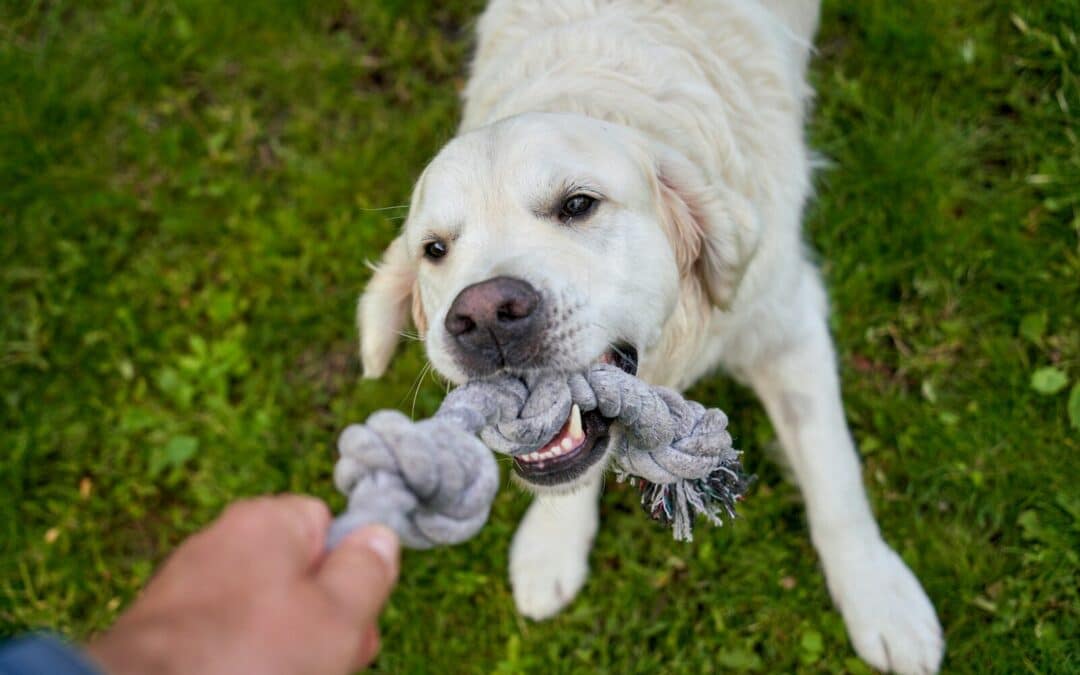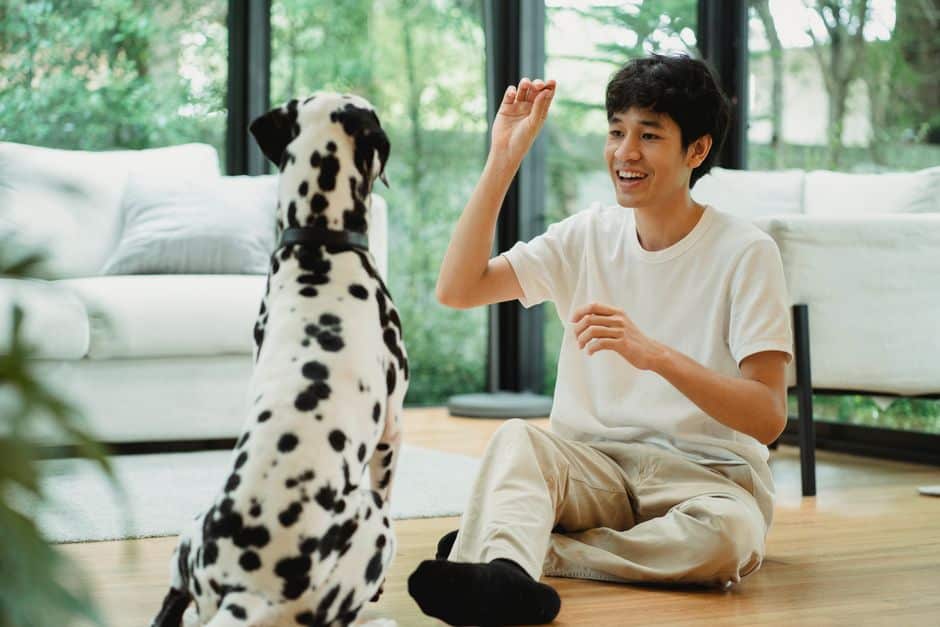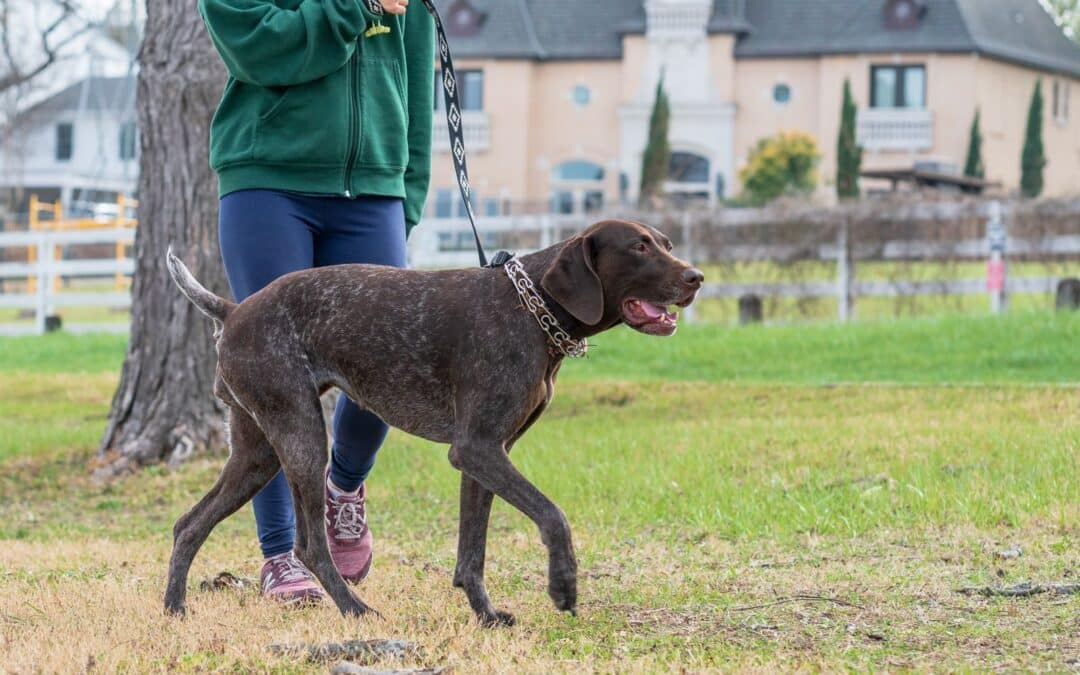
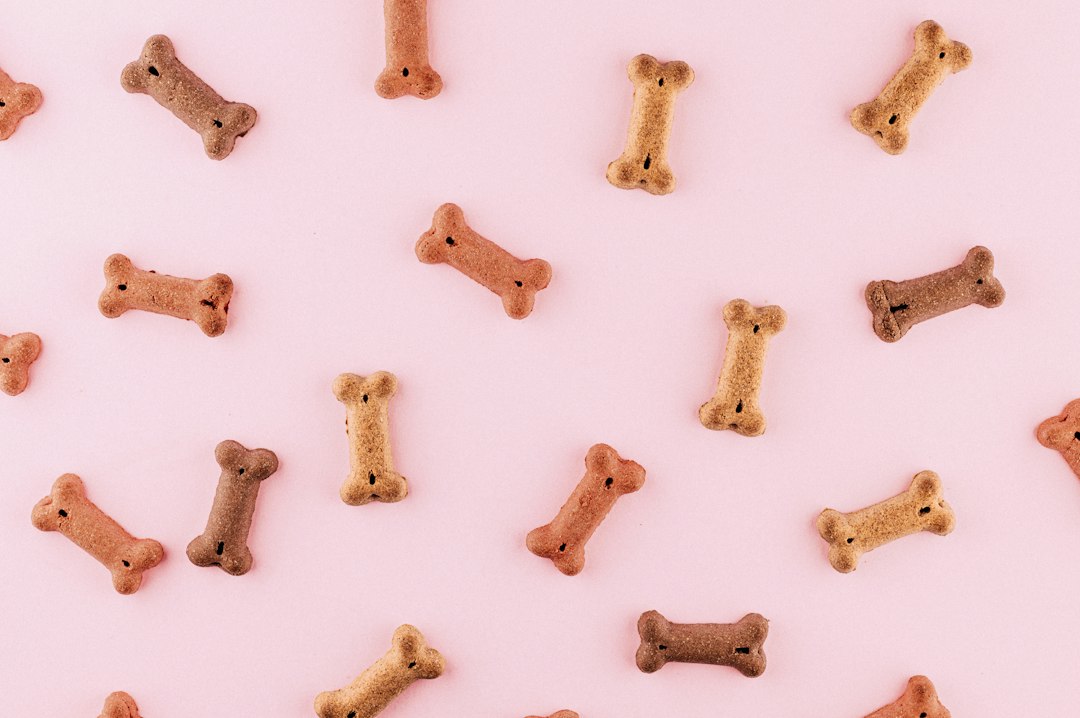
Let me tell you one of the first things I say to almost every new client: not every treat is created equal when you’re training your dog. People often show up with a giant bag of fancy, expensive treats, convinced the price tag is what makes them work. It’s not. A treat doesn’t need to be gourmet. It needs to motivate your dog and let me keep the training session moving without a snack break every ten seconds.
I’m Ryan, and I run Ruff House Dog Training a Veteran owned small business serving Washington, D.C., Maryland, and Virginia. I’ve worked with over 400 dogs and their families across the DMV, and I’ve learned that treats are one of the most misunderstood tools in the whole training toolbox. Used well, they help your dog learn faster. Used poorly, they turn into bribes that stop working the moment your hand is empty.
But this blog isn’t just about treats. It’s a complete trainer’s guide to how dogs actually learn the science behind it, the tools that work, and what to watch out for when you’re looking for professional help.
Here’s what you’ll get in this guide:
- How to pick the right training treat for your dog
- What professional dog trainers actually carry in their pouches
- How positive reinforcement, clicker training, classical conditioning, and operant conditioning really work
- Why socialization and desensitization matter more than most owners realize
- The truth about the 7-7-7 rule and socializing your puppy
- What LIMA means and why it matters for your dog’s well being
- The risks of correction based and aversive training methods
- How to find a qualified dog trainer in a largely unregulated industry
- The most common treat mistakes I see, and how to fix them
Let’s dig in.
What Dog Treats Are Best for Training?
The honest answer? The best treat is the one your dog will actually work for. That sounds simple, but it trips people up all the time.
When I’m choosing a treat for a training session, I look for a few specific things:
- Small enough to hand out over and over
- Quick and easy for the dog to chew and swallow
- Appealing enough to hold your dog’s attention
- Easy to break into tinier pieces on the fly
- Appropriate for your dog’s dietary needs and any allergies
Soft, bite sized treats usually win during active training because they disappear fast and don’t crumble all over your floor. I also work with different “reward levels.” Everyday treats handle easy stuff. Higher value treats come out for tougher behaviors. And the really special rewards? I save those for major distractions, like walking past another dog.
Some dogs will happily work for plain kibble. Others look at kibble like you just insulted their whole family. That’s why the “best” treat always depends on the dog in front of me. Part of my job is figuring out what makes each dog tick.
Small Treats Keep Training Dogs Moving
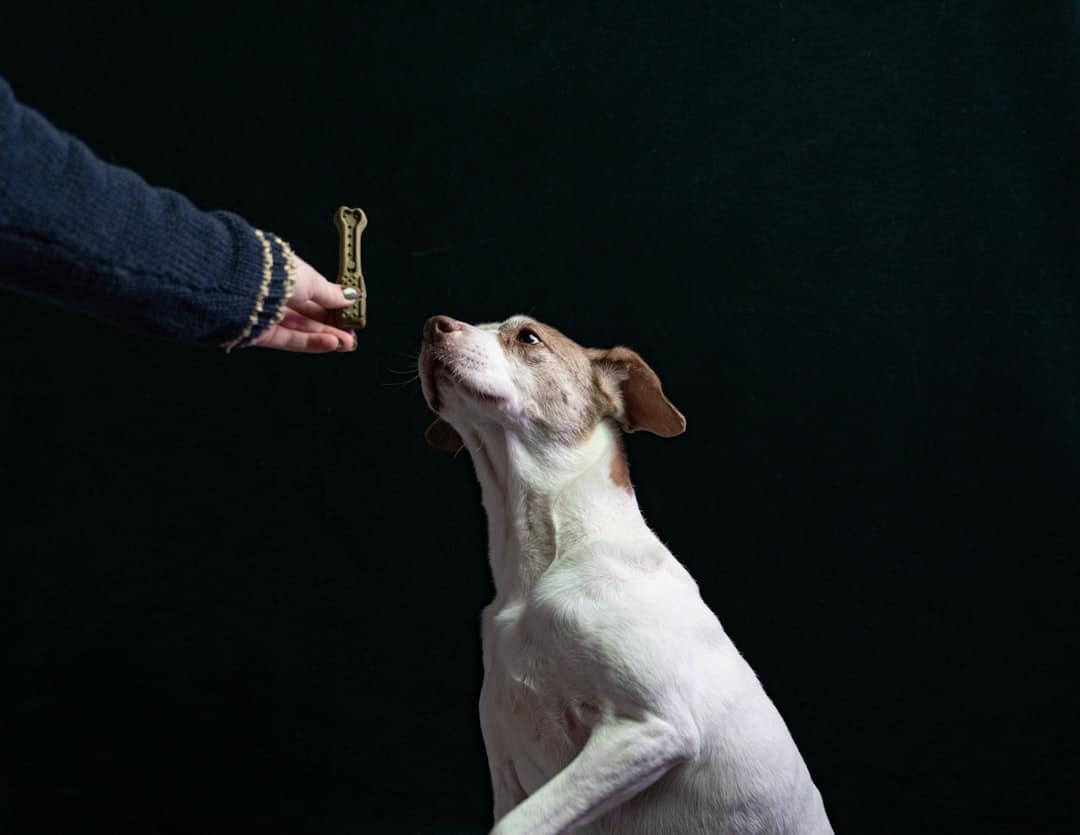
Ever tried to teach a two second behavior with a treat that takes five minutes to chew? It brings the entire dog training session to a stop. As a dog trainer, I want my treats to be small, quick to eat, and easy to deliver so I can keep training dogs moving through each exercise.
I typically recommend pieces no bigger than a pea. Small treats let me reward repeated behaviors without overfeeding a puppy or adult dog, which is especially important during basic obedience training, private lessons, leash work, or frequent practice at home. A dog may earn dozens of rewards in one training session, so portion size matters for their overall well being.
Small rewards also make positive reinforcement more effective. When a dog performs the behavior I want, I can reward it immediately and move on to the next repetition. This helps the dog learn what behavior earned the reward without creating unnecessary pauses, frustration, or stress.
My biggest training tip for dog owners is simple: keep rewards tiny and your timing consistent. Whether we’re teaching obedience, improving leash skills, addressing barking, or practicing around other dogs, small treats help us communicate clearly, build skills, and keep training productive.

Soft, Smelly Treats Can Increase Motivation
Your dog’s nose is running the show. That’s why smell matters so much when you’re training somewhere distracting.
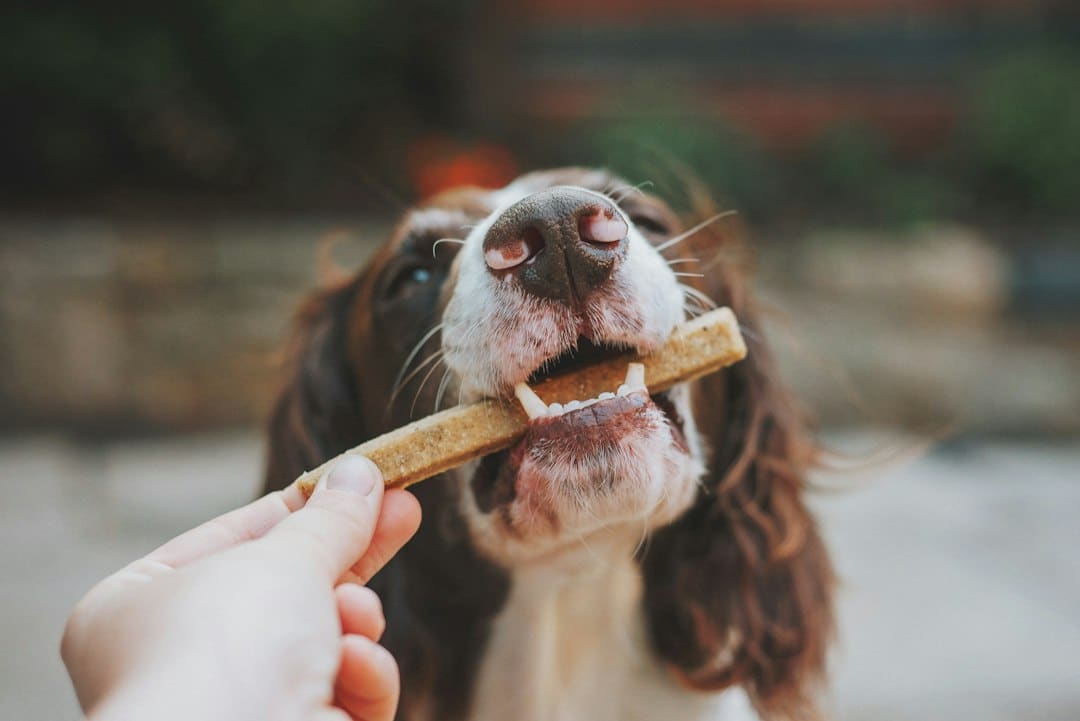
A dry biscuit might be plenty exciting in your quiet kitchen. But take that same dog to a busy park full of other dogs, squirrels, and interesting smells? Suddenly that biscuit can’t compete. This is where soft, smelly, high value treats earn their keep. Think tiny bits of chicken or cheese. When the world gets loud, use the reward that actually grabs your dog’s attention. Match the treat to the environment, and you’ll get far better focus.
What Do Professional Dog Trainers Use as Treats?
I’ll let you in on a little secret: professional dog trainers don’t rely on one magic brand. There’s no secret trainer treat hiding in a locked drawer somewhere.
We pick rewards based on the dog and the goal. My pouch often holds a mix of things like:
- Small commercial training treats
- Freeze dried meat
- Cooked chicken cut into tiny pieces
- Little bits of cheese
- Plain kibble for easy wins
- Other dog safe, highly motivating foods
Convenience is a huge factor. I want something I can carry, deliver instantly, and use again and again without fumbling or interrupting the exercise. Honestly, having a good treat pouch on your hip matters more than owning some rare “expert” treat. Fast, clean delivery keeps your dog engaged and your training smooth.
Should You Use Treats When Training a Dog?
Yes. When you use them correctly, treats are one of the most effective training tools you have. But that phrase, “correctly,” is doing a lot of heavy lifting.
Food rewards help your dog learn a new behavior quickly. That’s the heart of positive reinforcement also known as reward based training: you reward the behavior you want to see again. This approach is endorsed by the American Veterinary Society of Animal Behavior, and veterinary consensus strongly favors positive reinforcement based methods for building a confident, well adjusted companion. Studies also confirm its efficiency for long term behavioral health. The catch? Rewarding your dog doesn’t mean bribing your dog forever.
Let me clear up three terms people mix up:
- Luring: using food to guide your dog into a position (like moving a treat over the nose to get a sit)
- Rewarding: giving something good after the behavior happens
- Reinforcing: strengthening a behavior so it becomes more reliable over time
As your dog gets solid on a behavior, you gradually reduce how often you hand out treats. Eventually, verbal praise, toys, play, affection, and even everyday rewards (like opening the door for a walk) become part of the payment system. Food is where you start, not where you have to stay.
Positive Reinforcement Is More Than Just Giving Treats
Here’s the part people miss. Positive reinforcement means adding something your dog values right after a behavior, which makes that behavior more likely to happen again. Simple idea, but the details make or break it.
Timing is everything. If you reward too late, your dog might think it’s being paid for something else entirely. Reward your dog for sitting a full three seconds after the sit, and you may have just rewarded the standing up.
Consistency matters just as much. You have to reward the behavior you actually want not whatever your dog happens to be doing when the treat lands. Get sloppy with timing, and you’ll accidentally reinforce the wrong behavior. This is real dog behavior at work, and it’s why how you reward matters more than what you reward.
It’s also worth knowing that positive reinforcement has deep roots it grew out of marine mammal training, where shock collars and leash corrections simply weren’t an option. Today, most working dogs, from service animals to detection dogs, are trained using these same reward based methods. That tells you a lot.
How Dogs Actually Learn: Operant Conditioning and Classical Conditioning
If you want to understand why treat based training works, you need to understand the two main ways dogs learn: operant conditioning and classical conditioning, and many of my favorite dog training books dive deep into these concepts.
Operant conditioning is about consequences. Dogs learn to repeat behaviors that lead to good outcomes and avoid behaviors that don’t. When you reward your dog for sitting, you’re using operant conditioning. The behavior (sit) leads to something the dog values (treat), so the dog is more likely to sit again. Training methods are categorized by how they motivate dogs to either repeat or stop behaviors and the science is clear that reward based methods produce the most reliable, lasting results.
Classical conditioning is different. It’s about associations. Your dog doesn’t choose to feel happy when you pick up the leash that excitement happens automatically because the leash has been paired with walks enough times. Dogs form emotional associations with people, places, other dogs, leashes, cars, and even veterinarians. This is why classical conditioning matters so much for fearful, reactive, or anxious dogs. You’re not just teaching behaviors you’re changing how the dog feels about the world around them.
Understanding what’s happening underneath a behavior is often more important than the behavior itself. I always try to get to the root of what’s driving a dog’s actions before I decide on the right training approach.
Clicker Training: A Precise Tool for Dog Training
You’ve probably heard of clicker training. It’s a type of positive reinforcement training that uses a small handheld device to make a short click sound. That click acts as a precise marker it tells your dog, “Yes, that is the behavior I wanted,” in the exact moment it happens.
Interestingly, clicker training has roots in marine mammal training, where trainers needed a way to communicate with animals at a distance. The same principle applies to dogs.
Here’s how it works: you pair the click with a treat repeatedly until your dog understands that click = reward coming. After that, the click becomes a powerful communication tool. You can mark a sit, a down, a moment of eye contact, or even the smallest steps toward a goal behavior.
Clicker training is especially useful for teaching complex behaviors or working with dogs who need very precise feedback. That said, not every dog or owner needs a clicker to get great results. What matters is finding techniques that actually work in your real life, not just following trends because they sound good.
Model Rival Training: Another Tool Worth Knowing
Model rival training is a less talked-about but genuinely interesting approach. The idea is to use a “rival” often another dog or person to demonstrate the desired behavior in front of your dog. The dog watches the model perform the behavior, earn the reward, and learns through observation.
It’s not my go to method for every situation, but it’s a good reminder that dogs are always watching. They learn from the world around them, including from each other. This is part of why I sometimes use real world environments and other dogs as part of the training process not to overwhelm your pup, but to teach them to make good choices even when life gets interesting.
The Role of Socialization and Desensitization in Dog Training
Treats and reward markers are powerful tools, but they’re only part of the picture. One of the most important things you can do for your dog especially your puppy is ensure proper socialization.
Socialization helps dogs adapt to various environments and situations. A well socialized dog is more confident, more resilient, and much less likely to develop behavioral problems like aggression or anxiety down the road. The research is clear: early socialization is crucial, especially for puppies between 3 and 14 weeks of age. That developmental window is when experiences have the biggest impact on how a dog will perceive the world for the rest of its life.
But socialization isn’t just about dumping your puppy into new situations and hoping for the best. I always read the dog’s body language the entire time. Is the pup curious and relaxed, or shut down and scared? A confident puppy can handle more; a nervous one needs slower, gentler introductions. Consistent, controlled exposure to new people, environments, surfaces, animals, and sounds is what builds a well rounded dog.
This is where desensitization comes in. Desensitization reduces fear by pairing positive experiences with the things that make a dog nervous. Think of it as a careful, gradual process of teaching your dog that the scary thing a loud noise, a new person, another dog actually predicts something good. Done right, it can be genuinely life changing for anxious or reactive dogs.
What Is the 7-7-7 Rule for Dogs?
You’ve probably seen the 7-7-7 rule floating around online. It’s generally used as a framework for exposing a dog especially a puppy to a set number of different people, places, surfaces, environments, and situations during a key developmental window. It’s a memorable way to remind owners that socialization matters.
But let me be straight with you: it’s not a magic formula, and it’s not a scientifically guaranteed rule. Blindly checking boxes can actually backfire. A puppy pushed too hard, too fast can come out more fearful, not less.
What matters far more is controlled exposure and appropriate socialization that fits your individual puppy. I approach socialization based on the dog in front of me reading body language, adjusting the difficulty, and always making sure the experience feels safe and positive. The goal is to build confidence without overwhelming the dog. That’s a process, not a checklist.
LIMA: The Principle Behind Responsible Dog Training
If you spend time in the professional dog training world, you’ll eventually come across the term LIMA Least Intrusive, Minimally Aversive. It’s a guiding principle that says trainers should always prioritize the least intrusive, most positive strategies available before escalating to anything more forceful.
I operate by this principle in every session. It means I start with what the dog finds rewarding and work from there. It means I don’t reach for pressure, intimidation, or aversive tools unless absolutely nothing else is working and even then, it’s a conversation, not a default.
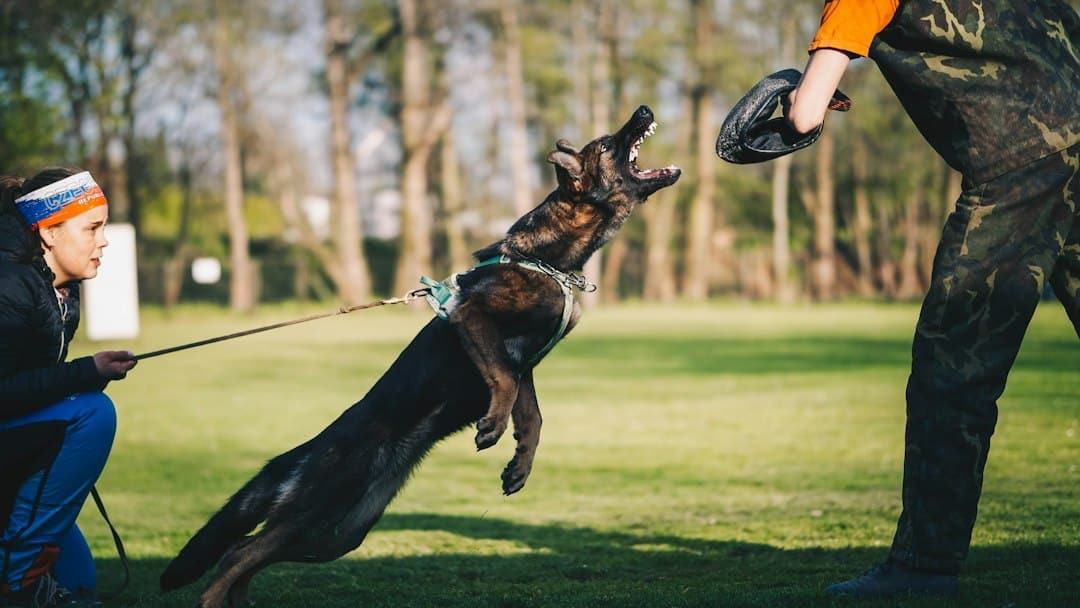
This isn’t just my preference. It reflects where behavioral science and veterinary medicine have landed. Correction based training which relies on punishment to stop unwanted behavior is considered outdated by modern behavioral science. More importantly, behavioral science research makes it clear that improper use of aversive techniques can trigger fear and aggression in dogs. In other words, the wrong tool used at the wrong time can make your dog’s behavior worse, not better.
That’s why I don’t use shock collars, prong collars as a shortcut, or intimidation tactics. Not because I’m being idealistic because the science says they create more problems than they solve, and because your dog deserves better.
Real World Training: Teaching Dogs to Listen When It Actually Matters
Here’s a hard truth: a dog who only listens in your living room isn’t really trained. Real training means your dog can hold it together when the world gets interesting, whether that’s guests arriving, food on the counter, or the temptation of jumping on the couch at home.
That’s why I take training out of the classroom and into real life. I train with distractions on purpose other dogs, strangers, traffic, squirrels, all of it. Your dog needs to learn to make good choices in the environments where they’ll actually be living, not just in a quiet room where nothing exciting is happening.
One training goal I often work toward with clients is the AKC Canine Good Citizen test. It’s a practical, well respected benchmark that evaluates basic manners and reliability in real world situations. Earning that title is a meaningful milestone for any dog and owner. More importantly, the skills it covers loose leash walking, sitting politely for petting, coming when called, staying calm around other dogs are exactly the behaviors that make life with a dog genuinely enjoyable.
Real-life training also means addressing problem behaviors as they happen, in the environments where they occur, whether that’s your living room, the sidewalk, or a busy indoor dog park. That’s how you actually fix them.
Training Tips for Using Treats Effectively
Ready to put this into practice? Here are the training tips I share with nearly every client:
- Keep treats tiny. More reps, fewer calories.
- Reward quickly. Speed helps your dog connect the dots.
- Deliver the treat after the behavior, never before.
- Keep sessions short and focused. A few good minutes beats a long, frustrating slog.
- Start where it’s easy. Fewer distractions first.
- Increase difficulty gradually. Build up, don’t leap.
- Change rewards when motivation dips. If your dog checks out, level up the treat.
- Don’t just lure endlessly. Teach the actual behavior, then fade the food.
- Track the day’s treats. Adjust meals so you don’t overfeed.
Small tweaks like these often turn a struggling session into a productive one.
Match the Reward to the Difficulty
Not every behavior deserves the same paycheck. I match the reward to how hard the task is:
- Simple behavior in a quiet room: lower value reward
- Walking nicely outside: more valuable reward
- Ignoring another dog on leash: higher value reward
- Coming when called away from a squirrel: jackpot reward (a handful of the good stuff)
I never expect the same treat to work equally well in every situation. Asking your dog to focus in a chaotic park is a much bigger deal than a sit on the couch, so pay accordingly.
Don’t Let Treats Become a Bribe
This is the big one. There’s a real difference between showing a treat to make your dog perform and rewarding your dog after the behavior happens.
When you constantly wave food in front of your dog’s face, you’re bribing. Your dog learns to obey only when the snack is visible. That’s a trap. Instead, ask for the behavior, wait for it, then reward. Focus on clear communication, sharp timing, and plenty of repetition. Over time, your dog listens because it understands you not because you’re holding a bribe.
How to Use Treats in Basic Obedience Training
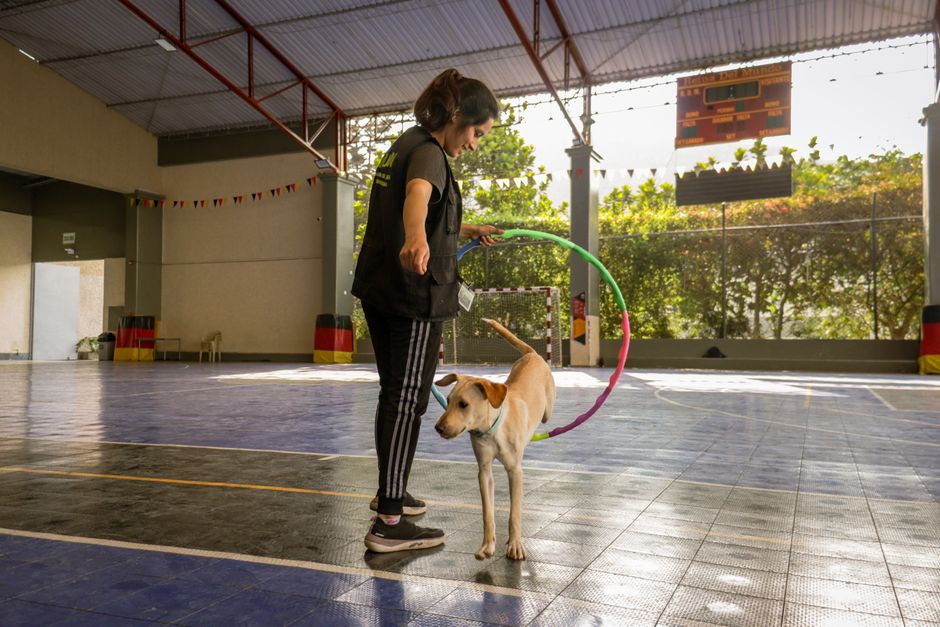
Treats play a key role in building the foundational skills every dog needs. Whether I’m working on sit, down, stay, place, come, leave it, heel, or loose leash walking, food rewards help the dog learn what’s being asked of them faster and with less frustration.
But treats are only one piece of the puzzle. Effective obedience training also requires clear communication, solid timing, consistent repetition, appropriate structure, and boundaries that make sense to the dog. As behaviors become more reliable, I gradually shift from constant food rewards toward more variable reinforcement mixing in praise, play, and life rewards so the dog is working for real-world payoffs, not just snacks.
Every plan I build is customized for the individual dog, the owner, and the household. What works beautifully for a laid back Labrador might not even register for a high drive Belgian Malinois. That’s why cookie cutter programs frustrate me. Dogs aren’t cookies.
How to Find a Qualified Dog Trainer: What You Need to Know
Here’s something the pet industry doesn’t advertise loudly enough: anyone can call themselves a dog trainer. There’s no federal licensing requirement, no mandatory education standard, and no governing body that decides who gets to hang out a shingle. The dog training industry is largely unregulated, which means the quality of trainers varies enormously.
So how do you find a good one? Here’s what I’d look for:
Look for recognized credentials from independent certifying bodies. The Certification Council for Professional Dog Trainers (CCPDT) is one of the most respected independent certifying organizations in the industry. A certified professional has passed an exam, logged real hands on hours, and committed to continuing education. That matters.
Continuing education is non-negotiable for reputable trainers. Animal behavior science evolves. A trainer who hasn’t updated their knowledge in a decade is working from an outdated playbook. I stay current with behavioral science because my clients and their dogs deserve evidence based methods, not techniques that were fashionable twenty years ago.
Watch for red flags. A trainer who relies on intimidation, dominance theory, or aversive tools like shock collars as a first resort is waving a red flag. So is a trainer who refuses to explain their methods, resists client involvement, or makes bold guarantees about quick fixes. Transparency about training methods is essential for any reputable professional.
A good trainer should involve you in the process. I’m not here to train your dog while you watch from the couch. I teach you how to train your dog, because that’s what creates lasting change. The skills I give you are the tools you’ll use long after our sessions end. A trainer who doesn’t actively involve the owner is doing half the job at best.
Effective trainers do several things well. They communicate clearly with both you and your dog. They help you understand your dog’s behavior and underlying needs. They develop customized training plans. And they use positive reinforcement to encourage the behaviors you actually want to see. If your trainer doesn’t do all of that, keep looking.
Should You Worry About Aversive Training Methods?
Absolutely and here’s why. Behavioral science has made it clear that improper use of aversive techniques can trigger fear and aggression in dogs. Correction-based training, which relies primarily on punishment to suppress unwanted behaviors, is considered outdated by modern behavioral science for good reason.
When a dog is punished for growling for example it doesn’t learn that the situation is safe. It learns to suppress the warning signal. That dog may still bite; you’ve just removed the advance notice. That’s not a training success. That’s a safety problem waiting to happen.
I’m not anti-correction in every context. But I am deeply committed to LIMA principles, which means I exhaust every positive, least intrusive option before considering anything else. And in my experience with over 400 clients, I almost never need to go beyond positive reinforcement based methods to get real, lasting results.
How I Use Treats as Part of a Bigger Dog Training Plan
Let me zoom out for a second. Treats are a tool a really useful one but they’re not a training plan on their own.
At Ruff House, I build comprehensive, customized training plans for each dog and household, whether I’m working locally in Bethesda or with families in Stafford, VA. Those plans incorporate:
- Communication – teaching owners to read their dog’s body language and respond clearly
- Structure – giving dogs the routine and boundaries they need to feel secure
- Timing – marking and rewarding behaviors precisely so the dog understands exactly what earned the reward
- Boundaries – not the punitive kind, but the kind that tell a dog what’s expected and creates consistency
- Reinforcement – a mix of food, praise, play, and real world rewards
- Repetition – because dogs don’t generalize quickly they need practice in many contexts
- Real-world application – training that works in your kitchen and at the park, not just inside a classroom
I also involve you, the owner, in every step. Training your dog is one half of the job. Teaching you to maintain that training at home is the other half. Without that, the results don’t last.
When You Need More Than Training Treats
Look if you’ve watched every YouTube video, tried every treat, read every tip online, and your dog is still pulling, barking, reacting, or making your life harder than it needs to be, that’s not a treat problem. That’s a sign you need individualized, hands on help from someone who can actually see what’s happening between you and your dog.
At Ruff House, I work with owners dealing with:
- Persistent barking
- Leash pulling and reactivity
- Aggression toward people or other dogs, including dogs that bite their owners
- Puppy biting and jumping or more serious patterns where you start asking, “Why does my dog bite me?”
- Poor recall
- Destructive behavior, house soiling, or lingering dog pee odors in the home
- Anxiety and fearfulness, including dogs that pace, vocalize, or show excessive whining
- Difficulty around other animals or confusing behaviors like intense staring at people or other dogs
I offer flexible options depending on what your situation calls for:
- The 90-Minute Miracle – a focused session to jumpstart behavior improvement with immediate, actionable tools
- 6-Week Obedience Training – a structured program that tackles common issues like barking, house-soiling, chewing, and puppy biting, building solid, lasting habits
- Custom Training Programs – fully tailored plans for complex behaviors, aggression, reactivity, or situations that don’t fit a standard program
- Private Lessons – one-on-one work that puts your specific dog and household first
- Unlimited Post-Session Support – because training questions don’t only come up during business hours
That last one matters. Unlike franchise trainers or big box programs, I offer unlimited access after your sessions. You can call me when something comes up, because it always does.
Dog Trainer in Bethesda, MD: How Ruff House Can Help
Ruff House Dog Training is a Veteran owned small business not a franchise, not a corporate program with a one size fits all curriculum. I serve Bethesda and the broader DMV region with practical, science-backed, real life dog training that actually works.
I bring discipline, empathy, and honesty rooted in military values. I don’t make unrealistic guarantees training, like working out, requires consistency. What I can promise is that over 400 clients have gotten lasting results by committing to the tools and habits I teach them.
Here’s what you get when you work with Ruff House:
- A trainer who communicates clearly with both you and your dog
- A customized training plan built around your dog’s specific needs and your household
- Methods grounded in positive reinforcement, behavioral science, and LIMA principles
- Real-world training that teaches your dog to listen even when life gets distracting
- Ongoing support that doesn’t disappear when your program ends
- An approachable, judgment free environment where no question is too small and no problem is too big
Treats are a great starting point. But knowing how to use them and when to go beyond them is what separates a frustrated owner from a confident one. That’s exactly what I’m here to help you figure out.
From Chaos to Calm Let’s Do This.
If your dog is running your household instead of the other way around, it’s time to change that. Book your training session today, schedule your 90 Minute Miracle, or download your free behavior guide to get started right now.
No judgment. Just real solutions because your dog won’t train himself.