You brought home your puppy, and for about ten glorious minutes, everything was perfect. Then came the shredded shoe, the puddle by the couch, and those tiny shark teeth clamped onto your ankle. Sound familiar? If so, take a breath you’re exactly where every new puppy owner starts.
Here’s the truth I share with families across the DMV every week: puppies don’t grow out of bad habits on their own. A puppy having accidents at 12 weeks will still be having them at 12 months if nothing changes. That’s why early puppy training matters so much it stops small quirks from becoming big, expensive headaches down the road.
I’m a Veteran owned, local dog trainer serving Alexandria and the greater Washington, D.C., Maryland, and Virginia area through Ruff House Dog Training. My approach is simple: practical, real world training built on communication, trust, and good choices not stiff, cookie cutter commands. In this guide, you’ll learn when to start training, which skills matter most, how treats and positive reinforcement fit in, and when it’s time to call in extra help. Let’s dig in.
When Should Puppy Training Start?
The short answer? The day your puppy comes home. Your pup is learning from you whether you mean to teach them or not, so you might as well steer that learning in the right direction. Puppies can begin structured training as early as 10 weeks old.
Age Appropriate Expectations for Young Puppies
Young puppies have goldfish level attention spans, so keep it short and sweet. Start with just a few minutes per session, working up to 5 to 10 minutes several times a day as your pup builds focus. Short, fun, and frequent always beats long and exhausting.
And don’t skip the downtime. Puppies need plenty of rest and quiet alone time to process everything they’re learning. Focus on rewarding good choices instead of chasing perfection your puppy is a baby, after all.
Why Early Socialization Matters
Socialization is one of the most important things you’ll ever do for your dog, and timing is everything. Here’s what to keep in mind:
- Puppies are most receptive to socialization between 7 and 14 weeks of age this is the window you don’t want to miss.
- Socialization should ideally begin around 7 to 8 weeks old and wrap up before 16 weeks.
- Positive exposure to a variety of people, animals, sounds, and environments builds a confident, calm adult dog.
- Positive experiences during this period create lasting memories so make them good ones.
- Early socialization helps prevent fear, anxiety, and reactivity later in life, and safe options like indoor dog parks for puppy socialization can give your pup valuable practice in a controlled environment.
Keep each socialization session brief so you don’t overwhelm your pup. Watch for stress signals like yawning, lip licking, or turning away that’s your puppy’s polite way of saying, “I’ve had enough for now.”
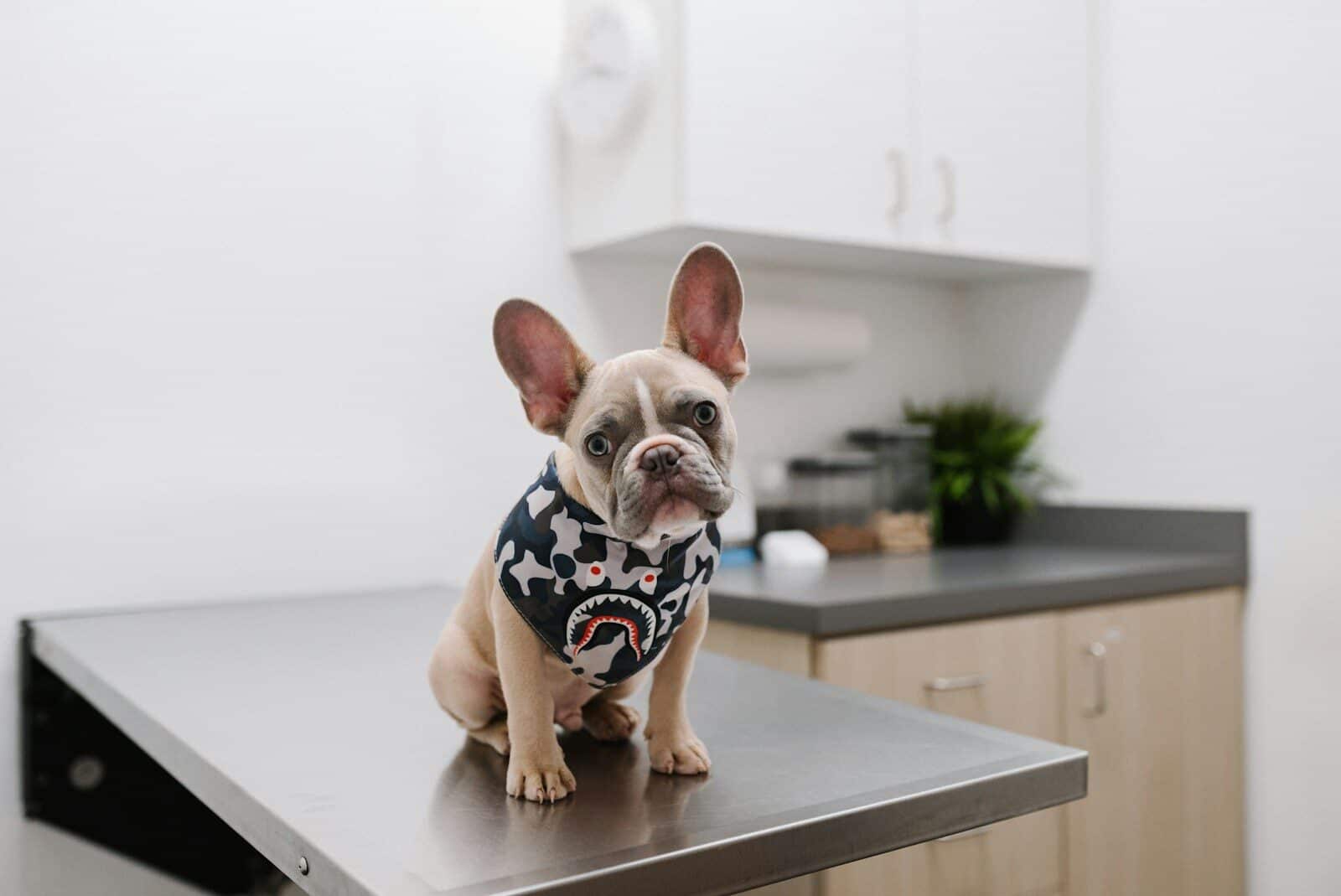
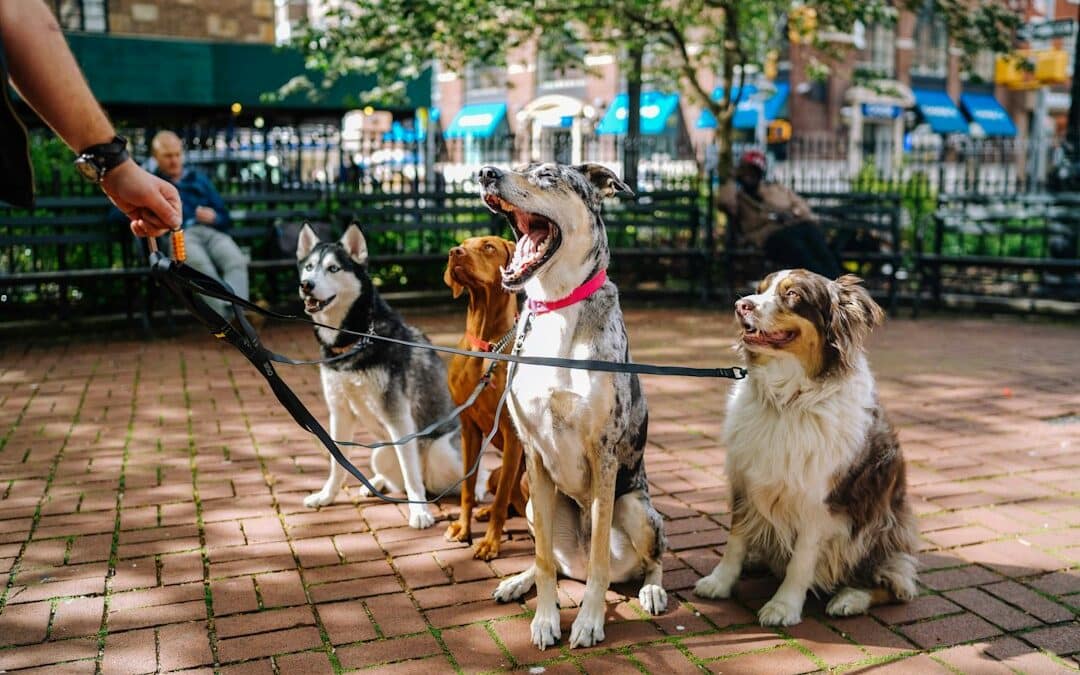
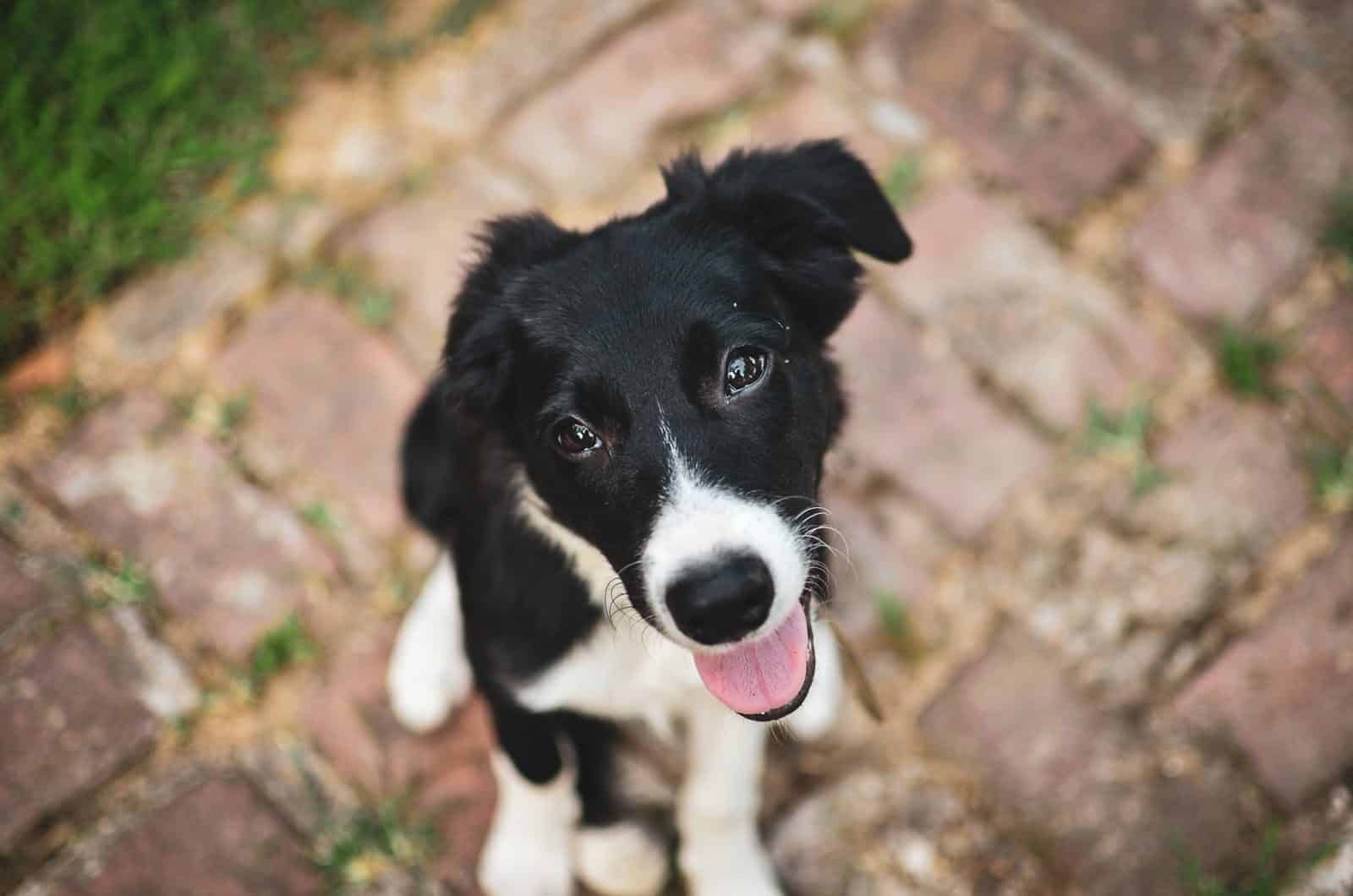
Photo by Karsten Winegeart on Unsplash
Working With Your Vet on Safe Socialization
Wondering how to socialize safely before vaccinations are complete? Talk to your veterinarian first. Avoid high risk areas like dog parks and pet store floors until your puppy is fully vaccinated to reduce disease risk. Plenty of low risk options still count controlled playdates with vaccinated dogs, car rides, and quiet outdoor exposure all build confidence safely.
The best time to start was the day you got your puppy. The second best time is today.
What Are the Most Important Things to Teach a Puppy First?
Before we list skills, remember the goal: building a strong foundation of trust, communication, and good choices not just commands. Start every new skill in a quiet environment with few distractions, then gradually raise the difficulty as your pup gets reliable.
Name Recognition and Attention
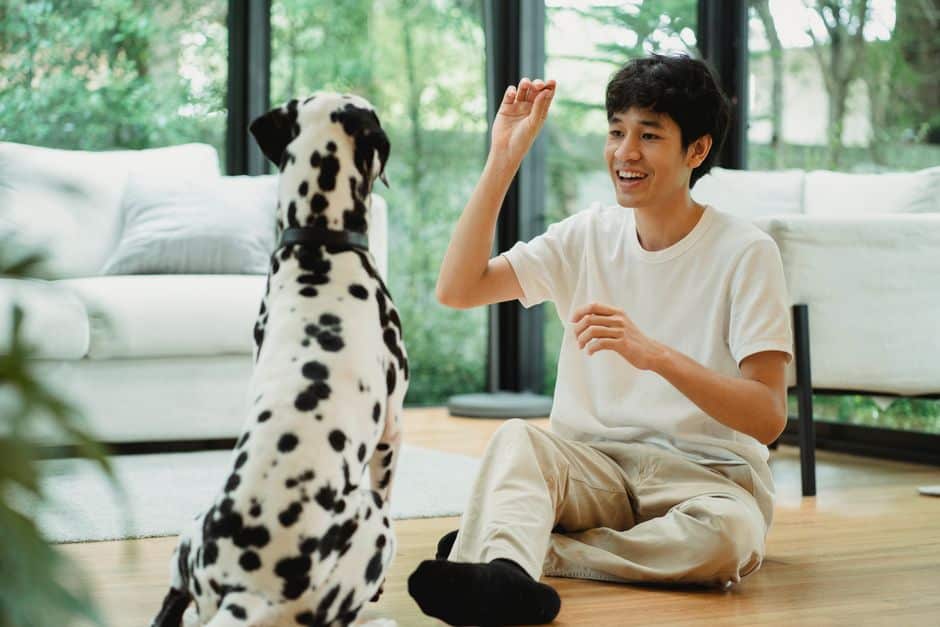
Teach your puppy that their name means “look at me, good things are coming.” Use luring guiding your pup with a treat to draw their focus toward you. This one skill makes everything else easier.
Sit and Wait
Introduce basic impulse control with luring or capturing. This is the foundation for calm, polite behavior around food, doors, and excited guests.
Potty Training
Start the moment your puppy comes home. A consistent routine helps your puppy understand when and where to go.
Crate Training
Introduce the crate as a safe, cozy den never a punishment zone. Pair crate time with positive experiences and high value treats so your pup learns to love their space.
Leash Skills
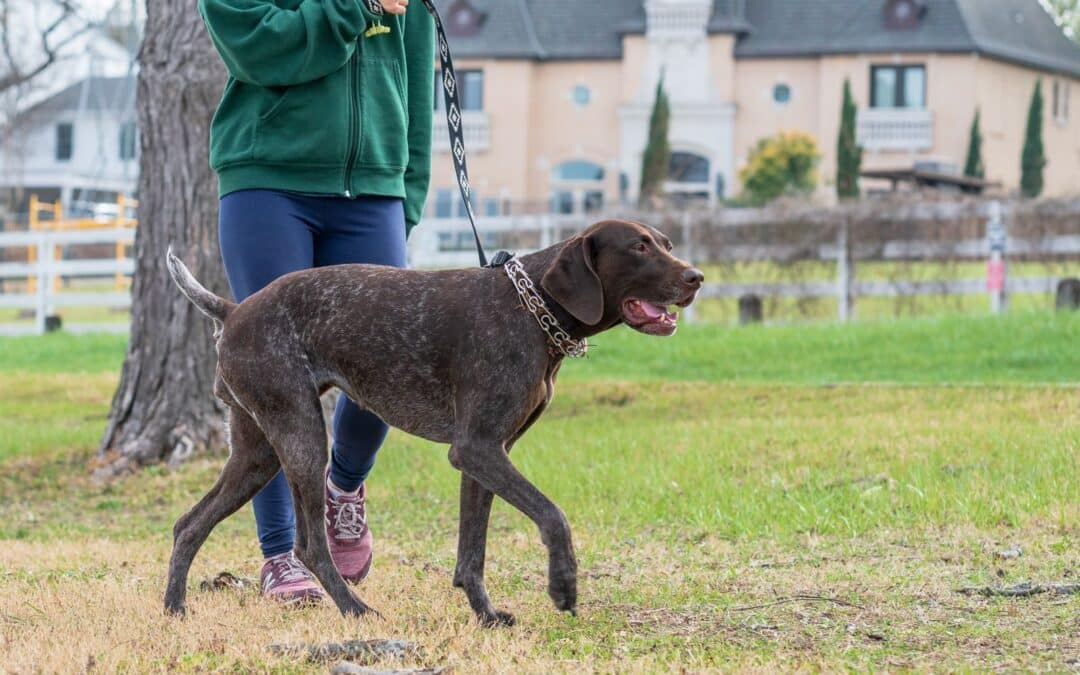
Teach your puppy that calm walking is simply part of everyday life, not a tug of war. Early leash work pays off big when your dog is full grown.
Biting and Chewing
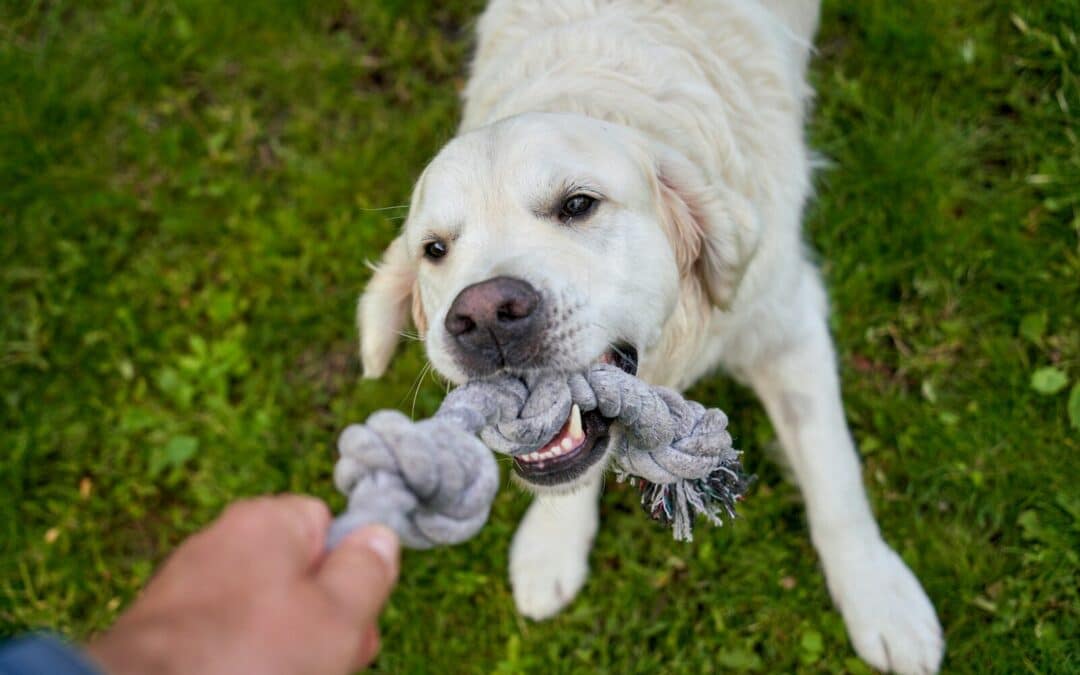
Redirect those needle teeth toward appropriate toys instead of your hands and furniture. Puppies explore the world with their mouths your job is to give them the right target, especially if you want to protect things like your couch and apply training strategies to keep dogs off furniture.
Jumping
Reward four paws on the floor and ignore the launch at your knees greeting. Consistency from every household member is key here mixed signals create a confused pup.
Tools That Help
A clicker can mark the exact moment your puppy performs the right behavior, making your timing more precise and your communication crystal clear. Think of it as a tiny “yes!” that speaks your puppy’s language.
Nail these basics early, and you’ll prevent most of the frustrations I hear about every single week.
What Dog Training Classes Are Best for Young Puppies?
Training classes help puppies learn basic skills while getting controlled socialization with other dogs and people. But which type fits your pup? Let’s compare.
Group Classes and Puppy Kindergarten
Puppy kindergarten and socialization classes are most valuable for puppies eight weeks and older. Group classes typically meet for six consecutive weeks, covering skills like leash manners, basic obedience commands, and polite greetings. If you’ve got a social pup and enjoy a structured setting, group classes are a great choice.
Private Training and Lessons
Private training shines for puppies with specific behavior concerns or families who want more individualized guidance. It’s also ideal for busy schedules I come to you, in your home, where the real-life challenges actually happen, whether you’re in Alexandria or looking for Ruff House Dog Training in Stafford, VA. That means we work with your household’s routines, dynamics, and goals directly.
How to Choose the Right Training Classes
The best option depends on your puppy’s temperament, your household, your schedule, and your goals. And here’s a secret: there’s no shame in mixing approaches. Many families start with private lessons and move into group classes as their pup builds confidence.
There’s no single “right” class only the right fit for your pup and your life.
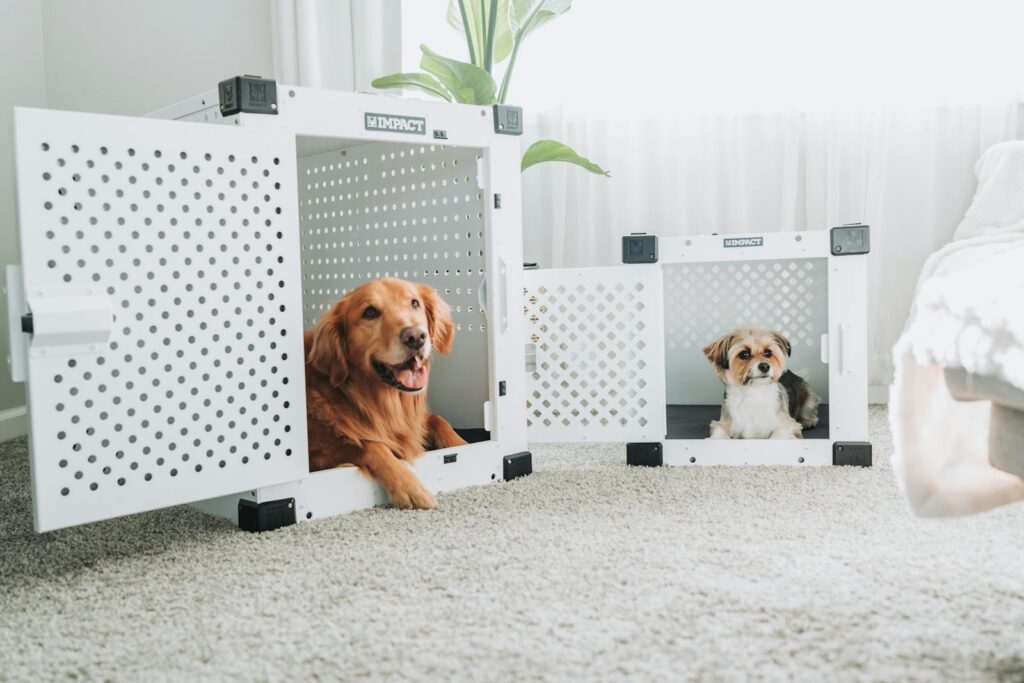
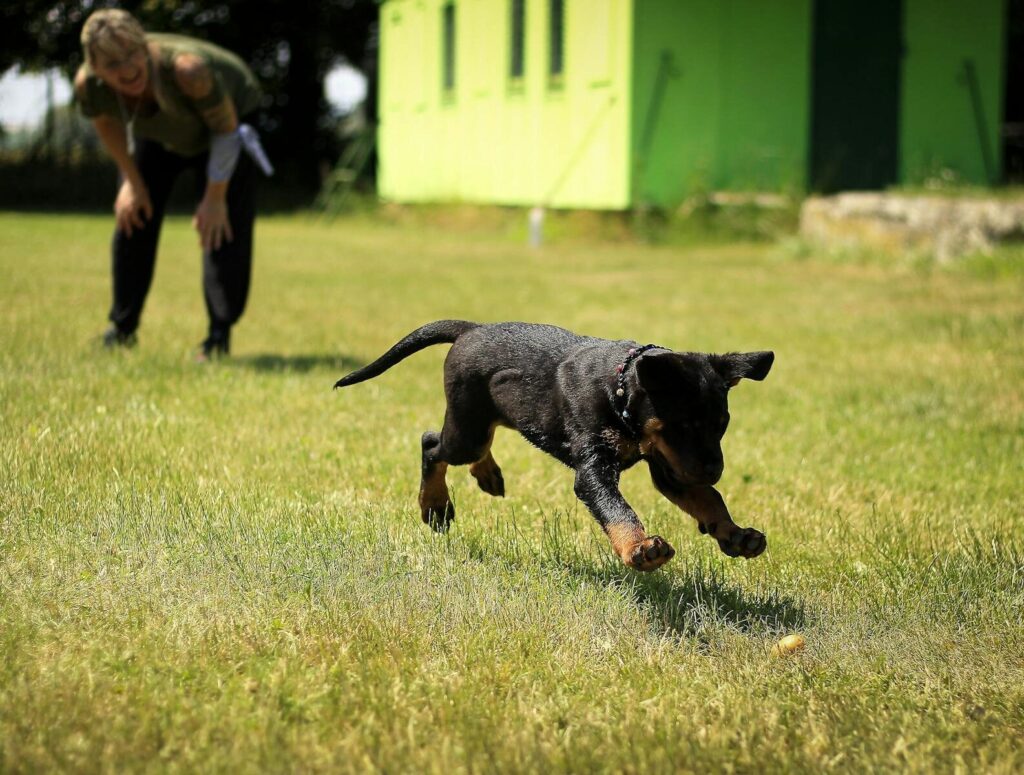
Photo by Impact Dog Crates on Pexels
Potty Training and Crate Training: Start With the Basics
The cardinal rule of potty training? Start the day your puppy comes home. Waiting only gives accidents time to become habits. Remember, puppies do not grow out of accidents on their own ongoing accidents at 12 weeks will continue at 12 months without a consistent plan.
Building a Predictable Potty Training Schedule
Your puppy thrives on predictability, so build a routine around these moments:
- After meals
- After naps
- After play sessions
- Right before bedtime
A consistent schedule helps your puppy understand when and where to eliminate. Consistency really is everything.
Skip the Potty Pads
Tempting as they are, avoid using potty pads for training. They teach your puppy that going indoors is acceptable, which makes the transition to outdoor potty habits much harder later.
Making Crate Training Work
Introduce the crate as a safe, comfortable den, not a consequence. Pair crate time gradually with positive rewards and high value treats. Done right, a crate builds routine, reduces destructive behavior, and gives your puppy a secure spot to rest and process learning.
Environment Management During Training
Limit your puppy’s unsupervised access to the home to prevent mistakes before they happen. Environment management isn’t a shortcut it’s a smart strategy that sets your pup up to succeed instead of practicing bad habits.
What to Do When Accidents Happen
Stay calm and consistent. Punishment teaches fear, not bladder control. Clean thoroughly to remove odor using methods that eliminate dog pee smell and residue, then adjust the schedule not your temper.
Simple Tips You Can Try Today
- Take your puppy to the same outdoor spot each time.
- Reward the moment they finish, not when you walk back inside.
Potty training and crate training aren’t about willpower they’re about routine, management, and patience.
What Dog Treats Are Best for Training?
Not all treats are created equal when you’re training. Reach for small, soft, easy to chew treats you can deliver quickly during a session, so your puppy stays focused and doesn’t stop to crunch.
When to Use High Value Treats
Break out the good stuff think chicken, cheese, or diced meat when you’re introducing new skills, working around distractions, or creating positive experiences during socialization. These “paydays” tell your pup a hard task was worth it.
When Regular Kibble Works Just Fine
For easy practice in a quiet environment, some pups happily work for their normal kibble, especially early in training. Save the fancy stuff for the tough moments.
Luring and Capturing
These two techniques do a lot of the heavy lifting:
- Luring: Using a treat to guide your puppy into a desired position or behavior.
- Capturing: Rewarding your puppy the instant they naturally do something you like no guidance needed.
Both are valuable. Use whichever the moment calls for.
Keeping Treats Healthy
Count treats as part of your puppy’s daily food intake so you don’t end up with a chunky pup. Trim their regular meals a little on heavy training days.
The best treat is the one your puppy will happily work for without wrecking their diet.
What Do Professional Dog Trainers Use as Treats?
Ever wonder what’s in a pro’s treat pouch? The honest answer: a variety of treats, chosen based on the dog, the skill level, and the environment.
Matching Reward Value to the Challenge
I use higher value rewards for tough, brand new, or distraction heavy behaviors, and lower value rewards for skills a dog already knows well. Matching the reward to the difficulty keeps your puppy motivated without overdoing it.
Tools That Sharpen Timing
A clicker marks the exact moment your puppy does the right thing before the treat even arrives. That precise timing builds faster, clearer learning.
Why the Treat Isn’t the Real Secret
Here’s what most people miss: timing, consistency, and clear communication do the heavy lifting. The treat is just the paycheck. Puppies learn by repeating the behaviors that earn rewards, so the cleaner your communication, the faster your pup figures out what works.
A pocket full of treats won’t train your dog. How and when you use them will.
Should You Use Treats When Training a Dog?
“Am I just bribing my dog?” I hear this one a lot. The short answer is no not if you use treats the right way. Positive reinforcement is best practice for puppy training because it makes learning clear, fun, and rewarding for both of you. Puppies learn by repeating effective behaviors, and treats give them a clear signal that they made a good choice.
Treats Are a Tool, Not a Lifelong Crutch
As skills become reliable, you’ll gradually fade the food reward and replace it with other forms of reinforcement. You won’t be carrying cheese in your pocket forever, I promise.
Rewarding Beyond Food
Mix in praise, toys, playtime, and life rewards like a walk or access to the yard. Variety keeps training interesting and reduces reliance on food, and some families find that the best dog training books for owners give them even more ideas for non-food rewards and games.
Teaching the “Why,” Not Just the Bribe
The real goal is a strong bond of trust, where your puppy understands why a behavior earns a reward. That’s what makes good behavior stick long after the treats fade.
Keep It Consistent Across the Household
Everyone in your home should use the same cues and reward the same behaviors. Mixed messages confuse your pup and slow progress so get the whole family on the same page.
Treats start the conversation, but a strong bond of trust keeps it going.
What Is the 7-7-7 Rule for Dogs?
You may have seen the “7-7-7 rule” floating around online. Let’s clear up what it actually means.
The Concept Behind 7-7-7
It’s a commonly discussed socialization guideline that encourages early, varied positive experiences exposing your puppy to different surfaces, sounds, people, places, and challenges while they’re young and impressionable.
What Actually Matters
Here’s the important part:
- Puppies are most receptive to socialization between 7 and 14 weeks. The window doesn’t slam shut at 7 weeks, but earlier is better.
- Socialization should include a variety of people, animals, sounds, surfaces, and environments to build a well rounded, adaptable dog.
- Quality of exposure beats quantity. One calm, positive experience is worth more than five rushed, overwhelming ones.
Treat It as a Guideline, Not a Checklist
Think of 7-7-7 as a helpful nudge, not a rigid rulebook. Don’t panic about ticking every box. Watch for stress signals yawning, lip licking, a tucked tail, or shutting down and give your puppy space when they need it.
Safety During Socialization
Once again, avoid high risk public areas until your puppy is fully vaccinated. Controlled, lower risk environments are still plentiful and just as valuable.
Aim for good experiences at a pace your puppy can handle not a race to check boxes.
When Should I Get Extra Help With Puppy Training?
Some challenges are perfectly normal, and some are a sign it’s time to bring in a pro. How do you tell the difference?
Signs It’s Time to Reach Out
- Excessive biting, fear, or barking that isn’t improving
- Resource guarding or reactivity toward people or other dogs
- Ongoing accidents well past the early weeks
- Persistent stress signals during training, like repeated yawning, lip licking, or disengaging, or excessive whining that signals stress or anxiety
Why Early Help Makes Everything Easier
Addressing concerns now prevents bigger, harder to fix problems later. Small issues are always easier to work through than deeply ingrained habits and getting ahead of them saves you time, money, and stress.
How Ruff House Can Help
I offer flexible options for every stage and situation:
- 90 Minute Miracle: A focused session that jump starts immediate improvements with practical, take home tools.
- 6-Week Obedience: A structured program that builds lasting routines, meeting consistently so skills compound over time.
- Custom Programs: Tailored plans for puppies with unique needs, complex behaviors, or households that want a more personalized roadmap.
Asking for help isn’t failing it’s the fastest path to a calmer home.
No judgment just real solutions. Schedule your session and let’s tackle it together.
Training Your Puppy for Real Life
Your puppy sits like a champ in your quiet living room but what happens when the doorbell rings or a squirrel darts by? Real world reliability is a different skill, and it’s the one that actually makes daily life easier.
Start Simple, Then Build
Begin every new skill in a low distraction environment. Once your puppy is solid there, gradually raise the challenge. Rushing this step is one of the most common training mistakes I see.
Practice Around Real Distractions
Work your pup’s skills around visitors, kids, other dogs, and new environments. Real world reliability is built through real world practice, not living room repetitions alone.
How Consistency Builds Real World Skills
Everyone in the household needs to use the same cues and expectations. Inconsistency is one of the biggest reasons training stalls. Repeated, consistent practice across different settings is what makes behaviors truly transfer to everyday life.
Setting Realistic Goals
The goal isn’t a “perfect” dog. It’s a dog who understands how to make good choices in your home, on your walks, and out in the world.
A dog who behaves everywhere is built through practice everywhere.
Why Choose Ruff House Dog Training in Alexandria?
When you’re trusting someone with your newest family member, you deserve a real partner. Here’s what sets Ruff House apart:
- Veteran-owned and locally operated a real person and partner, not a franchise.
- Customized programs built for your dog and household, never a one size fits all script.
- Practical solutions for the real problems happening in your home, on your walks, and in your daily life.
- Approachable coaching with structure, humor, and honesty no false promises, no gimmicks.
- Over 400 happy clients across the DMV. As one recent client put it: “Ryan doesn’t just train your dog, he teaches you dog language. Improved communication means improved behavior!”
- Unlimited post session support call me anytime issues pop up, even after your program ends.
- Flexible options for every stage, from the quick-impact 90 Minute Miracle to six week obedience and fully custom plans.
When you train with Ruff House, you’re not just hiring a trainer you’re gaining a local partner who’s in it for the long haul.
Start Your Puppy’s Training Today
Let’s bring it all together. Start training the day your puppy comes home, teach the most important skills first, use treats and positive reinforcement wisely, socialize early and thoughtfully, and practice for real life. Simple, consistent, and doable.
Remember, puppy training is a journey, not a one time class. Every puppy learns at their own pace, and with consistency, rest, and the right support, progress is inevitable. That chaotic little chewer really can become the calm, confident companion you dreamed of I’ve seen it happen more than 400 times.
Ready to swap the chaos for calm? Schedule Your 90 Minute Miracle Now or Start Your Dog’s Transformation Today. Your future well mannered dog is waiting.