If walking your dog feels like being dragged behind a tiny, very determined sled dog, you’re in good company. I meet owners every week whose shoulders ache, whose dogs lunge at every squirrel, and whose “relaxing evening stroll” has turned into a daily wrestling match.
Leash pulling is one of the most common challenges I see. The good news? It’s very fixable but it does require patience and consistency from you as the owner. At Ruff House Dog Training, I focus on practical leash training for dogs that holds up in the real world: on busy sidewalks, at park entrances, and when the neighbor’s cat decides to make a guest appearance. A dog that only walks nicely in your living room doesn’t help much.
Good leash training does more than stop the pulling. It provides structure and clear expectations for your dog, builds trust and respect between you and your dog, and strengthens your bond in ways that go well beyond the walk itself. When you show your dog what’s expected and reward them for getting it right, they learn to look to you for guidance and that’s where the real connection starts.
Whether you have a new puppy or an adult dog with years of pulling under their collar, this guide covers (and pairs well with the best dog training books to deepen your skills):
- Why leash training matters for safety and your relationship with your dog
- The right gear to start with, and what I’d leave in the closet
- Step-by-step loose leash walking techniques
- How to use treats the smart way (and what trainers actually use)
- Common mistakes that quietly undo your progress
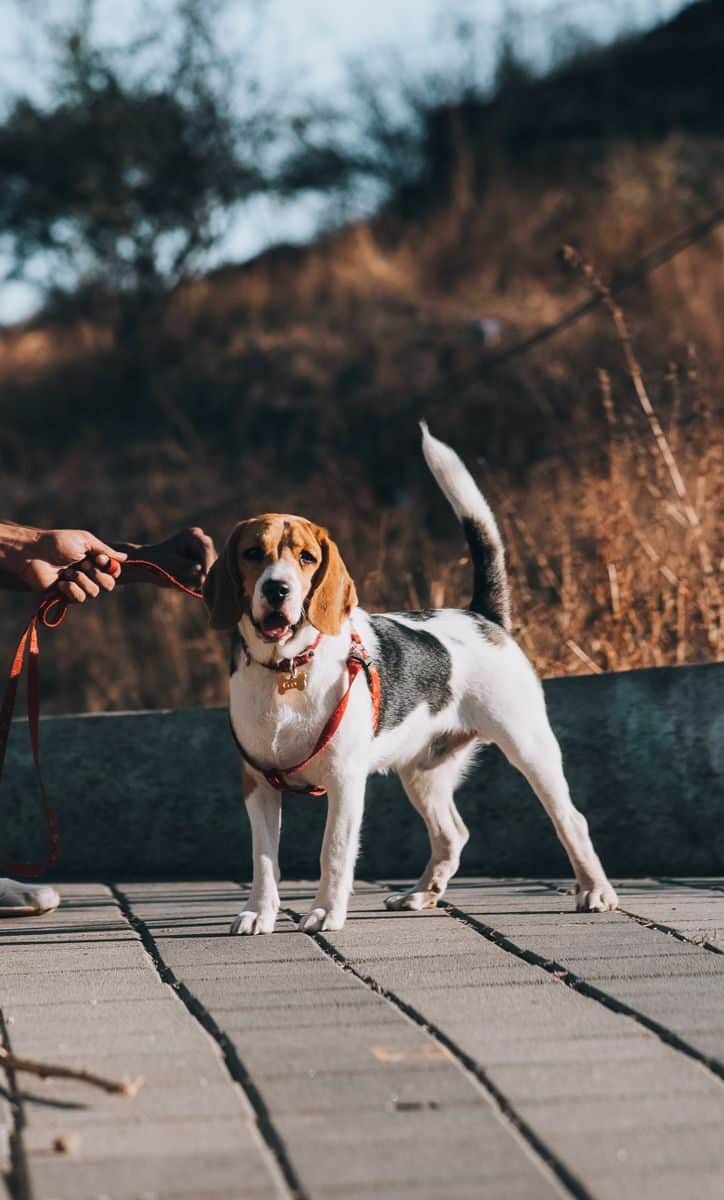
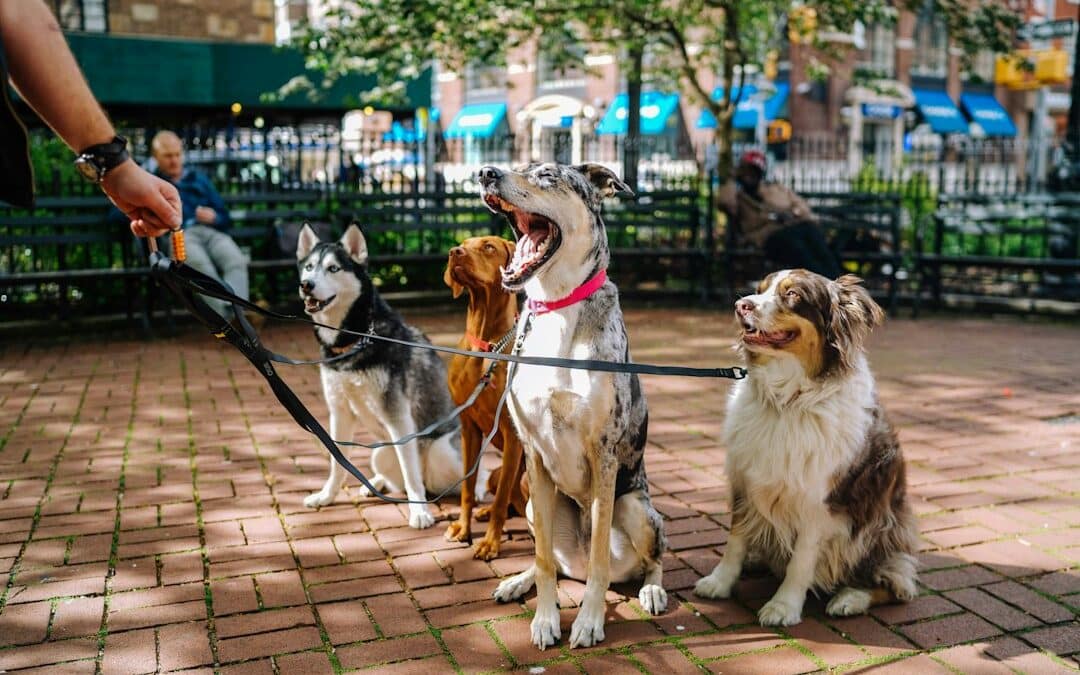
Photo by Aniket Suryawanshi on Pexels
Why Leash Training for Dogs Is Important
A leash is more than a rope between you and your dog. It’s a line of communication. When your dog understands how to walk on it, every outing becomes safer and calmer.
Here’s what good leash training gives you:
- Safety: A dog who isn’t lunging toward traffic, other dogs, or that half-eaten sandwich on the curb is a dog who stays out of trouble.
- Control: You can guide your dog past distractions without needing forearms like a lumberjack.
- Communication: Your dog learns to check in with you instead of treating you like optional luggage.
- Bond: Dogs learn to trust and respect their owners through the consistent structure leash training provides. That trust pays off on every walk.
- Confidence: Dogs feel more secure when they know what’s expected and so do their humans.
Most leash problems show up as pulling, barking, lunging, or getting distracted by every person, dog, or squirrel within a three block radius. These behaviors aren’t your dog being “bad.” Usually, your dog has simply learned that pulling works. They pull, they move forward, they reach the good stuff. From their point of view, that’s a winning strategy.
Loose leash walking changes that. When you keep the leash slack and reward your dog for staying near you, pulling stops being a useful tool. Your dog gets to enjoy the walk, and so do you. Building these habits early also helps prevent bigger behavior challenges down the road, like leash reactivity or frustration-fueled barking.
Quick takeaway: Leash training isn’t about control for its own sake. It’s about building communication, trust, and a walk you both actually enjoy.
How to Start Leash Training for Dogs
Before you hit the sidewalk, set yourself up for success. Good gear and a calm start make everything easier.
Choose the Right Leash, Harness, and Collar
Using a high-quality leash and collar or harness is essential for effective leash training. The right setup won’t train your dog for you, but the wrong one can make training much harder.
Start with these basics:
- A comfortable, secure harness or a properly fitted collar. Collars should be snug enough that your dog can’t slip out, with room for about two fingers underneath. A harness should fit without rubbing behind the front legs.
- A standard, fixed-length leash. A four- to six-foot leash gives you solid control during early practice without keeping your dog jammed against your leg.
- Gear that fits your dog’s size, behavior, and environment. A 15-pound puppy on quiet suburban streets needs something different from an 85-pound adult dog navigating crowded city blocks.
Not sure what’s right for your own dog? That’s a perfectly normal question. Equipment choices depend on your dog’s strength, temperament, and walking habits, and a trainer can help you sort through the options.
Why I Avoid Retractable Leashes During Training
I get asked about retractable leashes all the time. My honest answer: avoiding retractable leashes during training is one of the smartest choices you can make, and here’s why.
- They reward pulling. The leash extends when your dog pulls, which teaches them that pulling gets them farther and faster.
- The tension is inconsistent. There’s always a little pressure on the line, so your dog never learns what a truly slack leash feels like.
- They reduce your control. If your dog bolts toward a car or another dog, reeling them back in is slow and unreliable.
Avoiding retractable leashes during training helps prevent reinforcing pulling behavior — one of the most common mistakes I see owners make without even realizing it. Once training is solid, retractable leashes may have a place for some dogs in open, low-risk areas. Early on, though, they send mixed signals.
When a Longer Leash Makes Sense
A longer leash such as a 15- to 20-foot training line can actually improve a dog’s emotional behavior and provide better sniffing opportunities in open, safe spaces. Sniffing is mentally enriching for dogs, and giving them room to explore on a long line during designated sniff time can reduce overall stress and restlessness. Just keep long-line work separate from your loose leash walking practice. Neighborhood walks work best with a standard leash and clear, consistent expectations, while indoor dog parks offer a safe place for extra exercise and training.
Introduce Your Dog to the Leash Early
One of the most effective things you can do is introduce puppies to leashes as early as a few weeks old. Early exposure helps puppies see the leash as a normal, positive part of life rather than something strange or stressful.
For a new puppy or a rescue who hasn’t worn much gear, take it slow:
- Let your dog explore the leash and harness in a calm environment. Allow sniffing and investigating before you clip anything on.
- Reward relaxed behavior. When your dog stays calm while you put on the harness, offer praise or a small treat.
- Practice inside the house or in a quiet backyard. Clip the leash on, wait for your dog to settle, then walk a few steps around the room.
- Keep sessions short — five to ten minutes. Short training sessions are more effective for dogs than marathon practices. Five minutes of success beats 30 minutes of frustration every single time.
Think of this stage as laying the foundation. You want your dog to see the leash and think, “Great things happen when this comes out.”
Teach Prerequisite Skills Before You Head Outside
Before you can work on loose leash walking, your dog needs a few foundational skills. Teaching prerequisite skills for effective leash walking will make everything else click faster.
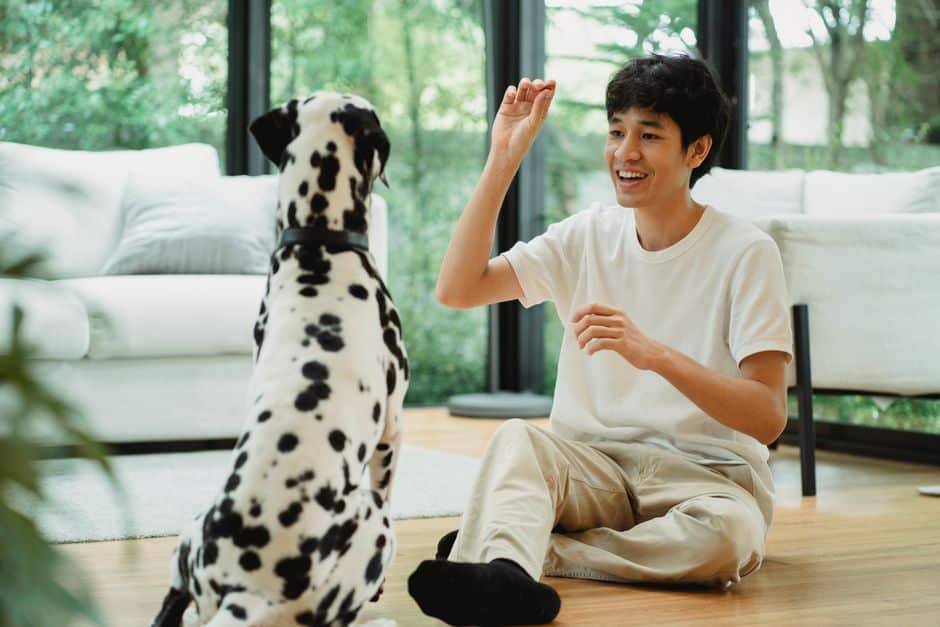
- Name recognition: Say your dog’s name in a happy tone and reward when they look at you. A dog who responds to their name is a dog you can redirect.
- Sit and wait: Practice these cues indoors before you head out the door. If your dog can’t hold a sit in a quiet hallway, the sidewalk will be tough.
- Voluntary check-ins: When your dog glances back at you on their own during practice, mark it and reward generously. This is gold.
- Calm door manners: Before every walk, ask your dog to sit and wait at the door. Only open it when they’re calm. You’ve just taught them that composed behavior — not bouncing off the walls — is what starts the walk.
Consistent patterns matter here. Same cues, same expectations, every time. Dogs thrive on predictability, and that predictability is what helps them understand what you expect as your environments change.
Loose Leash Walking: How to Stop Your Dog From Pulling
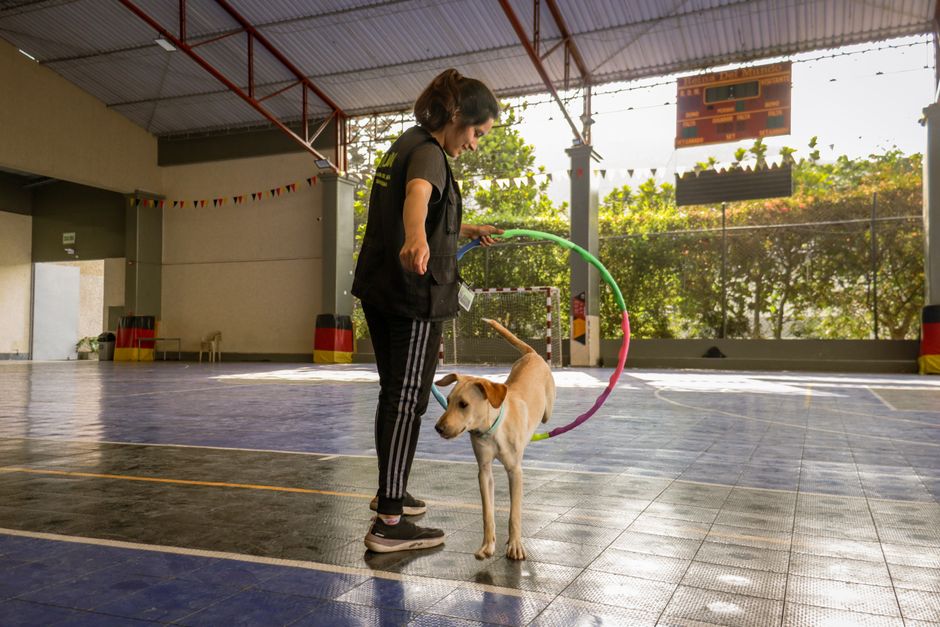
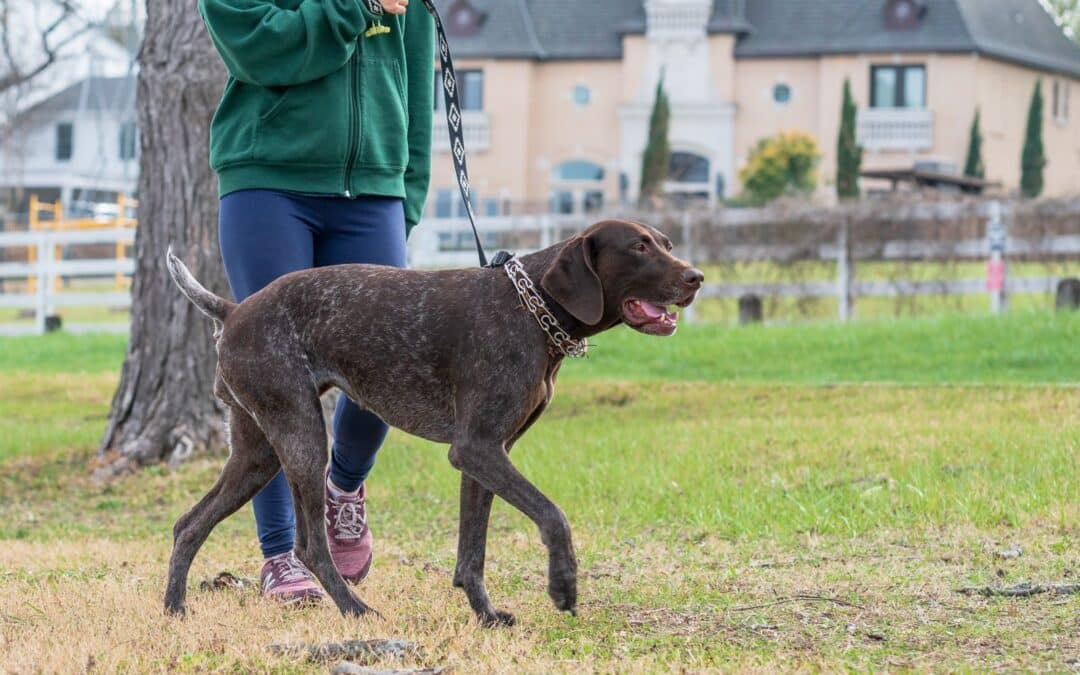
This is where the real work happens. Loose leash walking simply means your dog walks near you without constant tension on the leash. It doesn’t require a perfect competition heel just a relaxed, slack leash and a dog who’s paying attention to you.
Establish a Reinforcement Zone
One of the most practical techniques I use is establishing a reinforcement zone right beside my leg. By consistently delivering treats at my hip, I give the dog a clear target: walking close to my left side is where the good stuff happens. Over time, your dog starts gravitating toward that spot because it pays well.
Here’s how to build it:
- Use small, high-value treats. High-value treats help keep dogs engaged during leash training sessions, especially in the early stages. Tiny pieces of chicken, cheese, or soft commercial training treats all work well.
- Reward immediately and at your leg. The moment your dog is walking beside you with a slack leash, deliver the treat right next to your thigh. Timing and placement matter — reward three seconds late and your dog may think they’re being paid for sniffing a fire hydrant.
- Reward frequent check-ins. When your dog glances up at you mid-walk, that’s a check-in. Reward it every time in the beginning. Frequent check-ins and rewards during walks keep your dog focused on you rather than everything else going on around them.
- Don’t demand perfection. A relaxed leash and a dog walking close to you is a big win. You don’t need a military parade.
Reinforce loose leash walking with treats and praise, and your dog will start to seek out that position on their own.
The “Be a Tree” Technique: What to Do When Your Dog Pulls
Every dog will pull at some point, especially early on. The “Be a Tree” technique is one of the clearest ways to communicate that pulling won’t work.
- Stop moving the moment the leash goes tight — as long as it’s safe to do so. Plant your feet. Become a very boring, very immovable tree.
- Wait for the tension to release. The moment your dog eases back, turns toward you, or the leash goes slack, reward them and start walking again.
- Change direction if the pulling continues. Turn and walk the other way, or move farther from whatever has their attention.
- Skip the leash jerks and yelling. These tend to add frustration and turn walks into a battle of wills and nobody wins that fight.
The key is consistency. If pulling sometimes gets your dog closer to what they want, they’ll keep trying. When keeping the leash slack is always what moves the walk forward, your dog figures that out quickly.
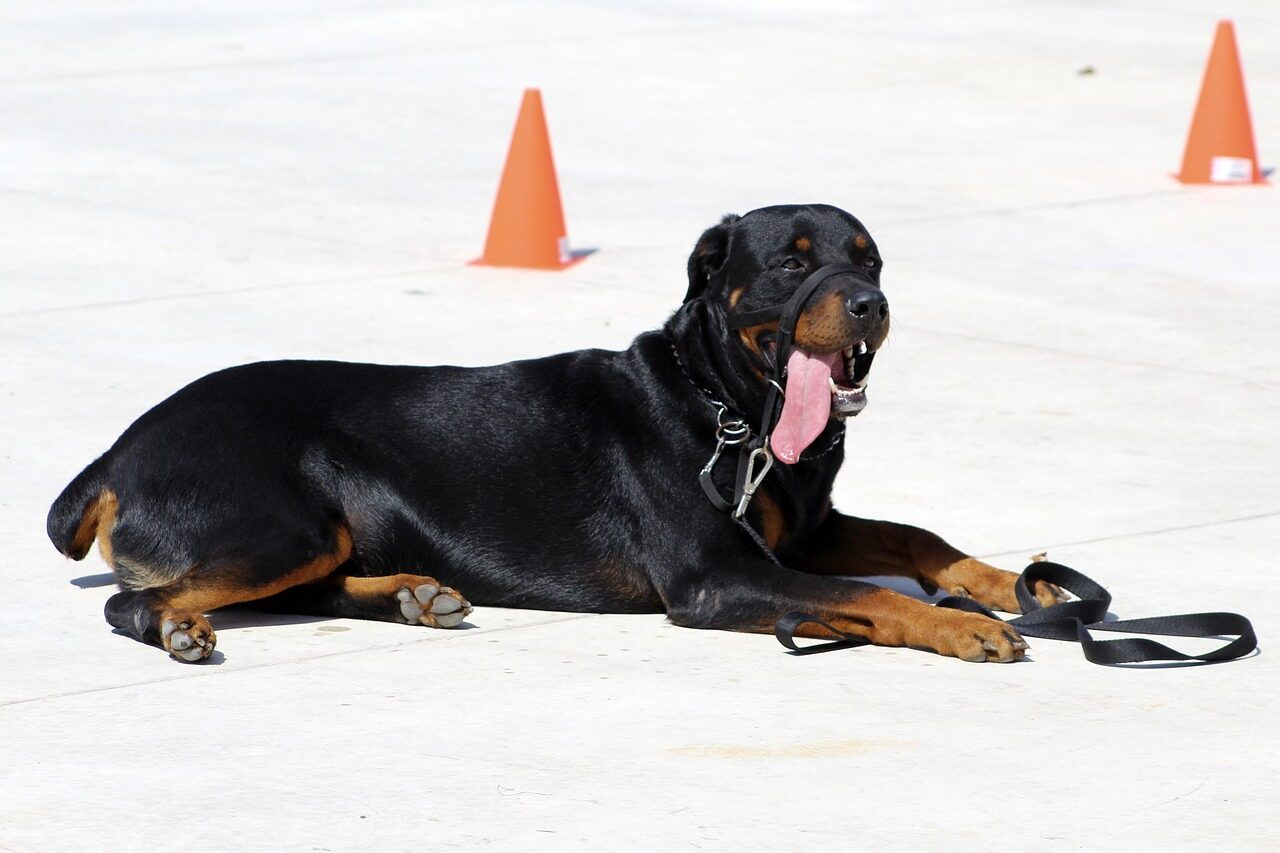
Photo by andrescarlofotografia on Pixabay
Practice in a Low-Distraction Environment First
Dogs should be trained in a low-distraction environment before moving to busier areas. Your hallway, backyard, or a quiet side street is the right place to start — not the dog park.
- Start simple. Get loose leash walking feeling reliable in a calm setting before raising the stakes.
- Gradually increase distractions. Move to busier sidewalks, then parks, then areas with other dogs as your dog improves. Gradually increasing distractions during training helps dogs learn to focus in varied environments without becoming overwhelmed.
- Create distance when needed. If your dog starts barking, lunging, or getting overwhelmed during an encounter, step farther away. Distance makes focus possible.
- Reward check-ins around distractions. A glance back at you near another dog deserves a jackpot reward.
- Maintain consistency across environments. Consistency in training techniques across different environments helps dogs understand expectations better. If the rules change depending on where you are, your dog won’t know what’s expected.
Progress takes practice, patience, and realistic expectations. Some days will feel like two steps forward and one step back. That’s still forward.
Quick takeaway: Keep the leash slack, reward the behavior you want, use the “Be a Tree” technique when pulling happens, and build up distractions slowly and deliberately.
Leash Training for an Adult Dog and Older Dogs
One of the most common things I hear is, “My dog is five. Isn’t it too late?” Not at all.
Adult dog leash training is absolutely possible, even if pulling has been a habit for years. Dogs learn through consistent routines and reinforcement at any age. The difference is that an adult dog has practiced pulling many, many times, so you’re replacing an established pattern rather than building one from scratch.
Here’s how to approach it:
- Expect some unlearning. Your dog has a strong habit. Be patient as they figure out the new rules. Remember, leash training requires patience and consistency from you — especially when working against ingrained behavior.
- Manage excitement. Many adult dogs pull because walks are the highlight of their day. Calm starts at the door make a big difference.
- Start with short, manageable walks. Short, successful outings beat long, frustrating ones. Build up distance and difficulty over time.
- Stay consistent across the household. If one family member lets the dog pull and another doesn’t, the dog gets mixed messages and training stalls. Consistency in training techniques across everyone in the home is just as important as consistency across environments.
For older dogs, adjust training to match their comfort, mobility, and energy levels. Senior dogs may tire faster or have joint stiffness, so keep sessions shorter and choose softer, easier-to-chew treats. If your dog seems uncomfortable, sore, or has started biting you during handling or walks, check in with your veterinarian before increasing activity.
I’ve worked with plenty of dogs who pulled for years and learned to walk calmly once their owners had a clear plan and stuck with it. Age is rarely the real obstacle; inconsistency usually is.
What Dog Treats Are Best for Training?
Treats are a great way to encourage good behavior during leash training for dogs. The right reward can help your dog learn faster, stay focused, and enjoy loose leash walking. Whether you’re training a new puppy, an adult dog, or older dogs learning new patterns, choose treats that are easy to eat and keep your dog motivated.
What Do Professional Dog Trainers Use as Treats?
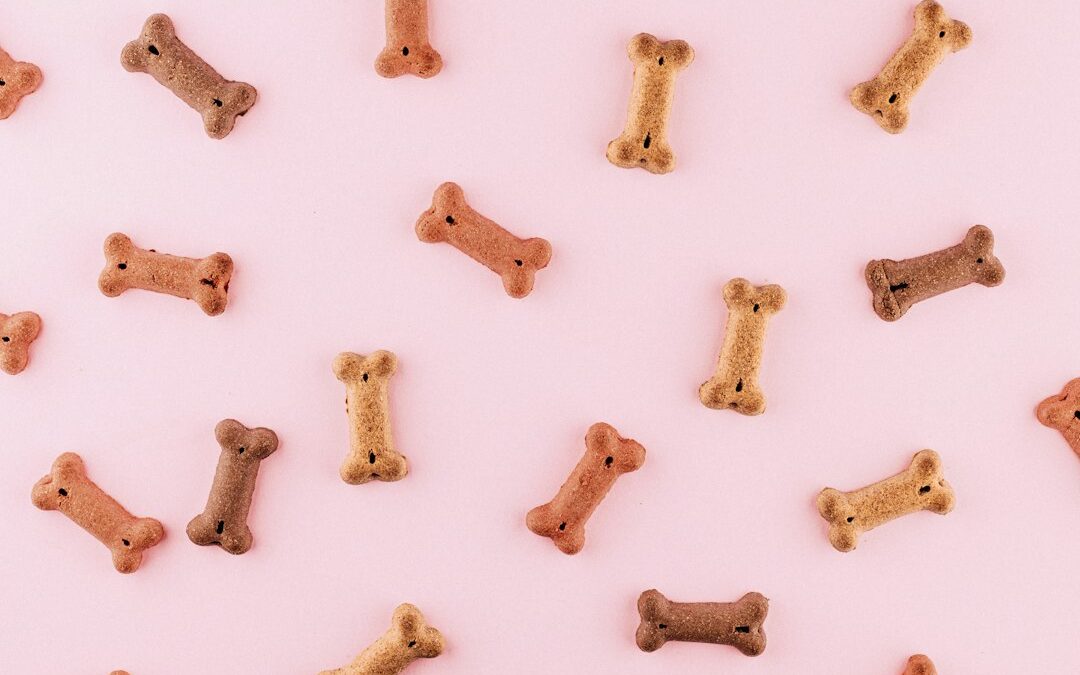
When we train a dog, we look for treats that are small, soft, and high-value. Tiny pieces of plain cooked chicken, freeze-dried meat, string cheese, or dog-safe commercial training treats work well. Your dog’s regular food may also be enough in a quiet environment, while bigger distractions may call for something more exciting.
During practice, reward your dog immediately for walking closer, checking in, or keeping the leash loose. This positive reinforcement helps teach your dog which behavior earns a reward. Keep treats small, account for extra food, and avoid anything unsafe for dogs.
Additionally, choose rewards your own dog enjoys, whether that’s treats, praise, or a favorite toy. The key is to make training fun, build patience, and encourage your dog to follow your lead without turning every walk into a fight. With the right leash, a comfortable harness or collar, and consistent practice, you can build better walking habits that eventually make everyday adventures more enjoyable.
Should You Use Treats When Training a Dog?
Treats are a great teaching tool, especially when your dog is learning something new. They help reinforce loose leash walking and build positive associations with the leash, the harness, and walking beside you.
That said, treats aren’t required for every dog or every session. Some dogs are more motivated by praise, play, or a favorite toy. Over time, you can blend in other rewards, like:
- Verbal praise and an enthusiastic voice
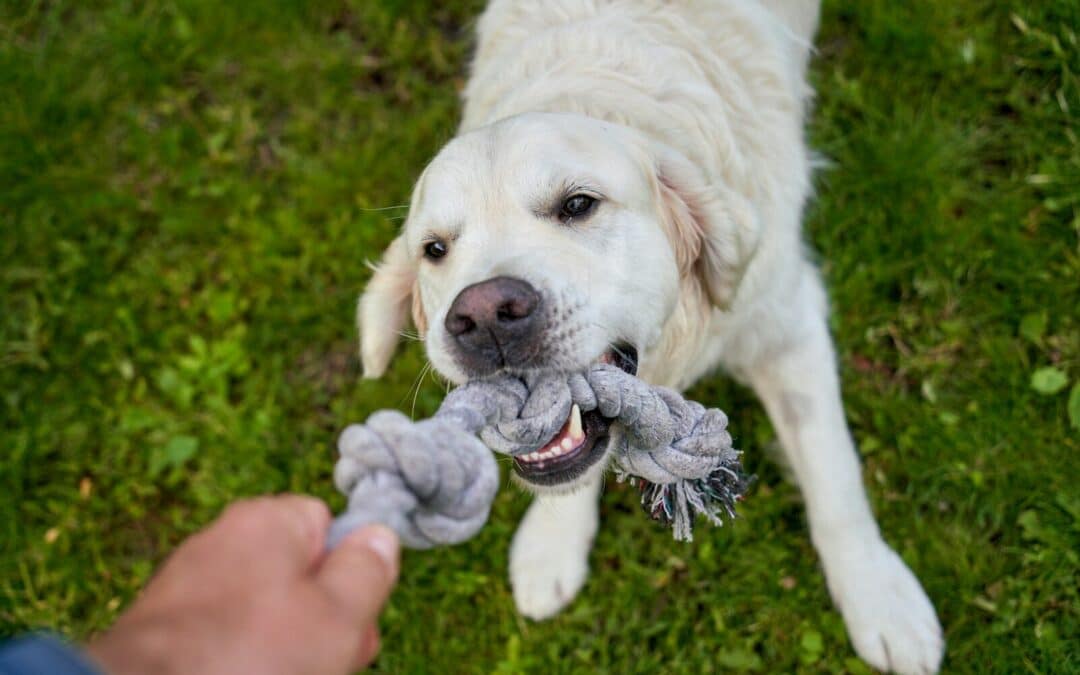
- A quick game of tug
- Permission to sniff an interesting spot (a great built-in reward during walks)
- Continuing the walk forward as a reward for checking in
There’s an important difference between rewarding and bribing. A reward comes after your dog does the right thing. A bribe gets waved in front of their nose to convince them to listen. Reinforce loose leash walking by rewarding the behavior after it happens, and your dog will start offering it on their own.
What Is the 7-7-7 Rule for Dogs?
The 7-7-7 rule is an informal puppy socialization guideline. It encourages exposing puppies to a variety of experiences different surfaces, people, places, sounds, and situations often in sets of seven.
Versions of the rule vary, and it isn’t a scientifically established formula or a leash training requirement. Think of it as a helpful reminder to give your puppy a broad, positive view of the world during their critical developmental window.
What matters most is safe, positive, age-appropriate exposure. Since puppies can be introduced to leashes as early as a few weeks old, early socialization and leash introduction can go hand in hand. Overwhelming a puppy with too much too fast can backfire, so keep early experiences calm and rewarding. Talk to your veterinarian about vaccinations and safe socialization options before taking your new puppy into busy public spaces.
Common Leash Training Mistakes to Avoid
Even dedicated owners slip into habits that quietly undo their progress. If any of these sound familiar, don’t worry they’re all fixable.
Expecting Your Own Dog to Master It in One Session
Loose leash walking is a skill, not a switch. Short training sessions of five to ten minutes, repeated consistently, will get you much further than one long, exhausting outing. Celebrate the small wins and trust the process.
Starting With Too Many Distractions
Jumping straight into a crowded park is like learning to drive on the highway. Dogs should start in a low-distraction environment, then move to busier areas as their skills improve. Gradual exposure is the key.
Using Retractable Leashes Too Soon
Relying on retractable leashes before your dog understands loose leash walking reinforces pulling and muddies your communication. Stick with a standard, fixed-length leash until your dog reliably keeps the leash slack.
Accidentally Rewarding Pulling
If your dog pulls toward another dog and you follow along, you’ve just paid them for pulling. Stop, use the “Be a Tree” technique, wait for the leash to go slack, and then move forward. Only forward motion on a loose leash gets rewarded.
Repeating Commands Without Follow-Through
Saying “heel, heel, HEEL” teaches your dog that the first two don’t count. Give a cue once, then help your dog succeed.
Skipping Practice
Training happens on every walk, not just during formal “training time.” Consistency is what turns new behavior into lasting habit. If the rules change depending on who’s holding the leash or where you’re walking, your dog will stay confused.
Forgetting That Learning Takes Time
Dogs need repetition to build new patterns. Leash training requires patience and consistency from the owner — on the good days and the messy ones. Some walks will be great. Some will be works in progress. Both are part of the process.
How We Help Dogs and Owners Master Leash Training
Every dog and every household is different. A busy family with a teenage Lab has different needs than a first-time owner with an anxious rescue. That’s why I don’t use cookie-cutter plans. I focus on practical solutions built around your dog’s behavior, your goals, and your daily routine — because leash training can and should be a fun bonding experience for you and your dog, not a daily source of stress.
As a veteran-owned, local business serving the DMV, Ruff House Dog Training brings structure, honesty, and a good dose of humor to every session. Here’s how I can help:
- 90-Minute Miracle: A focused session to tackle specific challenges like leash pulling and give you practical tools you can use right away.
- 6-Week Obedience Program: Structured training that builds consistency, strengthens communication, and covers the everyday behaviors that make life with a dog genuinely easier.
- Custom Training: Personalized support for more complex situations, including reactivity, dogs that bite their owners, and difficult walking behaviors.
- Unlimited Post-Session Support: Questions don’t stop when the session ends. You can reach out whenever something comes up which is rare among trainers and franchises.
I’ll be straight with you: there are no guarantees in dog training. Much like going to the gym, you get out of it what you put in. If you stay consistent with the tools I give you, you’ll see real, lasting change. That’s what over 400 happy clients across the DMV have experienced — many of whom started out feeling like their dog was walking them.
Enjoy Better Walks With Your Dog
Leash training isn’t about having a perfectly obedient dog every second of every walk. It’s about building trust, creating structure and clear expectations, and enjoying time together without constant pulling and frustration. When you keep the leash slack, reward the right behaviors, and stay consistent across environments, your dog learns that walking beside you is the best deal going.
Here’s what you can do this week:
- Swap any retractable leash for a standard four- to six-foot leash.
- Practice loose leash walking indoors or in a quiet backyard before heading to busier areas.
- Use the “Be a Tree” technique — stop the moment the leash goes tight, and reward the moment it loosens.
- Keep sessions short — five to ten minutes — and make them fun.
If you’d like hands-on help, I’m here for you — no judgment, no false promises, just real solutions that fit your life and your dog, whether you’re working on leash manners or keeping your dog off the couch at home.