Picture this. You step out for a peaceful stroll down a brick sidewalk in Georgetown. Coffee in hand, leash in the other, feeling like you’ve got it all together. Then your dog spots a squirrel. Suddenly your calm companion transforms into a furry freight train, and you’re water skiing behind them past the storefronts. Sound familiar?
If your dog pulls like they’re training for the Iditarod, you’re not alone. I’ve helped over 400 clients across the DMV go from chaotic walks to calm ones, and I promise you this: pulling is a fixable problem, not a life sentence.
Leash training is about so much more than getting your dog to walk beside you. It teaches communication, attention, and self control. Georgetown’s busy streets pile on plenty of distractions too, from pedestrians and other dogs to traffic, bikes, and a buffet of new smells on every corner. That’s a lot for any pup to handle.
Here’s what you’ll learn in this guide:
- Why your dog pulls (and why yanking back makes it worse)
- My simple, step by step method for loose leash walking
- The truth about treats, gear, and timelines
My approach is practical and real-world: structure, patience, rewards, and clear communication. Treats help, but they’re only one piece of the puzzle.
End the Barking, Chewing, and Chaos Start Your Dog’s Transformation Today.
What Is Leash Training?
Let’s keep it simple: leash training teaches your dog how to walk politely while connected to you. Many dogs are comfortable wearing a leash or harness, but that doesn’t mean they automatically understand how to walk without pulling. Just like any other skill, good leash walking takes practice, patience, and clear communication.
When I start walking with a dog, I want to build the dog’s attention and encourage them to stay close without expecting them to remain glued to my side. A successful walk means your dog can follow your direction, respond when they hear a cue, and remain calm around distractions. If your pup gets excited, I teach them to check in with me rather than immediately pulling toward whatever catches their eye.
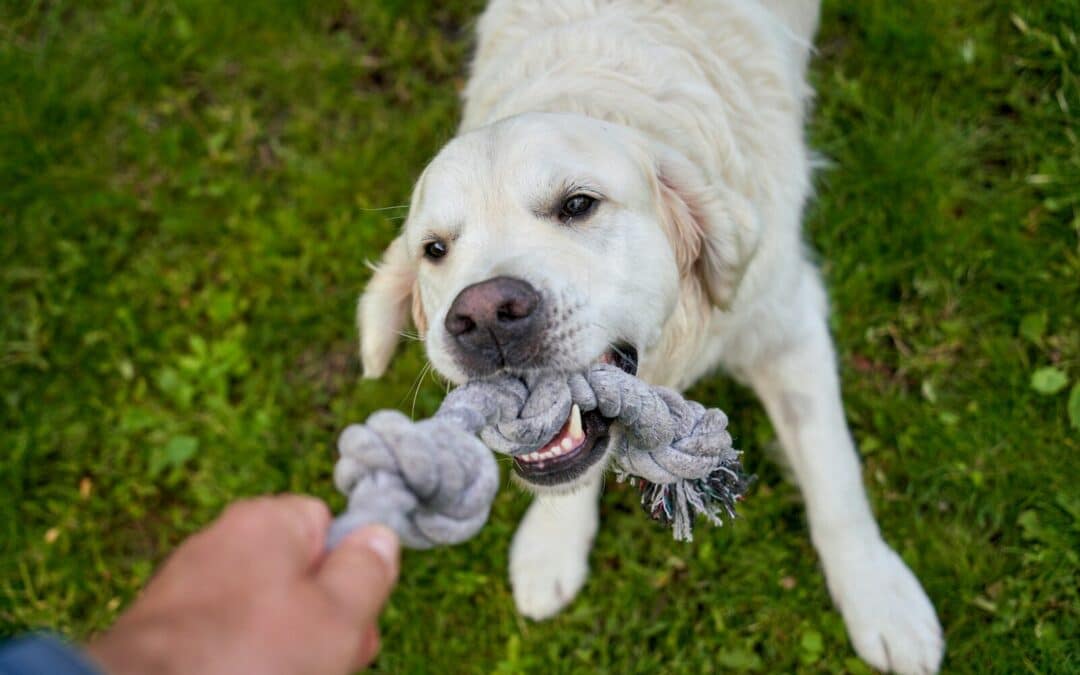
I also want dogs to have opportunities to sniff, explore, and enjoy their surroundings. The key is finding a balance between freedom and control. If your dog starts pulling, avoid getting frustrated or turning the walk into a tug-of-war. Instead, stop, change direction, or drop back to an easier exercise your dog can understand.
At home, you can pick a quiet place to practice before introducing busier streets. Split training into short sessions, watch your dog’s body language, and eventually build toward more challenging environments, including safe, climate-controlled indoor dog parks where your dog can practice around new sights and sounds without overwhelming distractions. This approach helps your dog learn that staying connected with you is a rewarding part of every walk.
The goal: Leash training isn’t about perfect obedience every second. It’s about teaching your dog when to walk with you, when to explore, and how to enjoy walks together without the constant pulling.
Loose Leash Walking: Why Does My Dog Pull?
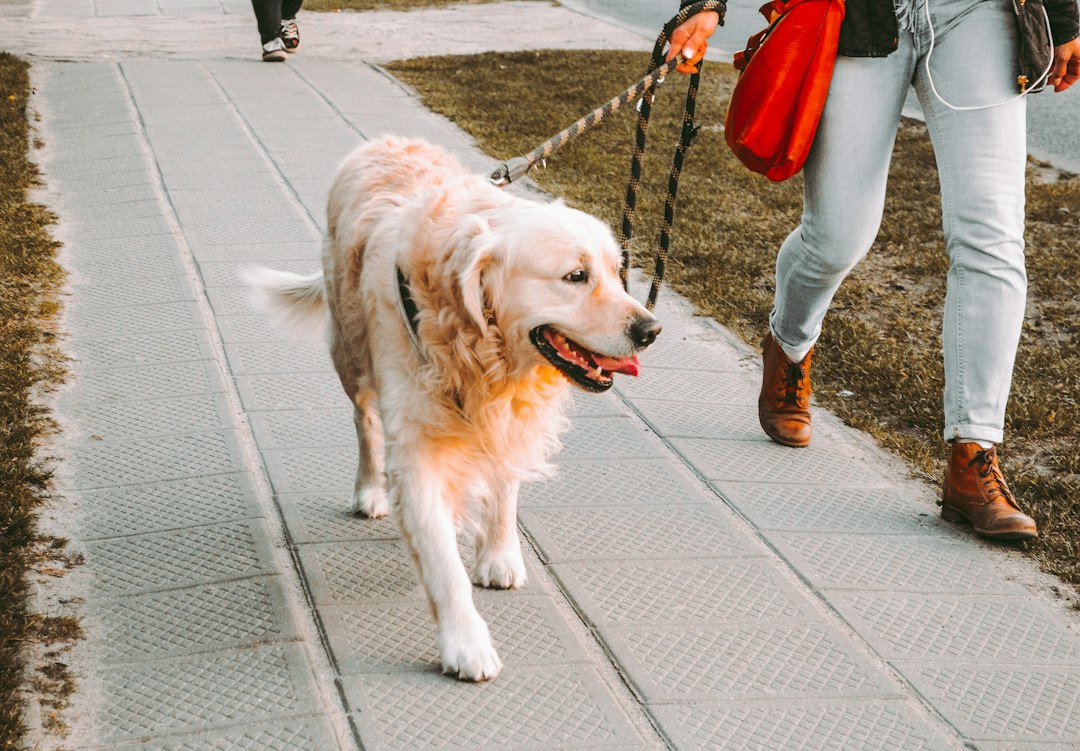
Dogs pull for plenty of normal reasons: they’re excited, want to sniff, see another dog, or have simply learned that pulling gets them where they want to go. That’s why I recommend starting leash training as soon as you bring your puppy home, and why many families benefit from professional puppy and obedience training to get things right from the start.
I like to begin indoors by introducing a collar or harness and creating positive associations. A lightweight 6-foot leash gives me better control during training, while retractable leashes can make teaching good habits harder. For larger puppies, a properly fitted front-clip harness can help reduce neck pressure if they pull.
I also teach dogs to check in with me at the end of the leash. When they look back or respond to their name, I reward them. Puppies may chew the leash at first, so I redirect them and keep practice short and positive.
Most importantly, I don’t want a constant tug of war. A loose leash means we keep moving, while pulling means we pause or change direction. With consistent practice, puppies can learn these skills quickly, especially around six months old.
Good leash training also makes walks and vet visits easier to manage while helping dogs learn calmer responses around people, dogs, and other distractions.
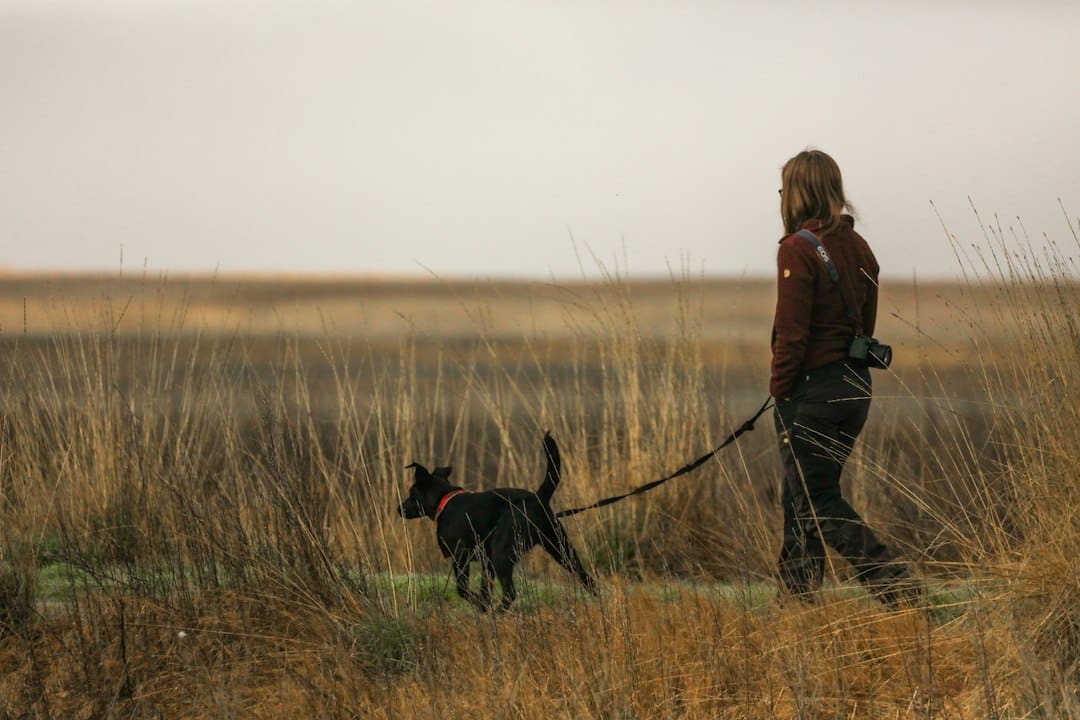
How I Teach Loose Leash Walking
This is my go to framework. Five steps, in order, building on each other. Take your time with each one, and remember that personalized dog training programs in the DMV can help you apply these steps to your specific dog and lifestyle.
1. Start With Attention
Before I expect any dog to walk politely, I make sure they’ll actually notice me. If your dog can’t give you attention standing still in your living room, they definitely can’t do it next to a food truck in Georgetown.
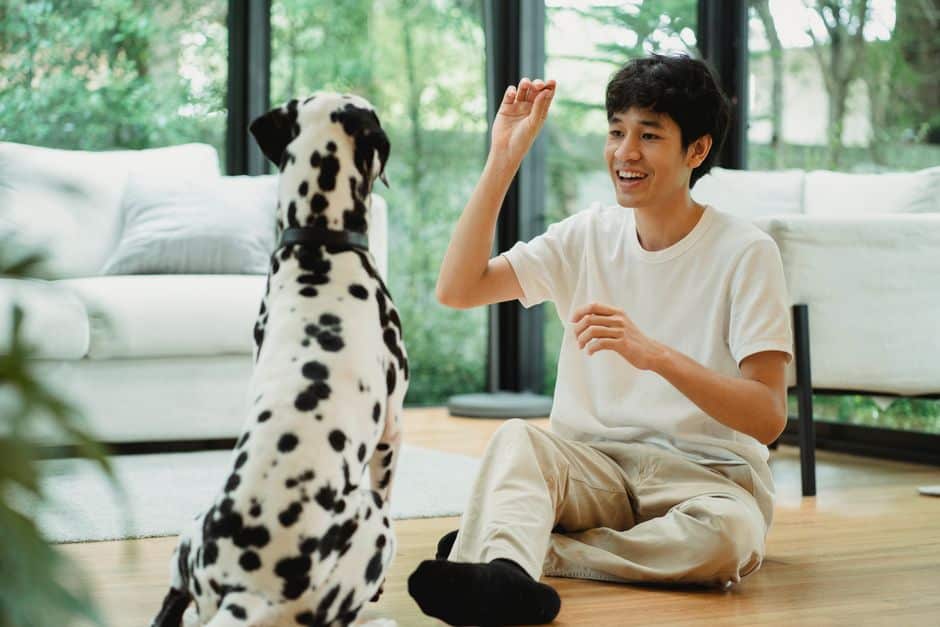
Start simple. Say your dog’s name, use a cue word, wait for eye contact, and reward it. Do this often. When your dog learns that checking in with you pays off, everything else gets easier. Attention is the foundation. Skip it, and the rest crumbles.
2. Reward the Behavior I Want
Dogs repeat what works for them. So I catch and reward the good moments. Any time your dog stays close or naturally creates slack in the leash, mark that moment (a clicker or a quick word like “yes” works great) and reward it.
Your rewards can be praise, treats, a bit of play, or access to something your dog wants, like that fascinating patch of grass. Timing is everything here. Reward within a second or two, or your dog won’t connect the reward with the right action. Reward too late, and you might accidentally praise the pull instead.
3. Stop Rewarding the Pull
Remember, pulling gets rewarded when it works. So we make sure it stops working. When the leash goes tight, don’t let your dog automatically reach the exciting thing.
Instead:
- Pause and stop moving forward
- Change direction calmly
- Wait for a better response
The second your dog reconnects with you and the leash loosens, the walk continues. This teaches a clear lesson: a tight leash gets you nowhere, but a loose leash keeps the adventure going.
4. Practice Direction Changes
A dog who chooses every direction is a dog in charge of the walk. I want your dog following you. So I practice easy turns, left, right, about-face, in a quiet, low-distraction area first.
When your dog learns to follow your lead in the calm of your yard or a quiet street, you’re building real communication and control. Then, and only then, do we bring those skills to a busier sidewalk. Master it easy before you attempt it hard.
5. Gradually Add Distractions
Here’s a truth that surprises a lot of owners: dogs don’t automatically know that skills learned at home apply everywhere. Your dog might be a leash walking genius in the kitchen and a total mess the moment a jogger appears.
So we build up slowly. Start somewhere easy, then gradually practice around:
- Other dogs
- People
- Cars
- New smells
- Parks
- Busy sidewalks
Patience matters. Each new distraction is a new level of difficulty. Add them one at a time, and your dog stays successful instead of overwhelmed.
What Dog Treats Are Best for Training?
Ask ten trainers about the “best” training treat and you’ll get eleven answers. The honest truth? The best treat depends on your individual dog. What lights up one pup leaves another totally unmoved, and many owners find it helpful to reference expert-recommended dog training books when learning how to use treats effectively.
That said, good training treats usually share a few qualities. Look for treats that are:
- Small, so they’re eaten fast
- Easy to chew, so your dog isn’t grinding away mid-walk
- Highly motivating, meaning your dog actually loves them
- Easy to carry in a pouch or pocket
- Not so large that your dog fills up after five reps
For everyday, low distraction practice, your dog’s normal food can sometimes do the job. But when you’re working around tough distractions, those extra special treats earn their keep. Think of the good stuff you save for hard moments, the reward that can compete with a squirrel.
The core principle: your reward has to be more valuable than the environment. If sniffing the sidewalk beats your treat, your treat isn’t cutting it.
What Do Professional Dog Trainers Use as Treats?
People assume trainers have some secret, magical treat locked away. We don’t. What we rely on is variety and good timing, not one miracle snack.
Here are options I reach for depending on the dog and the situation:
- Small soft training treats for quick, easy rewards
- Pieces of cooked meat like chicken or turkey for higher value
- Freeze dried treats that pack a strong smell and big appeal
- Kibble for simple, low-distraction practice
- Your dog’s absolute favorite food for the truly challenging moments
Notice I care far more about your dog’s motivation and the timing of the reward than the brand printed on the bag. A perfectly timed piece of chicken beats a poorly timed premium treat every time.
And let’s be real: the fanciest, most expensive treat in the world means absolutely nothing if your dog would rather sniff the sidewalk. Motivation is personal. Find what your dog will work for, just like you’d tailor your approach when teaching your dog to stay off the couch or any other household behavior.
Should You Use Treats When Training a Dog?
Short answer: yes. Treats are an effective, science backed training tool. But they are not the entire training method, and that distinction matters.
Rewards help your dog understand which behaviors earn something good. That’s the whole point. You’re building a clear line of communication: “Do this, get that.” Over time, your dog learns what you’re asking for.
Now, here’s the reassuring part for anyone worried about carrying a treat pouch forever. The long-term goal isn’t lifelong bribery. As your dog learns, you gradually build behaviors so they respond to cues, praise, play, environmental rewards (like getting to greet a friend), and simple routine.