I love dogs. But I’ll be honest with you: there’s a moment in almost every owner’s life when your sweet, cuddly companion turns your living room into a crime scene. Maybe it’s the shredded couch cushion. Maybe it’s the barking that makes your neighbors think you run a wolf sanctuary. Maybe your morning walk feels more like competitive water skiing.
If any of that sounds familiar, take a breath. You’re not failing your dog, and your dog isn’t broken. Most behavior problems can be addressed with the right plan, consistency, and clear communication. In this post, I’ll walk you through what dog behavior training really is, answer some of the questions I hear most often, and help you figure out when it’s time to bring in a professional dog trainer. Let’s turn that chaos into calm together.
What Is Dog Behavior Training?
Dog behavior training goes way beyond teaching your dog to sit for a cookie. When I work with a dog, I look at why they’re behaving a certain way and then build a practical plan to fix the root of the problem, not just the symptom.
At its core, behavior training is rooted in operant conditioning the idea that behavior is shaped by its consequences. Here’s how it breaks down:
- Positive reinforcement strengthens behavior by providing a desirable outcome (like a treat or praise). This is also called reward based training, and it’s the most effective approach I use.
- Negative reinforcement strengthens behavior by removing something unpleasant when the dog does the right thing.
- Positive punishment weakens behavior by introducing an unwanted consequence.
- Negative punishment weakens behavior by taking away something the dog values.
Veterinary behavior organizations broadly recommend reward based, non-punitive training methods and for good reason. Aversive training methods that rely on corrections can increase fear and anxiety in dogs, making behavior problems worse over time. I stick to humane, science backed techniques because they work and they protect the bond between you and your dog.
Dog behavior training can address issues like biting especially when you’re wondering, “why does my dog bite me?”:
- Nonstop barking
- Jumping on guests (and knocking over grandma)
- Chewing furniture, shoes, and anything within reach, and struggles like keeping your dog off of the couch
- Pulling on the leash
- Leash reactivity
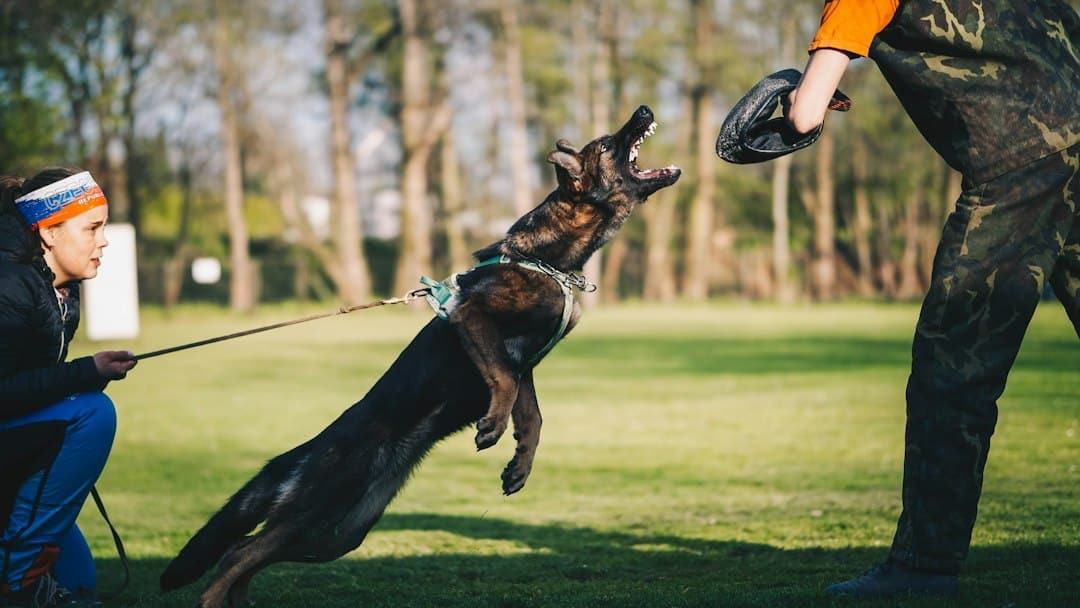
- Aggression toward people or other dogs
- Anxiety related behaviors, including excessive whining and vocalization
- Poor impulse control
- Struggles with obedience or socialization
My goal isn’t to stop an unwanted behavior for five glorious minutes. I want to help you truly understand your dog and build skills that actually hold up in real life.
Dog Training vs. Dog Behavior Training: What’s the Difference?
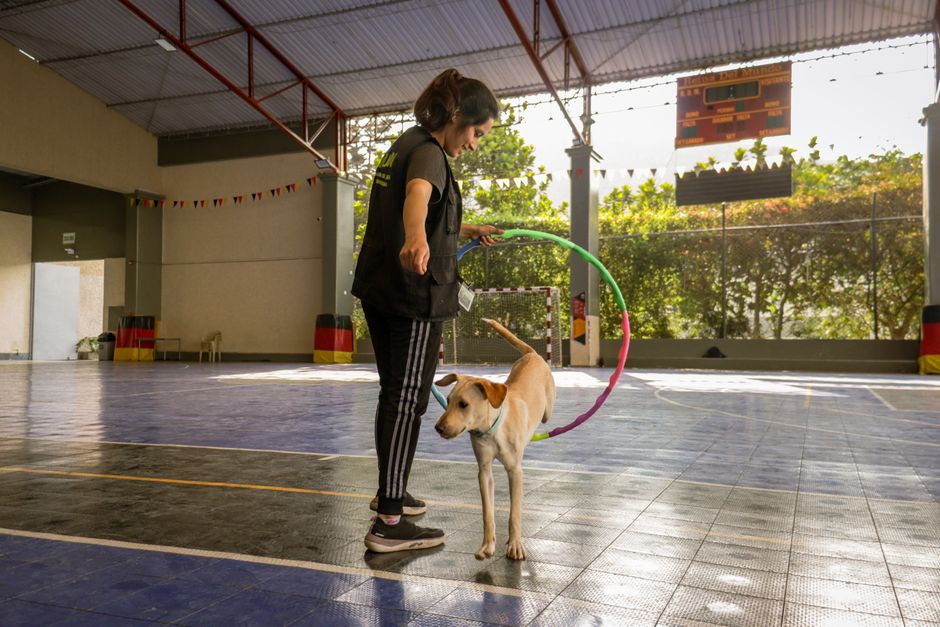
People often use dog training and dog behavior training interchangeably, but they’re a little different. Basic training teaches skills like sit, stay, come, place, loose-leash walking, and simple tricks to build good behavior.
Behavior training focuses on bigger challenges like reactivity, aggression, fear, barking, and destructive habits, including serious issues like a dog that bites their owner. These issues can happen at any age, and addressing them early can make training easier.
While videos, research, seminars, and online resources can offer helpful advice, every dog is different. What works for many dogs may not work for your pet. I can consult with you, identify the cause of the behavior, and create a practical plan.
Whether you’re beginning with a puppy or ready for advanced training, we’ll work as a team to improve communication and help your dog succeed, and you can deepen your understanding with some of the best dog training books to buy.
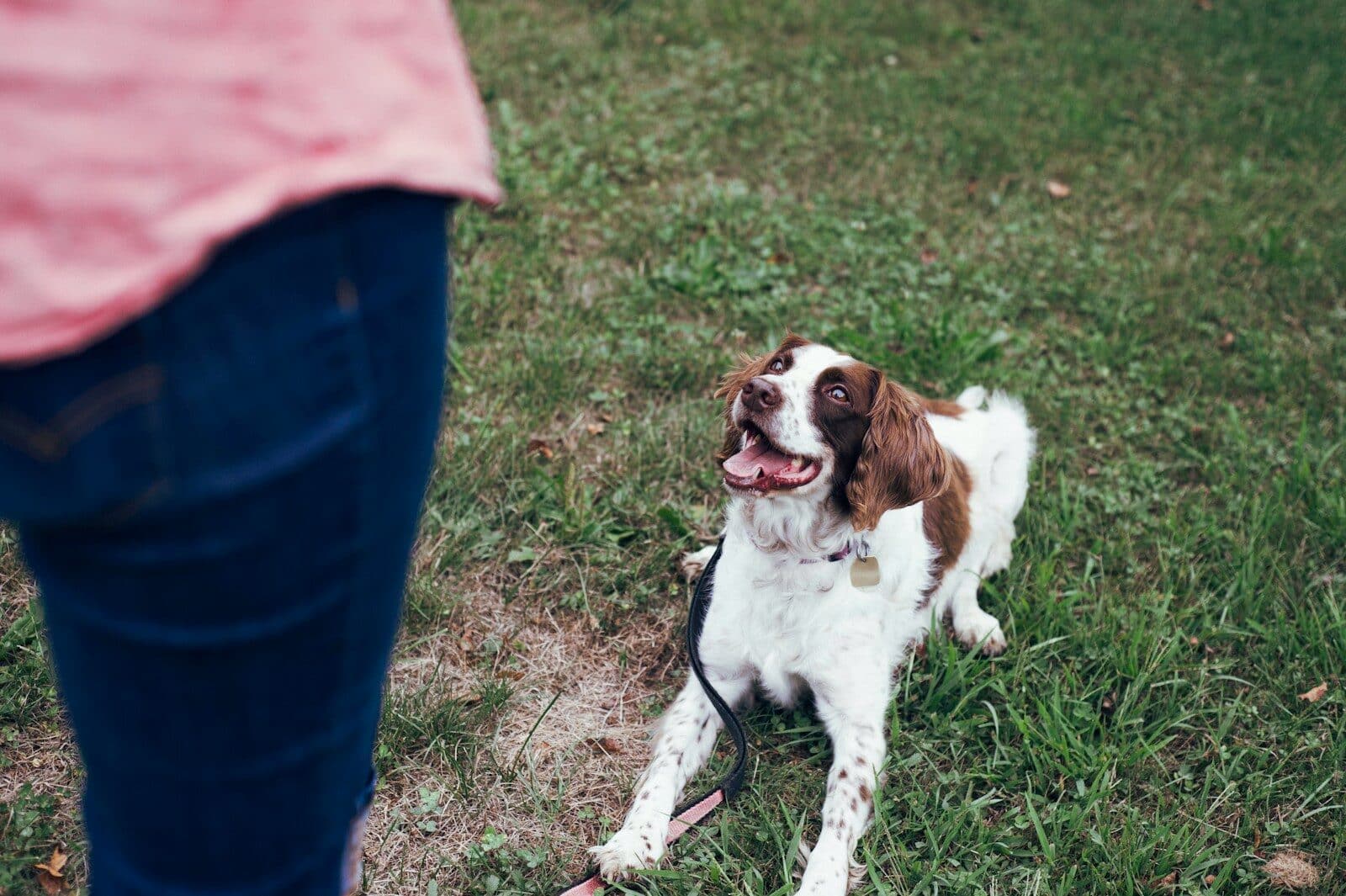
Photo by Destiny Wiens on Unsplash
Understanding How Dogs Learn
Before we dive into treats and clickers, let’s talk about something even more important: how dogs actually learn.
Dogs learn from their environment and their experiences immediately. They don’t sit around replaying mistakes from this morning. They respond to what’s happening right now, which is why clear, consistent communication is everything in training.
A few key techniques I use:
- Luring: Guiding your dog’s movement with a treat to teach a desired behavior. It’s one of the most beginner-friendly ways to introduce a new skill.
- Shaping: Instead of waiting for the perfect behavior to appear out of thin air, shaping rewards successive steps toward the goal. Each small win builds toward the bigger picture.
- Desensitization: Gradually exposing your dog to a trigger at a low, manageable intensity so they can learn to stay calm without being overwhelmed.
- Counter-conditioning: Pairing a trigger your dog reacts to with something they love, slowly changing their emotional response from fear or frustration to calm or even excitement.
- Management and prevention: Sometimes the smartest move is controlling the environment to stop the unwanted behavior before it happens. Baby gates, leashes, and structured routines are underrated training tools.
- Model-rival training: Using a rival or demonstration to show a dog the desired behavior. It’s less commonly discussed, but it can be surprisingly effective in the right situations.
Building trust also matters more than most people realize. A trusting relationship built through consistency, patience, and a positive training environment reduces behavior problems over time. Positive environments help dogs develop confidence, and a confident dog is a much easier dog to work with.

What Dog Treats Are Best for Training?
Ah, the great treat debate. Let me save you some time: there is no single magic treat that works for every dog. I choose rewards based on the individual dog, the training exercise, and the environment.
Good training treats should generally be:
- Small and easy to eat so your dog can chew and refocus fast
- Highly motivating enough to compete with distractions
- Easy to carry without turning your pocket into a disaster zone
- Appropriate for your dog’s diet (always check with your vet if you’re unsure)
- Worth it in your dog’s eyes, not just yours
For some dogs, tiny pieces of chicken or cheese are the jackpot. Others happily work for store bought training treats and a few would move mountains for their favorite toy. The key is finding what your dog genuinely considers worth working for.
One more tip: keep sessions short. Five minute training sessions are often more effective than long, exhausting ones. Dogs learn better with focused, consistent repetition over time than with marathon sessions that leave everyone drained.
What Do Professional Dog Trainers Use as Treats?
People often assume we trainers carry some secret, high tech snack in our pockets. Spoiler alert: there’s no mysterious “trainer treat” locked in a vault somewhere.
What I actually do is match the reward to the dog and the moment. A dog practicing a new skill in a quiet living room doesn’t need the same high value reward as a dog trying to stay calm around squirrels, strollers, and other dogs on a busy DMV sidewalk. The environment shapes what the reward needs to be.
I also pay close attention to the size and frequency of rewards. The goal is to keep your dog motivated, not to create a four-legged vacuum cleaner. Training should build focus not a food obsession.
Should You Use Treats When Training a Dog?
Yes treats are an incredibly helpful tool. But they’re not the only tool, and they shouldn’t carry the whole game plan.
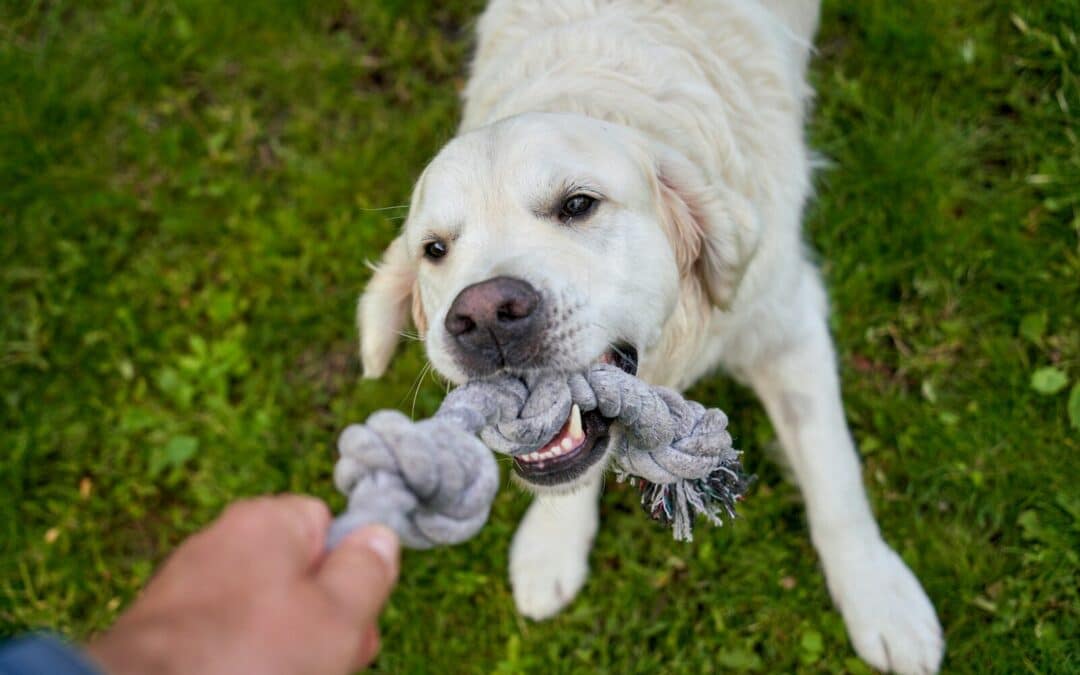
Food creates a positive association with a behavior, which encourages your dog to repeat it. That’s the heart of positive reinforcement training, and it works. But I also rely on praise, play, affection, toys, and clear hand signals to reinforce the behaviors I want to see.
Why the variety? Because the ultimate goal is communication. I don’t want your dog thinking, “I only listen when chicken magically appears.” I want your dog to understand what you’re asking and respond reliably treat or no treat. That’s the difference between bribing a dog and truly training one.
Using consistent commands and training methods also matters enormously. Dogs learn better when the cues are the same every single time. Switching words, signals, or approaches mid-training creates confusion and a confused dog is a dog that can’t succeed.
What Is the 7-7-7 Rule for Dogs?
You may have seen the 7-7-7 rule floating around online. It’s a popular guideline tied to puppy and dog socialization. The general idea is to expose your young dog to a variety of experiences early on, rather than letting their world stay small and sheltered.
That might include new people, surfaces, sounds, places, and situations during those important early weeks.
Here’s my honest take: socialization isn’t about checking off seven boxes on a list and calling it done. I focus on creating safe, positive experiences that teach your dog how to confidently navigate the real world. Quality matters every bit as much as quantity. A rushed or scary experience can do more harm than a dozen calm, happy ones.
Is Clicker Training Right for Every Dog?
Clicker training is a precise form of positive reinforcement. That little click tells your dog the exact moment they got it right followed immediately by a reward. Most working dogs are trained using positive reinforcement methods, and clicker training is one of the most effective ways to deliver that feedback clearly.
But do you need a clicker to succeed? Not necessarily.
- Some owners love clicker training and find the timing crystal clear.
- Others already have their hands full with a leash, treats, and a wiggly dog and one more gadget feels like too much.
What matters most is that your communication is clear, consistent, and something you can realistically maintain. The best method is the one you’ll actually stick to. And remember: clicker training, like all positive reinforcement training, requires time and patience to be effective. There are no overnight miracles just steady, consistent progress.
Does Positive Reinforcement Training Really Work?
Yes. It’s the most effective dog training method available, and the science backs it up.
When you reward the behaviors you want to see, your dog learns which choices lead to good outcomes. Over time, they start offering those behaviors on their own. Veterinary behavior organizations broadly recommend this approach precisely because it builds trust, reduces fear, and creates lasting results without the side effects that come with aversive methods.
But here’s where I’ll keep it real with you: effective training isn’t just handing out snacks and hoping for the best.
I combine rewards with:
- Structure that gives your dog clear expectations
- Consistency so your dog always knows what you’re asking
- Timing so the feedback lands at the right moment
- Boundaries that help your dog understand what’s acceptable
- Daily exercise because a tired dog is a focused dog physical activity is essential for learning and behavior
The goal is to teach your dog how to succeed, not simply bribe them into behaving.
When Should You Call a Professional Dog Trainer?
This is the big question—and the honest answer is: sooner than most people think.
I recommend considering professional help when your dog’s behavior is interfering with your daily life, or when you’re struggling to make progress on your own despite your best efforts.
That can include situations like:
- Your dog constantly pulls on walks
- Your dog reacts aggressively toward people or other dogs
- Barking is disrupting your household (and your sanity)
- Your puppy’s biting or chewing feels impossible to manage
- Your dog ignores commands despite consistent practice
- You’re nervous to have guests over
- Walks have become stressful instead of enjoyable
- You’re unsure how to safely address a behavior problem
You don’t have to wait until things reach a breaking point. Getting guidance early gives you the knowledge, tools, and structure to move forward confidently and it’s much easier to address a small issue before it becomes a big one.
How a Dog Trainer Can Help With Behavior Problems
When I work with a dog and their owner, I’m not just teaching commands. I’m looking at the entire relationship and the environment your dog lives in.
That means figuring out:
- What triggers the behavior
- What happens immediately before and after it
- How you’re responding and whether that’s reinforcing or discouraging the behavior
- Which training methods fit your lifestyle and your dog’s personality
- Where consistency may be breaking down
- How to build clearer communication between you and your dog
Every dog is different, which is why I don’t believe in cookie cutter training plans. A trusting relationship between you and your dog is the foundation everything else is built on and building that trust takes a consistent environment, clear expectations, and a whole lot of patience.
Dog Behavior Training for Real Life in the DMV
Life with a dog doesn’t happen in a perfectly quiet training room. You’re dealing with busy sidewalks, neighbors, kids, other dogs, visitors, traffic, and whatever else the day decides to throw at you and sometimes you may lean on options like an indoor dog park for safe exercise and socialization.
That’s why I focus on real world dog training for families and owners throughout Washington, D.C., Maryland, and Virginia, including dedicated services in Stafford, VA dog training. Whether you need help with basic obedience or a more complex behavior problem, my goal is to give you practical tools you can actually use at home and out in the world.
Why Choose Ruff House Dog Training?
At Ruff House, we’re a Veteran owned small business not a franchise. I’ve worked with more than 400 clients across the DMV and, through Ruff House Dog Training, understand that every dog and household comes with its own unique challenges.
I offer flexible options, including:
- 90-Minute Miracle – A jump start session that delivers immediate, actionable tools
- 6-Week Obedience – A structured program that builds lasting routines
- Custom Training Programs – Tailored solutions for complex or unique behavior challenges
- Unlimited post session support – Because behavior doesn’t always cooperate on a schedule
I combine structure, proven techniques, humor, and real-world experience to help owners understand their dogs and create lasting change. No judgment. No cookie-cutter solutions. Just practical, humane training built around you and your dog.
From Chaos to Calm—Let’s Do This
You don’t need to become a professional dog trainer to have a well behaved dog. You need the right knowledge, consistency, clear communication, a positive environment, and support from someone who’s been there.
If you’re dealing with barking, chewing, pulling, reactivity, aggression, or any other behavior problem that’s making life harder than it needs to be you don’t have to figure it out alone.
Because your dog won’t train himself.