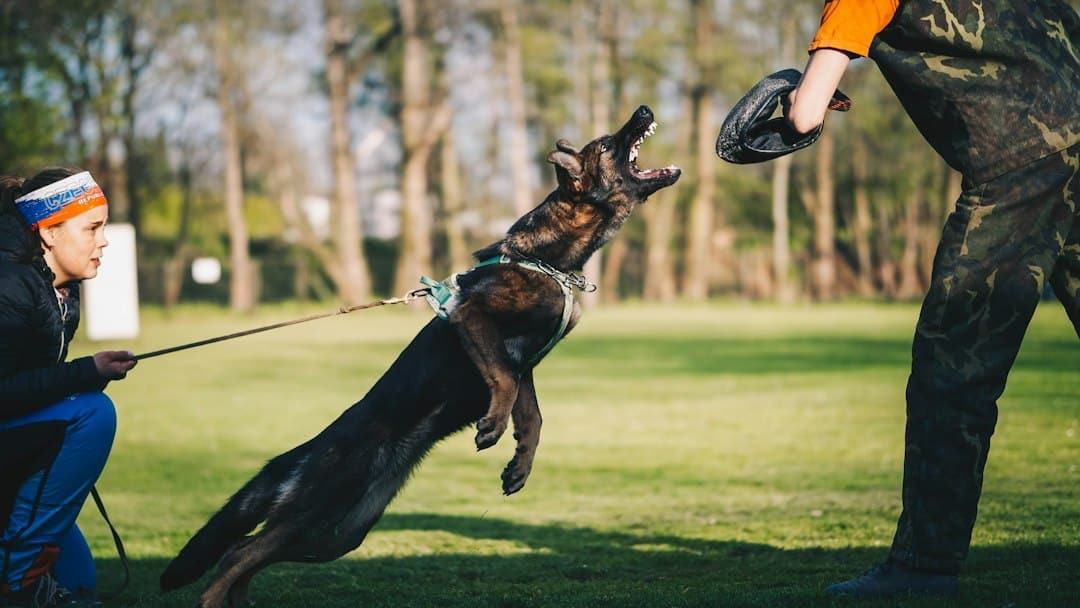
“Do I really need professional dog training, or can I just figure this out myself?” I hear this question almost every day. And honestly, it’s a fair one. You love your dog, you’ve watched a few videos, and you’re wondering if a trainer is really worth the money.
Here’s the truth I share with every family I meet: obedience training is about so much more than teaching your dog to sit. It’s about communication, impulse control, and getting your home back from the chaos of barking, chewing, and leash pulling. Whether you’ve got a brand-new puppy, a rowdy adult dog, or a wise old senior, the right training can genuinely change your daily life.
Quick takeaways before we dig in:
- Good dog training builds communication, not just commands.
- Puppies and adult dogs learn differently, but both absolutely can learn.
- Treats are a tool, not a bribe (more on that soon).
- Positive reinforcement builds the strongest bond between you and your dog.
- The real investment is a calmer home, a safer dog, and a stronger relationship.
What Is Obedience Training and Why Does It Matter?
Let me clear something up. Dog obedience training isn’t a trick show. It’s a language. When I teach obedience, I’m helping you and your dog understand each other clearly and clear communication is the foundation of everything. Real obedience training covers skills like sit, focus, loose-leash walking, recall, and solid impulse control. It also teaches your dog how to behave around other dogs, other animals, and yes, the mail carrier who shows up at the worst possible moment. These foundational skills sit, down, stay, come, and leave it make everyday life smoother for both of you, and they keep your dog safe.
Teaching recall, for example, isn’t just a neat trick. It’s one of the most critical safety skills your dog can have. A reliable “come” can stop a dangerous situation before it starts.
There’s a bonus most people don’t expect: mental stimulation. Dogs crave structure and a job to do. Training provides both, which often reduces anxiety and boredom-driven mischief. Obedience training also enhances your dog’s ability to adapt to new environments and situations a huge benefit for high-energy breeds that need constant outlets for their drive.
So what’s the difference between basic obedience training and advanced behaviors? Basic obedience is your foundation. Advanced behaviors build on that with longer stays, off-leash reliability, and real-world distractions. You can’t skip to advanced without the basics, just like you wouldn’t run a marathon before learning to jog.
Using the same commands consistently is one of the simplest things you can do to speed up learning. Dogs don’t speak English but they’re brilliant at reading patterns. Give them a clear, consistent signal, and they’ll connect the dots faster than you’d expect.
Mini takeaway: Obedience is the bridge between you and your dog. Build it strong, and everything else gets easier.
Puppy Obedience Training vs. Adult Dog Training
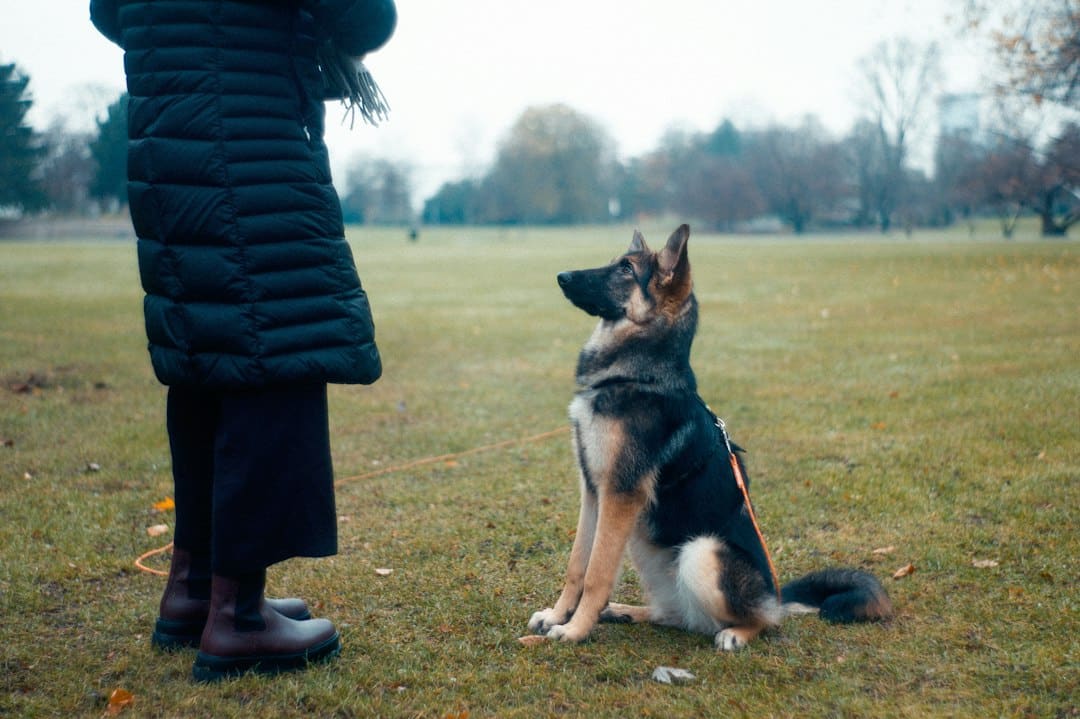
Puppies and adult dogs are playing different games, so they need different training methods.
Puppy Obedience Training
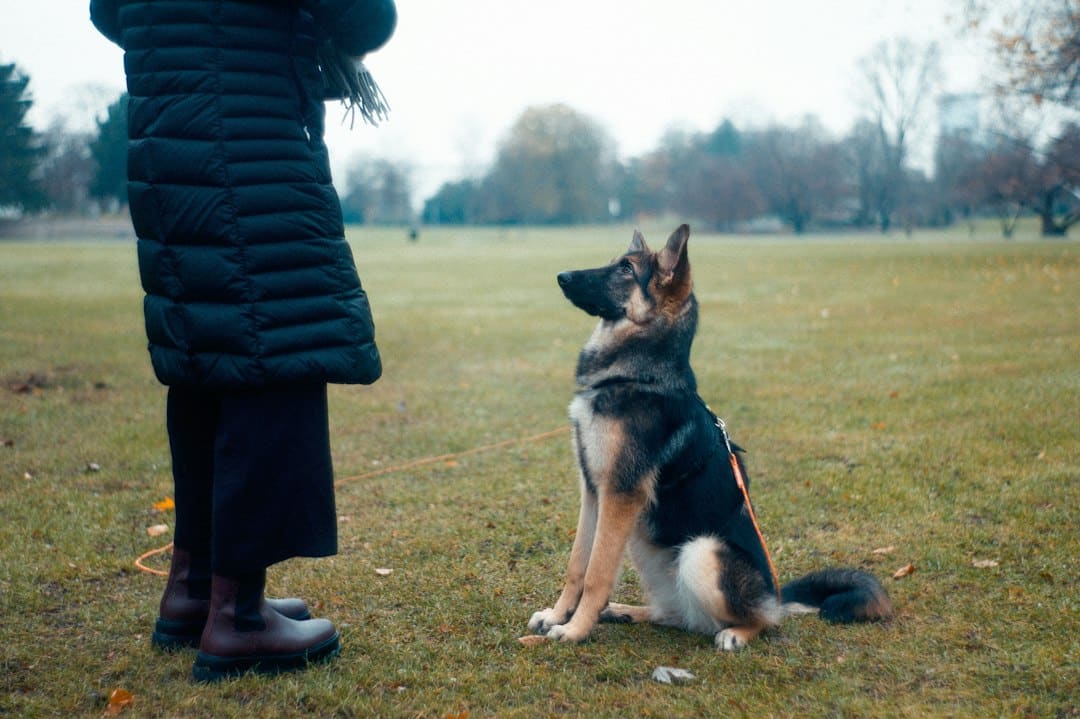
The good news? Puppies can start training as early as eight weeks old. In fact, many puppy classes enroll dogs from eight to ten weeks, and the AKC STAR Puppy certification program requires at least six weeks of class time. Starting early builds good habits before bad ones have a chance to take hold.
With a new puppy, we’re building from scratch. Puppy training usually focuses on:
- Potty training and crate training to prevent indoor accidents and eliminate lingering dog urine odors in your home
- Stopping the biting and chewing (those teeth are sharp!)
- Curbing the jumping dogs often jump on people as a sign of affection, but that doesn’t mean we have to accept it
- Early socialization with people, animals, sounds, and environments
- Basic commands like sit, down, and come
A word on common puppy behaviors: nipping at hands is often an invitation to play, not aggression, but understanding why dogs bite in different contexts is essential. Barking is a natural form of communication. Whining is another normal behavior with many possible causes, from attention-seeking to anxiety. Whining can usually be reduced simply by not reinforcing it—ignoring the behavior consistently is one of the most effective tools you have. These behaviors are normal. They just need to be shaped.
Start early, and you’ll avoid a lot of expensive furniture repairs later.
Adult Dog Training
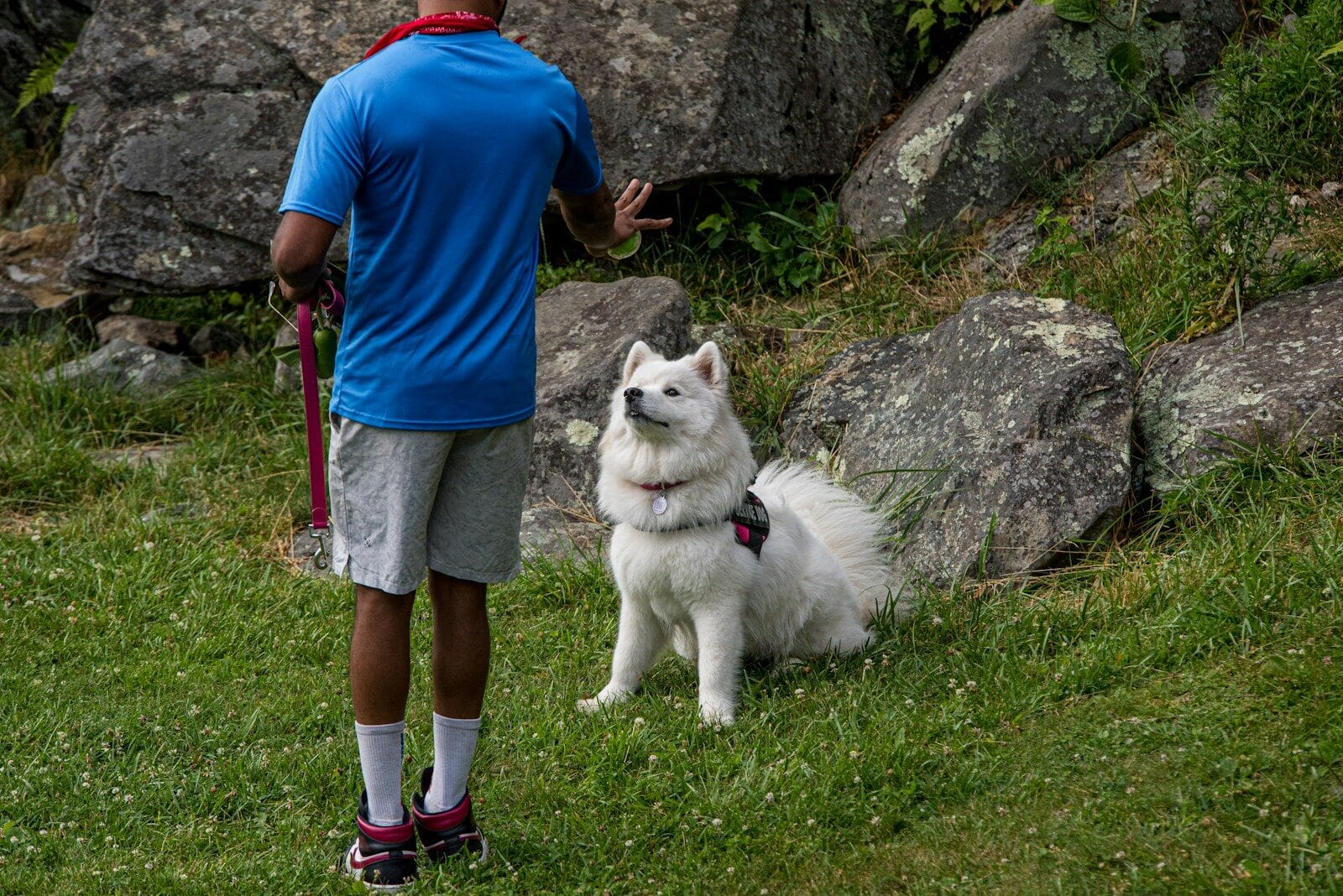
Adult dog training is a different animal pun intended. An adult dog often comes with habits already baked in leash pulling, barking, reactivity, aggression, or poor impulse control, which is why many families in places like Stafford, VA turn to professional obedience training to reset those patterns. The job here is to reshape those patterns with patience, consistency, and the right approach.
Here’s the myth I want to crush: older dogs are “too set in their ways.” Not true. There’s no expiration date on learning. I’ve helped plenty of senior dogs develop new skills and shed old habits that had been around for years.
Obedience training is especially important for high energy breeds that can easily become overwhelming without proper structure. Whatever your dog’s age, we work at their own pace while maintaining clear expectations. Pushing too fast backfires. Patience wins every time.
Mini takeaway: Puppy or adult, your dog can learn. The method just changes.
What Dog Treats Are Best for Training?
Treats matter more than most owners realize. The wrong treat can tank a training session fast.
A great training treat should be:
- Small so your dog can eat it quickly and stay focused
- Soft and easy to chew (no crunchy time wasters mid-session)
- Easy to break into tiny pieces
- Highly motivating for your specific dog
Why so small? Because during a session, you might reward dozens of behaviors. You want your dog eager and engaged, not stuffed and sleepy.
Here’s a pro tip: match the treat to the challenge. For easy skills in a quiet, distraction-free environment, a basic treat works just fine. For harder behaviors with distractions, bring out the good stuff. Think of it like a paycheck bigger jobs deserve bigger rewards.
And speaking of distraction free environments: dogs learn best when they’re not competing with too much going on around them, especially during initial training. Start simple, then build up to busier settings once the skill is solid.
One caution: don’t let treats become the only reason your dog listens. Training treats are effective for teaching obedience to puppies and adult dogs alike, but they should be phased out gradually as reliability improves. And remember treats count as calories. Factor them into your dog’s overall diet so you’re not accidentally creating a very motivated, very round companion.
What Do Professional Dog Trainers Use as Treats?
I’ll let you in on a secret. There’s no magical treat hidden in some secret trainer vault.
Professional dog trainers use simple, practical rewards. My go-to options include:
- Small pieces of plain chicken
- Tiny cubes of cheese
- Quality commercial training treats
- A dog’s own regular kibble (yes, really it works more often than you’d think)
The magic isn’t the treat it’s the timing and the strategy. I always reward the desired behavior immediately. That split-second timing is what helps a dog understand exactly which action earned the reward. Delayed praise creates confusion. Fast, clear feedback creates learning.
That’s also where marker training comes in. Tools like clickers are incredibly effective because they immediately signal to the dog which behavior earned the reward before you’ve even reached for the treat. That precise marker bridges the gap between the action and the reward, making learning faster and cleaner.
I choose rewards based on the individual dog, the environment, and the behavior being taught. A food-obsessed Lab might work happily for kibble. A picky pup might need chicken to stay interested.
And here’s something owners often forget: not every dog is food-driven. Some respond better to a favorite toy, a quick game of tug, or genuine praise. Most dogs are motivated by a combination of praise and rewards and figuring out what your dog values most is one of the first things I do in any training program. Dogs are motivated by praise, and that enthusiasm from you matters more than most owners realize.
Should You Use Treats When Training a Dog?
Short answer: yes, especially when teaching something new. Treats help your dog connect “that thing I did” with “something good just happened.” Most dogs learn best through positive reinforcement training, and the research backs that up positive reinforcement methods consistently yield the best results.
The principle is simple. Reward the behavior you want repeated. When your dog sits and gets a treat immediately after, they’re far more likely to sit again. Avoiding punishment during training also matters it keeps the experience safe and trust-building for your dog. A dog that learns without fear is a dog that learns faster and retains more.
That said, treats are a training tool not a bribe. The goal is to reward desired behaviors in the moment, then gradually reduce food rewards as your dog becomes more reliable. Over time, praise, play, toys, and real-life rewards take over. You’re not going to carry chicken in your pocket forever and you won’t need to.
Positive reinforcement builds a strong, lasting bond between dog and owner. That bond is what makes everything else work.
What Is the 7-7-7 Rule for Dogs?
The 7-7-7 rule is a socialization concept that’s become popular in puppy raising circles. The idea is that puppies should be exposed to 7 people, 7 surfaces, and 7 environments within their first few weeks of life to help them grow into confident, adaptable dogs.
I think of it as a helpful framework, not a rigid checklist. What matters more than hitting specific numbers is the quality of each exposure. Introducing puppies to new people, places, sounds, surfaces, and experiences safely and positively shapes how they handle the world as adult dogs.
Positive associations are everything here. A puppy that meets strangers and other dogs in relaxed, encouraging situations learns that the world is generally safe. A puppy rushed or overwhelmed during socialization can develop fear and reactivity that takes months to undo.
Reading your dog’s body language during socialization is critical. Ears back, tail tucked, whale eye, yawning, sustained staring, or lip licking are all signs your dog is uncomfortable—and understanding why your dog stares at you or others can give you important clues. If you see those signals, slow down. Socialization should build confidence not push your dog past their limit.
Connect the dots: good socialization during puppyhood leads to better behavior around other dogs, animals, and people for life. It’s one of the best investments you can make in a young dog.
Basic Obedience Training: The Skills Every Dog Should Know
Every dog regardless of breed, age, or background should have a foundation of basic obedience skills. These aren’t optional extras. They’re the building blocks of a safe, manageable, enjoyable life together.
Here’s what I consider non-negotiable:
- Sit – The starting point for almost everything else
- Down – Teaches calmness and impulse control
- Stay – Builds patience and reliability
- Come (Recall) – One of the most important safety commands you’ll ever teach
- Place – Gives your dog a job and a designated spot to settle, which is especially helpful if you’re training your dog to stay off the couch
- Leave it – Prevents your dog from picking up dangerous items (or your dinner)
- Focus – Teaches your dog to look to you for guidance
- Loose-leash walking – Because walks should be enjoyable, not a workout in survival
These basics become building blocks for more advanced behaviors. And in everyday life, they make walks easier, guests less chaotic, family outings more enjoyable, and your home a calmer place to be.
Building a consistent training routine helps reinforce these desired behaviors over time. The dogs that make the most progress aren’t necessarily the most naturally talented—they’re the ones whose owners practice consistently, use the same commands, and reward the right behaviors clearly and immediately.
Training Methods: Why Real-Life Practice Matters
Here’s something a lot of people don’t realize: a dog that performs perfectly in a training session doesn’t automatically behave perfectly at home. Skills need to be practiced in the real world to stick, and many owners find that supplementing hands-on work with well-chosen dog training books for at-home practice helps reinforce what they learn in sessions.
Dogs are context specific learners. That means your dog might sit beautifully in the living room and completely ignore you the second they spot a squirrel on the walk. (They’ll do it with a straight face, like they’ve never heard the word “sit” in their life.) That’s not stubbornness that’s just how learning works. You have to practice in the places and situations where behavior actually matters.
That’s why I train in real environments, not just controlled settings. I want you walking your dog on your actual street, practicing focus with actual distractions, and building habits that translate to your real life not just a training gym.
Body language, timing, patience, and consistency all play major roles in how quickly dogs learn. Everyone in the household needs to be on the same page using the same commands, the same rewards, and the same approach. Mixed signals slow everything down.
Sessions should also be kept short ideally five to ten minutes to maintain your dog’s focus. Dogs have a mental saturation point, and once they hit it, you’re just spinning your wheels. Short, frequent sessions beat long, exhausting ones every time.
The key variables for success: reward desired behaviors immediately, avoid punishment, stay consistent, and practice in the environments where it actually counts.
When Should You Start Training Your Dog?
The earlier, the better. Puppies can start training at eight weeks old, which also happens to be around when many puppy classes begin. Getting started early means you’re shaping good habits before bad ones become deeply ingrained.
But here’s the thing if you missed that window, it doesn’t mean you’ve missed your chance. Adult and senior dogs can absolutely develop new skills and break old patterns. I’ve seen it happen hundreds of times. The process might take a little more patience, but the results are just as real.
The misconception that older dogs “can’t learn” holds a lot of owners back from getting help they really need. Don’t let it hold you back.
Start Your Dog’s Transformation Today. Whether your dog is eight weeks or eight years old, there’s a program that fits where they are right now.
Group Classes vs. Professional One-on-One Dog Training
Both have their place. The question is which one fits your dog’s situation.
Group classes and puppy classes are great for, and venues like indoor dog parks in Northern Virginia offer additional opportunities for training and socialization:
- Early socialization with other dogs and people
- Teaching basic obedience skills in a structured environment
- Learning alongside distractions, which builds real-world reliability
- AKC Canine Good Citizen evaluators often run or recommend these classes
Group classes allow dogs to learn amid the distraction of other dogs, which is actually a valuable skill in itself. Most training schools also allow you to observe a class before you commit, which I always recommend. Watch how the instructor runs things, how the dogs respond, and whether the environment feels positive and well-managed. Check trainer qualifications and references before signing up—and if you have friends with well-behaved dogs, ask them who they worked with. That word-of-mouth recommendation is often the most reliable one you’ll find.
Private, one-on-one training makes more sense when:
- Your dog is reactive or aggressive toward other dogs or people and you need guidance on what to do with a dog that bites their owner safely and effectively
- Barking, leash pulling, or anxiety is severe
- You’re dealing with household-specific problems that need to be addressed in your actual home
- Your dog needs a customized plan, not a one-size-fits-all curriculum
I also offer board and train options, which are typically two to four weeks in length and designed for dogs that need intensive, focused work. These programs can accelerate progress significantly for the right dog in the right situation.
At Ruff House, I design every program around your specific dog, your household, and your real-life goals. Our dog training services across the DMV are tailored to real families and real dogs. No cookie-cutter curriculum. No franchise playbook. Just what actually works for you.
How Much Does Professional Dog Training Cost?
Dog training costs vary depending on:
- The format (group class, private session, board and train)
- The number of sessions or program length
- Your dog’s behavior and specific challenges
- Your training goals
I won’t give you a one-size-fits-all number here, because honest trainers don’t do that. What I will say is this: when you’re weighing the cost, think about what you’re actually solving. You’re not just paying for an hour of my time. You’re investing in safer walks, fewer unwanted behaviors, less frustration, and a dog you can actually enjoy living with.
At Ruff House, I offer flexible options to fit different needs:
- 90-Minute Miracle – A focused jump-start session to address a specific behavior fast
- 6-Week Obedience Program – A structured, multi-week program for lasting results
- Custom Training – Built around your dog’s unique challenges and your household’s lifestyle
I don’t promise magic. Training, like anything worth doing, requires consistency and commitment from you. But the owners who put in the work consistently tell me it’s one of the best decisions they’ve ever made for their dog—and their family.
Is Professional Dog Training Worth the Investment?
Let me be direct: yes. But not because I’m selling something. Because I’ve watched it change lives for dogs and for the people who love them.
What you’re really investing in when you work with a professional trainer:
- Better communication between you and your dog
- Safer walks without the pulling, lunging, or reactivity
- Improved impulse control that makes everyday situations manageable
- Fewer unwanted behaviors like barking, chewing, and jumping
- More confidence—for your dog and for you
- A calmer, more harmonious household
Professional guidance also helps you avoid the frustration of inconsistent training, which is one of the biggest reasons dogs don’t make progress. When you don’t know what you’re doing wrong, you keep doing it. A good trainer shows you exactly where the gaps are—and how to close them.
With over 400 happy clients across the DMV, a fully customized approach, and unlimited post-session support that you won’t find at any franchise, Ruff House has built its reputation on one thing: results that actually last.
Lasting progress requires both of us—you and your dog—to show up consistently. I’ll give you every tool, strategy, and follow-up support you need. The rest is up to you to practice. And I’ll be right there when questions come up.
Why Choose Ruff House for Dog Training in McLean, Virginia?
Here’s what sets us apart:
- Veteran-owned and locally operated – Discipline, empathy, and integrity rooted in military service
- Serving Northern Virginia, Washington, D.C., and Maryland – We come to you
- No franchise, no cookie-cutter programs – Every plan is built for your dog
- Training built around real-life situations – Not just controlled environments
- AKC Canine Good Citizen evaluators are certified trainers – We know the standards
- Options for every dog and every challenge:
- 90-Minute Miracle
- 6-Week Obedience
- Custom Training Programs
- Board and Train (2–4 weeks)
- Unlimited post-session support – Call us when something comes up, because something always comes up
- Practical coaching with humor and honesty – We’ll keep it real, and we’ll keep it fun
No judgment. Just real solutions.
Final Thoughts: A Well-Trained Dog Is a Happier Household
Obedience training isn’t about creating a perfect dog. It’s about helping your dog understand what’s expected—and giving you the tools to communicate clearly and consistently, every single day.
Your dog jumping on guests? That’s fixable. Barking at everything that moves? Also fixable. Pulling so hard on the leash that walks feel like a rodeo? Absolutely fixable. These behaviors are normal expressions of dog communication that simply need to be shaped with the right approach, consistent guidance, and a little patience.
Training takes time. It takes practice. And it takes a commitment from you to follow through beyond the sessions. But you don’t have to figure it all out alone.
Whether you’re starting with an eight-week-old puppy or a five-year-old dog with a stubborn streak, Ruff House is here to help you build a relationship rooted in trust, clear communication, and real results.
Book Your Training Session Today and take the first step toward a calmer, happier home—for both of you.