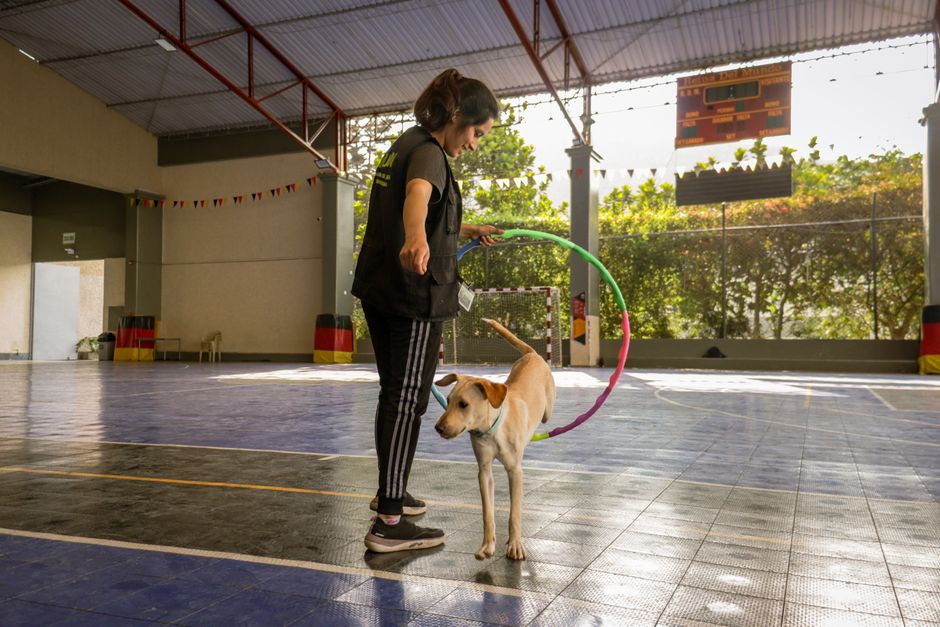
Choosing the right dog training classes in Leesburg can feel a little like picking a diet plan for your dog. Everyone swears by a different method, the options seem endless, and your dog just wants to eat the couch while you decide.
Here’s the good news: the “best” choice isn’t a mystery. As a Veteran owned trainer serving Leesburg and the wider DMV through Ruff House Dog Training, I’ve helped over 400 families figure this out, and I promise the answer is simpler than you think.
Group classes and private classes both work beautifully for the right dog, at the right time, with the right goals. Your job isn’t to find the “perfect” program. It’s to find the one that fits your dog’s age, personality, home life, and your very real, very busy schedule.
By the end of this post, you’ll know exactly how to compare group classes and private training, what to look for in a quality training class, how to use treats the smart way, and which option makes the most sense for your pup. No fluff, no false promises.
What Should You Look for in Dog Training Classes?
Before you sign up for anything, let’s talk about what actually makes a training class worth your time and money. Not all dog training is created equal, and a fancy building doesn’t guarantee a fabulous trainer.
Here’s what I’d want if I were choosing dog training classes for my own dog:
- Experienced trainers who explain the “why.” A good instructor doesn’t just bark commands at you. They teach you communication, timing, leash skills, and how to read your dog’s behavior. Look for certifications like CPDT-KA or KPA CTP these signal that a trainer has met real professional standards.
- Positive reinforcement methods. This is the most widely recommended approach for a reason. It builds trust, reinforces the behaviors you actually want, and keeps training enjoyable for both you and your dog. Run don’t walk from any trainer who relies on harsh punishments or shock collars.
- A focus on teaching you. Your trainer won’t live in your house. The real magic happens when you learn how to keep practicing at home long after class ends.
- Practice in different environments. Dogs don’t generalize well. A dog who sits perfectly in a quiet room may forget everything when a squirrel shows up. Great training accounts for distractions and exposes your dog to new experiences.
- Safety and individual attention. Whether it’s a group or private setting, your dog should never feel overwhelmed, unsafe, or lost in the crowd. A quality program should also require proof of up-to-date vaccinations before any dog joins a group setting for everyone’s protection.
- Honest expectations. Steer clear of any trainer who guarantees results in a short time frame. Training takes consistency. Anyone promising a perfectly trained dog in two sessions is selling you a fantasy.
Not sure where to start your search? Local shelters often have trusted trainer recommendations, and they know the community well, and many owners also benefit from digging into the best dog training books to buy to reinforce what they learn in class.
Mini takeaway: The best training class teaches the human as much as the dog. If a program can’t tell you how you’ll practice at home, keep looking.
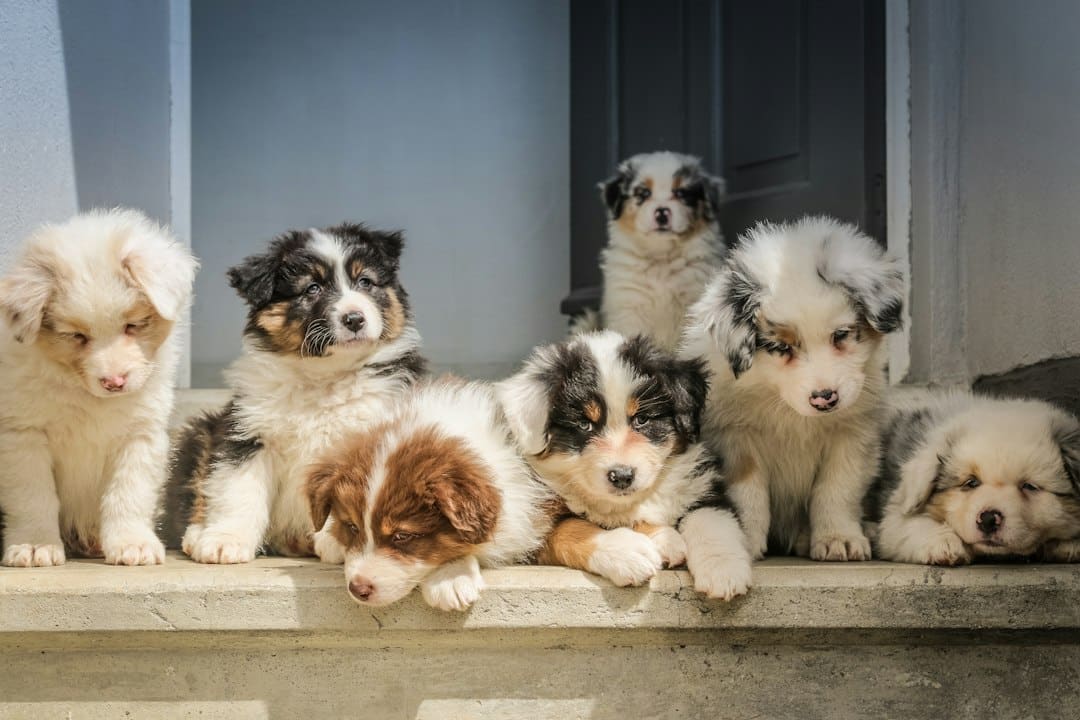
Puppy Training Classes: Are Group Classes Good for a New Puppy?
Brought home a new puppy and now questioning every life decision you’ve ever made? You’re in excellent company. Those tiny land sharks are adorable and exhausting.
Puppy training classes can be a wonderful way to help young dogs learn basic skills while burning off some of that chaotic energy. A good puppy class gives your pup structure, essential socialization skills, and a head start on the behaviors that matter helping them grow into calm, well socialized adults.
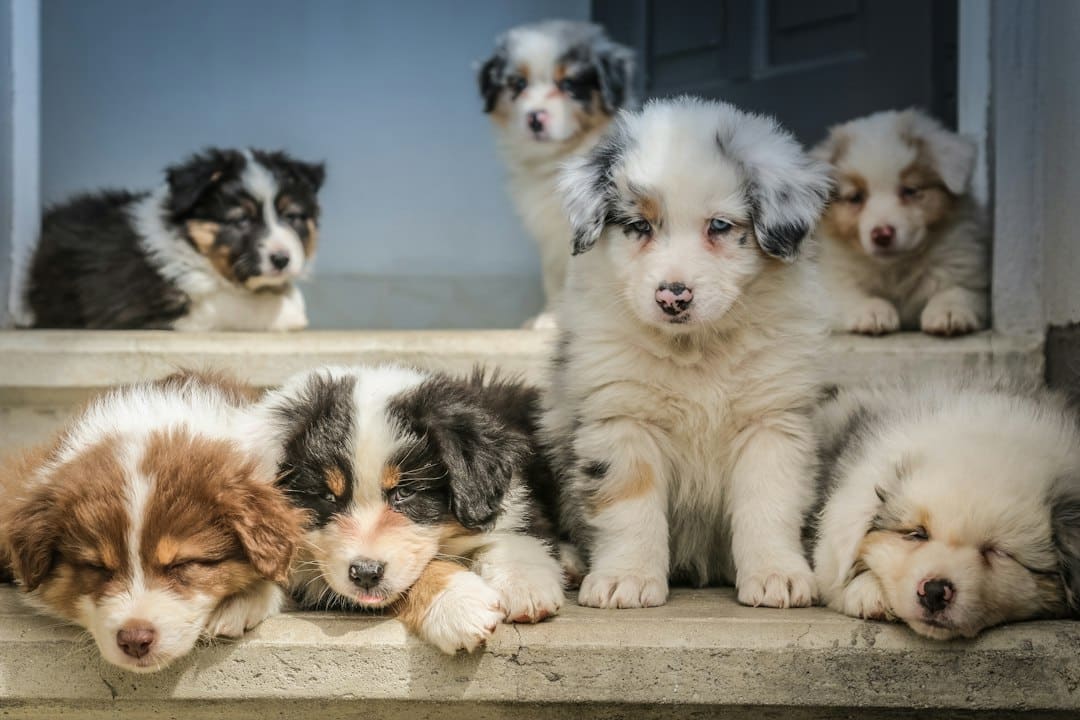
Common Puppy Challenges a Puppy Class Can Help With
- Jumping on everyone (and everything)
- Biting and nipping with those needle teeth, which is also a great time to understand why your dog might bite you and how to prevent it
- Chewing your shoes, furniture, and dignity
- Zero focus and a two-second attention span, especially in exciting places like an indoor dog park for safe socialization and exercise
- Leash problems and dramatic flopping
- Difficulty settling down and relaxing
Puppy classes also play a big role in preventing future behavior problems. Early socialization and basic obedience training lay a foundation that makes everything else easier as your dog grows. Think of it as the best investment you can make before bad habits take root.
Socialization Is More Than Playtime
Here’s where I gently correct a common myth. Socialization isn’t just tossing your puppy into a pile of other puppies and hoping for the best. True socialization means positive, safe experiences in different environments new sounds, surfaces, people, and situations that build confidence.
A quality group setting can offer great exposure to other puppies and people, teaching young dogs how to interact appropriately and focus even when other dogs are nearby. These early positive experiences carry forward into adulthood. Puppies who are well-socialized in class tend to be calmer, more confident, and far easier to live with as they grow up.
But here’s the thing if your pup is timid, overwhelmed, or already showing tricky behaviors, private puppy training may be the kinder, more effective path. One-on-one attention lets us go at your puppy’s pace instead of the group’s.
Mini takeaway: Socialization is about quality, not quantity. Confidence beats chaos every time.
Private Classes vs. Group Classes: What’s the Difference?
Let’s get to the main event. Both options have real strengths, so let’s break them down honestly.
How Group Classes Work
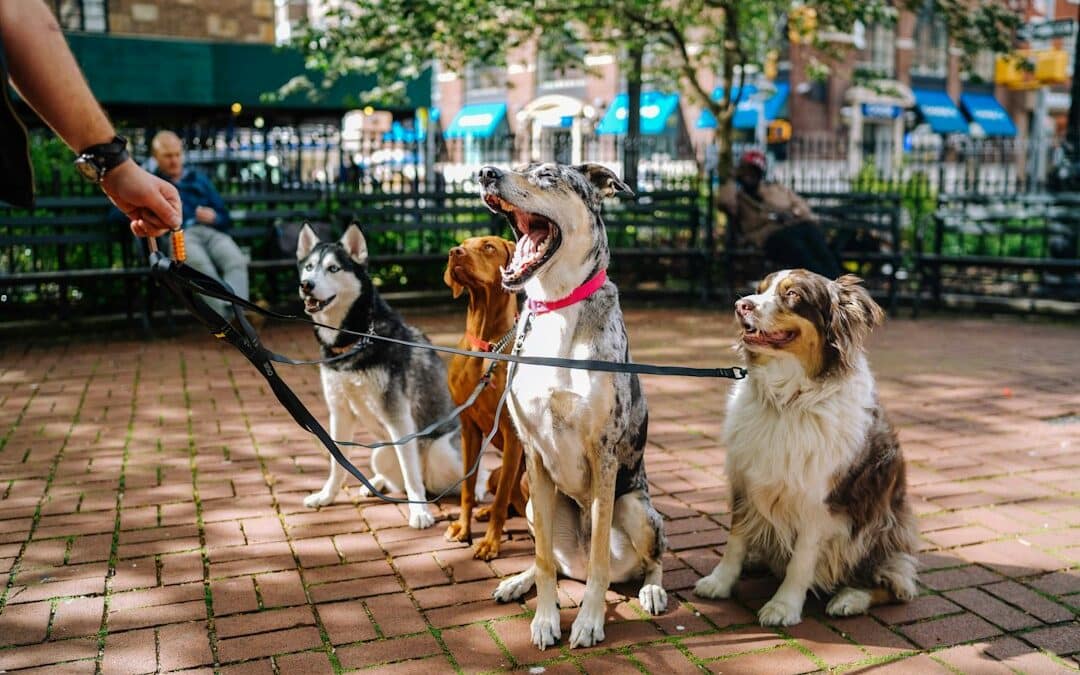
Group classes typically bring several dogs and owners together to learn skills side by side. Dogs of all breeds and sizes can participate, and classes usually meet once a week to keep training consistent without overwhelming owners’ schedules.
When group classes are a good fit, the benefits are genuine:
- Practicing focus around other dogs and real-world distractions
- Learning obedience training basics in a structured, consistent environment
- Built-in socialization opportunities for both puppies and older dogs
- Exposure to new environments and situations that build confidence
- A supportive community of other owners going through the same journey
- The chance for dogs to learn how to interact appropriately with other dogs and people
One thing worth knowing: most group classes meet once a week, which is great for maintaining steady progress without overhauling your entire routine. That weekly rhythm creates consistency, and consistency is everything in dog training.
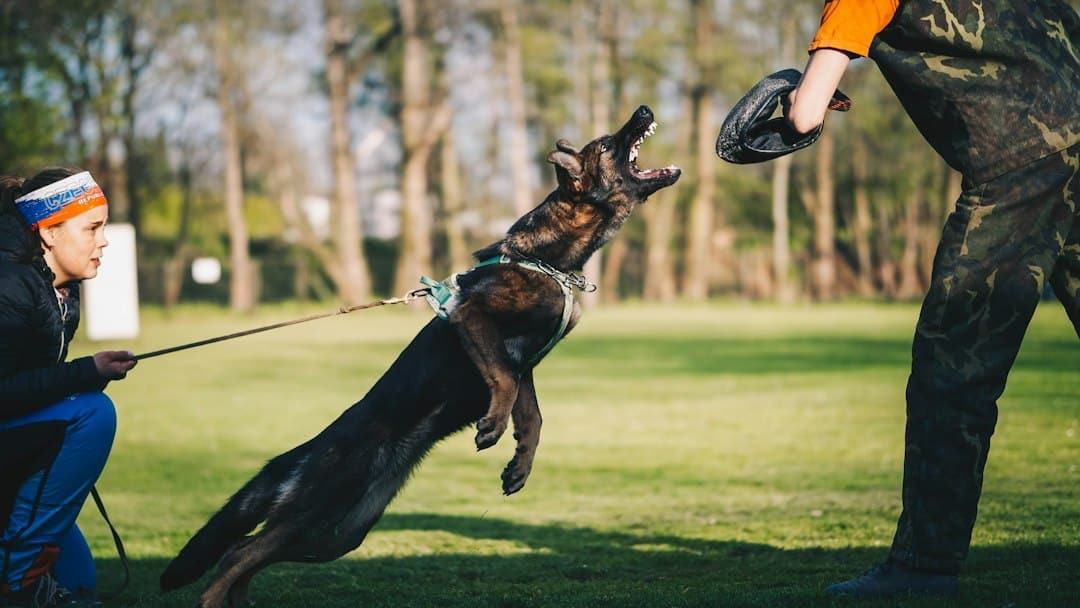
The catch? Group classes can be tough for dogs dealing with anxiety, reactivity, or serious behavior concerns. A reactive dog surrounded by strangers isn’t learning he’s just surviving, and so are you.
How Private Classes Work
Private classes flip the script. Instead of asking your dog to learn in a room full of distractions, I can focus entirely on your dog, your household, and the behaviors you actually want to change. For many pet parents, this is a better way to begin training because we can work directly in the environment where the problems happen usually your home.
Private training can be especially helpful for:
- Barking at the door or window
- Jumping on guests
- Pulling on the leash
- Reactivity toward other dogs
- Aggression or anxiety
- Chewing and destructive habits like constantly trying to get onto the furniture, which often calls for clear boundaries and strategies for keeping your dog off the couch
- Not listening at home
Rather than following the same curriculum as the next class or a typical training club, I create a plan around your dog’s personality, your family’s routine, and your goals. Whether you’re a new puppy mom looking for good puppy training classes or an experienced owner dealing with challenging behavior, private training gives us room to address what matters most.
I also believe training dogs should be practical and fun. We can incorporate exercise, games, rewards, and everyday situations to make learning meaningful for your dog. And you don’t have to be a lucky owner who finds a good teacher by chance I work with you directly, answer your questions, and give you practical ideas you can continue using between sessions.
The takeaway: A good class can teach important skills around other dogs, but private training gives us the opportunity to solve the specific problems happening in your home. Sometimes, that personalized approach is exactly what you and your dog need.
Types of Dog Training Classes: What’s Out There?
Dog training isn’t one-size-fits-all, and the variety of class options reflects that whether you’re in Leesburg, Stafford, or elsewhere in the DMV looking for professional dog training in Stafford, VA. Different types of training cater to different goals, ages, and needs. Here’s a quick look at the landscape:
- Puppy training classes — Early socialization, basic manners, and confidence-building for young dogs
- Obedience training classes — Essential for teaching foundational commands like sit, stay, recall, and leash walking
- Behavior modification classes — Targeted help for specific challenging behaviors like reactivity, aggression, or severe anxiety, and essential if you’re dealing with serious issues such as a dog that bites their owner
- Advanced classes — For dogs who’ve mastered the basics and are ready to develop new, more complex skills
- Agility classes — A fantastic option for high-energy dogs that need physical exertion and cooperative problem-solving. These classes strengthen the bond between dog and owner while keeping dogs mentally sharp
- Therapy dog preparation — Focused on building calm behavior and excellent public manners for dogs working toward therapy certification
- Socialization classes — Structured group environments where dogs of all ages learn to interact appropriately, build confidence around distractions, and create community among owners
Knowing what’s available helps you match your dog’s needs with the right program—rather than defaulting to whatever’s closest or cheapest.
Mini takeaway: The right class type matters as much as the right trainer. Match the program to your goal.
What Is the Best Training Program for My Dog?
I’ll let you in on a trainer secret: there is no single training program that works for every dog. Anyone who promises a one-size-fits-all fix is selling you something.
To choose the right fit, I look at:
- Your dog’s age — puppy, adolescent, or seasoned senior
- Current behavior — mild manners or full-blown mayhem
- Training history — what’s been tried before
- Household routine — kids, other pets, work schedules
- Your schedule — because life is busy and time is real
- Specific goals — calmer walks, better focus, less barking
And yes, older dogs absolutely benefit from training just as much as puppies. Group classes provide socialization opportunities for dogs of all ages not just the young ones. That “old dogs can’t learn” saying? Complete nonsense. I’ve seen senior dogs transform with the right approach, patience, and consistency.
What Dog Treats Are Best for Training?
Treats are one of your most powerful teaching tools, and picking the right ones makes a huge difference. Positive reinforcement rewarding the behavior you want to see more of is the most widely recommended training method, and treats are often the clearest, fastest way to deliver that reward.
Great training treats include:
- Small, soft training treats — easy to chew and swallow fast
- Tiny pieces of cooked meat — chicken or turkey are big crowd-pleasers
- Freeze dried treats — high value and mess-free
- Regular kibble — perfect for dogs already motivated by food, especially once you’ve also addressed any house training slips that can leave lingering odors and learned how to get rid of dog pee smell effectively
Keep the pieces tiny—about the size of a pea. You’re rewarding a behavior, not serving dinner. This keeps your dog focused and prevents an accidental weight gain situation.
What Do Professional Dog Trainers Use as Treats?
People often assume trainers have some secret magic snack. The truth is a little less exciting: we match the reward to the dog and the moment.
For easy behaviors in a calm room, plain kibble might do the trick. But when we’re working around big distractions or teaching a genuinely hard skill, we reach for high value rewards think warm chicken or something extra smelly and irresistible.
Many professional trainers also use a clicker as part of their approach. Clicker training works because the click provides precise timing it marks the exact moment your dog does the right thing, which makes the reward feel much clearer and more meaningful. It’s a practical application of classical conditioning: the dog learns that the click always predicts something good, and that association accelerates learning.
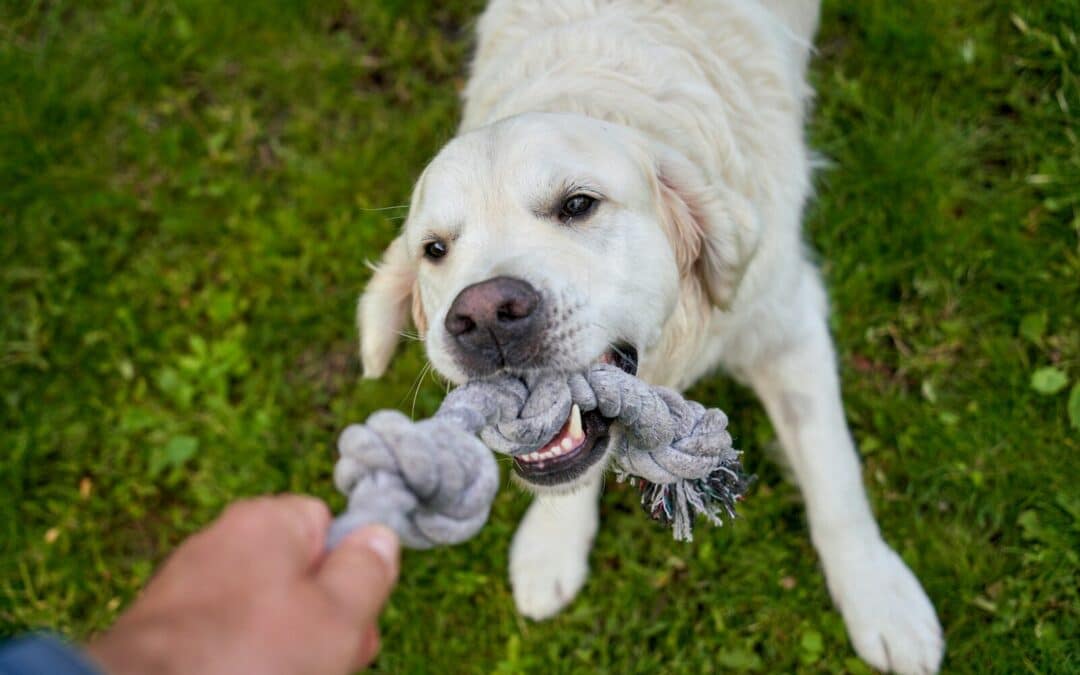
Here’s the part many owners miss: food isn’t the only reward. Praise, toys, play, a favorite spot, and simple attention can all reinforce good behavior. As your dog gets more reliable, we adjust the rewards so they’re not depending on treats forever.
Should You Use Treats When Training a Dog?
Short answer: yes. Treats are an effective, science-backed way to communicate “that was exactly right” in a language your dog understands.
But there’s an important difference between rewarding and bribing. A reward comes after your dog does the behavior. A bribe is waving food in his face to convince him to cooperate. One builds real habits; the other builds a dog who only listens when snacks are visible.
The goal is to gradually fade the food as skills get stronger. Over time, your dog responds because he understands what you’re asking not because his nose smells bacon. That’s what real communication and confidence look like.
And here’s something worth saying clearly: no treat in the world can replace a training method rooted in trust. Positive reinforcement works because it builds a relationship not because it buys compliance. Harsh punishments or aversive tools might suppress a behavior in the short term, but they chip away at the bond between you and your dog. That’s not a trade worth making.
What Is the 7-7-7 Rule for Dogs?
You may have seen the “7-7-7 rule” floating around online. It’s a socialization guideline suggesting that by a certain age, a puppy should experience seven different surfaces, seven different objects, seven different locations, and so on.
The heart of it is solid: expose your puppy to a variety of people, places, sounds, and experiences early on. Classes enhance socialization by doing exactly this putting dogs in new environments, around new people, and near other dogs in a structured, safe way. But here’s my honest take don’t treat it like a checklist to rush through.
Quality matters far more than hitting a number. Seven overwhelming, scary experiences will do more harm than a handful of calm, positive ones. Your goal is to keep your puppy comfortable, engaged, and confident through every new situation. That’s what builds a dog who handles the real world with ease.
When Is a Private Dog Trainer a Better Choice?
Sometimes a group setting just isn’t the right environment, and that’s completely okay. Private training is often the more compassionate, effective option for dogs dealing with bigger challenges and it’s specifically advised when a dog has behavioral issues that need targeted, individualized attention.
I’d steer you toward private classes if your dog struggles with:
- Reactivity toward people or dogs
- Aggression
- Severe or nonstop barking
- Anxiety or fearfulness, sometimes showing up as pacing, pacing, or excessive whining and vocalizing
- Resource guarding
- A hard time being around other dogs
- Unique household challenges
Behavior modification in a private setting allows me to target those specific challenging behaviors directly in your home, on your walks, in the real context where the problem actually shows up. You’ll never get judgment from me. Just real, practical solutions and a whole lot of support.
Obedience Training Should Work Outside the Training Class
Here’s a truth that trips up a lot of owners: a dog who behaves perfectly in class but ignores you at home hasn’t really learned obedience yet.
Obedience training classes are essential for teaching basic commands sit, stay, recall, leash walking, focus. But the work doesn’t stop when class is over. Real obedience training has to hold up in the messiness of daily life. That means practicing skills like:
- Sit
- Stay
- Recall (coming when called)
- Leash walking
- Place (settling on a mat or bed)
- Focus
- Calm behavior
When you practice these in different environments your kitchen, the backyard, a busy sidewalk your dog learns that the rules don’t change just because the scenery does. That consistency is everything.
Group classes are genuinely helpful here. They teach dogs to focus and follow cues even when distractions are everywhere. But the owner has to carry those skills home and keep reinforcing them between sessions. At the core of it all is communication between you and your dog. That’s the real foundation of lasting obedience.
Why Ruff House Dog Training Takes a Different Approach
Now for the part where I brag a little (respectfully). Ruff House Dog Training isn’t a franchise or a big-box operation. We’re a veteran-owned, local small business, and we do things differently on purpose.
Here’s what sets us apart:
- Over 400 happy clients across the DMV and counting
- Practical, real-world training that fits your actual life
- Customized programs built around your dog and household
- The 90-Minute Miracle — a focused session to jump-start behavior fast
- The 6-Week Obedience Program structure for lasting routines
- Fully custom training for complex or serious challenges
- Unlimited post-session support call me anytime, even after we’re done
I use positive reinforcement methods and proven techniques rooted in how dogs actually learn not shortcuts, not gimmicks, and absolutely not aversive tools. I combine military-rooted structure with empathy, humor, and real world practicality because training should feel doable, not miserable. And I’ll always shoot straight with you. No magic wands, no cookie cutter plans, and no false guarantees. Just honest work that gets results when you stay consistent.
Dog Training Classes in Leesburg: Which Option Makes Sense for You?
Still weighing your options? Here’s a simple cheat sheet to match your needs with the right approach:
Remember, the goal was never just to “finish a class.” The goal is to build skills that actually work in your everyday life on real walks, with real guests, in your real home. Dogs of all breeds and sizes can benefit from training, and it’s never too early or too late to start.
From Chaos to Calm: Let’s Get Your Dog Training Started
Dog training doesn’t have to feel overwhelming, and you don’t have to figure it all out alone. Whether your pup needs a confidence building puppy class, structured obedience training, behavior modification for a specific challenge, or one-on-one help with serious behaviors, there’s a right fit for you.
Choose a trainer who uses positive reinforcement, holds recognized certifications, and has experience with your dog’s breed or behavior challenges. Be skeptical of anyone guaranteeing fast results and trust the community around you, including local shelters, for honest recommendations.
Then choose your program based on your dog’s individual needs, not the loudest ad or the biggest promise. Lean on practical techniques and ongoing support to make it stick. Because pets are family, and your dog deserves a plan built just for them.
Ready to trade the barking, pulling, and chaos for calm? Start Your Dog’s Transformation Today or Schedule Your 90-Minute Miracle Now training sessions fill fast, and your dog won’t train himself.