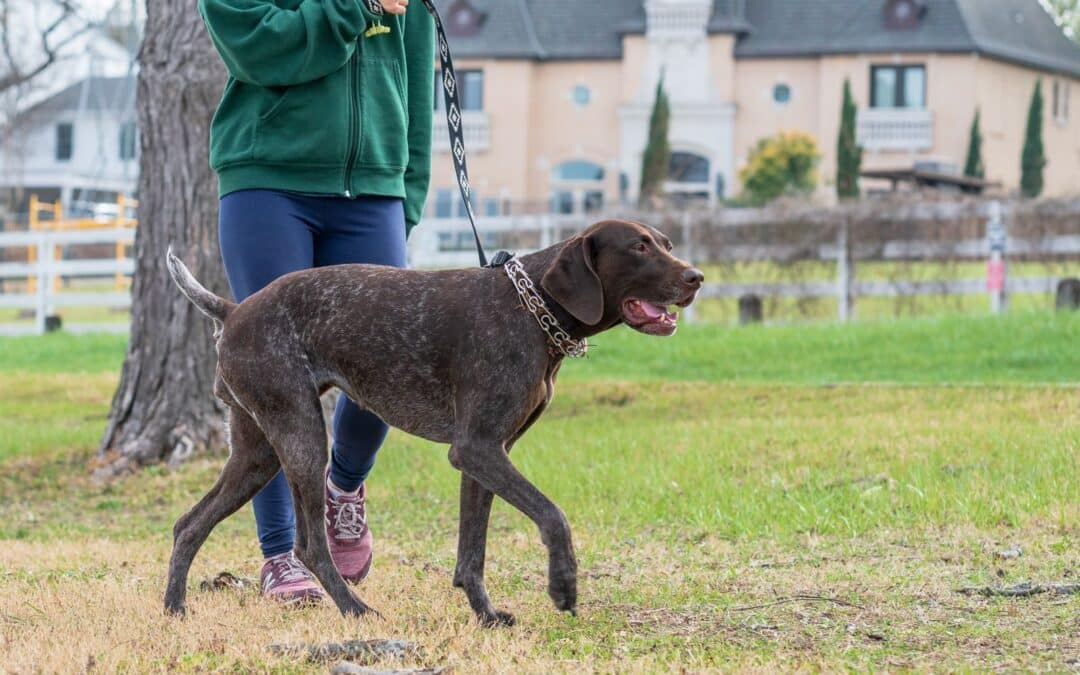
When your dog runs the house, everyone feels it. You know the drill. It starts with frantic barking right in the middle of your important Zoom call. Then comes the shoulder-dislocating pulling on your walks through Frederick neighborhoods. Maybe you are dealing with constant puppy biting during that “cute but chaotic” stage. Or worse, you feel a massive wave of stress every time guests, kids, or other dogs come around.
I completely understand. At Ruff House Dog Training, we provide a practical, judgment-free solution to these exact problems. As a veteran-owned small business, we do not rely on rigid theory or cookie-cutter programs. We bring real-world training methods, honesty, and a little bit of humor to your living room. Finding the right dog training in Frederick Maryland means finding a partner who understands your daily struggles. By applying clear structure, better communication, and the right rewards, we can completely transform your dog’s life.
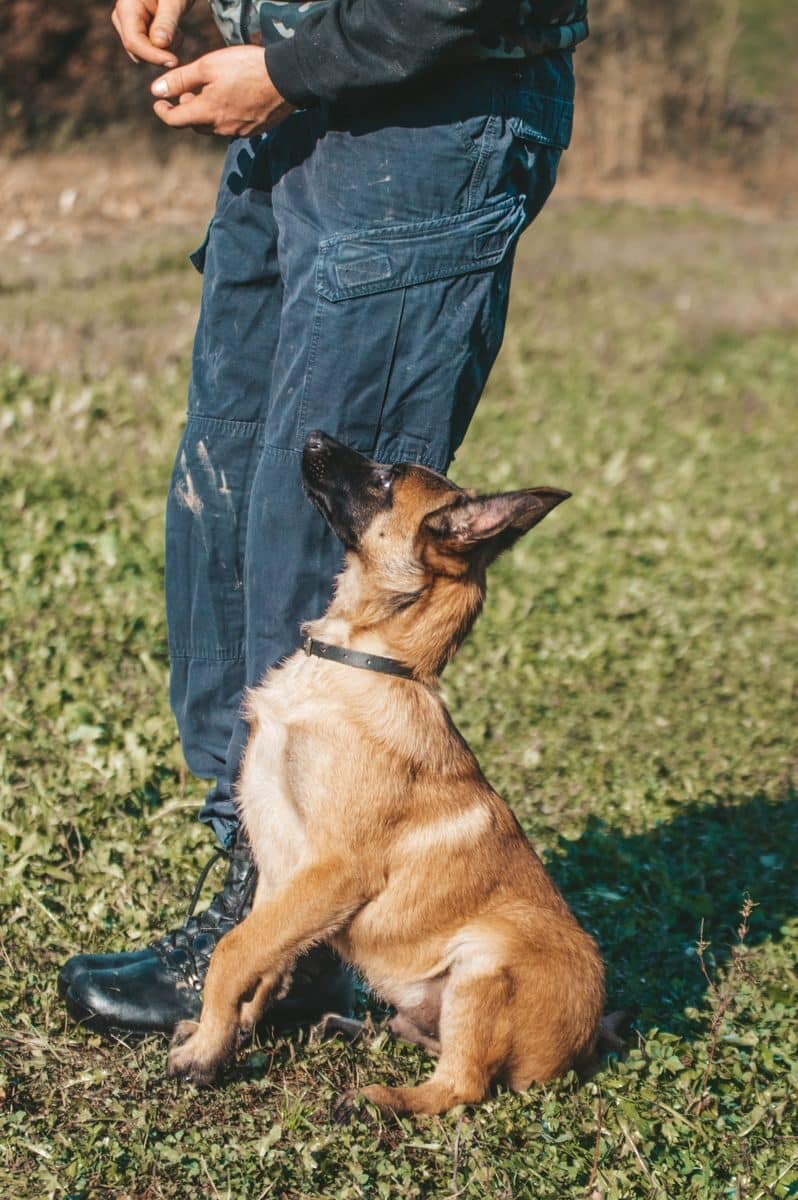
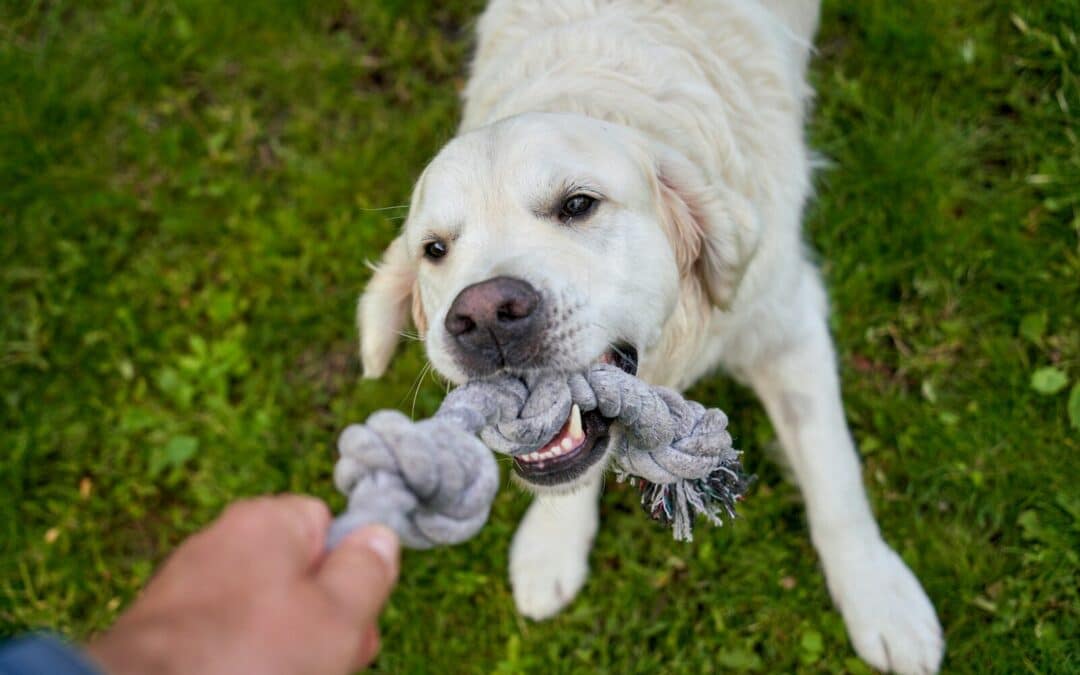
Photo by Anton Kudryashov on Pexels
Why Clear Guidance Matters in Dog Training
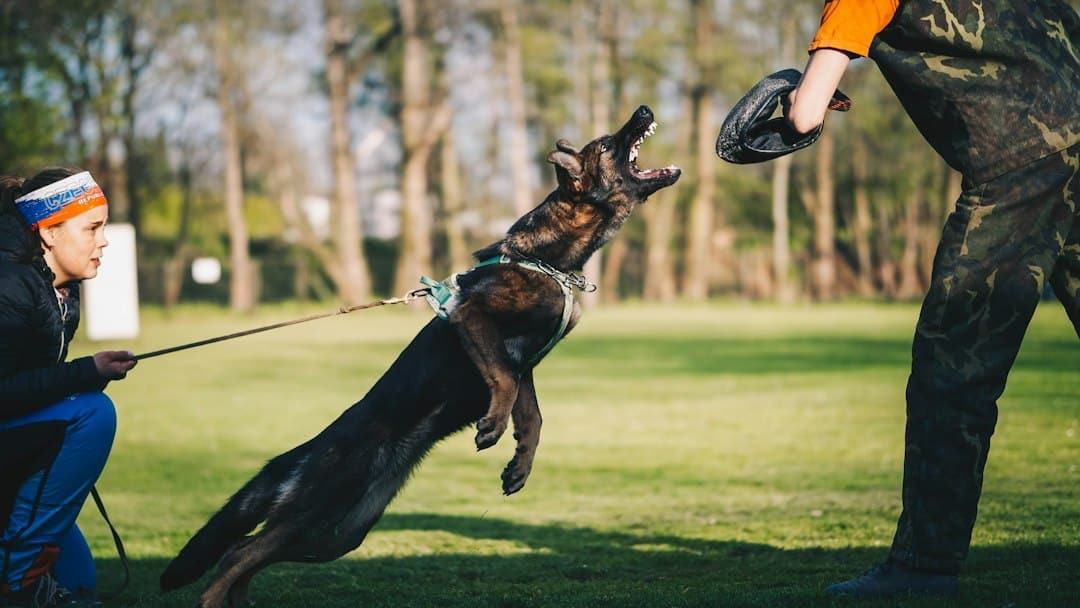
Dogs thrive on structure, consistency, and clear communication.They learn through repetition and patterns, not guesswork. When expectations constantly change, dogs can become anxious, frustrated, or overstimulated. That confusion often shows up as leash pulling, barking, chewing, reactivity, or even aggressive behavior.
A lot of owners accidentally reward bad habits without realizing it. For example, giving attention to barking, allowing inconsistent rules, or repeating commands over and over can send mixed signals to your dog. Good dog training is not about punishment—it is about teaching your dog how to succeed.
As professional dog trainers, we focus on practical skills that improve your dog’s life and restore peace inside your home, including:
- Calm behavior and respect inside the house
- Reliable leash manners during walks
- Building confidence in nervous or reactive dogs
- Safe socialization around other dogs and humans
- Real-world obedience that works outside the training session
The goal is not just a dog that listens during training. The goal is a dog you can confidently live with every single day.
What Dog Treats Are Best for Training?
One question I hear all the time during a first appointment is, “What treats work best for dog training?” The best training treats are soft, small, and easy to chew so your dog stays focused without losing momentum. High-value rewards help create amazing results during training sessions, especially for dogs struggling with sit, leash manners, or distractions around other animals. Every dog is different. Breed, age, energy level, and temperament all play a role in what motivates them. Some dogs love freeze-dried meat, while others respond better to simple treats you can grab during a morning Petsmart visit. A knowledgeable trainer can help explain what works best for your dog without wasting money on products that are not helpful.
At Ruff House Dog Training in MD, we specialize in practical training advice that works in the real world. Whether your dog is deaf, nervous, reactive, or simply stubborn, patience and consistency make all the difference, and our professional dog training in Stafford, VA follows the same balanced, real-life approach.
Our Favorite Types of Training Treats
- Freeze-dried meat
- Small, soft training specific treats
- Tiny pieces of chicken or cheese
- Low-calorie rewards for longer sessions
- Toys or enthusiastic praise for dogs who care less about food
What Do Professional Dog Trainers Use as Treats?
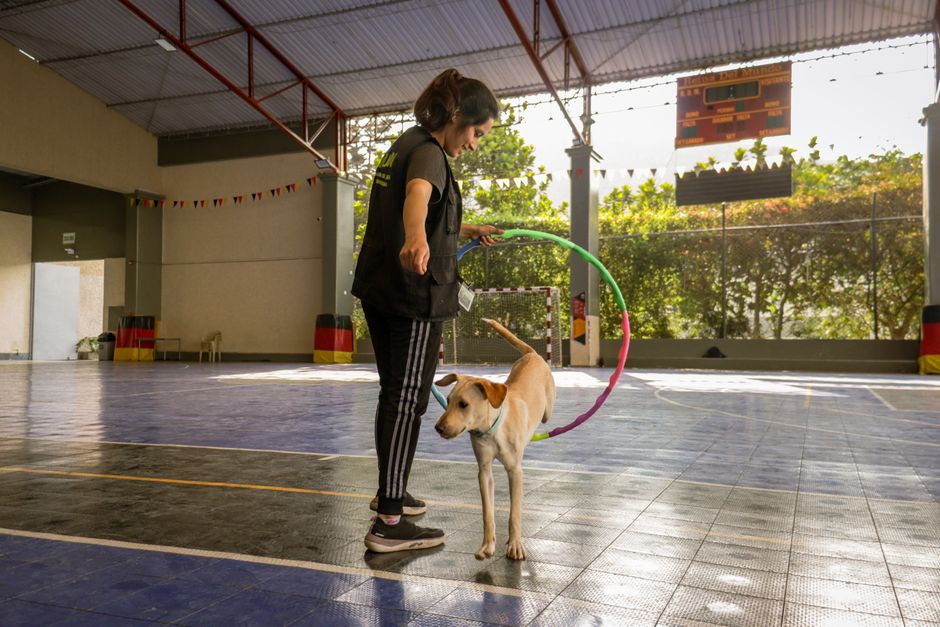
Professional dog trainers use treats as a tool, not a crutch. The goal is to reward good behavior at the right moment so the dog clearly understands what is expected. Most trainers use small, high-value treats like freeze-dried meat, chicken, or soft training bites because they keep dogs motivated and focused during sessions.
Timing and consistency matter more than the treat itself. Over time, we slowly fade food rewards and replace them with verbal praise, structure, and real-life obedience. Your dog should eventually listen because they understand the expectation—not just because you are holding snacks.
Treats can absolutely help teach commands like sit, leash manners, recall, and calm behavior, but they are not a magic fix. Severe aggression, anxiety, reactivity, or pulling problems still require clear leadership, accountability, and proper guidance to create lasting results.
Should You Use Treats When Training a Dog?
Absolutely—but there is a right way to use them. Positive reinforcement can be incredibly effective when paired with structure, patience, and clear communication.Treats should reward good decisions, not become a constant bribe your dog only listens for. If your dog only responds when you shake a treat bag, the training is not fully sticking.
The real goal is reliable behavior in everyday life. Your dog should listen during walks, around distractions, guests, other pets, and stressful situations without needing food every second. We focus on practical life skills that work in busy homes, crowded neighborhoods, and real-world environments—not just perfect training sessions.
Many families dealing with leash pulling, barking, or other behavioral difficulties simply need a better communication system with their dog. At Ruff House Dog Training, we help owners build calm, reliable behavior that fits their lifestyle, location, and daily routine.
What Is the 7-7-7 Rule for Dogs?
If you just brought home a new dog, you need to know the 7-7-7 rule. This rule outlines the standard adjustment period for a dog entering a new environment:
- 7 days to decompress and realize they are safe.
- 7 weeks to learn your household routines and expectations.
- 7 months to fully settle in and feel completely at home.
Many owners misread a dog’s behavior early on. A new rescue dog might seem shut down, hyperactive, fearful, or reactive, and in some cases even develop biting toward their owner. That behavior evolves as you build trust. We help dogs adjust successfully by building their confidence, teaching calm routines, setting clear household expectations, and working on proper socialization.
Dog Training in Frederick Maryland: Why One-Size-Fits-All Fails
Every dog learns differently, which is why one-size-fits-all dog training rarely works long term. A hyperactive puppy needs a completely different approach than an older dog with years of bad habits. Rescue dogs may struggle with fear, anxiety, or trust issues that require patience and structure, while dogs raised in stable homes may simply need better boundaries and consistency.
Breed, age, energy level, environment, and past experiences all play a major role in behavior. That is why cookie-cutter programs often fail to address the real problem behind leash pulling, aggression, barking, or reactivity.
At Ruff House Dog Training in Frederick Maryland, we customize every training plan to fit the dog in front of us—not force every dog into the exact same program.
Our Customized Training Programs
At Ruff House, we tailor our approach to fit your life. We offer:
- 90-Minute Miracle: A fast, highly effective jump-start session to tackle immediate issues.
- 6-Week Obedience Program: A structured program to build lasting routines and fix stubborn habits.
- Custom Programs: Tailored solutions for severe behavioral challenges, aggression, or anxiety.
Unlike big franchise dog trainers, we offer personalized coaching and unlimited post-session support. With over 400 happy clients across Maryland, D.C., and Virginia, we know what works. We bring veteran-owned discipline, empathy, and proven results right to your door.
Group Classes vs. Private Dog Training
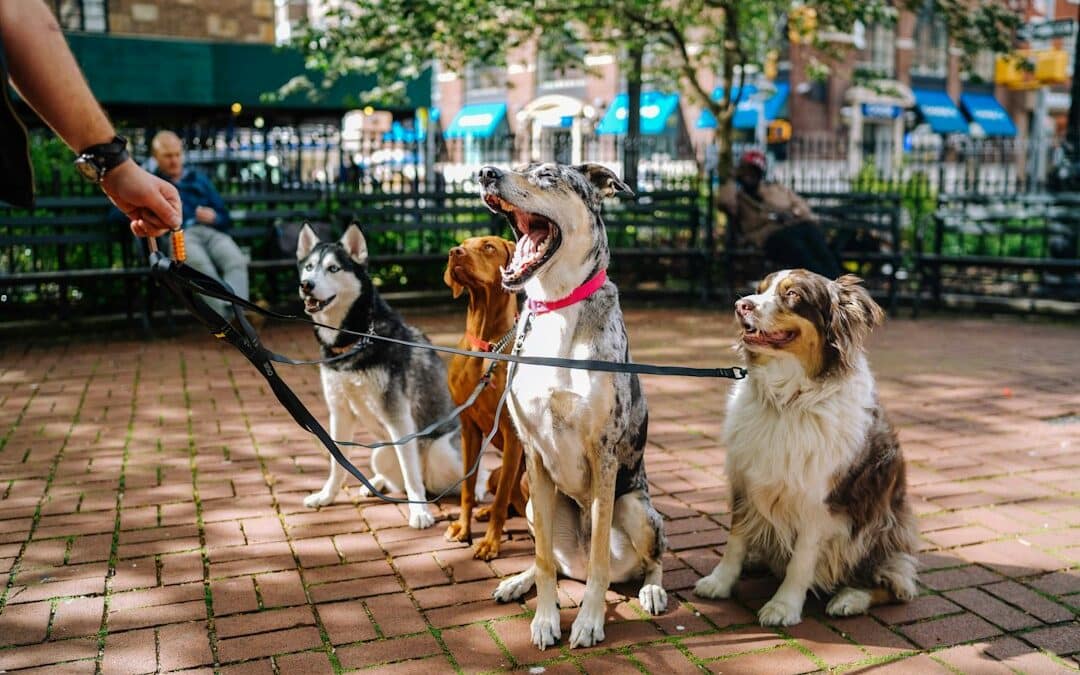
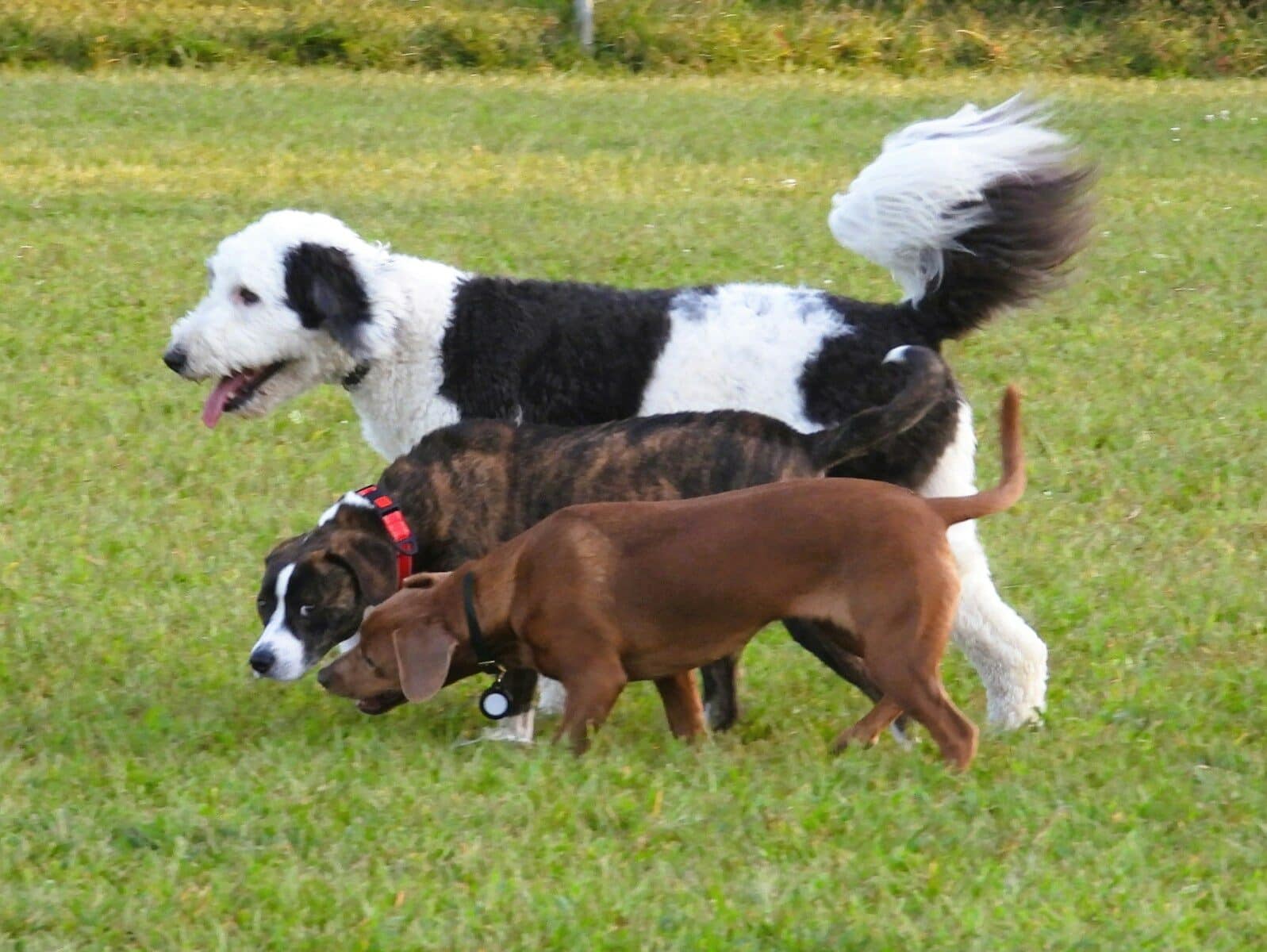
Choosing between group classes and private dog training depends on your dog’s behavior, personality, and daily challenges. Group classes are great for socialization and teaching dogs how to stay calm around distractions, other dogs, and humans. They can help build confidence and improve focus in busy environments.
However, not every dog thrives in a group setting. Dogs struggling with aggression, anxiety, leash reactivity, or overstimulation often need more individualized attention than a basic big box store class can provide.
Private dog training allows us to fully customize the program to your dog’s specific needs. One-on-one sessions typically create faster progress because we can focus directly on the behavior issues happening inside your home and during real-life walks. Private training is also highly recommended for busy owners who need flexible scheduling and practical solutions that fit everyday life.
Common Puppy Challenges We Help Solve
We help owners tackle common puppy struggles like potty training, chewing, biting, crate training, jumping, and leash introduction before those habits become long-term problems.
Starting training early helps create confidence, calmness, and better communication from the beginning. It also gives owners a sense of control and hope during those stressful first few months. With patience, consistency, and the right guidance, your pup can learn how to behave both inside the house and out in the community.
And if your dog is older, do not panic—you are not behind. We routinely help mature dogs break bad habits and move forward with better behavior through clear communication and structure. No matter your dog’s age, breed, or background, we’ve got you covered.
Better Communication Creates a Better Life
Clear communication is the foundation of every well-behaved dog. When your dog understands what is expected, they become calmer, more confident, and easier to live with every day. Treats can be fantastic training tools, but they are only one piece of the puzzle. Real, lasting results come from structure, consistency, and guidance that your dog can clearly understand.
The best training plans are practical and built around your real life—not perfect social media moments. Whether you are dealing with leash pulling, barking, anxiety, or everyday puppy chaos, the goal is simple: less stress, better behavior, and a stronger relationship with your dog.
At Ruff House Dog Training, we are here to help you stop surviving life with your dog and start genuinely enjoying it again.
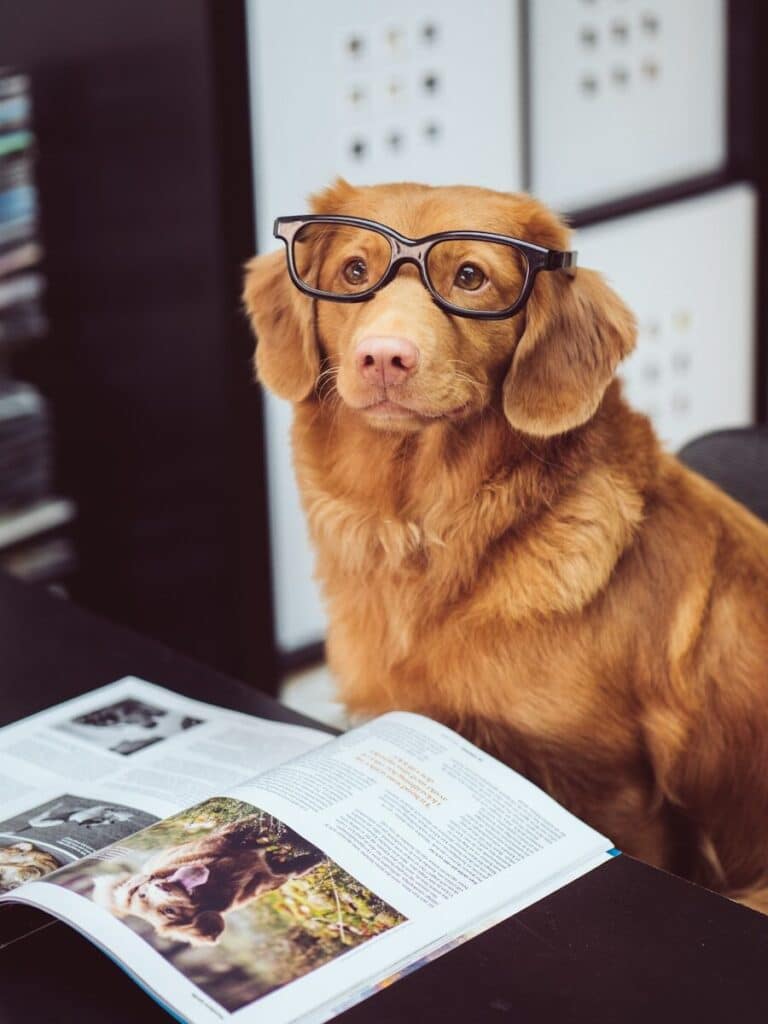
Photo by Jamie Street on Unsplash
Frequently Asked Questions
What treats do dog trainers recommend?
We recommend high-value, soft, and small treats that are easy for dogs to chew quickly. Freeze-dried meats, small pieces of cheese, and plain chicken work great for keeping a dog’s attention.
Should I always use treats when training my dog?
No. Treats are a great tool for teaching new behaviors, but you should gradually fade them out. You want your dog to listen out of respect and clear communication, not just because you have a snack.
How long does dog training take?
Training is an ongoing lifestyle, not a one-time event. However, many owners see significant improvement after a single targeted session, like our 90-Minute Miracle, followed by consistent daily practice.
What age should puppy training begin?
You should start training your puppy the moment you bring them home. Setting clear boundaries and routines early prevents major behavioral issues from developing later.
Can aggressive dogs be trained?
Absolutely. Aggressive behavior usually stems from fear, anxiety, or lack of leadership. With customized training, structure, and professional guidance, aggressive dogs can learn to feel safe and behave calmly.
Are private sessions better than group classes?
It depends on your dog. Private sessions are better for resolving specific behavioral issues like aggression or anxiety, offering faster results and personalized attention. Group classes are excellent for basic socialization around distractions.