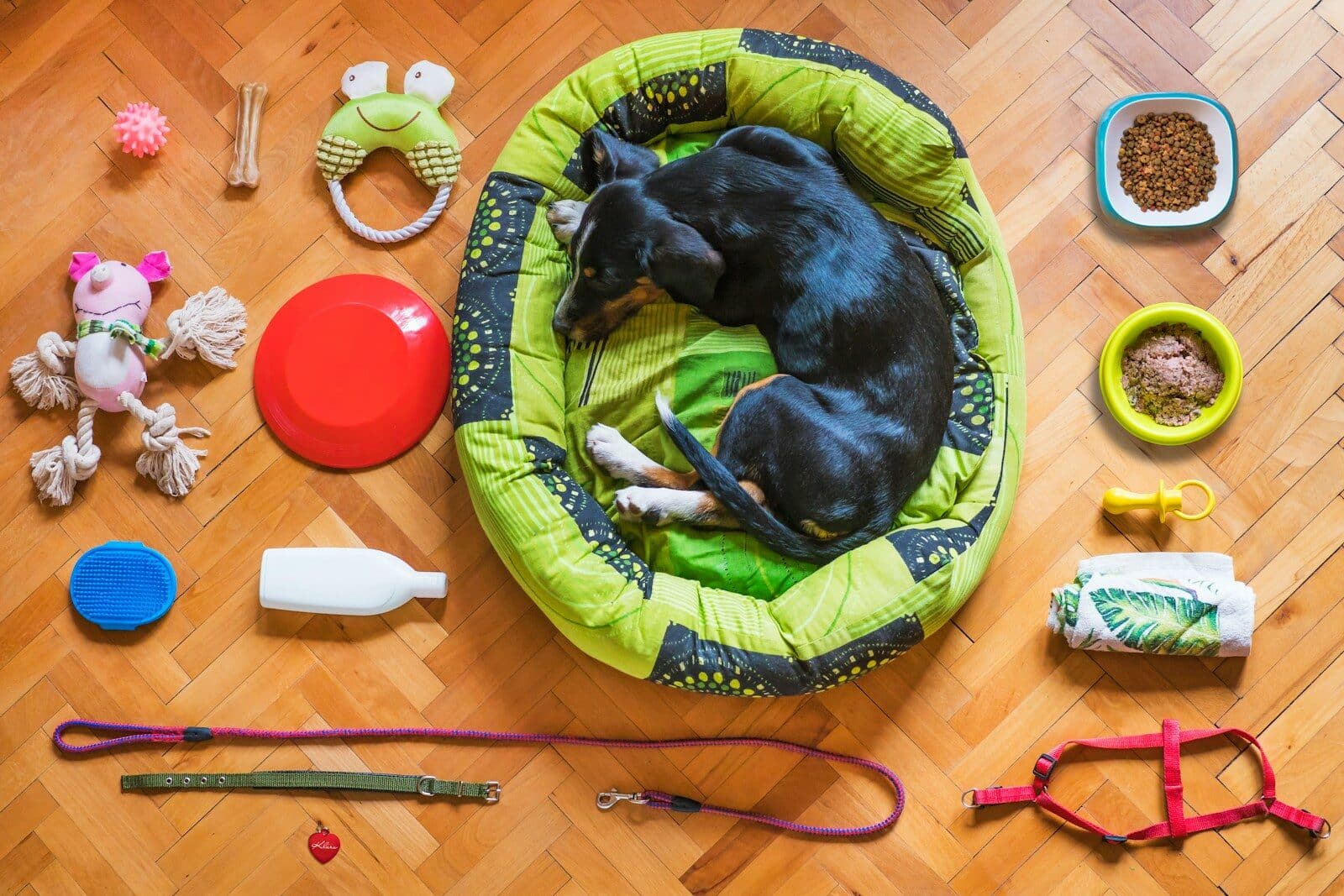
When people hear the phrase dog training tools, they often picture complicated gadgets or specialized dog training equipment used only by professionals.
In reality, most professional dog trainers rely on a small collection of simple training tools that help create clear communication between dogs and their owners.
These tools are not shortcuts, and they are not magic solutions. Instead, they help guide the training process, improve timing, and reinforce behaviors during dog training sessions.
Whether you’re working with a new puppy, an energetic adult dog, or even an older dog learning new habits, the right tools can make training more structured and more enjoyable.
At Ruff House Dog Training, we focus on practical methods that help dog owners build reliable communication with their dogs. Tools support that process, but they never replace patience, consistency, or leadership.
Let’s take a closer look at why dog training tools exist and how trainers actually use them.
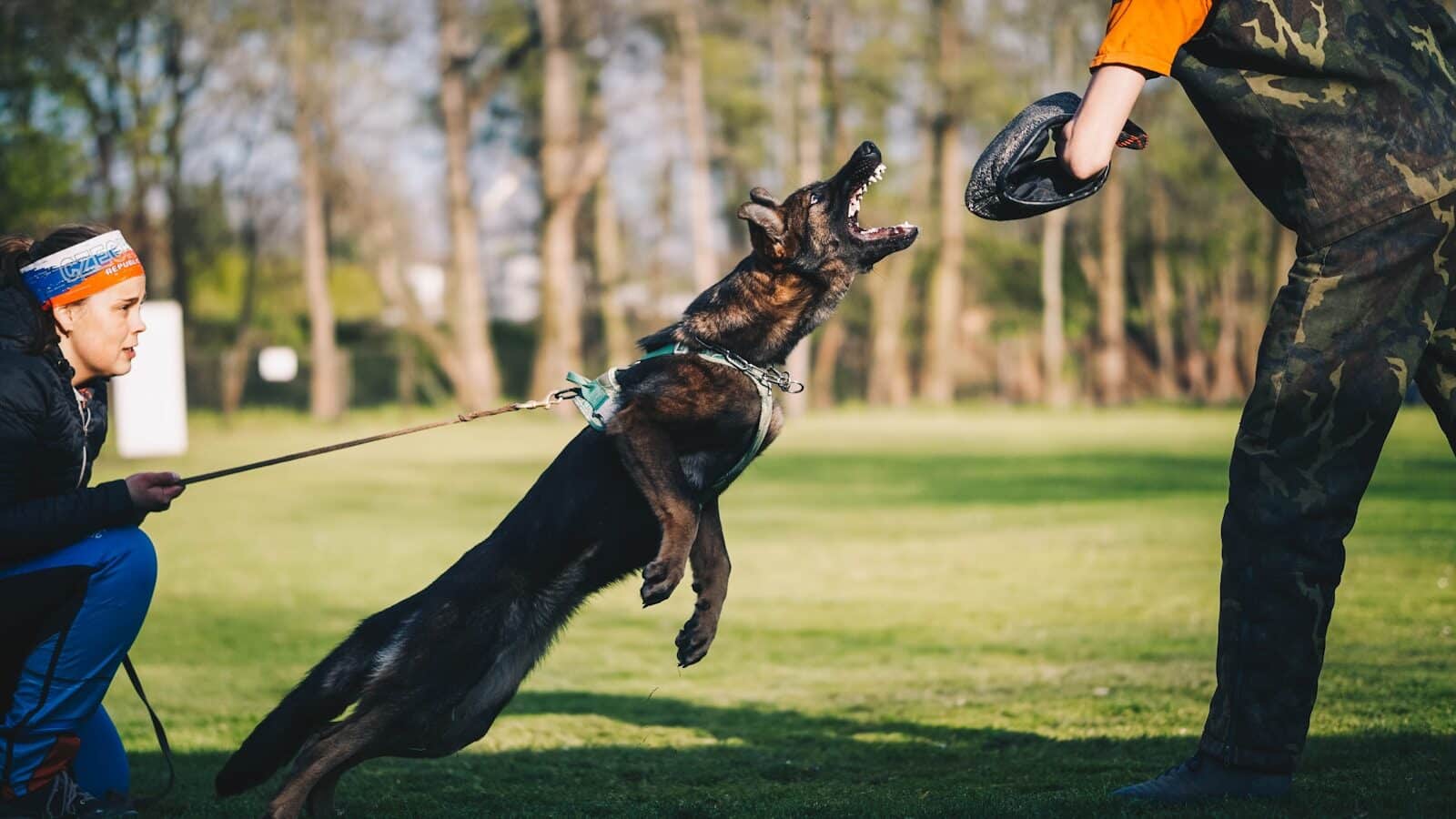
Photo by Anna Dudkova on Unsplash
Why Dog Training Tools Exist
The purpose of dog training tools is simple: they help dogs understand what we are asking them to do.
Dogs do not speak human language, so professional trainers rely on clear signals and repetition when teaching basic commands.
Training tools help make those signals easier for dogs to recognize.
For example:
- Leashes provide control and maintain safety during walks
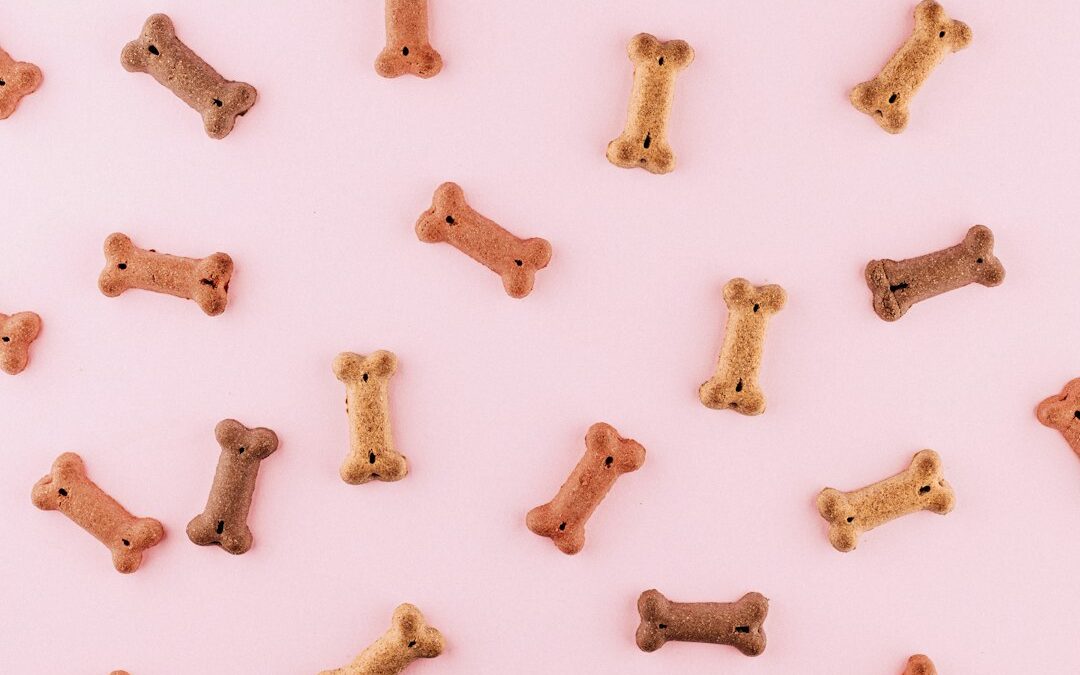
- Treat pouches make it easy to deliver rewards instantly
- Clickers mark the exact moment a dog performs the correct behavior
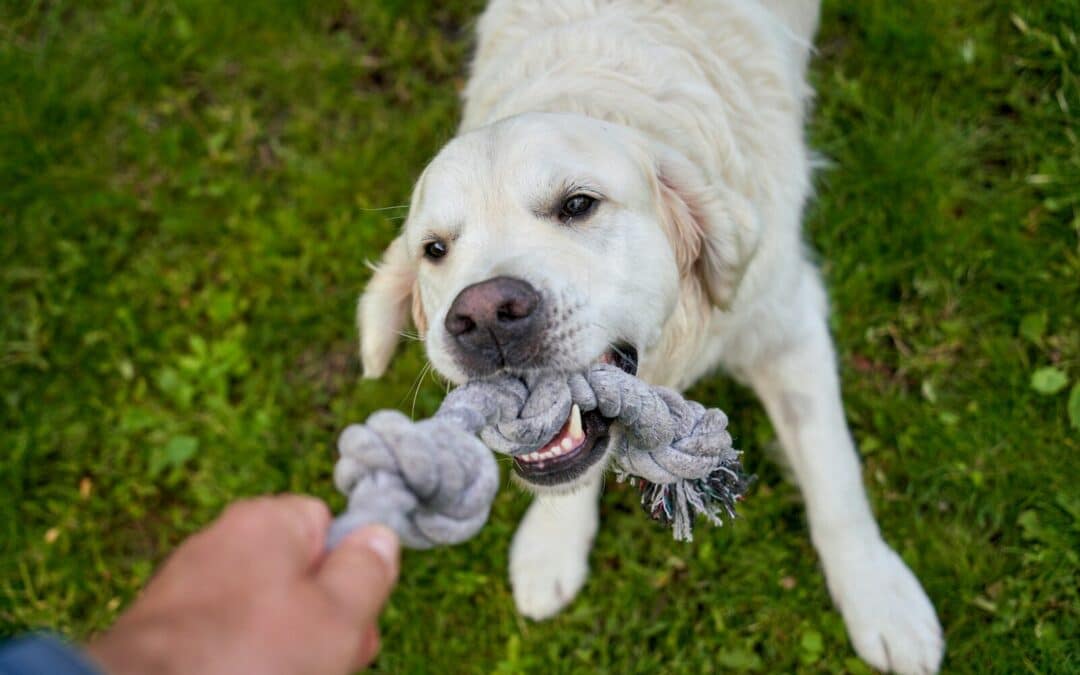
- Interactive toys provide mental stimulation and engagement
These tools support learning by reinforcing the connection between a command and the behavior that follows.
When used correctly, they help dogs understand commands faster and build stronger habits.
Common Dog Training Tools Professional Trainers Use
While there are countless products marketed as essential dog training tools, most trainers rely on a handful of reliable pieces of training equipment.
Each tool serves a specific purpose during the training process.
Leashes and Basic Training Equipment
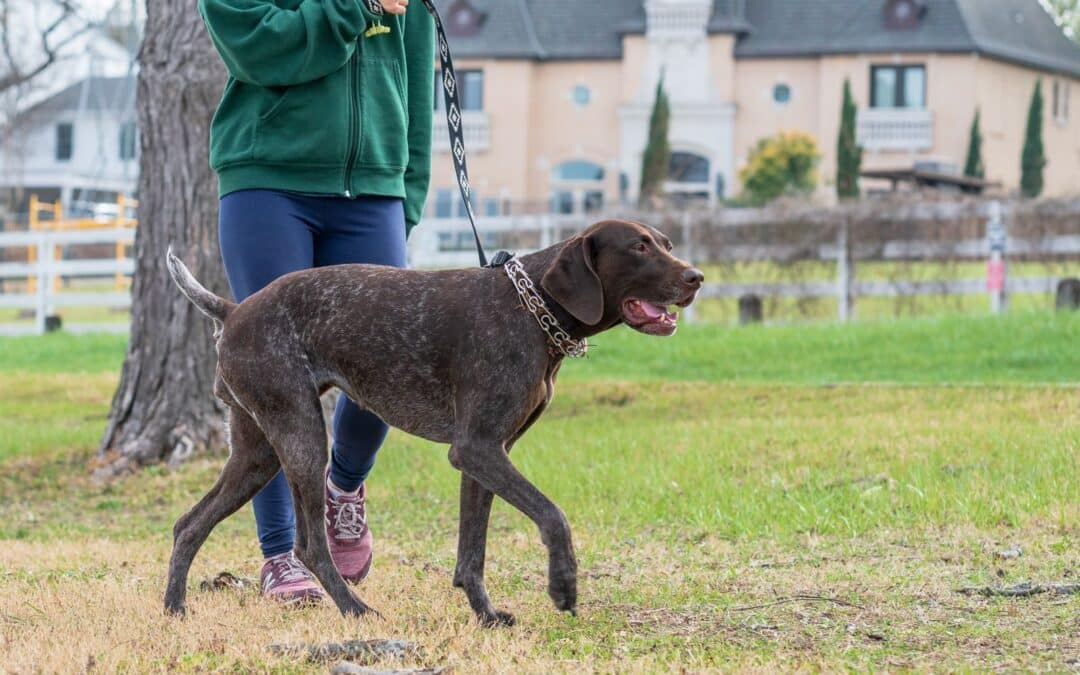
One of the most important pieces of dog training equipment is the leash.
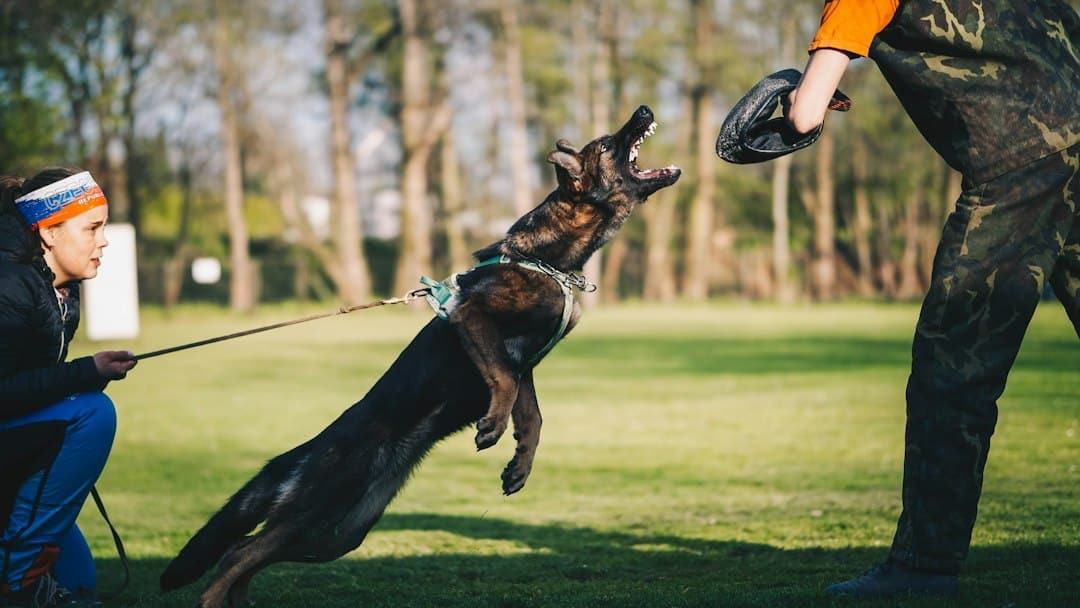
Leashes help maintain control during training sessions and keep both dogs and owners safe while practicing commands in real-world environments.
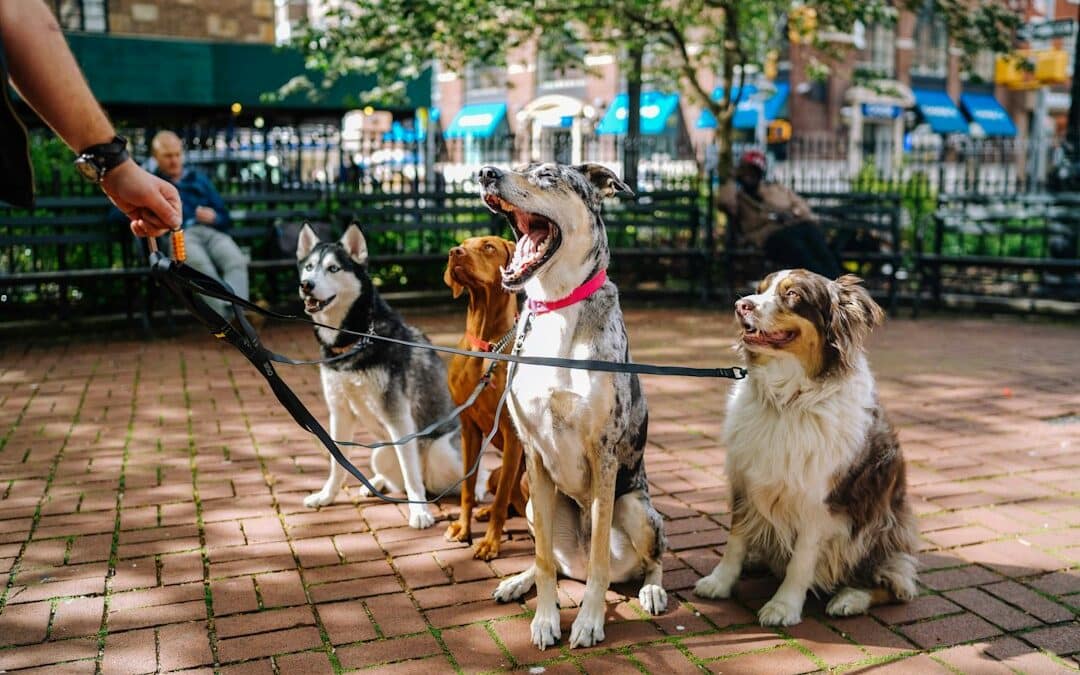
A standard six-foot leash provides the right balance of freedom and structure. It allows dogs to move naturally while still giving trainers the ability to guide behavior when necessary.
High-quality training equipment should always be durable, comfortable, and designed for safety.
Treat Pouches and Rewards
Rewards are a cornerstone of positive reinforcement training.
When a dog performs a command correctly, delivering a reward immediately helps reinforce the behavior.
Many professional dog trainers carry a treat pouch during training sessions so they can quickly access treats without interrupting the flow of the session.
Treat pouches allow trainers to maintain focus and reward dogs at the exact moment the behavior occurs.
This timing is critical for helping dogs understand which action earned the reward.
Clickers and Marker Training
A clicker is another popular tool used in dog training.
Clicker training uses a small device that produces a consistent sound. When the dog performs the correct behavior, the trainer clicks and immediately follows with a reward.
This method helps clearly mark the moment the dog did something right.
Because the sound is consistent every time, dogs quickly learn to associate the click with positive outcomes.
Clickers are especially helpful when teaching basic commands, shaping behaviors, or introducing new tricks.
Interactive Toys and Mental Stimulation
Training isn’t only about commands.
Dogs also benefit from mental engagement, which is where interactive toys come in.
These toys challenge dogs to solve problems, search for rewards, or work through puzzles.
Providing mental stimulation helps reduce boredom and stress while supporting the overall training process.
Many dog owners find that interactive toys improve their dog’s focus and reduce destructive behaviors.
Chew Toys for Healthy Habits
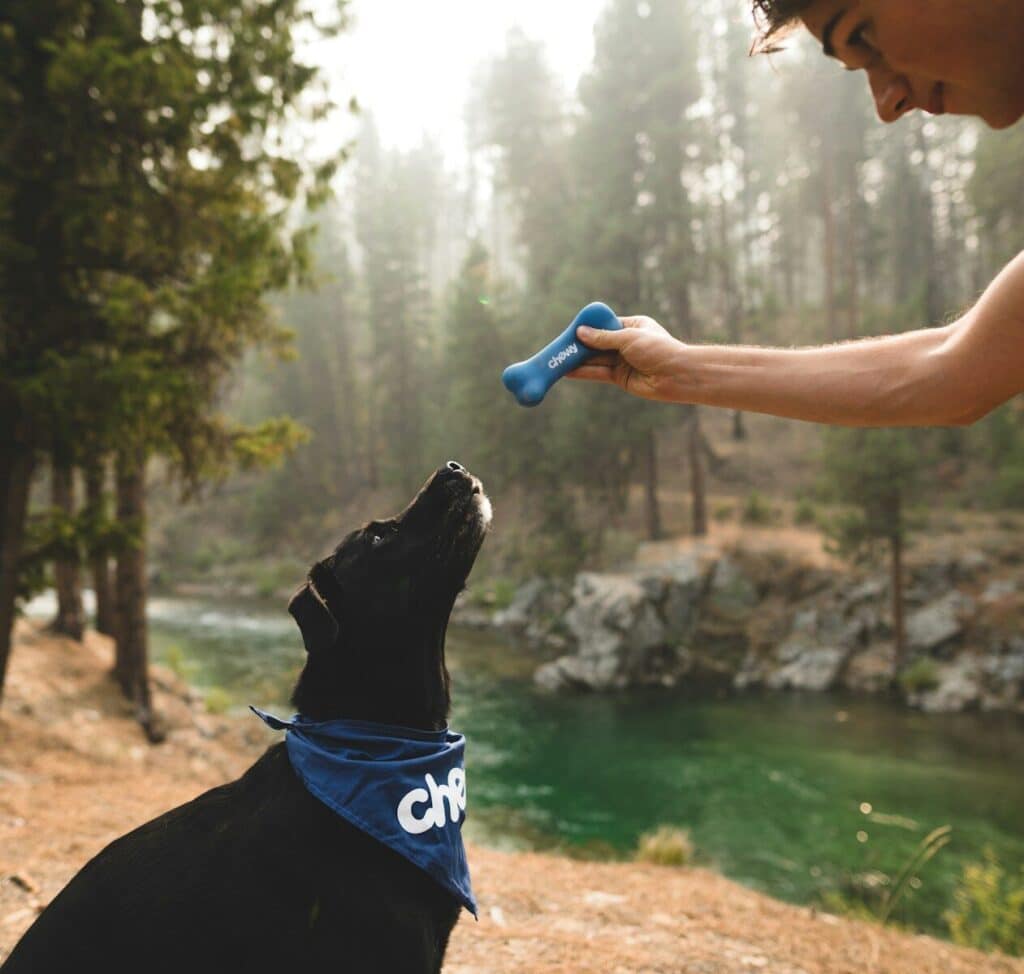
Another useful category of training tools includes chew toys.
Chewing is a natural behavior for dogs, especially puppies.
Providing appropriate chew toys helps redirect chewing away from furniture, shoes, and household items.
High-quality chew toys should be durable, safe, and appropriate for the dog’s size and chewing strength.
These toys help dogs stay occupied while reinforcing positive habits.
Here are seven top dog training tools, along with links to their respective websites for more details:
- High-Value Treats: Essential for positive reinforcement during training. Dogs respond well to single-ingredient treats like beef lung bites. Learn more here.
- Dog Training Clicker: A clicker helps mark the exact moment a dog performs the desired behavior, making training more precise. Find it here.
- Magnetic Silicone Dog Treat Pouch: Keeps treats accessible during training sessions. Easy to clean and convenient to use. Check it out here.
- Long Leash for Recall Training: Ideal for practicing recall commands while ensuring safety. Available in various lengths. Explore options here.
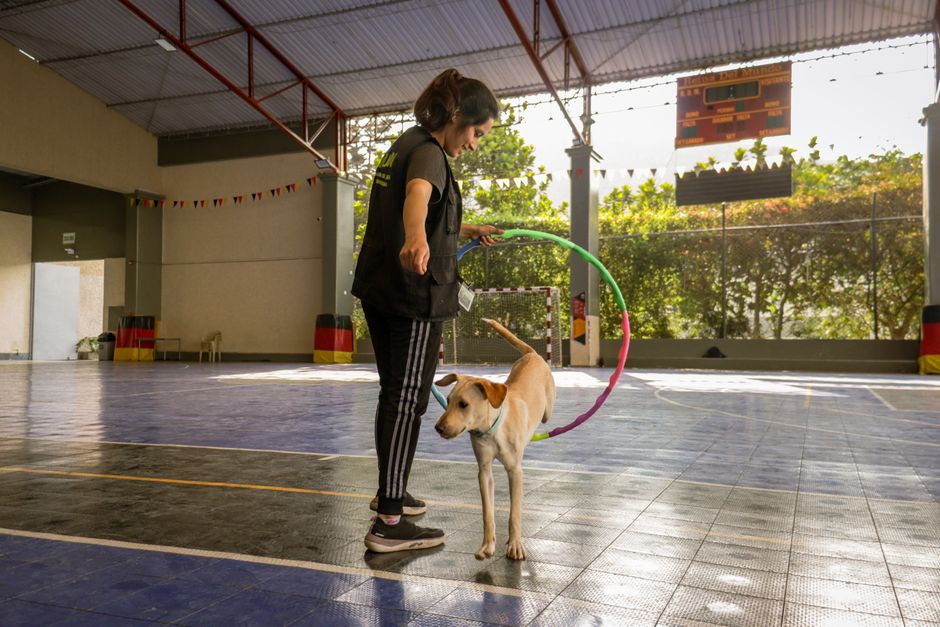
- Adjustable Agility Equipment: Includes hurdles, tunnels, and weave poles for physical conditioning and focus training. Discover more here.
- Gentle Leader Headcollar: A humane alternative to traditional collars, designed to reduce pulling and improve control. Learn more here.
- Kong Classic Stuffable Dog Toy: Provides mental stimulation and helps with crate training or calming during stressful situations. Get it here.
These tools are designed to make training effective, enjoyable, and safe for both you and your dog.
Misconceptions About Dog Training Tools
There are many misconceptions about dog training tools, especially among new dog owners.
One common belief is that tools will solve behavior problems instantly.
In reality, tools are only helpful when they are used consistently within a structured training program.
Another misconception is that professional trainers rely heavily on equipment.
Most professional dog trainers actually use tools sparingly. The primary focus is always on communication, timing, and repetition.
Some people also worry that training tools are harsh or uncomfortable for dogs.
When used correctly and chosen carefully, most tools are designed to support safety, comfort, and clarity during training.
The goal is never to create stress or discomfort for the dog.
Instead, the goal is to guide the dog toward the correct behavior in a clear and understandable way.
How Proper Use of Training Tools Builds Clear Communication
At the heart of all dog training is communication.
Dogs need to understand what behavior is expected, when they perform it correctly, and why it matters.
Training tools help create that clarity.
For example, a trainer may guide a dog into a sit position using a leash while immediately rewarding the dog with a treat from a treat pouch.
Over time, the dog begins to recognize the pattern.
Command → behavior → reward.
As the dog becomes more confident and reliable, the trainer gradually reduces the use of tools and relies more on verbal cues and body language.
This process helps dogs develop reliability in their responses and confidence in their behavior.
The Most Important Tool in Dog Training
While dog training tools can certainly support the process, the most powerful training tool isn’t something you buy.
It’s consistency.
Dogs thrive when expectations remain predictable.
When dog owners practice commands regularly, reinforce good behavior, and remain patient throughout the training process, dogs develop strong habits that last for years.
Tools may support the journey, but leadership and communication are what truly make training successful.

RuffHDT Official Logo
Start Your Dog’s Training Journey Today
If you’re feeling overwhelmed by the number of dog training tools available today, remember that training doesn’t require an entire collection of equipment.
A few well-chosen tools, combined with consistency and guidance, can make dog training far more effective and enjoyable.
At Ruff House Dog Training, we help families throughout Washington D.C., Maryland, and Virginia build practical training systems that work in everyday life.
Whether you’re raising a new puppy, working with an older dog, or trying to improve obedience and reliability, our programs are designed to support both dogs and their owners.
Book your training session today.
Claim your spot and start building better communication with your dog.
Because your dog won’t train himself.