Life with a dog should be fun, relaxing, and rewarding. But if your dog is constantly pulling on the leash, jumping on guests, or barking at every sound outside the window, everyday life can start to feel stressful.
That’s where obedience training for dogs comes in.
As a dog trainer serving families in Mount Vernon, Virginia, and the surrounding DMV area, I see firsthand how the right dog training approach can transform a dog’s behavior and improve daily routines for both dogs and their humans.
Whether you’re raising a new puppy, working with a young dog, or trying to help an adult dog overcome frustrating behavior challenges, structured dog obedience training helps build the foundation for a calm, confident, and well-behaved pet.
Let’s walk through what obedience training includes, why it matters, and how it can improve your dog’s life.
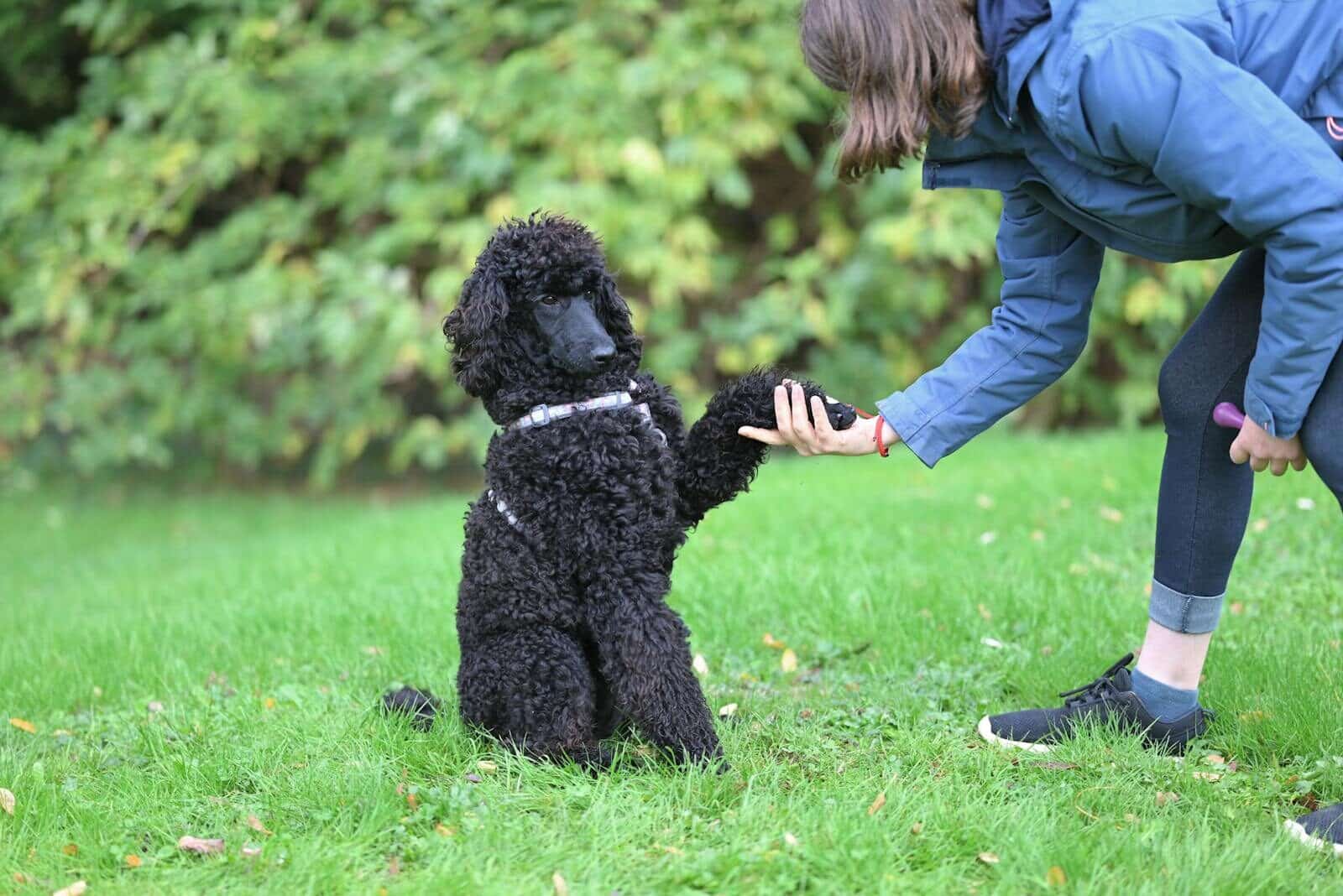
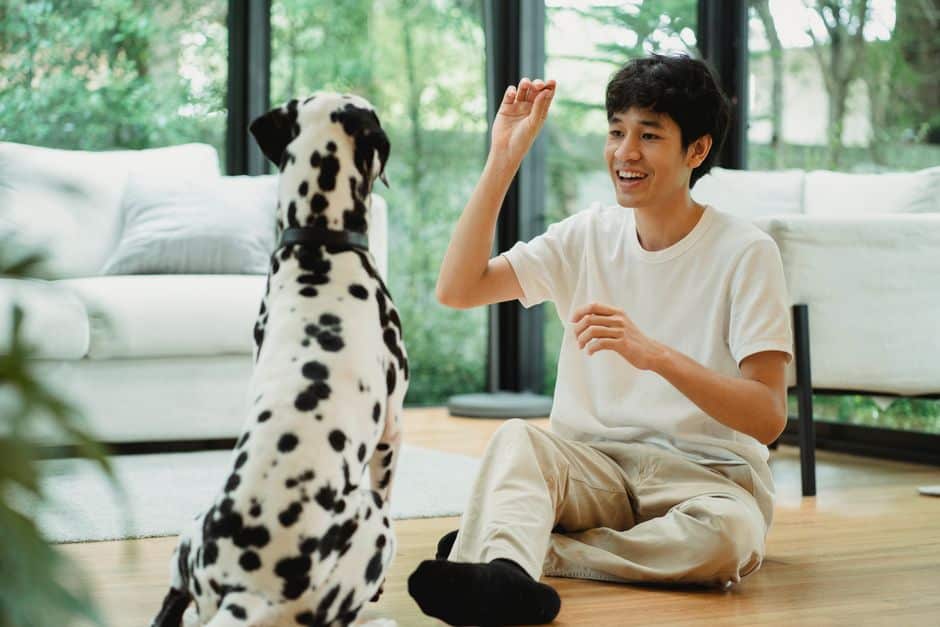
Photo by JacLou- DL on Pexels
What Dog Obedience Training Includes
At its core, dog obedience training focuses on teaching dogs how to respond to basic commands, communicate clearly with their owners, and behave calmly in a variety of environments.
A structured basic obedience training program typically teaches dogs essential basic cues, including:
- Sit
- Stay
- Down
- Come when called
- Loose leash walking
- Leave it
- Place or settle
These basic commands may sound simple, but they form the foundation of good dog behavior.
Once a dog learns these basics, they can begin developing advanced skills that help them behave confidently in various situations, including busy neighborhoods, parks, and social gatherings.
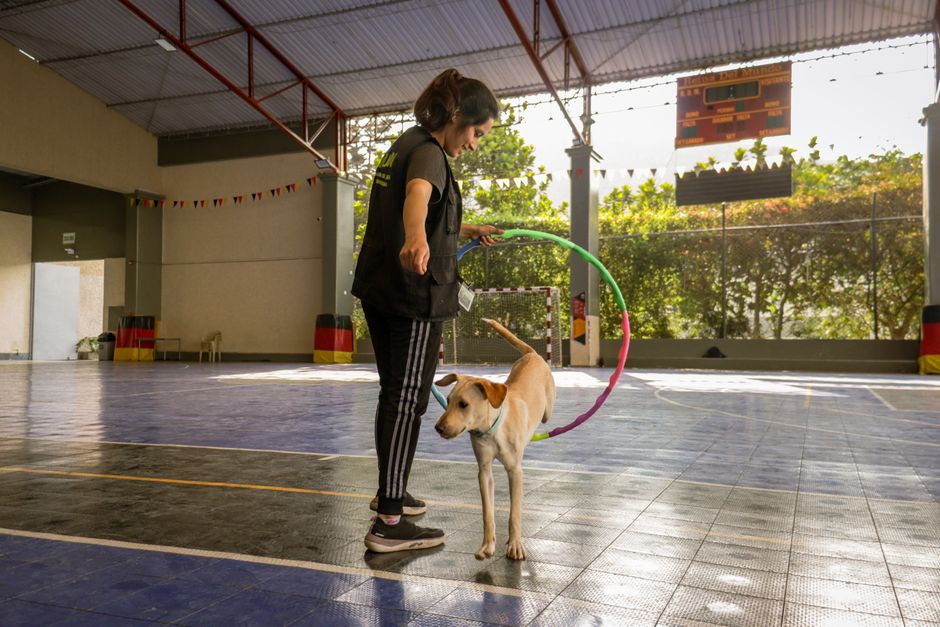
For many dogs, training also includes techniques like clicker training, which uses a marker sound to reward the exact moment a dog performs the correct behavior. This helps dogs form positive associations with learning and makes training more engaging.
Most importantly, dog training methods today focus on positive reinforcement, using treats, praise, and rewards to encourage good behavior rather than punishment.
Common Dog Behavior Challenges
Many pet parents reach out for help because their dog is struggling with everyday behavioral issues.
Some of the most common challenges we address in training sessions include:
- Excessive barking
- Leash pulling
- Jumping on people
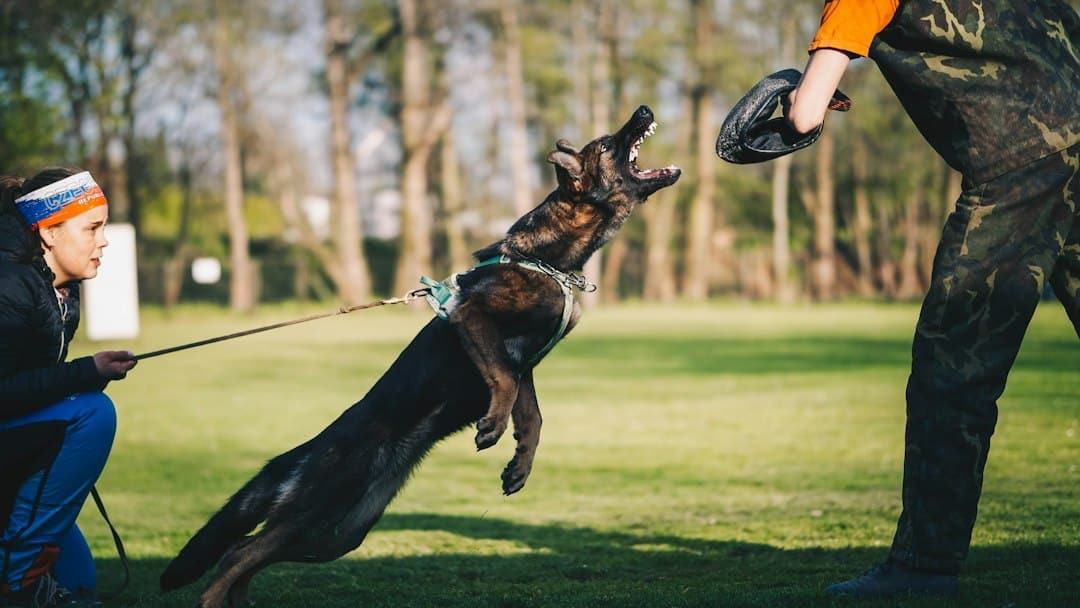
- Difficulty focusing around other dogs
- Reactivity toward other animals
- Separation anxiety
- Destructive chewing
These issues are incredibly common, especially for dogs living in active suburban communities like Mount Vernon.
The good news is that most dogs can make huge improvements with the right training methods, consistency, and practice.
Often, the key is identifying the root cause of the behavior rather than simply correcting the symptoms.
For example, excessive barking may be linked to boredom, lack of mental stimulation, or anxiety.
That’s why a professional dog trainer focuses on understanding your dog’s body language, environment, and learning style.
How Dog Training Improves Quality of Life
When people hear the phrase dog obedience training, they sometimes think it’s only about teaching dogs to follow commands.
In reality, good dog training improves almost every part of dog ownership.
A well-trained dog can:
- Walk calmly on a loose leash
- Respond to commands even around distractions
- Relax at home without destructive behavior
- Interact safely with other dogs and people
- Feel confident in new environments
For many families, this dramatically reduces stress and improves everyday routines.
Training also provides important mental stimulation for dogs. Learning new skills, practicing commands, and solving problems helps keep dogs engaged and fulfilled.
Over time, this leads to better behavior, stronger communication, and a healthier relationship between dogs and their owners.
Dog Training Methods That Work
There are many dog training methods, but the most effective programs focus on clear communication and consistent reinforcement.
Modern dog training often includes:
- Positive reinforcement
- Clicker training
- Structured repetition
- Real-world practice with distractions
- Clear timing of rewards
These approaches help dogs learn faster and develop lasting habits.
One thing I always emphasize with pet parents is that training is not about forcing behavior. It’s about helping a dog understand what is expected.
When dogs clearly understand commands and receive rewards for good behavior, they become more confident and eager to learn.
This makes training not only effective but also fun for both the dog and the owner.
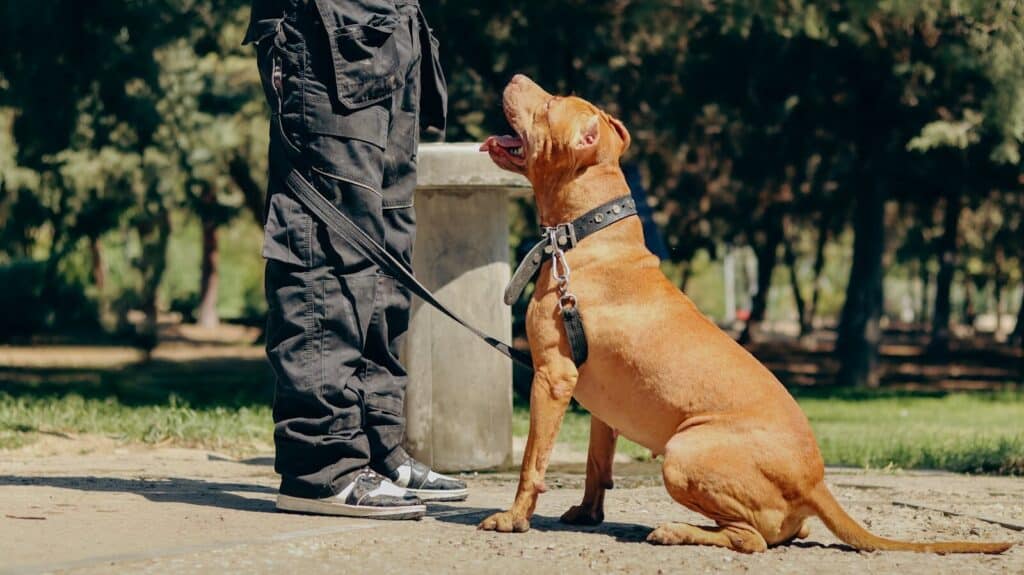
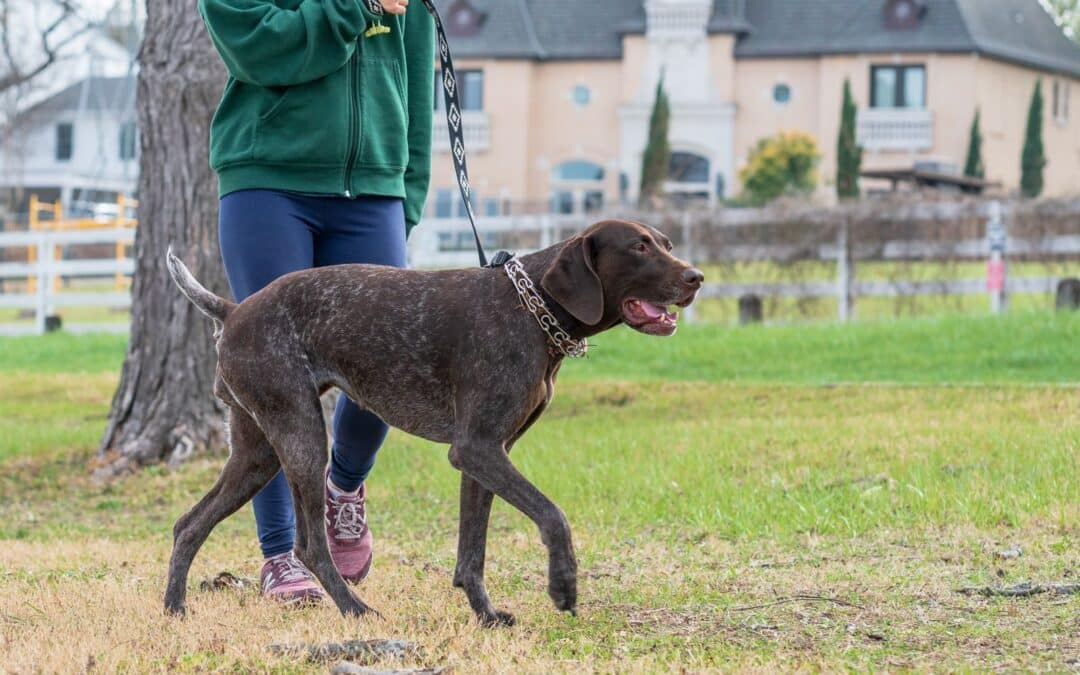
Photo by Mehdi Gholipour on Pexels
The Importance of Early Socialization
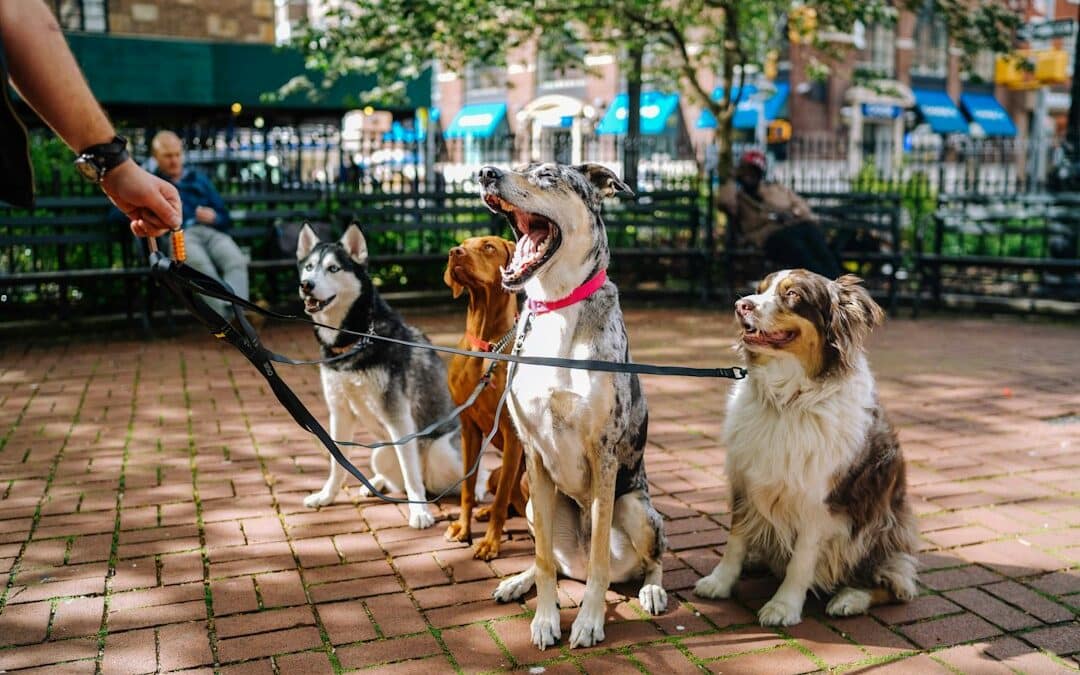
One of the most important parts of raising a well-behaved dog is early socialization.
This is especially important for a puppy or young dog.
Early exposure to different people, environments, and other animals helps dogs develop confidence and reduces fear-based reactions later in life.
A structured puppy obedience training program often includes:
- Social exposure to people and dogs
- Practice in controlled environments
- Learning basic commands
- Confidence-building exercises
Even older dogs can benefit from socialization training. With the right guidance and patience, most dogs can learn to navigate the world calmly.
When to Start Training Your Dog
Many pet parents ask when the best time to start training dogs is.
The short answer?
Start as early as possible.
A new puppy can begin learning simple basic cues and house rules within the first few weeks of arriving home.
However, training isn’t just for puppies.
Even older dogs can learn new skills and improve their behavior through structured training sessions.
Consistency is the most important thing. Short daily practice sessions, repetition, and positive reinforcement help dogs develop habits that last for life.

LOGO
Looking for a Dog Trainer in Mount Vernon?
If you’re struggling with barking, leash pulling, or other behavior challenges, you don’t have to figure it out alone.
At Ruff House Dog Training, we work with pet parents throughout Mount Vernon, Virginia and the greater DMV area to help dogs develop strong obedience, confidence, and calm behavior.
Our programs focus on real-world training that works in everyday life — from neighborhood walks to family gatherings and busy parks.
With structured training sessions, supportive coaching, and proven techniques, we help dogs become calmer, more responsive companions.
Start training today.
Book your training session and take the first step toward a happier home and a better relationship with your dog.
From chaos to calm, let’s do this.
Obedience Training for Dogs: | Resources and Helpful Information
American Kennel Club (AKC) Training Resources: The AKC offers a wealth of information on basic obedience training, including step-by-step guides and tips for training your dog at home. Visit AKC Training Resources
ASPCA Dog Training Tips: The ASPCA provides practical advice on positive reinforcement techniques and solutions for common behavioral issues. Explore ASPCA Training Tips
Victoria Stilwell’s Positively Training: Renowned dog trainer Victoria Stilwell shares articles, videos, and advice on positive, reward-based training methods. Learn More at Positively
Dog Training Advice and Support (Facebook Group): A supportive online community where dog owners can share experiences, ask questions, and get advice from experienced trainers and fellow pet parents. Join the Facebook Group
The Humane Society’s Dog Training Guide: This guide covers the basics of obedience training, including crate training, leash manners, and socialization. Check Out the Humane Society’s Guide
Karen Pryor Clicker Training: A leader in clicker training, Karen Pryor’s website offers resources for teaching your dog through positive reinforcement and clicker techniques. Visit Karen Pryor Clicker Training