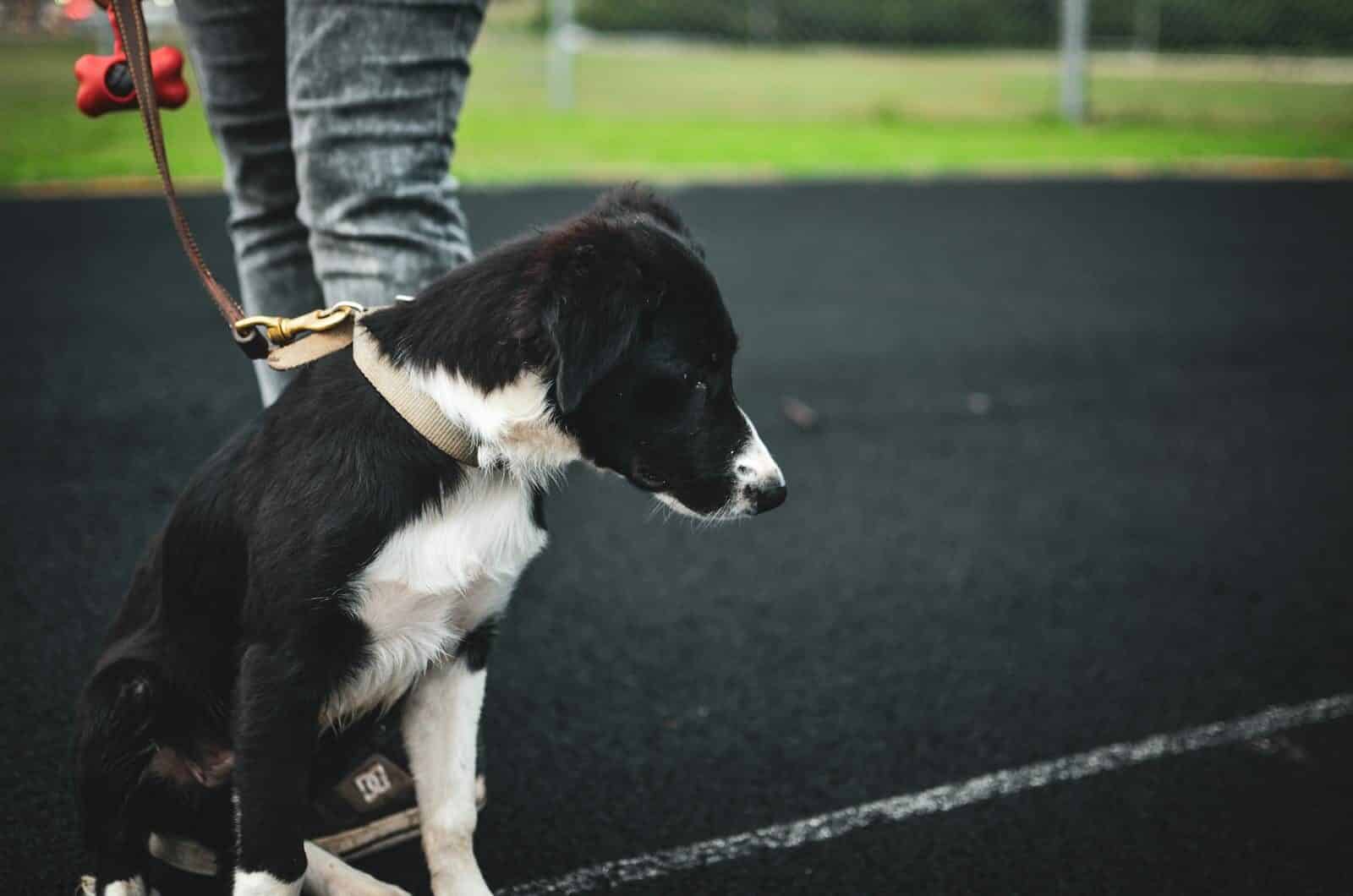
Living with a dog should feel enjoyable, not overwhelming. But if your dog pulls on the leash, barks at every passerby, or struggles to listen around distractions, everyday routines can become frustrating.
That’s where obedience training for dogs can make a real difference.
As a dog trainer working with families in Fairfax, Virginia, and across the DMV, I often meet pet parents who feel unsure whether their dog actually needs professional dog training. The truth is that most dogs benefit from structured basic obedience training, whether they’re a new puppy, a young dog, or even an older dog.
This guide will help you identify whether your dog may benefit from dog obedience training and how the right training program can improve both your dog’s behavior and your daily life.
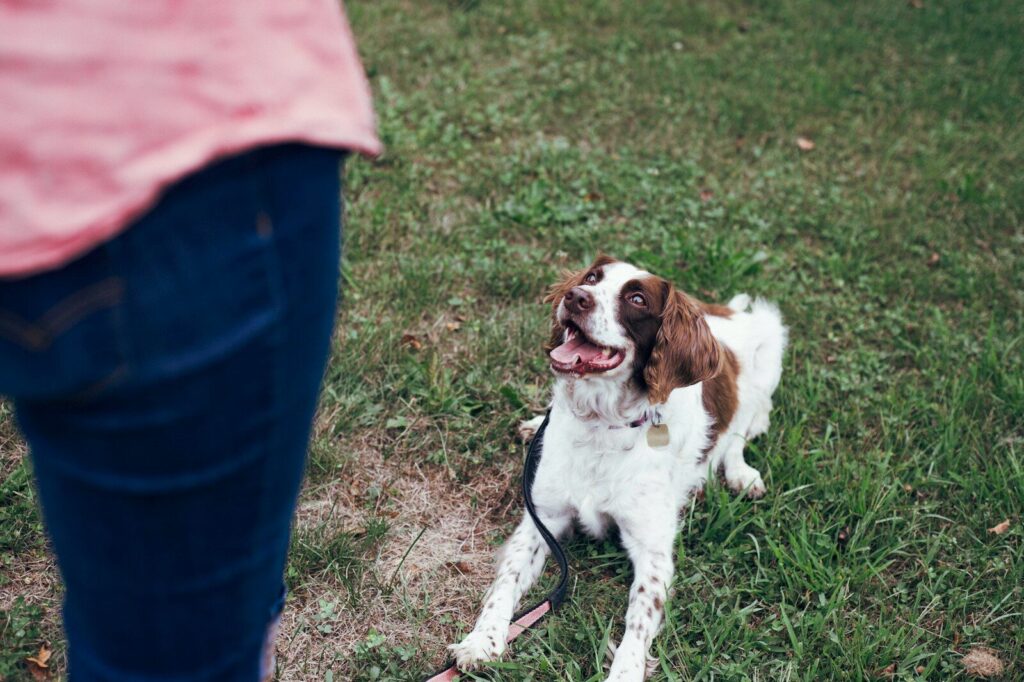
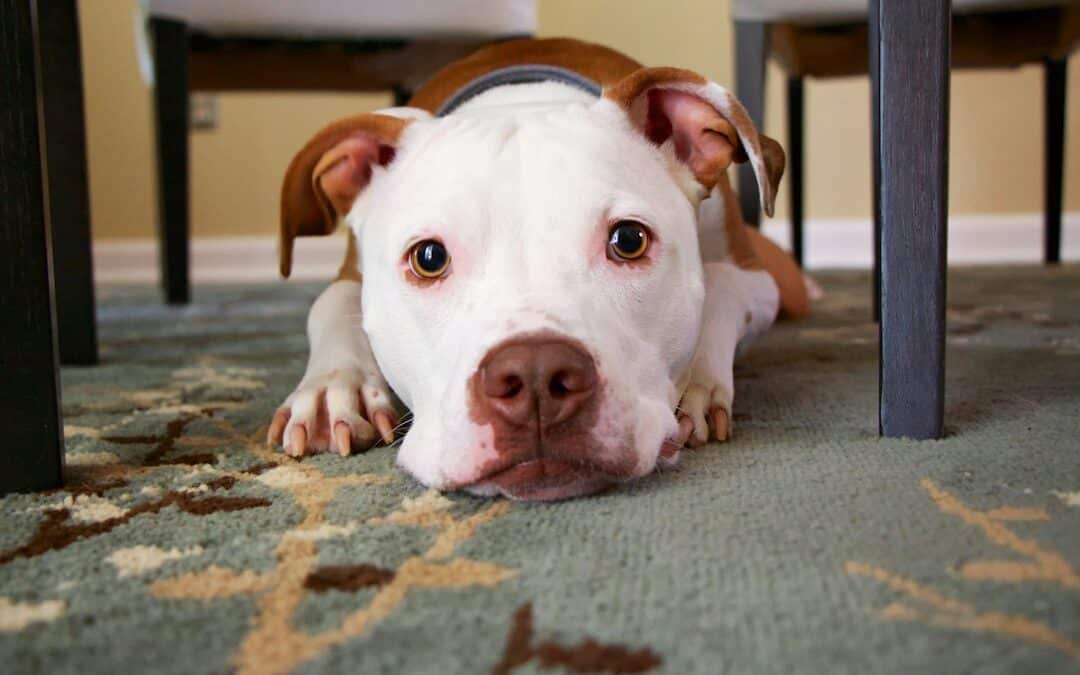
Photo by Destiny Wiens on Unsplash
Signs Your Dog Needs Dog Obedience Training
Many pet owners wait until behavior problems become overwhelming before reaching out to a professional dog trainer.
But small challenges are often early signals that your dog could benefit from structured training sessions.
Here are some common signs your dog may benefit from dog obedience training.
Your Dog Pulls on the Leash
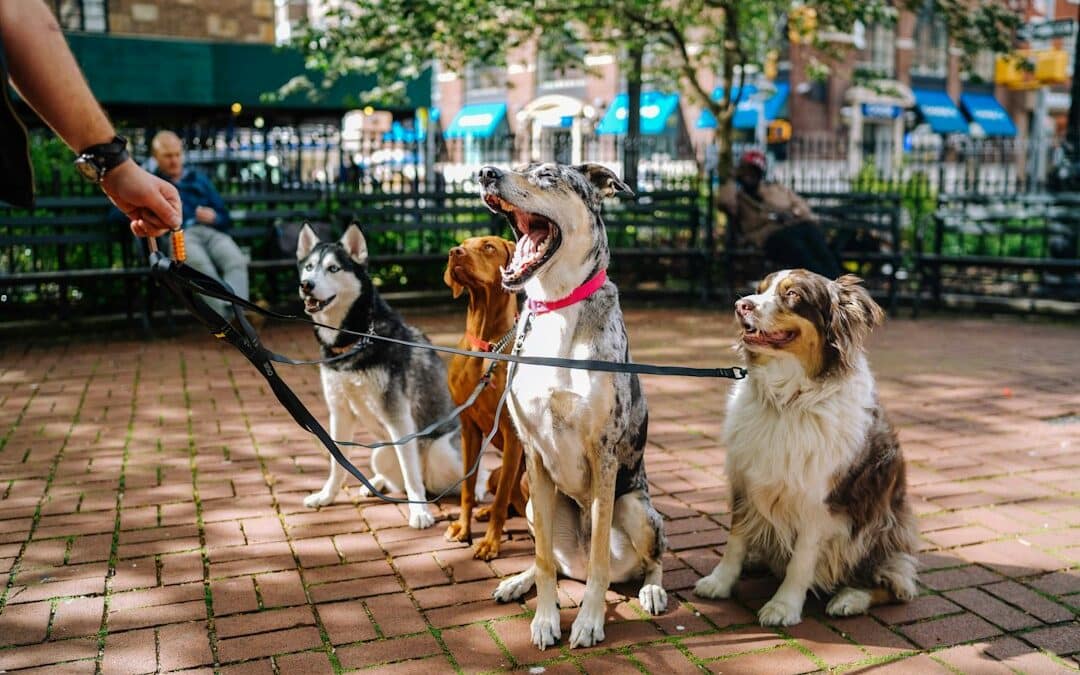
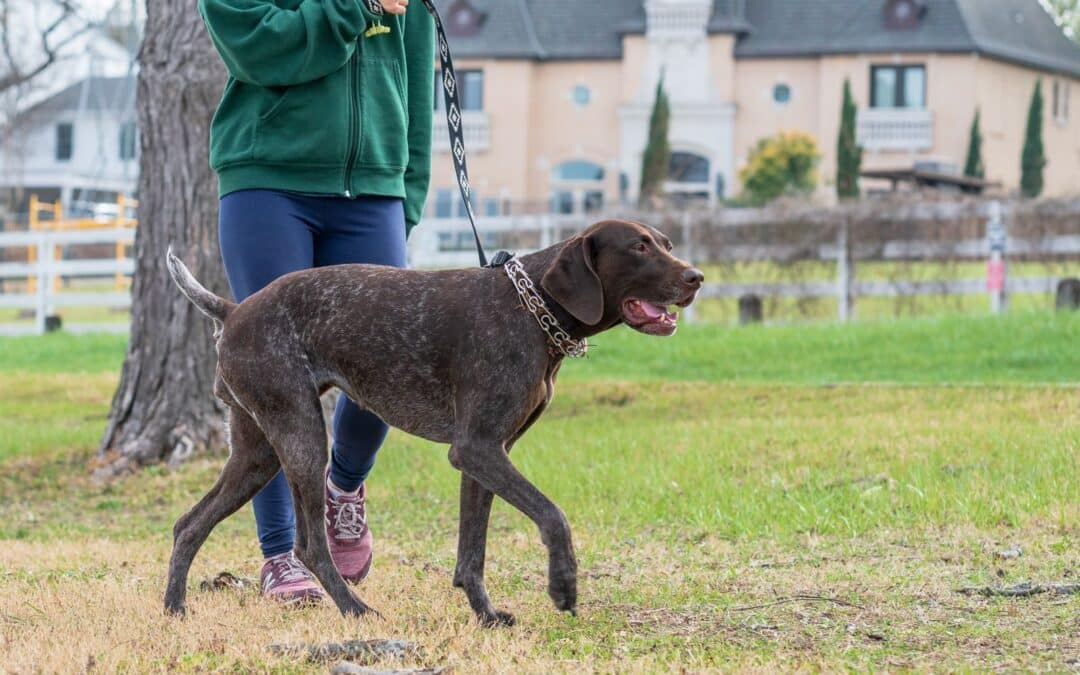
If walks feel like a tug-of-war, your dog may need help learning loose leash walking. Teaching dogs how to stay calm on a leash improves safety and makes daily walks more enjoyable.
Your Dog Ignores Basic Commands
Many dogs struggle to consistently follow basic commands like sit, stay, or come when called.
Without regular practice, dogs may not fully understand what is expected of them. A structured basic obedience class helps reinforce these basic cues and builds reliable habits.
Your Dog Reacts to Other Dogs or Animals
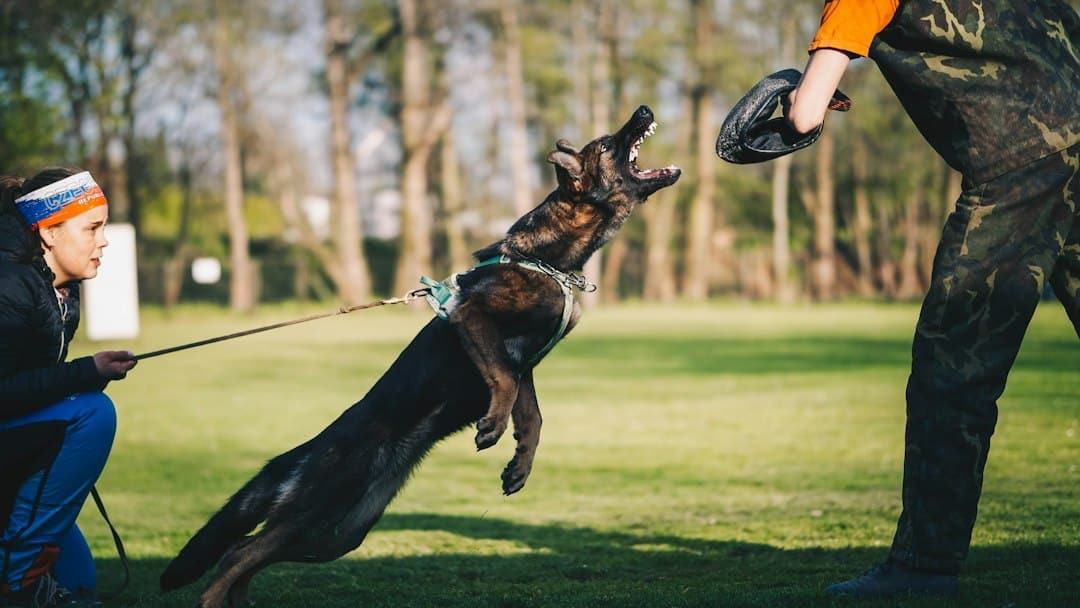
If your dog barks, lunges, or becomes overly excited around other dogs or other animals, structured training sessions can help address the root cause of that behavior.
Excessive Barking or Destructive Behavior
Excessive barking, chewing, or restlessness often happens when dogs lack mental stimulation or clear boundaries.
Training provides the foundation dogs need to develop good behavior at home.
Your Dog Struggles With Focus
Dogs living in active areas like Fairfax often encounter distractions everywhere.
A well-designed training program helps dogs stay calm and responsive in various situations, even when exciting things are happening nearby.
Owner Readiness Checklist for Dog Training
Successful dog training is not just about teaching dogs. It also involves helping owners build the skills needed to guide their dogs consistently.
Before beginning dog obedience training, ask yourself these questions.
Are You Ready to Practice With Your Dog?
Training doesn’t end after a session with a trainer.
Dogs learn best through repetition. Daily practice at home helps reinforce commands, behaviors, and expectations.
Are You Willing to Learn Your Dog’s Body Language?
Understanding body language is one of the most important things dog owners can learn.
When you can recognize signs of stress, excitement, or confusion, you can guide your dog more effectively.
Can You Stay Consistent With Rules?
Dogs thrive when expectations stay the same.
For example, if your dog is not allowed on the couch, that rule should remain consistent for everyone in the family.
Consistency helps dogs understand what behavior is expected.
Are You Open to Positive Training Methods?
Modern dog training methods focus on positive reinforcement, rewarding the behavior you want to see.
Using treats, praise, or toys as a reward helps dogs build positive associations with learning.
This approach helps dogs stay motivated while building confidence.
What Dog Training Can Improve
One of the biggest misconceptions about dog obedience training is that it’s only about teaching commands.
In reality, training improves nearly every part of dog ownership.
A well-trained dog can:
- Walk calmly with a loose leash
- Respond reliably to basic commands
- Stay focused on distractions
- Interact safely with other dogs
- Remain calm around guests or new environments
Training also provides essential mental stimulation.
When dogs learn new skills, practice tricks, and engage in structured training exercises, they become more relaxed and fulfilled.
Over time, this leads to better dog behavior, improved communication, and a stronger relationship between dogs and their owners.
Dog Training Methods That Help Dogs Learn
Different training methods can be used to help dogs develop strong habits.
At Ruff House Dog Training, we focus on positive reinforcement, clear communication, and structured practice.
Some common approaches include:
Clicker Training
Clicker training uses a marker sound to identify the exact moment a dog performs the correct behavior.
This method helps dogs quickly connect actions with rewards, strengthening learning.
Reward-Based Training
Reward-based training encourages dogs to repeat good behavior by offering treats, praise, or play.
This creates strong positive associations and keeps training engaging.
Real-World Practice
Training should prepare dogs for real life.
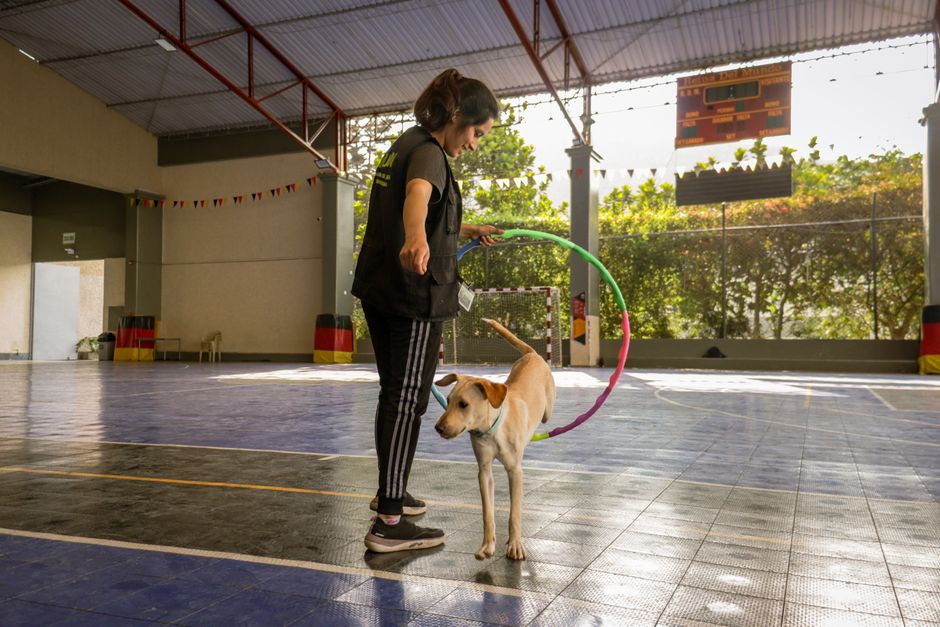
We practice skills in various situations, including neighborhood walks, public environments, and encounters with other dogs.
This helps dogs stay calm even when facing distractions.
The Importance of Early Socialization
One of the most valuable things you can do for a puppy is begin training early.
Early socialization introduces dogs to new people, environments, and animals in a controlled way.
This helps prevent fear-based behaviors later in life.
Puppy obedience training often focuses on:
- Socialization
- Basic commands
- Confidence-building exercises
- Exposure to new experiences
However, it’s never too late to start training.
Even older dogs can develop new skills and improve their behavior with consistent training.
Start Training Today
If you’ve noticed some of the signs in this checklist, your dog may benefit from professional dog training.
At Ruff House Dog Training, we work with pet parents across Fairfax, Virginia, and the surrounding DMV area to help dogs become calmer, more responsive companions.
Our programs focus on practical, real-world training that fits into everyday routines, from neighborhood walks to family gatherings.
Whether you’re raising a new puppy, helping a young dog build confidence, or working with an adult dog who needs guidance, the right training program can transform your dog’s behavior.
Book your session and take the first step toward a calmer home, clearer communication, and a stronger relationship with your dog.
Because your dog won’t train himself.

LOGO
Resources on Obedience Training For Dogs
The Humane Society’s Dog Training Guide: This guide covers the basics of obedience training, including crate training, leash manners, and socialization. Check Out the Humane Society’s Guide
Karen Pryor Clicker Training: A leader in clicker training, Karen Pryor’s website offers resources for teaching your dog through positive reinforcement and clicker techniques. Visit Karen Pryor Clicker Training
American Kennel Club (AKC) Training Resources: The AKC offers a wealth of information on basic obedience training, including step-by-step guides and tips for training your dog at home. Visit AKC Training Resources
ASPCA Dog Training Tips: The ASPCA provides practical advice on positive reinforcement techniques and solutions for common behavioral issues. Explore ASPCA Training Tips
Victoria Stilwell’s Positively Training: Renowned dog trainer Victoria Stilwell shares articles, videos, and advice on positive, reward-based training methods. Learn More at Positively
Dog Training Advice and Support (Facebook Group): A supportive online community where dog owners can share experiences, ask questions, and get advice from experienced trainers and fellow pet parents. Join the Facebook Group