Do you need a dog trainer in Frederick, Maryland, but don’t know where to start??
Living with a dog should be enjoyable, not stressful. However, many dog owners in Frederick, Maryland, find themselves struggling with common behavior problems that make everyday life challenging. From excessive barking and destructive chewing to leash pulling, jumping, anxiety, aggression, and poor house manners, these issues can quickly create frustration for both dogs and their families.
The good news is that most behavior problems can be improved with proper dog training, clear communication, and consistent guidance. Dogs are not born knowing household rules, and many unwanted behaviors develop simply because they have never been properly taught what is expected of them.
At Ruff House Dog Training, the focus is on providing practical, real-world dog training solutions that fit each dog’s unique temperament and each family’s lifestyle. Rather than relying on one-size-fits-all methods, every training program is customized to help owners build better communication, improve behavior, and create a calmer, happier home. Whether working with a new puppy, an older dog, or a dog struggling with behavioral challenges, the goal is always the same: lasting results that improve life for both dogs and their owners.

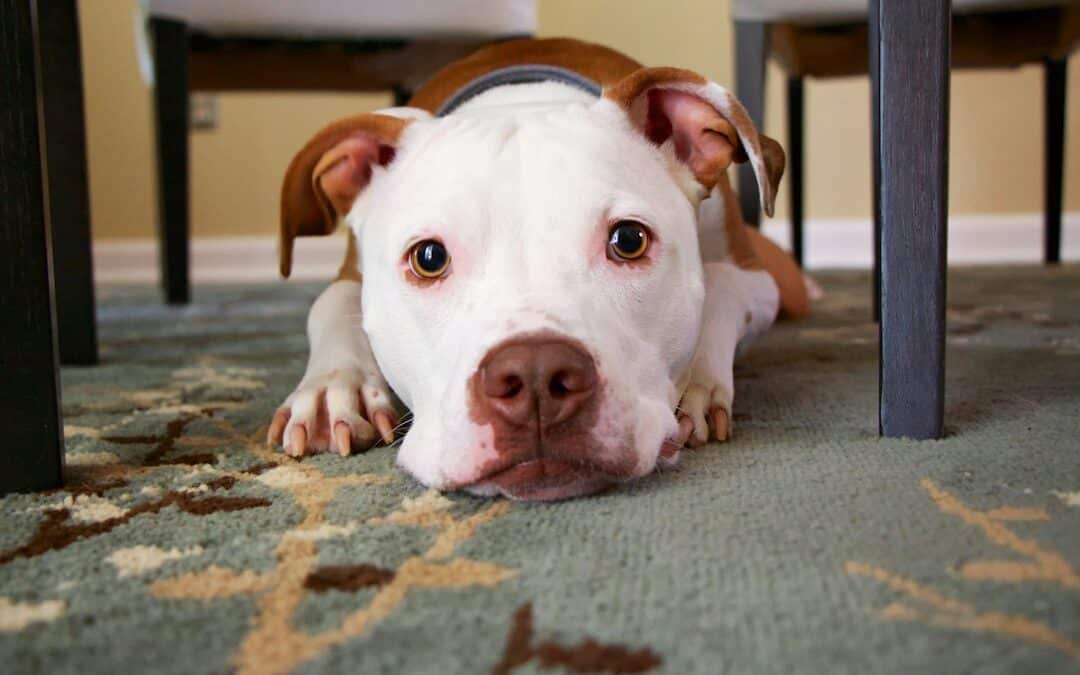
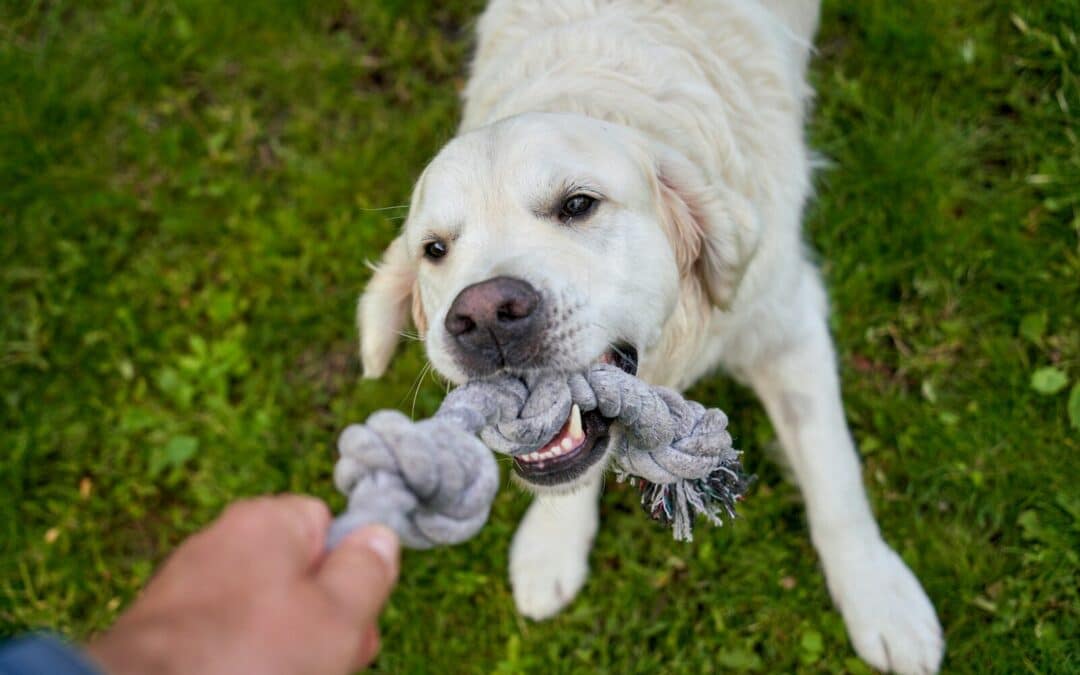
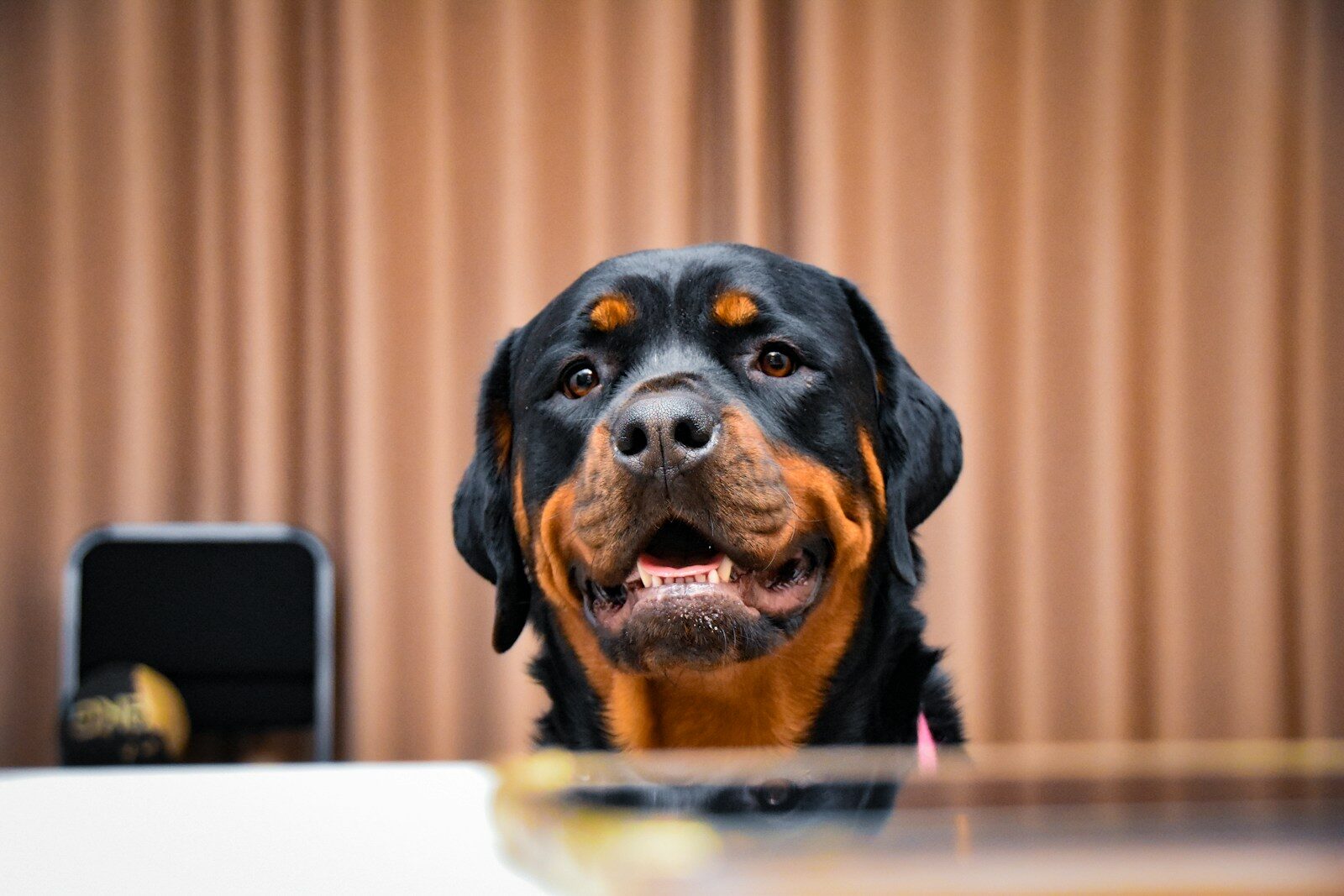
Photo by Emily Star on Unsplash
Understanding Behavior Before It Gets Worse
Many dog owners in Frederick and Falling Waters hope behavior problems will improve on their own, but most issues become more challenging the longer they are ignored. A friendly pup that jumps on people today can become a larger dog that overwhelms guests tomorrow. Barking, leash pulling, anxiety, aggression, and poor manners often grow into habits that affect both pets and humans every day.
Behavior problems impact more than just the owner—they affect the dog’s overall quality of life. Dogs are amazing animals that thrive when expectations are clearly explained and consistently followed. Without structure and guidance, many dogs become confused, stressed, or anxious. This can make daily routines, morning walks, vet visits, and social interactions more difficult for everyone involved.
During a first visit, many owners share that they have tried online advice, group classes, or recommendations from friends without success. While some information can be helpful, every dog has a unique personality, temperament, and learning style. A knowledgeable trainer can help make sense of the behavior and create a plan tailored to the individual dog and household. Whether working with a young pup, an older dog, or even a deaf dog, the right approach can make a wonderful difference.
With patient training, friendly coaching, and consistent follow-through, dogs learn what is expected, and owners gain confidence. The result is a calmer home, less stress, and a stronger bond between dogs and the people who love them. Many clients who start training feeling frustrated are often left feeling relieved after seeing the progress their dog can achieve.
Dog Training Is About More Than Teaching Commands | Building Real Communication Between You and Your Dog
Let me be straight with you: teaching your dog to sit is not dog training. It’s a party trick.
Real dog training is about building a communication system your dog actually understands. It’s about teaching them how to behave inside the house, on a walk, around other dogs, and when guests come over. Commands are tools. Communication is the foundation.
Dogs learn through repetition, timing, and structure. They don’t understand English, but they are incredibly good at reading patterns and energy. When you’re consistent and clear, dogs respond. When you’re inconsistent or frustrated, they check out.
I spend a lot of time during sessions helping owners understand why their dog is doing what it’s doing — not just how to stop it. That understanding changes everything. It shifts training from something you do to your dog to something you build with your dog.
What Dog Treats Are Best for Training? | Choosing Rewards Your Dog Actually Cares About
Using the right treats can make dog training faster, easier, and more enjoyable for both dogs and their owners. The best training treats are soft, small, and easy to eat quickly so your dog can stay focused on learning instead of stopping to chew. Quick rewards help create clear communication and reinforce good behavior at the exact moment it happens.
Some of the most effective training treats include freeze-dried meat treats, small pieces of cooked chicken, turkey, cheese, and commercial training treats designed specifically for obedience work. These options are often considered high-value rewards because most dogs find them highly motivating.
Every dog is different, however. Some dogs will do almost anything for food, while others may be more motivated by toys, praise, or play. Finding what your dog values most is an important part of successful dog training. During training sessions, professional trainers often identify which rewards create the strongest engagement and focus.
For dogs struggling with anxiety, aggression, reactivity, or distractions around other dogs, high-value treats can be especially helpful. A reward that your dog truly loves can make it easier to capture attention, encourage calm behavior, and build positive associations during the training process.
What Do Professional Dog Trainers Use as Treats? | How Rewards Work as a Training Tool
Professional trainers, myself included, use treats as a communication tool, not a bribe or a forever crutch. There’s a big difference.
When I work with a dog, the treat is a marker: it tells the dog exactly which behavior earned the reward. But here’s the thing most people miss: timing matters more than the treat itself. A reward delivered two seconds late teaches the wrong lesson. Precision in timing is what separates professional coaching from backyard trial-and-error.
Alongside food, I also use praise, leash guidance, and environmental rewards (like getting to sniff something or go forward on a walk) to reinforce good behavior. Over time, as a behavior becomes reliable and automatic, the treats get phased out gradually. The dog doesn’t need them forever. They just need them long enough to understand the pattern.
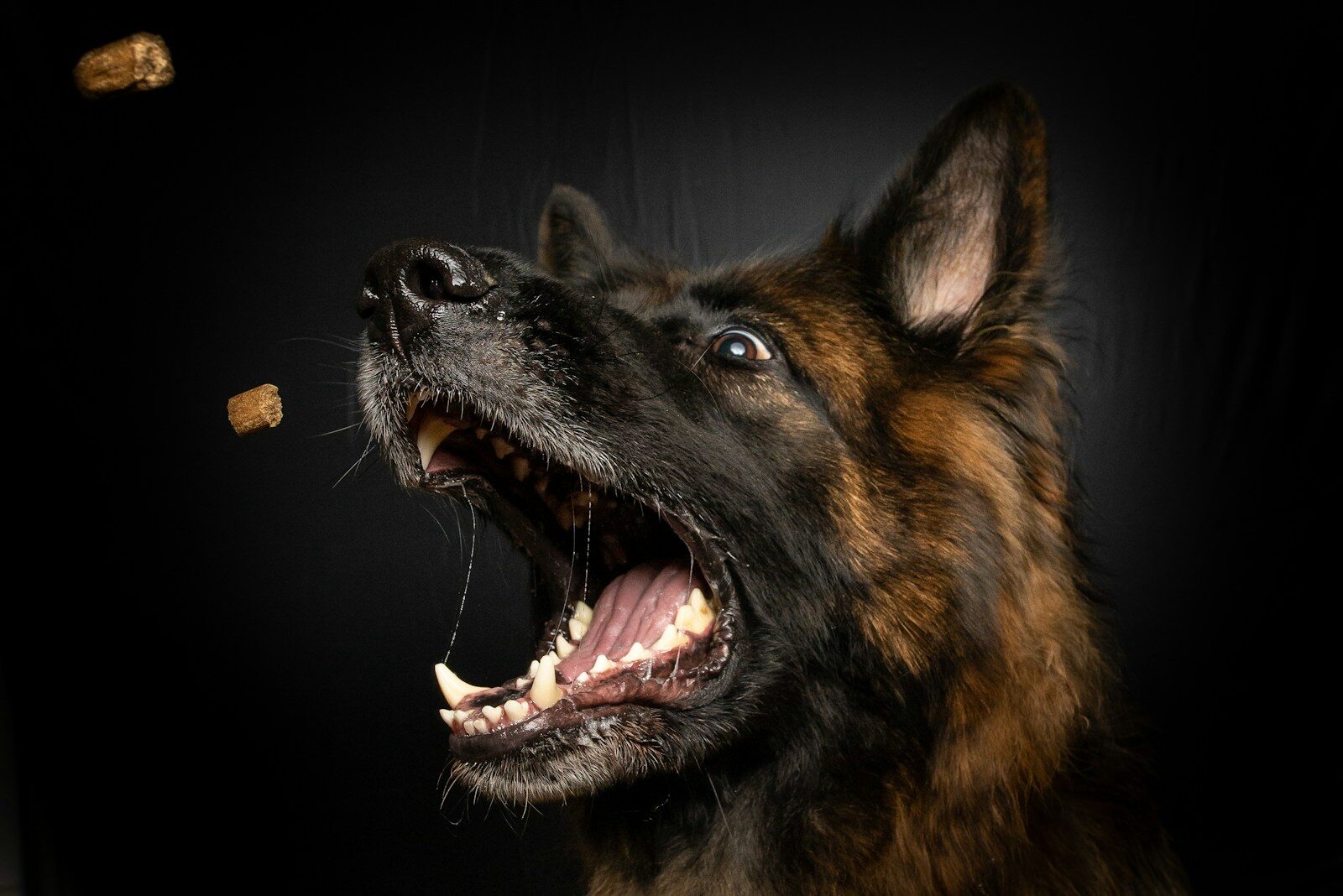
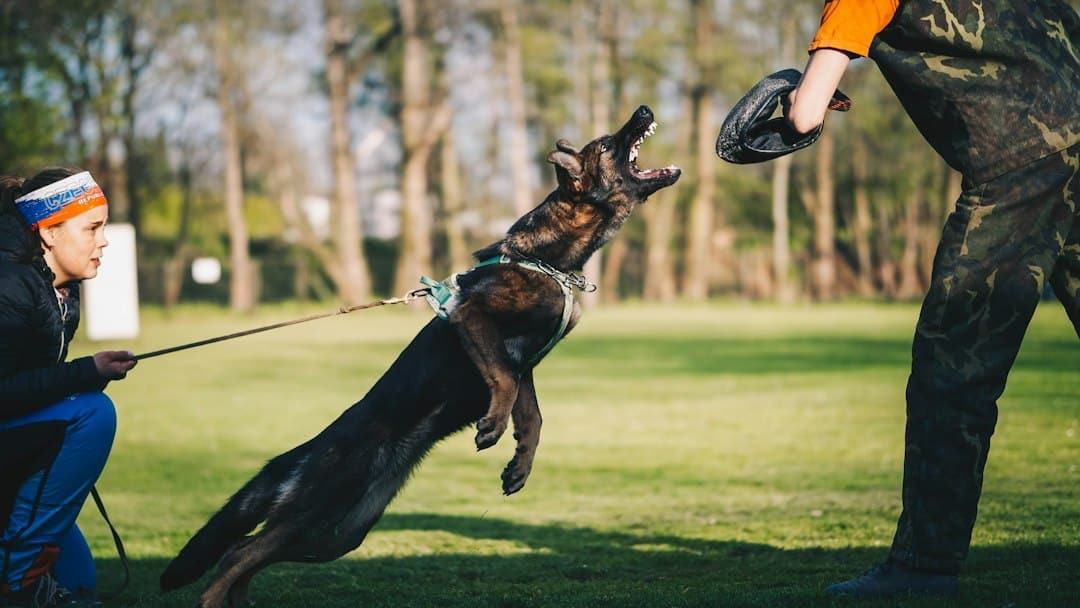
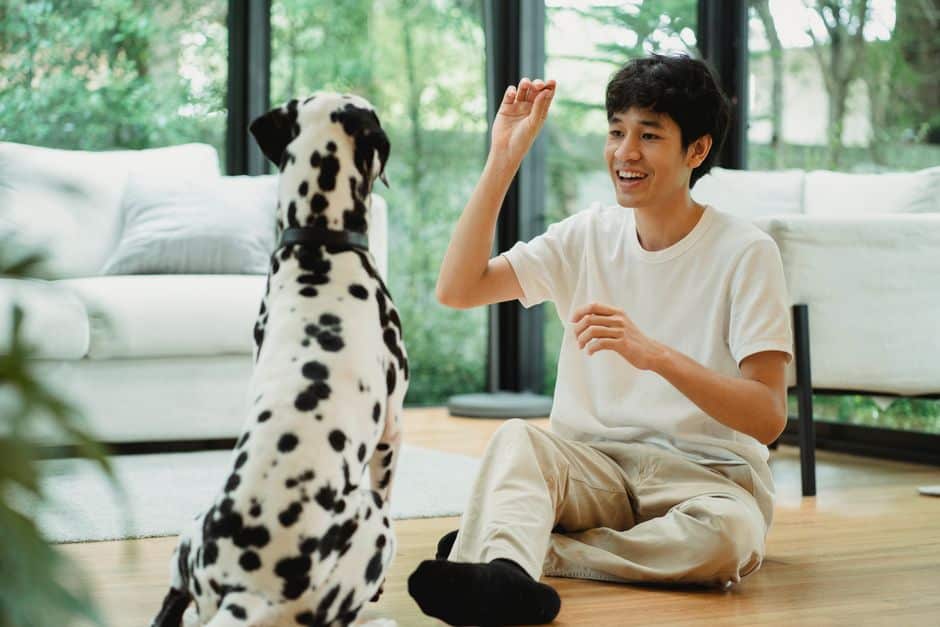
Photo by Max Kleinen on Unsplash
Should You Use Treats When Training a Dog? | Rewarding vs. Bribing — Understanding the Difference
Yes, treats can be an excellent training tool, but how they are used makes all the difference. When used correctly, treats help dogs learn new behaviors faster and create positive associations with training. However, treats should be used as rewards for good behavior, not as bribes to convince a dog to listen.
Rewarding means the dog performs the behavior first and then receives the treat. For example, the dog sits on command and is immediately rewarded. This helps the dog understand exactly which behavior earned the reward and strengthens the learning process.
Bribing works differently. The treat is shown before the behavior, and the dog follows the lure simply to get the food. Over time, many dogs learn to respond only when they see a treat, making obedience less reliable in real-world situations.
One of the most common mistakes owners make is rewarding too late, rewarding inconsistently, or continuing to give treats for behaviors the dog already understands. Professional dog training focuses on gradually reducing food rewards while increasing praise, engagement, and real-world rewards. The goal is to build a dog that responds confidently to commands, whether treats are present or not.
When used properly, treats are a powerful communication tool. They help speed up learning, improve focus, and make training enjoyable while creating lasting behaviors that owners can rely on in everyday life.
Training an Older Dog: Yes, You Absolutely Can | Helping an Older Dog Learn New Behaviors
Let me shut down this myth right now: old dogs absolutely can learn new tricks.
Yes, there are some differences. Older dogs may take a bit longer to adjust to new expectations. They sometimes have ingrained habits that need more patience to work through. But the fundamentals of dog training, consistency, timing, and clear communication work at any age.
I’ve worked with senior dogs whose owners assumed it was “too late,” and watched them transform within weeks. Age is not a barrier. Inconsistency is. If you have an older dog whose manners need work, don’t write them off. Call me.
Why Frederick, MD Dog Owners Choose Ruff House Dog Training
Choosing the right dog trainer can make all the difference when it comes to creating lasting behavior change. Ruff House Dog Training is a veteran-owned, locally operated business that focuses on practical solutions designed for real-life situations, not just training sessions. Every program is tailored to the individual dog, family, and goals to ensure long-term success.
Dog owners throughout Frederick, MD, and the surrounding areas trust Ruff House Dog Training because of its proven results, personalized approach, and commitment to client success. With more than 400 happy clients across Maryland and the DMV, the focus has always been on building better communication between dogs and their owners while creating calmer, more enjoyable homes.
Training options include the popular 90-Minute Miracle, structured 6-Week Obedience Programs, and fully customized training plans for dogs with specific behavioral challenges. Clients also receive unlimited post-training support, providing continued guidance whenever questions or new challenges arise.
Rather than offering unrealistic promises, Ruff House Dog Training provides honest coaching, practical expectations, and effective strategies that fit busy schedules. The goal is simple: help dogs develop better manners, improve obedience, and give owners the confidence they need to enjoy life with their dog again.
Frequently Asked Questions
How Long Does Dog Training Take?
Every dog is different, so training timelines can vary. Some owners notice improvements after their first appointment, while more complex behavior issues may require several weeks of consistent practice. The dog’s age, temperament, environment, and previous training experience all play a role in the process.
Basic obedience may be easier to address, while behavior modification for issues like fear, aggression, or reactivity often requires a more customized approach. Ruff House Dog Training focuses on creating lasting improvements that positively impact your dog’s life, not just temporary results.
Can Aggressive or Reactive Dogs Be Trained?
In many cases, yes. Aggression and reactivity are behaviors that can often be improved with proper training, structure, and guidance. Private dog training is often ideal for reactive dogs because it allows the trainer to work with the dog in a controlled environment without the added pressure of other dogs or people nearby.
Ruff House Dog Training helps owners better understand the root causes of aggressive or reactive behavior and develop a plan that fits their dog’s specific needs. During the first appointment, realistic expectations and next steps will be clearly explained.
Are Group Classes or Private Training Better?
It depends on your dog and your goals. Group classes are often best for socialization, basic manners, and helping dogs learn around distractions. Private training is usually a better fit for dogs who are reactive, fearful, aggressive, easily overwhelmed, or in need of a more personalized training plan.
Ruff House Dog Training can help you determine which type of training is the best fit based on your dog’s behavior, comfort level, and long-term goals.
What Should I Bring to My First Appointment?
Bring your dog, a leash, and any questions you may have. Information about previous training, veterinary recommendations, or specific behaviors you’d like covered can also be helpful.
The first visit is an opportunity to meet, evaluate your dog’s behavior, and create a customized training plan. If your dog has a history of aggression, fear, or reactivity, be sure to share that information before training begins so the session can be planned safely.
Do You Work With Puppies and Older Dogs?
Absolutely. Training can start with young puppies learning basic manners or older dogs needing a behavioral reset. Programs are designed to fit a wide range of ages, temperaments, and challenges.
It’s never too early or too late to start improving your dog’s behavior. Puppies may benefit from early socialization and basic obedience, while older dogs may need help with leash skills, manners, confidence building, or behavior concerns.
How Often Should I Practice Training at Home?
Short daily sessions are usually the most effective. Practicing for 5 to 15 minutes each day helps reinforce what was learned during training. Consistency is what turns new skills into reliable habits.
The owners who follow through between appointments are often the ones who see the fastest results and leave the best reviews after their training experience.
Can Dog Trainers Guarantee Results?
No ethical dog trainer should guarantee absolute results. Dogs are living beings, and progress depends on many factors, including the dog’s history, temperament, environment, health, and the owner’s consistency.
Ruff House Dog Training focuses on honest communication, realistic expectations, and practical steps that help owners support long-term behavior improvement.
What Should I Look for in a Dog Trainer?
The dog training industry is unregulated nationally and locally, which means not all trainers are required to have formal education, certifications, or oversight. Because of this, it is important to choose a trainer with credible experience, ethical methods, and a clear understanding of canine behavior.
Reputable trainers should follow humane, science-informed training practices and participate in continuing education to stay updated on canine behavior, learning theory, and safety best practices.
What Does LIMA Mean in Dog Training?
LIMA stands for Least Intrusive, Minimally Aversive. It is a training approach that focuses on using the least harmful, least stressful methods possible while still addressing the behavior effectively.
This approach encourages trainers to understand why a dog is behaving a certain way and choose training methods that prioritize safety, trust, and long-term behavior change.
What Dog Training Options Are Available Through Ruff House Dog Training?
Ruff House Dog Training offers programs designed to help with a wide range of training needs, from basic obedience and puppy training to more challenging behavior concerns.
Private training can be especially helpful for dogs who need one-on-one support, while structured training guidance can help owners build better habits at home. The best option depends on your dog’s personality, behavior, and goals.
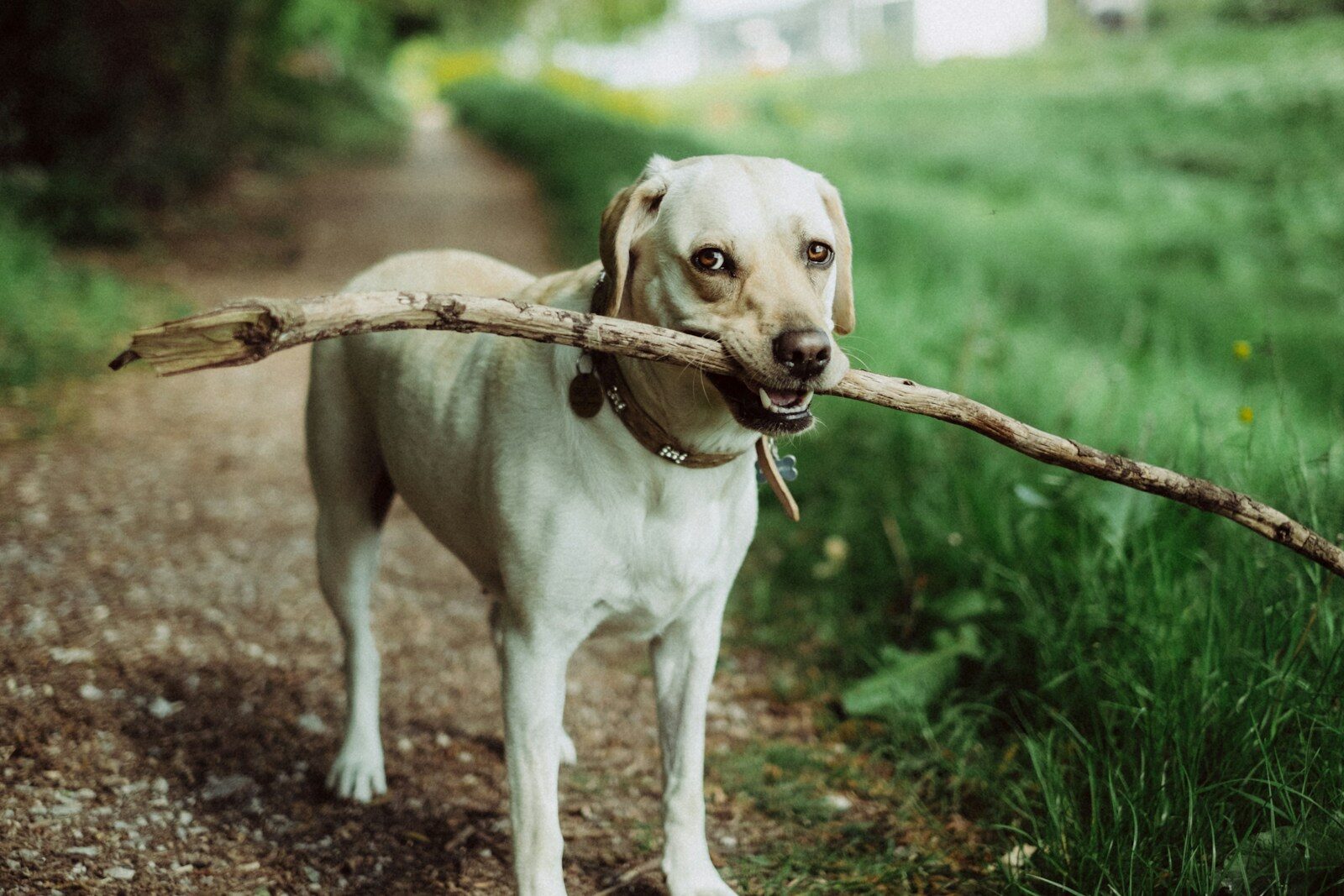
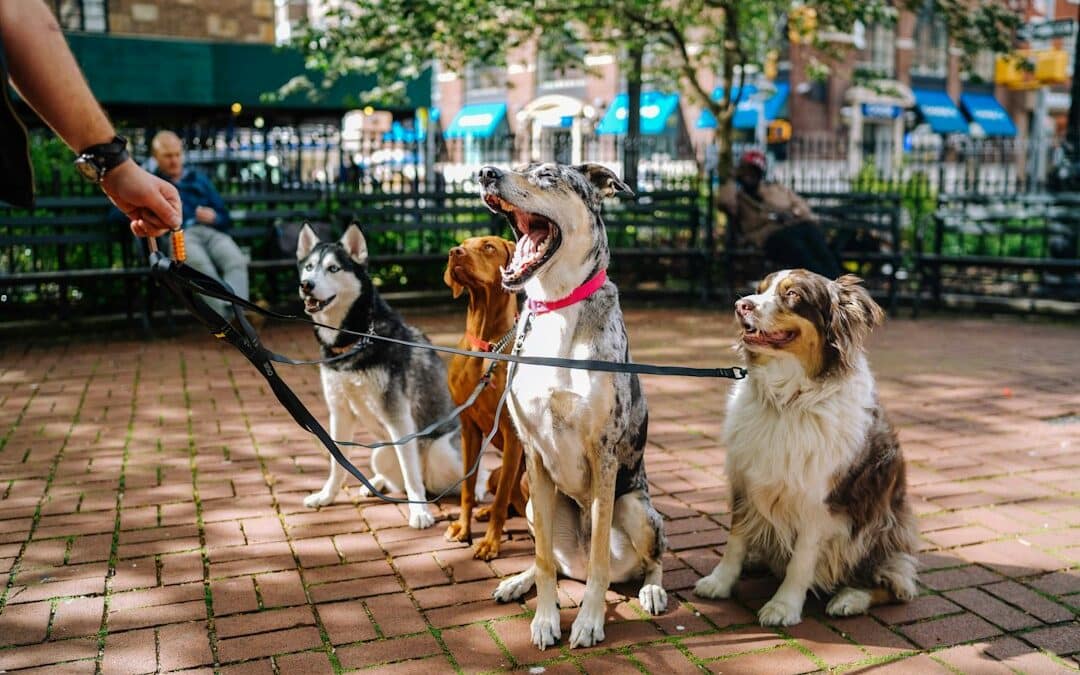
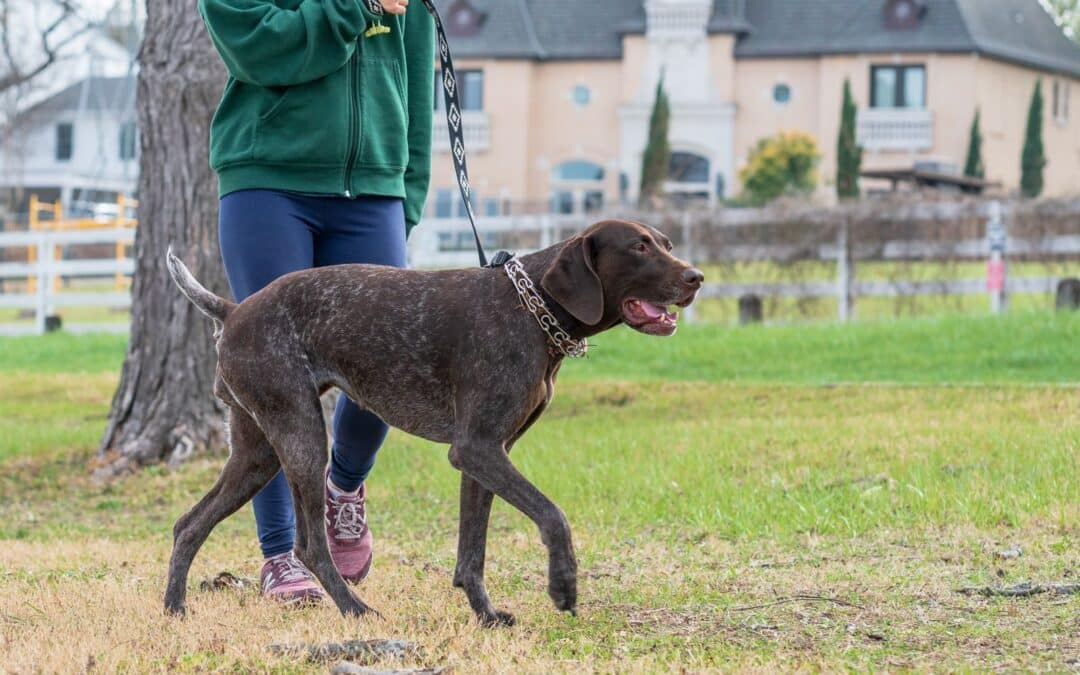
Photo by Mitchell Orr on Unsplash
Transform Stress Into Success In Your Dog’s Life
Behavior problems do not have to control your daily routine or affect your relationship with your dog. Whether you are dealing with leash pulling, excessive barking, chewing, anxiety, aggression, or poor manners, the right dog training program can create lasting improvements and a more peaceful home.
Ruff House Dog Training has helped more than 400 families throughout Frederick, Maryland, and the DMV build better communication, stronger relationships, and greater confidence with their dogs. Every training plan is customized to the individual dog, ensuring practical solutions that fit your lifestyle and goals.
If you’re ready to stop feeling frustrated and start seeing real progress, now is the time to take the first step. Book Your Training Session Today, Schedule Your 90-Minute Miracle Now, or explore a customized training program designed around your dog’s specific needs.
End the Barking, Chewing, and Chaos. Transform Stress Into Success With Your Dog. No judgment, no cookie-cutter programs, and no empty promises—just real-world training solutions that deliver lasting results.