Life with your dog shouldn’t feel like a chaotic juggling act. If you are dealing with a dog that pulls on the leash, barks at every sound, jumps on guests, or ignores commands the second you step outside, you are not alone. As a dog trainer in Rockville, Maryland, I work with dog owners every day who are exhausted by bad behavior at home and out in public.
At Ruff House Dog Training, we know that true obedience is about clear communication, not just handing out snacks. We are a veteran-owned small business serving the Washington, D.C., Maryland, and Virginia area, and we specialize in real-world dog training. Whether you are a busy family, a first-time puppy owner, or dealing with aggressive behavior, we help you create calm, structure, and confidence.
Why Dog Training Fails Without Structure and Consistency (training methods)
Dogs thrive when expectations are clear, but the majority of dog owners accidentally create confusion by being inconsistent with rules and routines. One person allows jumping, another corrects it, and basically the dog has no idea what behavior is actually expected. Whether you have puppies, therapy dogs, or a rescue dog adjusting to a new home, structure and consistency are the foundation for long-term success.
Many online training techniques promise quick solutions, but real dog training takes repetition, socialization, homework, and accountability. Positive reinforcement is important, but treats alone will not fix specific behaviors like leash pulling, barking, aggression, or reactivity. Dogs must also learn calm behavior, boundaries, and how to respond around other pets, people, and distractions in public.
Certified trainers understand that every dog is unique, which is why training services should be tailored to your dog’s age, personality, and environment. At Ruff House Dog Training in MD, we start with a full evaluation to observe behavior, identify the root problem, and create a realistic solution that works for both you and your dog’s daily life.
When structure becomes part of your routine, dogs build confidence, improve social skills, and become happier, easier companions. A well-trained dog is not just obedient—it becomes your best friend, your dog’s friend in social settings, and a source of peace instead of stress. In the long run, investing in professional dog training for better obedience and behavior saves time, money, and frustration while giving owners real hope for lasting results.
What Dog Treats Are Best for Training? (Happy dogs)
When teaching new skills, you want rewards your dog is excited to work for.The best dog treats for training are small, soft, high-value, and easy to eat quickly. Freeze-dried liver, tiny pieces of plain chicken, soft training treats, or a small bit of cheese are excellent options because they keep your dog focused and motivated during training sessions.
Avoid large or crunchy snacks that slow the process down and distract your dog from learning. If your dog takes five minutes to chew the reward, congratulations—you accidentally scheduled an intermission. Training should keep moving with fast rewards, clear timing, and constant engagement.
Not every dog is food-driven either. Some dogs respond better to praise, toys, or movement, which is why understanding your dog’s personality is such an important part of effective dog training. The goal is to make learning fun while building reliable behavior at home and out in public.
What Do Professional Dog Trainers Use as Treats?
Professional dog trainers use treats as a communication tool, not as a permanent bribe. High-value rewards help build engagement, strengthen dog sense, and teach clear obedience in the early stages of training. Small, soft treats allow dogs to stay focused while quickly connecting the reward to the correct behavior.
The key difference between professional training and treat-only methods is that we gradually reduce food rewards over time. The goal is to create happy dogs that listen confidently whether treats are visible or not. Otherwise, dogs quickly learn to check your hands, pockets, or treat pouch before deciding if they want to cooperate.
We also balance food rewards with praise, leash guidance, repetition, and structure to build reliable behavior at home and in public. Depending on the dog, trainers may use a wide range of rewards including toys, movement, affection, or verbal praise to keep training motivating and effective.
At Ruff House Dog Training, we take every dog’s personality and behavior into account to create practical solutions that last beyond the training session. Whether working on leash manners, obedience, or board and train goals, the focus is always on long-term success—not dependence on snacks forever.
If your dog only responds when they hear the treat bag shake, that is your sign to start building better communication and accountability.
Should You Use Treats When Training a Dog?
Yes, but there is a right way to do it. Treats are fantastic for teaching a new skill, but problems happen when owners only rely on food. There is a massive difference between teaching, reinforcing, and bribing. If your dog only listens when you shake the treat bag, your dog trained YOU.
Reactive dogs and stubborn pups especially need structure alongside positive reinforcement training. The ultimate goal is for your dog to be obedient in public around other dogs and humans, not just in your kitchen when you have a piece of hot dog.
End the Barking, Chewing, and Chaos by understanding and addressing the reasons behind excessive dog whining and vocalization.
Why Ruff House Dog Training Gets Real Results
As a trusted dog trainer in Rockville Maryland, I have helped over 400 happy clients turn stressful situations into calm, manageable routines at home and out in public. At Ruff House Dog Training, we focus on practical, real-world obedience that works in everyday life—not just during training sessions.
Unlike large franchise programs or overcrowded group classes, we create customized training programs built around your dog’s personality, behavior, and your household goals. Whether you are dealing with leash pulling, reactivity, aggression, barking, house-soiling, or basic obedience issues, we tailor the training methods to fit both you and your dog while helping you follow best practices for eliminating dog urine odors and preventing indoor accidents.
We offer flexible options including our popular 90-Minute Miracle, structured 6-Week Obedience programs, private lessons, and fully customized plans for more complex behaviors. Whether you are managing leash manners, greeting guests calmly, or keeping your dog off the couch with clear boundaries, we help apply training directly to your home environment. Most importantly, our support does not end after the session. We provide unlimited guidance to help ensure long-term success and real results you can actually maintain.
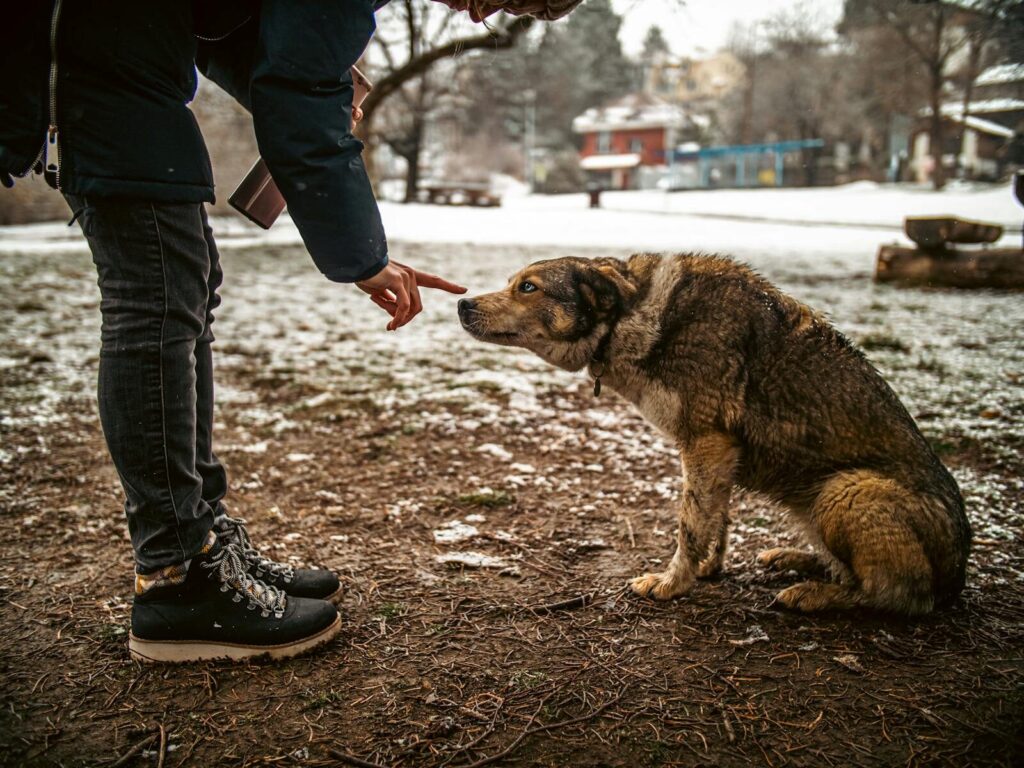
Photo by Martin Banov on Pexels
Final Thoughts: Better Behavior Starts With Better Communication
Dog training is not just about teaching commands—it is about building clear communication, trust, structure, and consistency between you and your dog. Many unwanted behaviors come from confusion, lack of boundaries, or inconsistent routines, which is why daily practice and proper guidance matter so much.
With patience, leadership, and the right training methods, even dogs struggling with leash pulling, barking, reactivity, staring, or aggression can learn to become calm, confident, and reliable companions when you understand why your dog stares at you and what it means. A well-trained dog creates less stress at home, more confidence in public, and a stronger bond between both you and your dog.
With the right support and consistency, real change is absolutely possible.
Frequently Asked Questions
What dog treats work best for training?
The best treats are high-value, soft, and small (like freeze-dried liver or plain chicken). They should be quick to chew so they don’t interrupt the flow of the training session.
Should you always use treats when training a dog?
No. Treats are great for teaching new behaviors, but they should be faded over time. Professional trainers balance treats with praise and clear expectations to avoid bribing the dog.
How long does dog training usually take?
Dog training is an ongoing lifestyle, not a quick fix. However, foundational changes can happen quickly. Programs like our 6-Week Obedience give you the tools to maintain consistent, long-term success.
Can reactive dogs improve with professional training?
Absolutely. With the right structure, clear communication, and consistent practice, reactive dogs can learn to focus on their owners and remain calm around triggers.