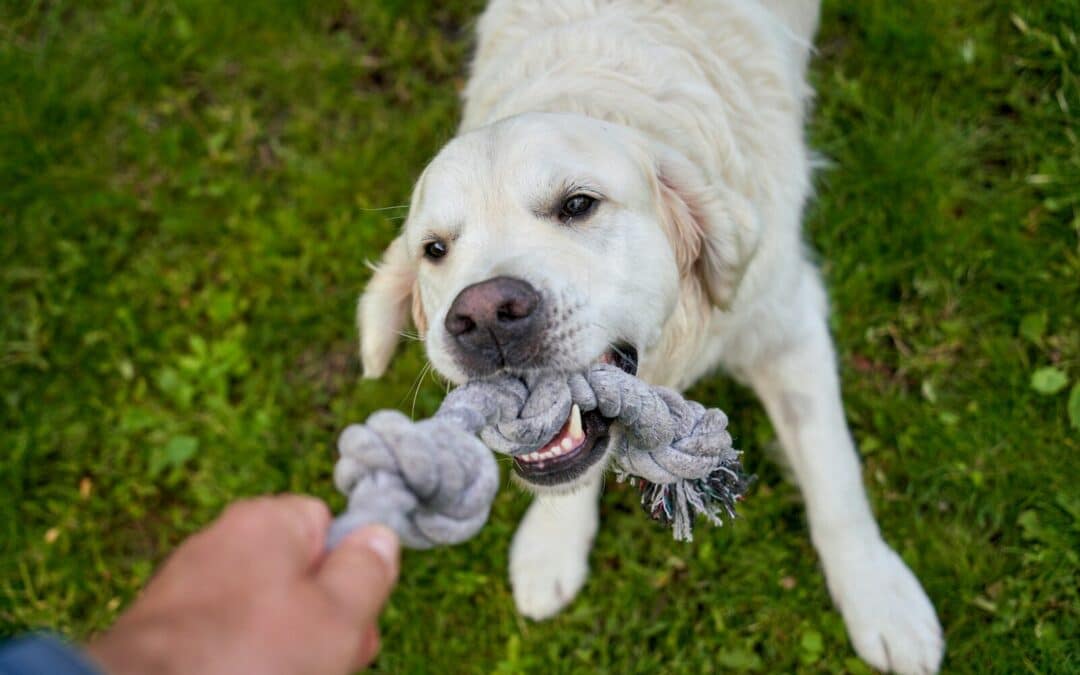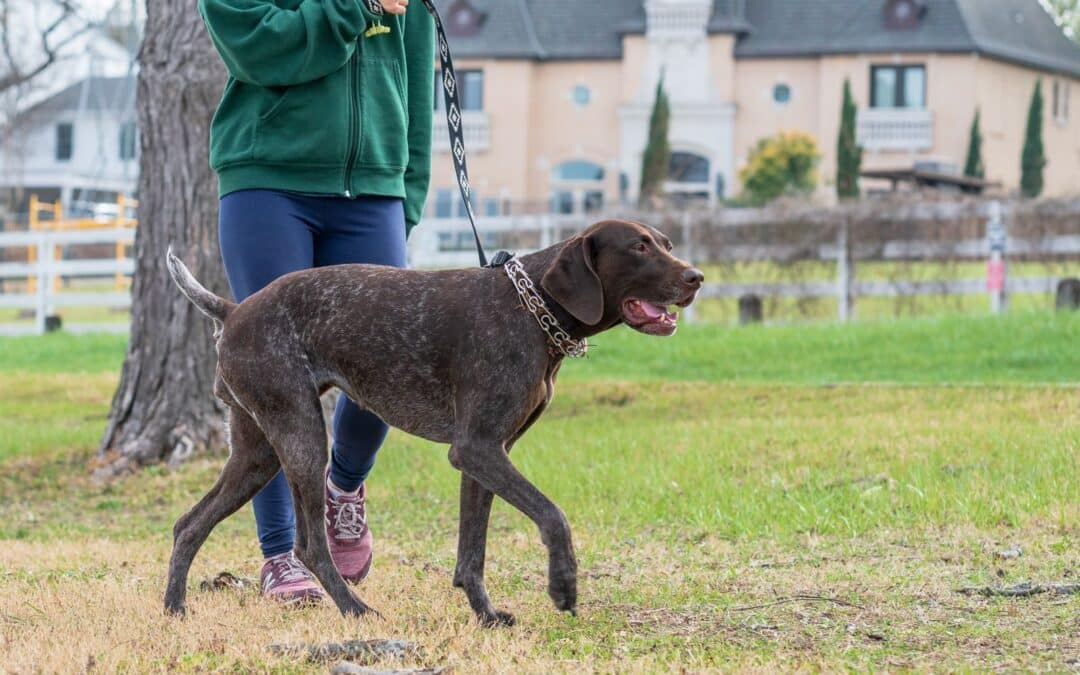
If you’ve ever been dragged down a sidewalk by a 60-pound dog chasing a squirrel, had your dog bark nonstop at the neighbors, or watched them jump all over guests the second they walk through the door, you’re not alone. Those everyday frustrations are exactly why many families reach out for professional dog training. The good news is that these behaviors can be improved with the right structure, communication, and consistency.
I’m Ryan with Ruff House Dog Training, a veteran-owned small business serving Arlington, Falls Church, and communities throughout Northern Virginia. We’re not a franchise or a one-size-fits-all training company. We’re a local team focused on helping dogs and their owners build real-life skills that create confidence, control, and peace at home. Whether you’re raising a new puppy, dealing with leash pulling, reactivity, anxiety, or simply want better manners, my goal is to help you create a calmer, more enjoyable relationship with your dog.
Why Dog Training in Arlington, Virginia Changes Everything
Arlington families are busy. Between careers, kids, commutes, and trying to squeeze in a walk before dark, the last thing you need is a dog who turns every outing into a rodeo. The problem is, without structure and clear communication, unwanted behaviors don’t just stay the same—they get worse.
Barking at the neighbor. Jumping on guests. Pulling so hard on the leash that walks feel like punishment. Chewing through your furniture like it owes them money. These aren’t signs of a bad dog. They’re signs of a dog who hasn’t been given the tools to understand what you actually want from them.
That’s where professional dog training comes in—and I’m not talking about yelling “no” louder or bribing your pup with a bag of cookies until they accidentally sit. I’m talking about real communication, real structure, and real results.
Here’s what changes when your dog is properly trained:
- Walks become enjoyable instead of a full-body workout you didn’t sign up for
- Focus improves even around distractions like other dogs, kids, or skateboards
- Interactions with people become safer and more relaxed
- Your bond grows stronger because frustration gets replaced with understanding
- Family outings become possible again—without the anxiety of wondering what your dog will do next
In Home Dog Training Creates Faster, Real-World Results
Here’s something I tell every new client: dogs don’t generalize well. What that means is your dog can be a perfect angel at a group class in a neutral space and then come home and act like they’ve never heard the word “sit” in their life. That’s not defiance—that’s just how dogs work. They learn behaviors in context.
That’s why in home dog training is one of the most effective approaches I offer.
When I come to your home, we’re working in the exact environment where the problems actually happen. Your dog isn’t distracted by unfamiliar smells or performing for strangers. You’re not trying to remember what you learned in a group class and apply it three days later in a totally different setting. We address the real triggers—the front door, the backyard fence, the kitchen table your dog keeps surfing—right there, in real time.
The Advantages of In Home Dog Training
Personalized Instruction for Your Household
Every family operates differently. In-home dog training allows us to tailor our approach to your routines, goals, and lifestyle so the training fits naturally into your daily life.
Customized Behavior Support
Whether you’re dealing with leash pulling, barking, jumping, anxiety, or reactivity, we create a training plan based on your dog’s specific challenges instead of using a one-size-fits-all program.
Flexible Scheduling
Busy work schedules, family commitments, and daily responsibilities can make training difficult. In-home sessions provide the flexibility needed to make consistent progress without disrupting your routine.
Faster Results Where It Matters Most
Dogs learn best when practicing in the environment where they spend most of their time. Teaching good manners at home often leads to quicker and more reliable behavior improvements.
Solutions for Real-Life Problems
Many behavior issues only appear inside the home, such as door rushing, excessive barking at visitors, counter surfing, or jumping on guests. In-home training allows us to address these challenges directly where they happen.
When Private Training Makes More Sense Than Group Classes
Group classes have their place, but they’re not the right fit for every dog—or every family. Private, in-home sessions are often the better choice when:
- Your dog is reactive or aggressive toward other dogs or people
- You have a busy schedule that doesn’t fit a fixed class format
- Your dog deals with anxiety or fear that makes group settings overwhelming
- Your family needs individualized coaching with everyone learning together
- You’ve already tried group classes and the results didn’t stick
I’ve worked with plenty of dogs who bombed out of group settings but absolutely thrived with one-on-one, in-home work. The familiar setting matters more than most people realize.
Common Unwanted Behaviors We Help Solve in Northern Virginia
Whether you’re in Arlington, Falls Church, Springfield, or anywhere across Northern Virginia, these are the behaviors I hear about most:
- Barking at neighbors, other dogs, the mailman, the wind
- Jumping on guests, kids, anyone within a five-foot radius
- Pulling on leash making every walk a battle
- Chewing shoes, furniture, remote controls, your sanity
- Anxiety and fear nervous around people, new environments, or loud sounds, which can also show up as intense staring or watchful behavior toward people and other dogs
- Aggression toward other dogs or humans — including dogs that bite their owners
- Reactivity explosive reactions on leash that leave you embarrassed and exhausted, and confusing biting behaviors that seem to come out of nowhere
None of these behaviors mean your dog is broken. They mean your dog needs clearer communication, better structure, and someone to help you both get on the same page. That’s exactly what I do.
Choosing High-Value Rewards
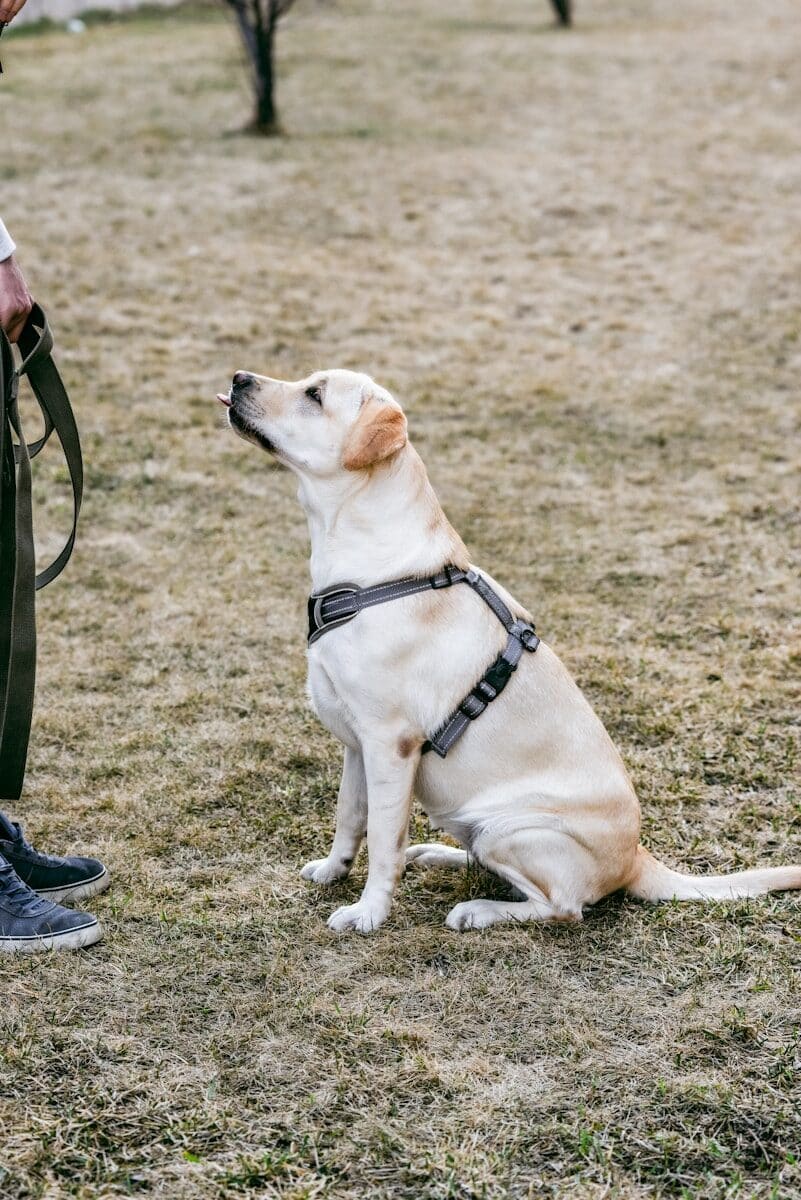
The best training treats are ones your dog actually gets excited about. For most dogs, that means:
- Small pieces of cooked chicken or turkey almost universally loved
- Freeze-dried liver high value, easy to carry, and no mess
- Soft commercial training treats small, easy to chew quickly, purpose-built
- Cheese in moderation great for high-distraction situations
The keyword here is high value. If you’re asking your dog to ignore a squirrel or stay calm near an approaching dog, a plain kibble isn’t going to cut it.
What Makes a Good Training Treat?
- Small size your dog should be able to eat it in one second and refocus
- Soft texture quick to chew means less interruption in training flow
- Highly motivating your dog should genuinely want it
- Low calorie especially if you’re doing multiple sessions or long walks
- Easy to carry pockets, treat pouches, or whatever keeps it accessible
Avoid These Common Mistakes
- Large treats that turn every reward into a snack break
- Overfeeding during sessions — watch those calories, especially with small breeds
- Using treats your dog is indifferent to — if they sniff it and walk away, it’s not a training treat, it’s just food
What Do Professional Dog Trainers Use as Treats?
Professional dog trainers use treats strategically—not simply as rewards, but as a way to clearly communicate to a dog that they made the right choice. High-value treats help capture attention, build engagement, and speed up the learning process, especially when teaching new behaviors or working around distractions.
In my training sessions, I often use small, soft rewards such as chicken, turkey, freeze-dried liver, or commercial training treats that are easy for dogs to eat quickly. The goal is to keep the dog focused on learning rather than stopping the session for a full snack. Most importantly, treats are only one piece of the puzzle. I also use praise, structure, repetition, and clear communication to help dogs develop reliable obedience that lasts beyond food rewards.
Match the Reward to the Difficulty
- High-value treats (chicken, liver, cheese) go to the hard stuff—staying calm near another dog, holding a sit in a distracting environment, overcoming a fear response
- Lower-value treats are fine for commands your dog already knows well
- The more challenging the ask, the better the payoff needs to be
My Approach at Ruff House Dog Training
Treats are one tool among many. I use praise, leash guidance, timing, repetition, structure, and environmental rewards alongside food. The goal is never to have a dog who only performs because there’s chicken in your hand. That’s not obedience—that’s negotiation. My training works toward a dog who responds reliably because they understand what you’re asking, not because they’re holding out for a snack.
Building Reliability Beyond Food
- Variable reward schedules rewarding unpredictably builds stronger behavior than rewarding every single time
- Real-world practice training in different environments, not just the living room
- Environmental rewards letting the dog sniff, play, or greet as a reward
- Consistent expectations from every member of the household
The Difference Between Rewarding and Bribing
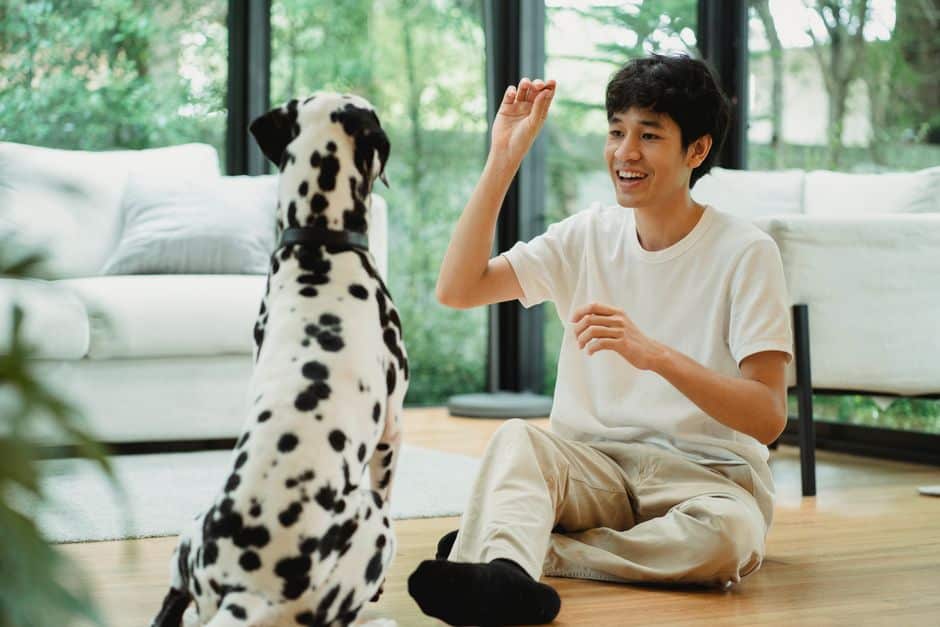
Rewarding happens after your dog performs the desired behavior. Bribing happens when a person must show the treat before the dog will listen. Rewarding teaches the dog to make good choices on their own, while bribing often creates dependency and inconsistency.
Positive reinforcement is an excellent training tool, and I regularly use it in my job as a trainer. However, many owners struggle when treats become the only reason a dog responds. This creates concerns when distractions appear during walks, at daycare, around other dogs, or in new environments. Dogs need more than treats—they need clear communication, structure, and practice.
At Ruff House, we specialize in helping families begin building reliable obedience that works in the real world. We combine rewards with practical training resources, realistic suggestions, and consistent expectations so your dog learns to listen whether food is present or not. The goal isn’t to make your dog pay attention only when treats appear—it’s to create confidence, trust, and the joy of having a well-behaved companion at home and beyond. Whether through private sessions or board and train programs, we focus on long-term results that last.
The Goal Is Real-Life Obedience
A well-trained dog should:
- Listen during walks, even when other dogs pass by
- Respond around distractions, not just in quiet, controlled environments
- Remain focused even when treats aren’t visible or in reach
That’s the standard I hold my clients to and the reason I pair food rewards with clear communication, structure, consistency, and accountability. Together, those things create a happy dog who genuinely understands the rules and chooses to follow them.
Important Considerations
Here’s where I’ll be honest with you because that’s kind of my thing:
Not every dog moves at the same pace. A fearful or anxious dog pushed too fast through new experiences won’t build confidence. They’ll just accumulate stress. Positive, successful experiences matter far more than the number of experiences you can check off a list.
If your dog is already showing anxiety, reactivity, or aggression during exposure situations, that’s a sign to slow down and get professional guidance before you accidentally make things worse.
How I Help
At Ruff House, I help families build exposure plans that actually work for their dog’s temperament, history, and current skill level. We prevent overwhelm, create successful introductions, and build genuine confidence at a pace that makes sense, whether you’re here in Arlington or looking for professional dog training in Stafford, VA.
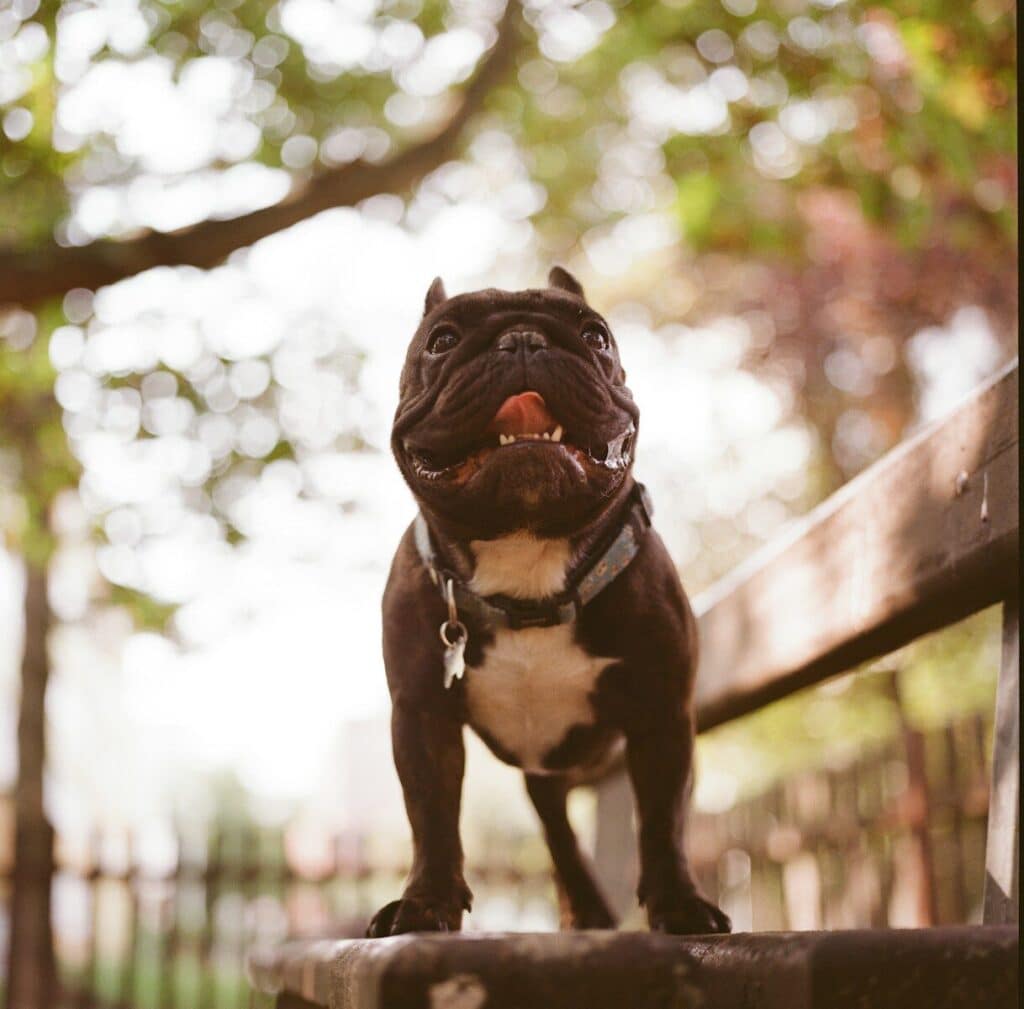
Photo by Mikhail Mamaev on Unsplash
Dog Training Beyond Arlington: Serving Falls Church and Northern Virginia
Ruff House Dog Training isn’t just for Arlington. I work with families across the region, including:
- Falls Church
- Springfield
- Alexandria
- And communities throughout Northern Virginia
Why Local Families Choose Ruff House
- Veteran-owned I bring discipline, structure, and genuine empathy to every session
- Over 400 happy clients across the DMV who’ve seen real, lasting results
- Unlimited post-session support call me when new challenges pop up, because they will
- Customized training plans no cookie cutter programs, no one-size-fits-all approaches
- Honest guidance I won’t tell you what you want to hear, I’ll tell you what actually works
Building Foundational Skills for a Happy Dog
Every training program I offer whether it’s the 90-Minute Miracle, the 6-Week Obedience Program, or a fully custom training plan is built on the same foundational skills that every dog needs to thrive.
Essential Skills Every Dog Should Learn
- Recall coming when called, even with distractions
- Loose leash walking calm, controlled walks through the neighborhood
- Place command going to a designated spot and staying there
- Calm greetings no jumping, no chaos when guests arrive—even if your dog usually prefers sitting directly on your lap or feet for attention
- Reliable obedience sit, stay, down that actually hold up in real life
Creating Good Manners That Last
Good manners don’t happen from one session. They happen through:
- Consistent daily practice from every member of the household
- Clear communication that your dog can actually understand
- Family involvement everyone needs to be on the same page
- Structured routines that give your dog predictability and security
The Long-Term Benefits
When your dog has solid foundational skills and good manners, everything changes:
- You feel more confident walking out your front door
- Your dog behaves better in public, with guests, and at home
- Stress decreases for the whole household
- Your relationship strengthens because you’re communicating instead of guessing
Why Ruff House Dog Training Is Different
I’ll be upfront with you: there are a lot of trainers out there. Some are great. Some will take your money, hand you a pamphlet, and disappear. Here’s what sets Ruff House apart.
No Cookie-Cutter Programs
Every dog I work with gets a plan designed around their age, breed, temperament, history, and your specific goals and lifestyle. Your reactive rescue isn’t going to get the same session as your neighbor’s first puppy and they shouldn’t.
Real Solutions for Real Life
I don’t train dogs to perform in ideal conditions. I train them to behave in your world—on your specific street, with your specific kids, around your specific neighborhood triggers. That’s what in home dog training in a familiar setting makes possible.
Unlimited Support After Training
Many dog trainers finish the final session, hand over a few notes, and move on to the next client. I take a different approach. Dog training is an ongoing process, and new challenges can appear as your dog grows, your schedule changes, or new situations arise.
That’s why I provide unlimited post-training support for my clients. Whether you have questions about leash manners, behavior concerns, introducing your dog to new environments, or simply need a refresher on what we covered, I’m here to help. My goal isn’t just to train your dog for a few weeks—it’s to give your family the support and guidance needed for long-term success. That’s something you won’t find with most trainers, and it’s a commitment I’m proud to stand behind.