As a dog trainer in Leesburg, Virginia, one of the biggest misconceptions I encounter is that behavioral problems are caused by stubborn dogs. In reality, most dogs are simply responding to unclear communication, inconsistent rules, or a lack of structure. Behaviors like barking, jumping, leash pulling, and reactivity are often signs of confusion rather than defiance.
Dogs learn best when expectations are clear and consistently practiced. When the rules change, unwanted behaviors can quickly become habits. That’s why experienced trainers focus on teaching owners how to communicate effectively, not just teaching dogs commands.
At Ruff House Dog Training, I create personalized programs suited to each dog, family, and lifestyle. Whether you’re working with young pups, multiple dogs, preparing for certification tests, or addressing specific behavioral issues, every plan is designed around your goals. Through private in-home training, we practice real-life situations where behavior matters most, just as we do with our professional dog training in Stafford, VA.
Unlike a board-and-train program where owners are removed from the process, I work directly with you so you can connect with your dog and understand how lasting change happens. The benefits go beyond obedience—they improve your dog’s confidence, strengthen your relationship, and make everyday life more enjoyable.
If you’re interested in learning more about training options, cost, or scheduling an introduction session, visit our website. In as little as an hour, we can begin building a clear communication system that continues working long after training is completed—and maybe even have some fun along the way.
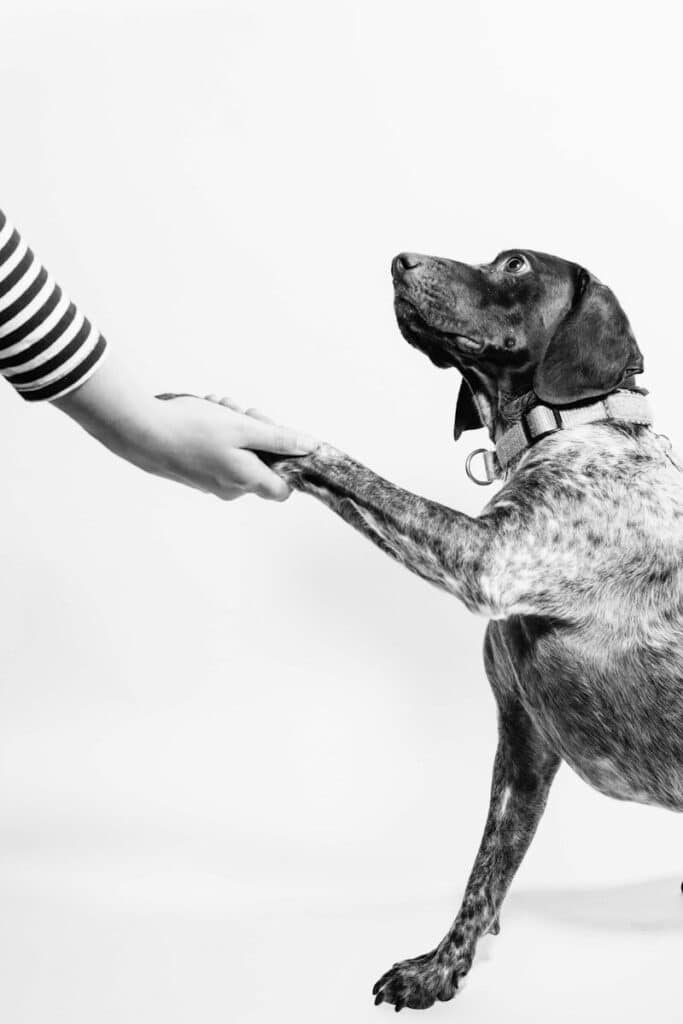
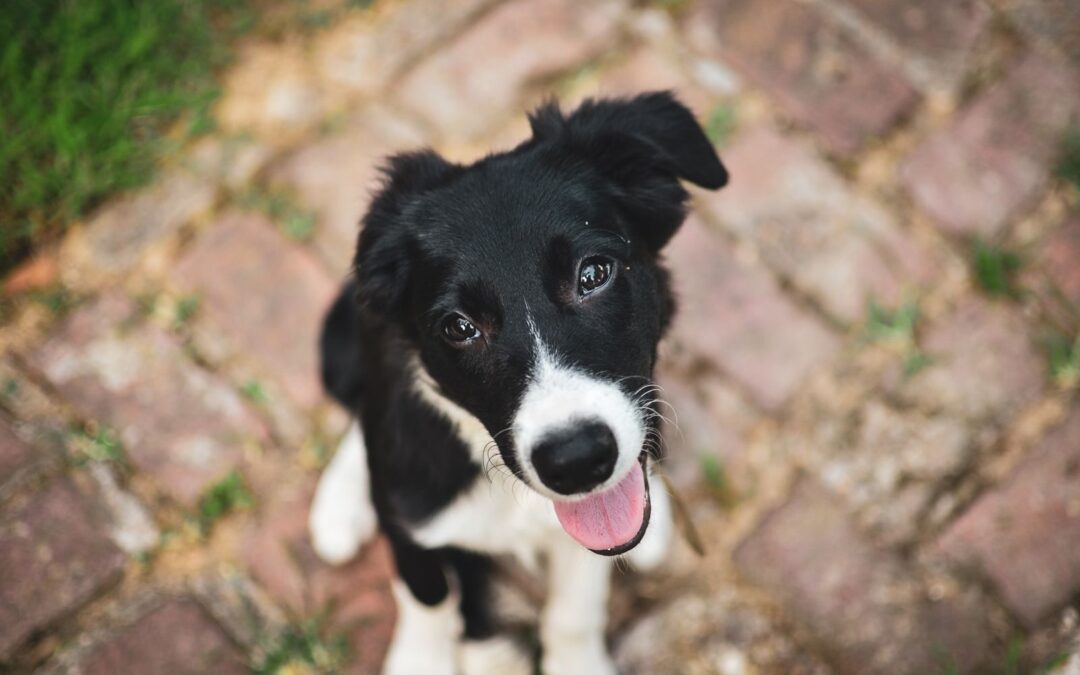
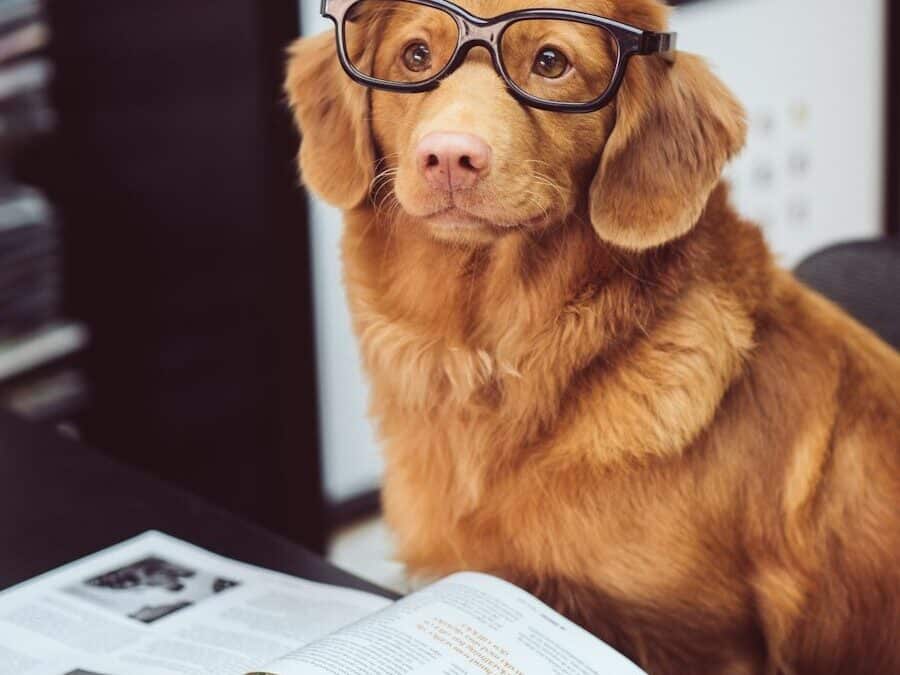
Photo by Fabian Gieske on Unsplash
Dog Trainer in Leesburg, Virginia: Why Communication Is the Real Problem
Before we talk about treats, obedience, or advanced training goals like a Canine Good Citizen title or therapy dog work, it’s important to understand why many dogs struggle in the first place. Most behavioral issues aren’t caused by stubbornness—they happen when communication between the dog and owner becomes unclear.
Dogs communicate through their behavior. Barking, jumping, leash pulling, chewing, whining, and reactivity are often signs that a dog is confused, overstimulated, frustrated, or unsure of what is expected. When owners unintentionally send mixed messages, those behaviors can quickly become everyday habits.
In my private sessions, I help owners create a clear communication system their dog can understand. When expectations become consistent, dogs gain confidence, make better decisions, and become much easier to live with.
Common Behavioral Issues I See Every Week
Some of the most common challenges I help owners overcome include:
- Excessive barking at people, dogs, noises, or movement
- Jumping on guests and family members
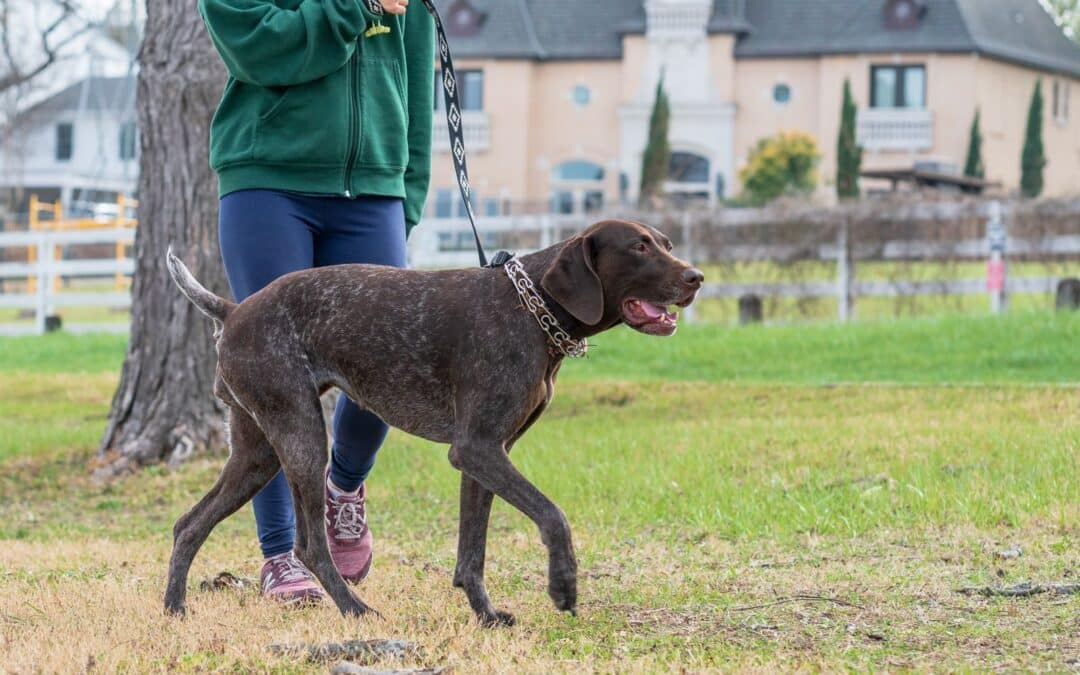
- Leash pulling during walks
- Puppy chewing and biting behavior and its causes
- Reactivity toward other dogs or strangers
- Resource guarding of food, toys, or furniture
- Anxiety, excessive whining, and fear-based behaviors
No matter the behavior, the goal is the same: improve communication, build trust, and teach the dog what success looks like. That’s where real, lasting training begins.
How Clear Communication Transforms Behavior
When owners learn to communicate clearly with their dogs, here’s what shifts:
- Distractions stop derailing every walk
- Your dog knows what’s expected inside and outside the house
- Commands land the first time instead of the fifth
- Both you and your dog actually enjoy spending time together
That last one matters more than people realize. Training isn’t just about fixing problems—it’s about rebuilding the relationship so home feels calm again.
What Dog Treats Are Best for Training?
One of the most common questions I get from puppy owners is, “What treats should I use for training?” The answer is simple: use treats your dog finds highly rewarding, but keep them small, soft, and easy to eat. Whether you buy training treats from PetSmart or use small pieces of chicken, the goal is to keep your dog engaged without slowing down the learning process.
Treats are especially helpful when teaching new behaviors and addressing common behavioral issues like jumping, leash pulling, barking, and poor focus. A reward should take the minimum amount of time to eat, so your dog can quickly get back to learning.
The best training treats aren’t necessarily the most expensive ones. What matters is that your dog is motivated by them. When used correctly, treats become a powerful communication tool that helps address behavioral issues while building confidence and making training more enjoyable for both you and your dog.
High-Value Rewards Get Faster Results
When you’re teaching new skills or working through tough behavioral issues, you need treats your dog genuinely to get them excited. I’m talking motivated, focused, “I will pay attention to you instead of that squirrel,” excited.
The best training treats I recommend:
- Small pieces of cooked chicken — almost universally loved
- Freeze-dried liver — high value, easy to carry
- String cheese — soft, smelly, effective
- Turkey or deli meat — another crowd favorite
- Soft commercial treats — convenient and mess-free
What Makes a Good Training Treat?
Here’s the simple formula. A good training treat is:
- Small — the size of your pinky nail, not a golf ball
- Soft — quick to chew, so training keeps moving
- High value — your dog should actually want it
- Easy to carry — you’re not running a kitchen during a training session
Using large treats is one of the most common mistakes I see. Big treats mean your dog is chewing instead of focusing, and the lesson momentum disappears. Keep it small. Keep it moving.
What Do Professional Dog Trainers Use as Treats?
Treats Are a Communication Tool, Not a Bribe
Here’s the thing that separates professional dog trainers from the average pet owner struggling with a handful of kibble: it’s not what we use, it’s how we use it.
I use food rewards to mark and reinforce the exact behavior I want to see—nothing more, nothing less. Food helps communicate “yes, that’s it” with speed and clarity. That’s the whole point.
I lean on treats most heavily when teaching:
- Basic obedience and essential skills from scratch
- Puppy training, when everything is brand new
- Socialization, where we need a positive association with new environments like safe indoor dog park spaces for training and play
- Advanced training in high-distraction settings
- Overcoming fear or anxiety, where food builds confidence over time
The Goal Is Not to Treat Dependency
I hear this concern constantly: “Am I going to need treats forever?”
No. That’s not how solid training works.
As dogs master essential skills and build confidence, the reward picture shifts. Treats gradually give way to:
- Verbal praise
- Affection and play
- Toys as a reward
- Real-life rewards like going outside or greeting a friend
Treats build understanding. Consistency builds habit. Habit builds behavior that sticks—even when you don’t have a chicken piece in your pocket.
Should You Use Treats When Training a Dog?
Absolutely. Treats can be one of the most effective tools in dog training when used correctly. They help motivate dogs, reinforce desired behaviors, and make learning more enjoyable. However, treats should be used as a reward for good behavior—not as a bribe to convince your dog to listen.
The key is teaching your dog to perform the behavior first and then earn the reward. When treats are used with proper timing, clear communication, and consistency, they help build reliable obedience rather than dependence on food. The goal isn’t to carry treats forever—it’s to use them as a teaching tool while developing behaviors that hold up in real-life situations.
Rewarding vs. Bribing: Know the Difference
Rewarding looks like this:
- Your dog sits → then earns the treat
- Your dog comes when called → then earns the treat
- Your dog holds a down → then earns the treat
Bribing looks like this:
- Shaking the treat bag before asking for anything
- Showing food before giving a command
- Needing a treat visible in your hand for basic obedience
When treats become a bribe, your dog isn’t learning—they’re just doing a transaction. The moment the treat disappears, so does the behavior. That’s how you end up with a dog who only listens when you’re standing in the kitchen holding cheese.
Balanced Training Creates Real Results
At Ruff House Dog Training, I use positive reinforcement techniques alongside structure, clear expectations, and accountability. That combination creates effective results that transfer into real life—not just controlled training environments where everything goes perfectly.
Treats are part of the picture. They’re not the whole painting.
Dog Training in Leesburg, VA: Why One-Size-Fits-All Programs Often Fail
Not every dog is the same. I know, revolutionary. And yet so many training programs treat a fearful rescue and a wild six-month-old Labrador like they’re the same problem to be solved with the same checklist.
Every Dog Learns Differently
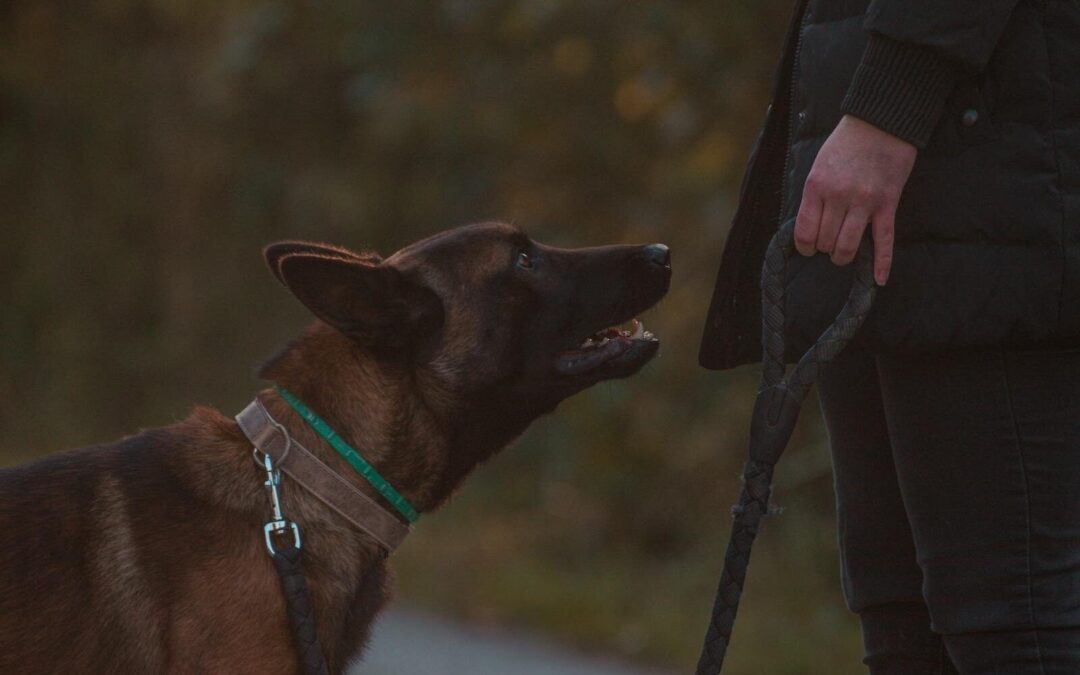
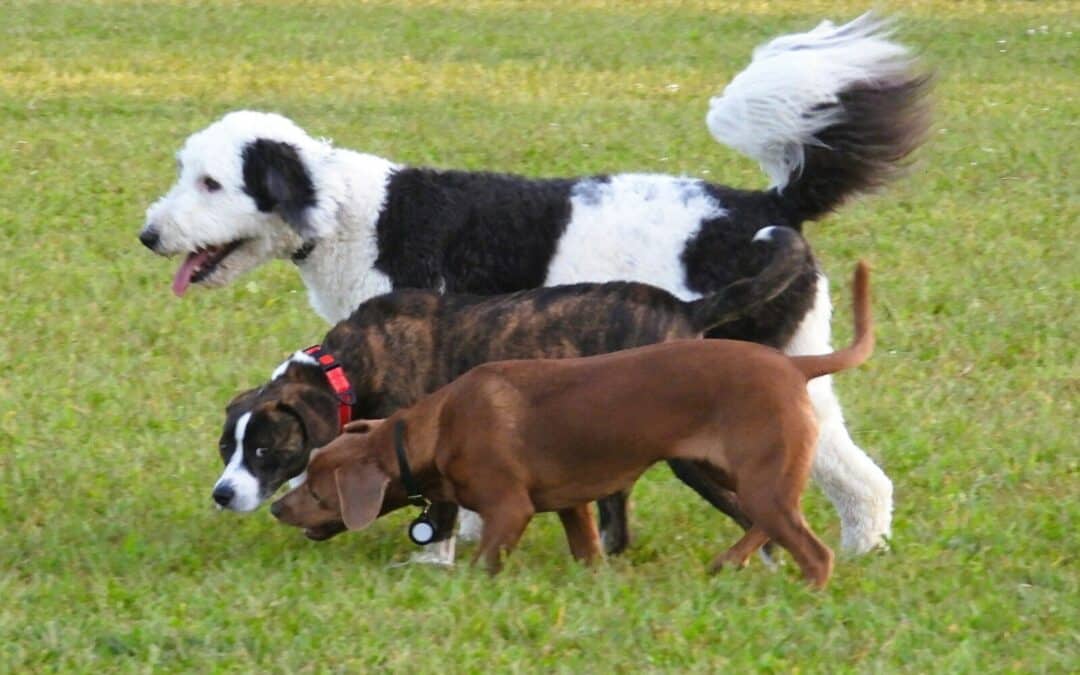
No two dogs learn the same way. Breed, age, past experiences, energy level, temperament, and even the home environment all play a major role in how a dog responds to training. A young, energetic puppy has different needs than an older rescue dog, and a reactive German Shepherd requires a very different training approach than a friendly Goldendoodle that struggles with jumping and excitement.
That’s why cookie-cutter training programs often fall short. While the behaviors may look similar on the surface, the reasons behind them can be completely different. Effective training starts by understanding the individual dog, the family, and the specific challenges they’re facing.
At Ruff House Dog Training, every training plan is customized to fit your dog’s personality, your goals, and your daily routine. By tailoring the training to your household, we create clearer communication, faster progress, and results that actually last in the real world.
Personalized Attention Gets Faster Results
Private lessons in your own home—with your actual distractions, your actual furniture, your actual kids running through the room—produce faster, more lasting results than generic group classes for most dogs with behavioral issues. Your dog doesn’t live in a classroom. They live in your house. That’s where we train.
90-Minute Miracle
This is my jump-start session. If you’re dealing with jumping, barking, leash pulling, or basic obedience challenges and you want to see real progress fast, this is where we start. In 90 minutes, I’ll give you actionable tools you can use the same day.
6-Week Obedience Program
For owners who want to go deeper. This structured program tackles house-soiling, chewing, puppy biting, barking, and focus—building better manners, a cleaner home free of lingering dog urine odors and stains, and reliable basic commands over six weeks of consistent work.
Custom Training Programs
Some dogs need more than a standard plan. If you’re dealing with aggression, serious reactivity, fear-based behavior, or a complex situation, I build a fully customized training program around your specific goals and your dog’s individual needs.
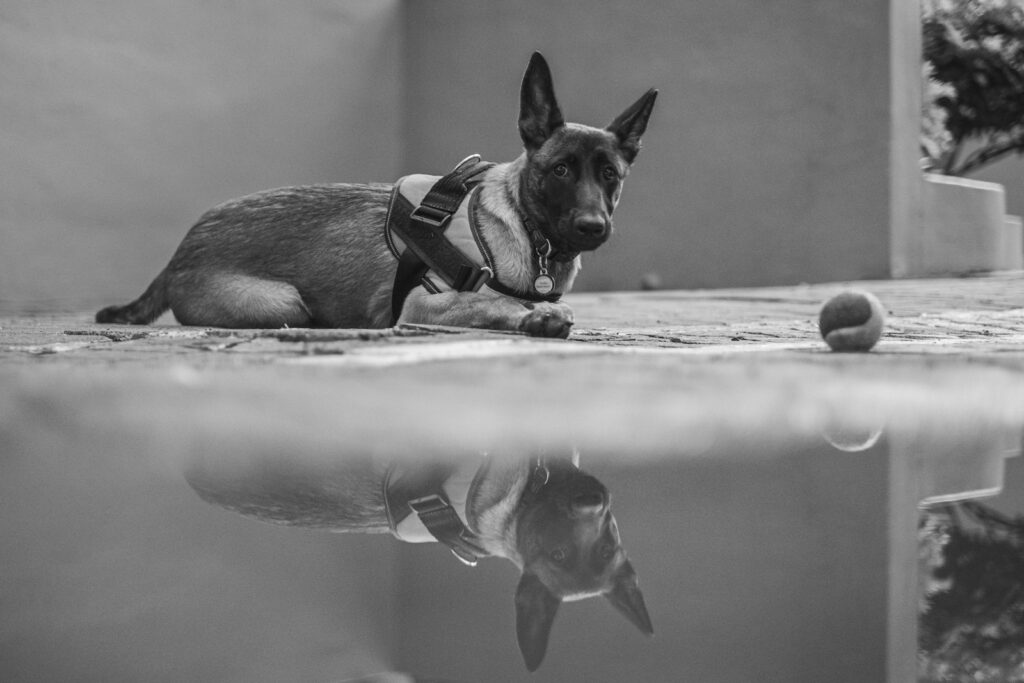
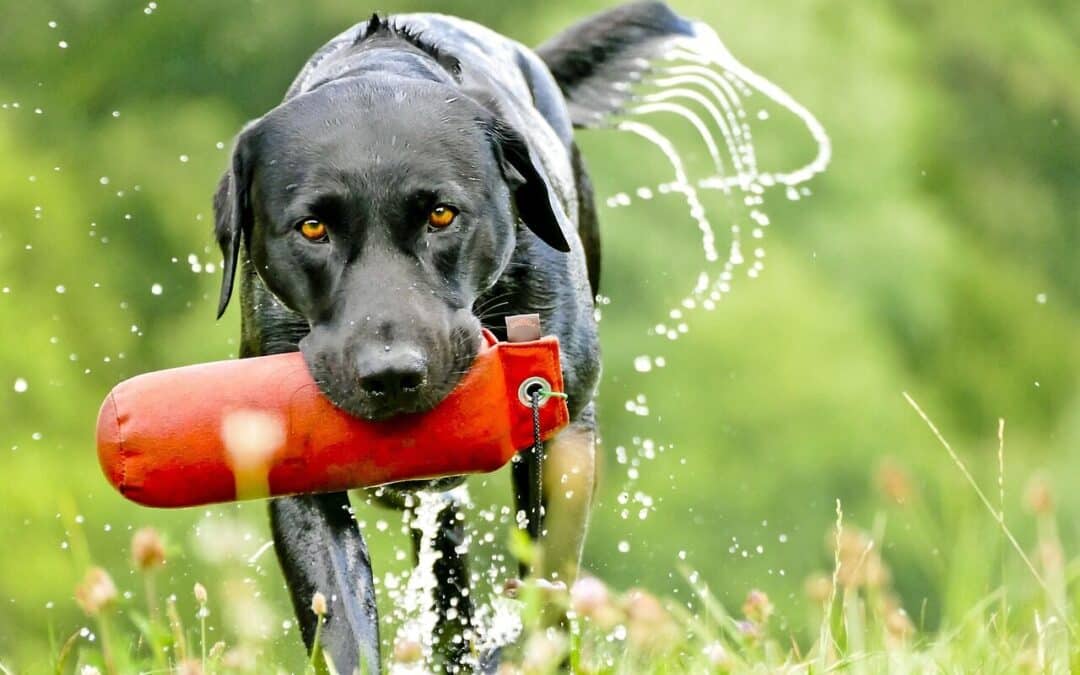
Photo by Gerrie van der Walt on Unsplash
Why Owners Across the DMV Choose Ruff House Dog Training
Veteran-Owned and Results-Driven
I’m not a franchise. I’m not a big-box trainer running 12 clients through the same curriculum. I’m a veteran who brings discipline, honesty, and real problem-solving to every session—with a sense of humor, because this stuff should be enjoyable.
400+ Happy Clients and Counting
Over 400 families across Leesburg VA, Northern Virginia, Maryland, and Washington D.C. have worked with me to create calmer homes, better relationships, and dogs that actually listen. The results speak for themselves.
Unlimited Post-Session Support
Most dog trainers disappear after your final session. I don’t.
Real life doesn’t pause when training ends. When new challenges come up—and they will—my clients can reach out anytime for guidance. That kind of ongoing support is rare, and it makes a real difference in long-term success.
No Judgment—Just Real Solutions
Whether your dog is a reactive rescue, a chaos-machine puppy, or a normally well-behaved dog going through a rough patch, I’ve seen it before. There’s no shame here—just honest, practical help.
No judgment. No gimmicks. No false promises.
Better Communication Builds Better Dogs
The best dog training isn’t about controlling your dog—it’s about teaching them how to succeed in your world. When communication is clear, when expectations are consistent, and when the training fits your actual life, the behavioral issues that felt permanent start to fade.
If you’re looking for a dog trainer in Leesburg, Virginia, who focuses on real-world results, personalized attention, and support that doesn’t disappear after the last session, I’d genuinely love to help.