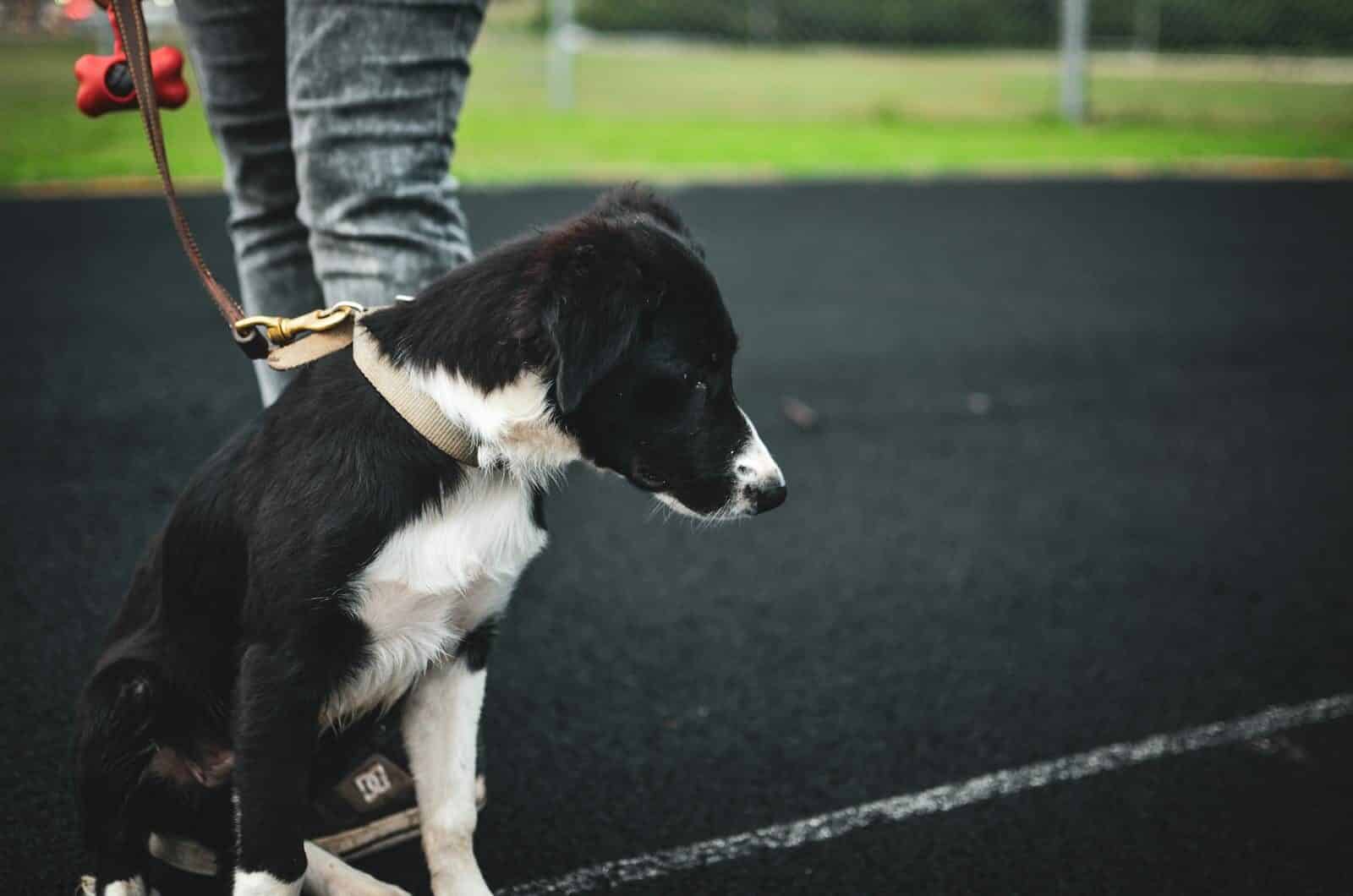
It’s a Tuesday evening in North Bethesda. You’ve just walked in the door after a long commute on the Beltway. The kids are running through the hallway, an Amazon package just thumped against the front porch, and chaos erupts. Your dog is barking at the delivery driver, jumping on your work clothes, and threatening to bolt out the door the second it opens.
Does this sound familiar?
For many families in our area, this is daily life. Between demanding careers, school pickups, and the general hustle of the DMV, adding a dog to the mix can sometimes feel like adding fuel to a fire rather than finding a furry best friend. But here is the hard truth: your dog won’t train himself.
As a veteran-owned business that has worked with over 400 clients, I’ve seen this scenario play out countless times. The good news is that it doesn’t have to be this way forever. Obedience training isn’t magic, but when done correctly, it creates a communication bridge that turns chaos into calm.
What Obedience Training Really Means
When people search for obedience training for dogs in North Bethesda, Maryland, they often think it’s just about teaching a dog to “sit” or “shake” for a treat. But real obedience goes much deeper than parlor tricks.
True obedience is about structure, safety, and reliability in the real world. It means your dog listens to you, not just when you’re holding a piece of cheese in a quiet living room, but when there are squirrels, skateboards, or other dogs nearby. It’s about building a relationship where your dog looks to you for guidance rather than reacting impulsively to the environment.
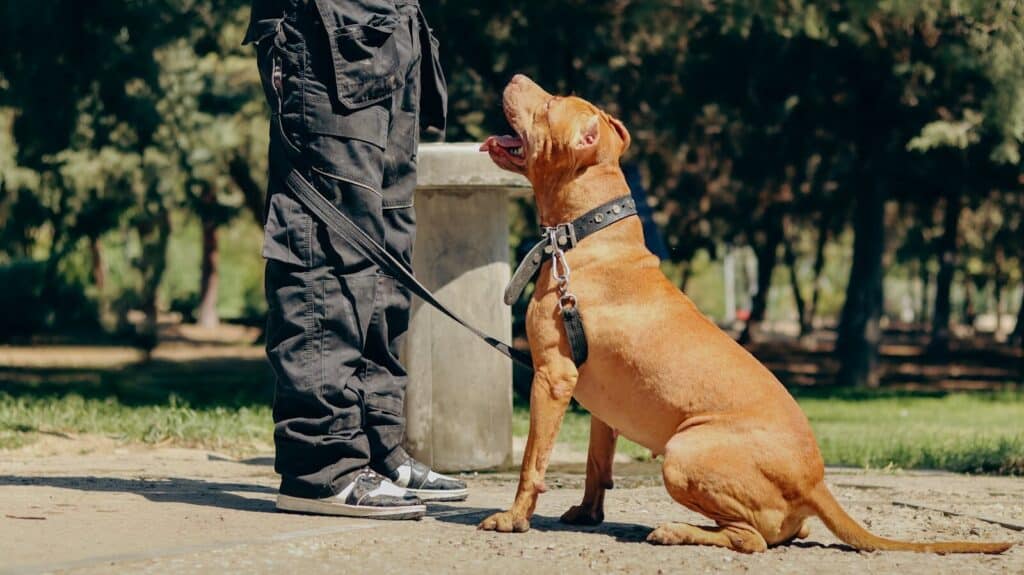
Photo by Mehdi Gholipour on Pexels
What Are the 7 Basic Commands In Dog Training?
A solid training foundation typically revolves around seven core commands. These aren’t just for show; they are safety mechanisms that allow your dog to have more freedom.
- Sit: The universal “please” and pause button.
- Down: A step further into relaxation and impulse control.
- Stay: Essential for safety at doors and crosswalks.
- Come: The most important command—it can literally save your dog’s life.
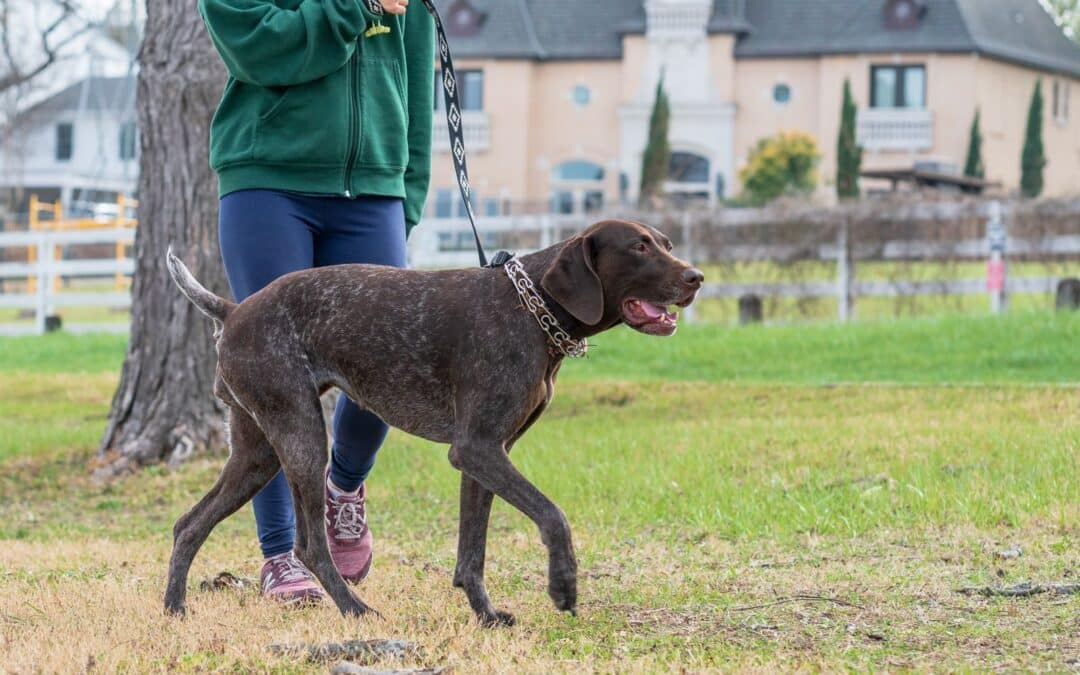
- Heel: Walking calmly beside you without pulling your arm out of its socket.
- Place: Going to a specific spot (like a bed) and staying there until released.
- Leave It: Ignoring dangerous items on the ground or the neighbor’s cat.
These commands can be taught using prong collars, shock collars, hand signals, body language, and verbal cues. When a dog masters these, they aren’t restricted; they are liberated. A dog with a solid recall can enjoy off-leash hiking. A dog that heels can join you at outdoor cafes at Pike & Rose without causing a scene.
What Is the Best Age for Dog Obedience Training?
The short answer is: right now.
Puppies (8–16 weeks) are sponges and are in the prime window for learning structure. Young dogs often need an outlet for their energy, and obedience provides that mental stimulation. But what about older dogs? The saying “you can’t teach an old dog new tricks” is a myth. Older dogs, and especially rescues, often thrive when given clear guidance and routine. It creates a sense of security that they may have been missing.
If you are looking for more tips on training dogs at different life stages, the American Kennel Club offers a great guide on age-appropriate training timelines.
The Basic Obedience Training Process Explained
Many owners hesitate to start dog obedience training because they don’t know what to expect. They worry it will be too harsh, too time-consuming, or simply ineffective. Here is a transparent look at how a professional process works.
Step 1: Evaluation & Goal Setting
Every dog in North Bethesda is different, and every household operates differently. A cookie-cutter approach rarely works. The process starts by assessing your dog’s specific behavior patterns. Is the issue fear? Aggression? Over-excitement? We also look at your family’s routine to see where the training fits in.
Step 2: Building the Foundation With Leash Or Crate Training
Before we worry about complex tasks, we establish the basics. This often includes leash handling skills, crate training (which is vital for safety and housebreaking), and setting clear boundaries. We focus on teaching the dog to focus on you before we even start giving commands.
For those interested in the science behind how dogs learn focus, Psychology Today has an interesting article on canine cognition.
Step 3: Real-Life Application
This is where the rubber meets the road. Training in a silent room is easy; training when the doorbell rings is hard. We practice commands around distractions—kids playing, cars passing, and other dogs walking by.
Critically, this step is about teaching you how to handle your dog. I can get your dog to listen to me in ten minutes, but if they don’t listen to you when I leave, I haven’t done my job.
Step 4: Accountability & Support
Whether you choose a “90-Minute Miracle” session for a quick reset or a structured 6-week obedience program, the goal is long-term success. Unlike many trainers, we offer unlimited post-session support. If you hit a snag three months down the road, we are there to help you troubleshoot.
Why One-Off Training Doesn’t Stick
There is a reason why watching a few YouTube videos or attending a single group class at a big-box store often fails. Basic obedience training is a muscle that needs to be exercised.
One lesson does not equal lasting behavior change. Dogs do not generalize well; just because they sit in the kitchen doesn’t mean they will sit at the park. They need repetition and consistency in different environments to understand that “Sit” means “Sit” everywhere.
Busy families need systems, not just advice. Structure prevents regression. Think of it this way: training your dog once and hoping for good behavior in one session is like going to the gym once and expecting six-pack abs. It requires maintenance.
For a deeper dive into why consistency matters, Whole Dog Journal explains the importance of proofing behaviors.
Who Benefits Most from Professional Obedience Training for Dogs?
Busy Families
If your schedule is packed with soccer practice and meetings, you don’t have time for trial and error. You need practical systems that stop the chaos immediately.
First-Time Puppy Owners
Puppies and new dogs are cute, but the biting, chewing, and potty accidents can be overwhelming. Professional guidance on crate training and scheduling can save your sanity (and your rugs). PetMD offers a good checklist for new puppy owners to get you started.
Owners of Reactive or Aggressive Dogs
If walking your dog is a nightmare because they lunge at everything that moves, you need safety-focused training. We offer real solutions without judgment.
Professionals & Commuters
You have limited time and need efficient sessions that get straight to the point. You need a dog that can settle down while you work from home or relax after a long day.
Rescue & Shelter Adopters
Rescue dogs often come with baggage. Building trust and stability through training helps them adjust to their new forever home. The ASPCA provides excellent resources on decompressing rescue dogs.
How Much Does It Cost to Train Your Dog?
This is the question everyone asks, and the answer depends on the severity of the behavior, the length of the program, and the level of support required.
However, when considering the cost, it is helpful to compare it to the alternatives:
- The cost of replacing a couch chewed up by a bored dog.
- The potential liability of a dog that bites a guest or neighbor.
- The daily toll of stress and frustration on your family dynamic.
Training is an investment in peace at home. It buys you lifetime skills, a safer environment for your children, and a stronger bond with your dog.
If you are budgeting for a pet, NerdWallet breaks down the true cost of dog ownership, including training.
What Life Looks Like After Training
Imagine a Tuesday evening a few months from now. You walk in the door, and instead of chaos, your dog greets you calmly without jumping. You take a walk around the neighborhood, and the leash is loose in your hand. The kids are playing in the yard, and the dog is happily watching them, not nipping at their heels.
This isn’t a fantasy; it’s the result of putting in the work.
At Ruff House Dog Training, we are veteran-owned and dedicated to serving North Bethesda and the DMV. We don’t offer false guarantees or magic wands. We offer real, lasting solutions based on communication and respect.
For more on building a bond with your pet, check out this article from The Humane Society on positive reinforcement.
Ready to Transform Your Dog?
Don’t spend another day managing chaos. Let’s build the relationship you and your dog deserve.
- Schedule Your 90-Minute Miracle Now.
- End the Barking, Chewing, and Chaos.
- Download Your Free Behavior Guide.
Because structure creates freedom—and both you and your dog deserve both.