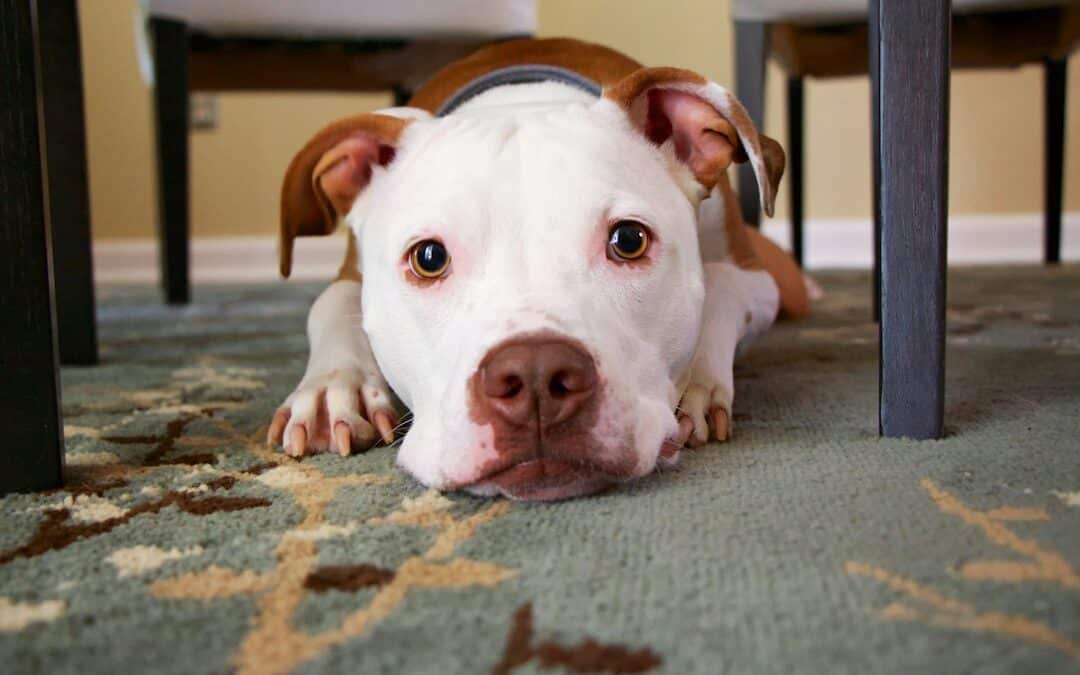
If you live in Reston, Virginia, and share your home with a dog, you already know how much joy a four-legged companion can bring to everyday life. Dogs become part of the family. They greet us at the door, walk with us through the neighborhood, and turn simple moments into something special.
But when your dog constantly pulls on the leash, ignores commands, or barks at every passing distraction, life can start to feel stressful instead of fun.
This is where obedience training for dogs becomes incredibly valuable.
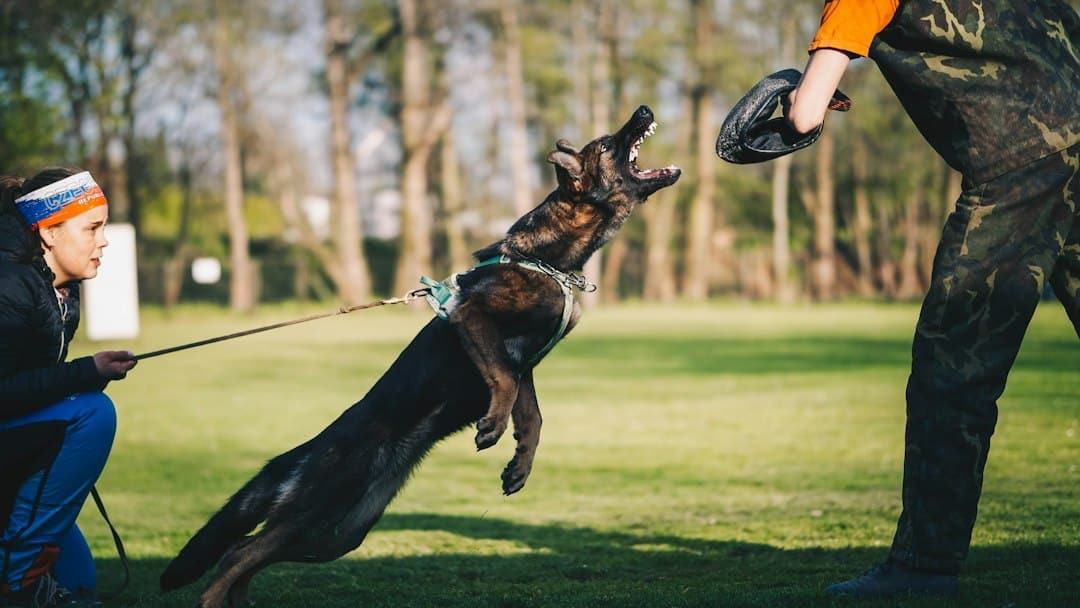
Many pet parents start looking for dog training when they realize their dog’s behavior is affecting everyday routines. Maybe your dog jumps on guests, reacts strongly to other dogs, or refuses to listen during walks.
The good news is that most dogs can learn better behavior with the right guidance, patience, and consistency. Through structured dog obedience training, dogs develop the skills needed to become calm, confident companions.
As a dog trainer working with families throughout the Washington D.C., Maryland, and Northern Virginia area, I’ve seen firsthand how powerful structured training can be. When owners understand their role in the process and commit to consistent practice, dogs make incredible progress.
The goal isn’t perfection. The goal is to help your dog learn the behaviors that allow both you and your dog to enjoy life together.
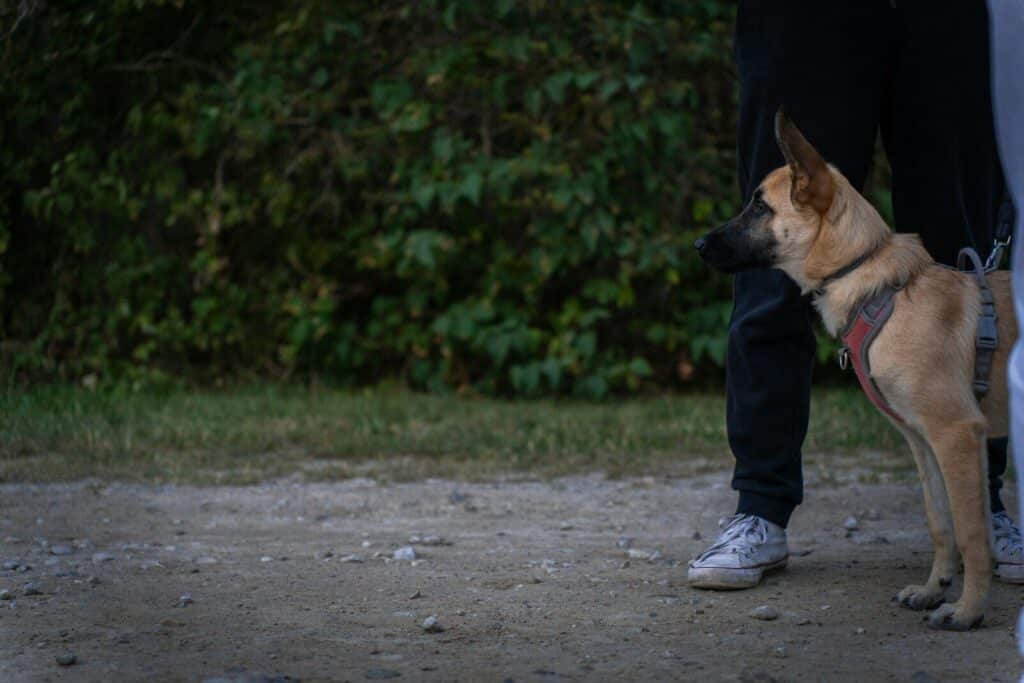
Photo by Anastasiya Badun on Unsplash
Dog Obedience Training Starts With the Owner’s Role
One of the biggest misconceptions about dog obedience training is that the trainer does all the work.
In reality, the most important thing in training success is the owner.
A professional dog trainer provides guidance, tools, and structure, but dogs spend most of their time with their owners. That means real progress happens when owners apply training consistently at home.
Successful dog training depends on a few key responsibilities for owners.
First, consistency matters. Dogs learn through repetition and patterns. If a dog receives mixed signals from different family members, they may struggle to understand what behavior is expected.
Second, communication must be clear. Dogs rely heavily on body language, tone, and timing to understand commands.
Third, practice is essential. Short daily training sessions reinforce skills and help dogs remain focused on learning.
When owners stay consistent and engaged, most dogs improve much faster than expected.
Dog Training Progresses Step by Step
Effective dog training methods follow a gradual progression. Instead of expecting dogs to master everything at once, training builds skills step by step.
Each stage strengthens the dog’s understanding and prepares them for more advanced challenges.
Step 1: Build the Foundation With Basic Obedience
Every dog begins training with basic obedience.
This stage focuses on teaching basic commands such as:
- Sit
- Stay
- Down
- Come when called
- Leave it
These basic cues form the foundation of good dog behavior.
Once a dog learns these commands in a calm environment, training sessions begin introducing mild distractions so the dog can practice responding in more realistic situations.
Step 2: Improve Focus and Leash Behavior
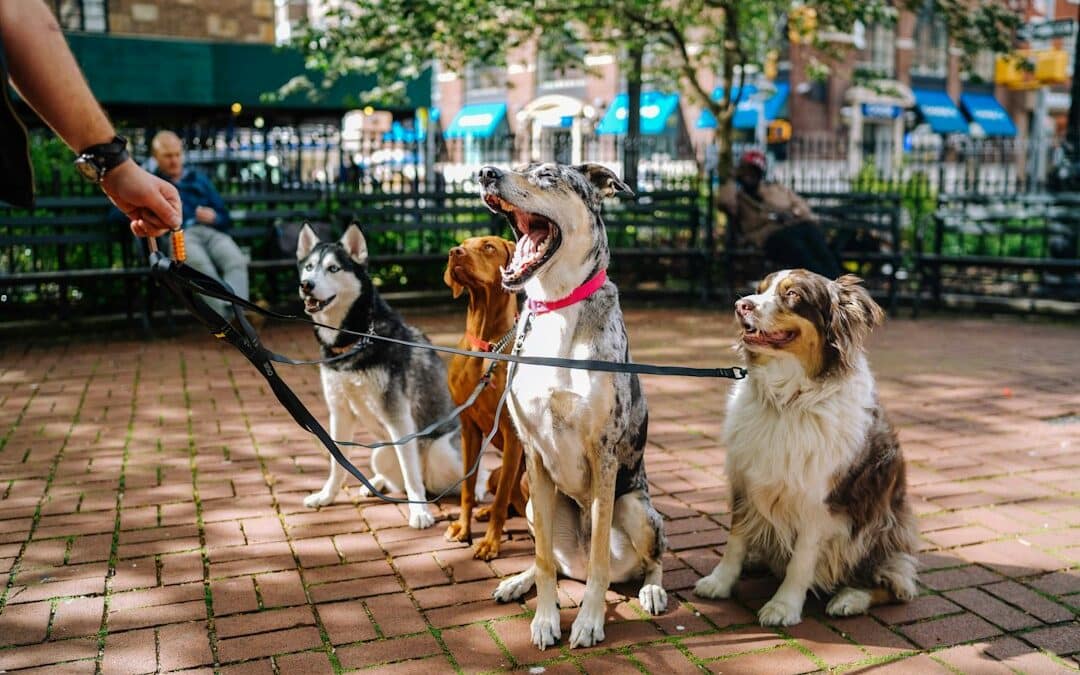
One of the most common challenges dog owners face is walking a dog that pulls constantly on the leash.
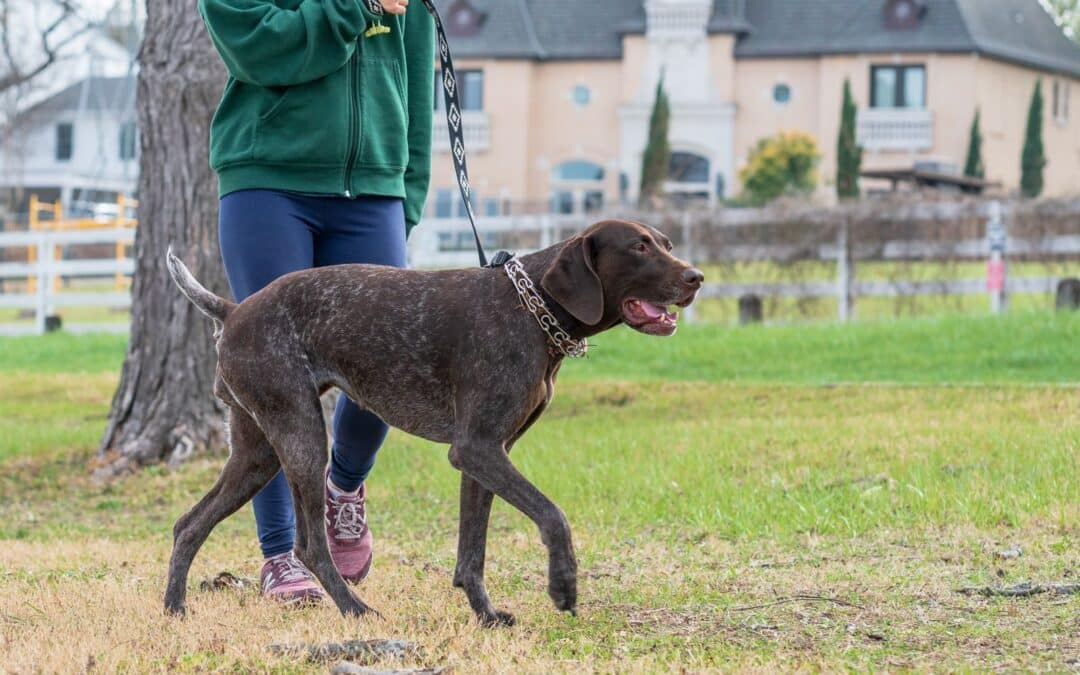
Teaching loose leash walking helps dogs remain calm and attentive during walks.
During training sessions, dogs learn to stay near their owner rather than pulling ahead. This skill improves safety and makes daily walks far more enjoyable.
Dogs also begin learning to maintain focus even when encountering other animals, people, or unfamiliar environments.
Step 3: Introduce Mental Stimulation and Advanced Skills
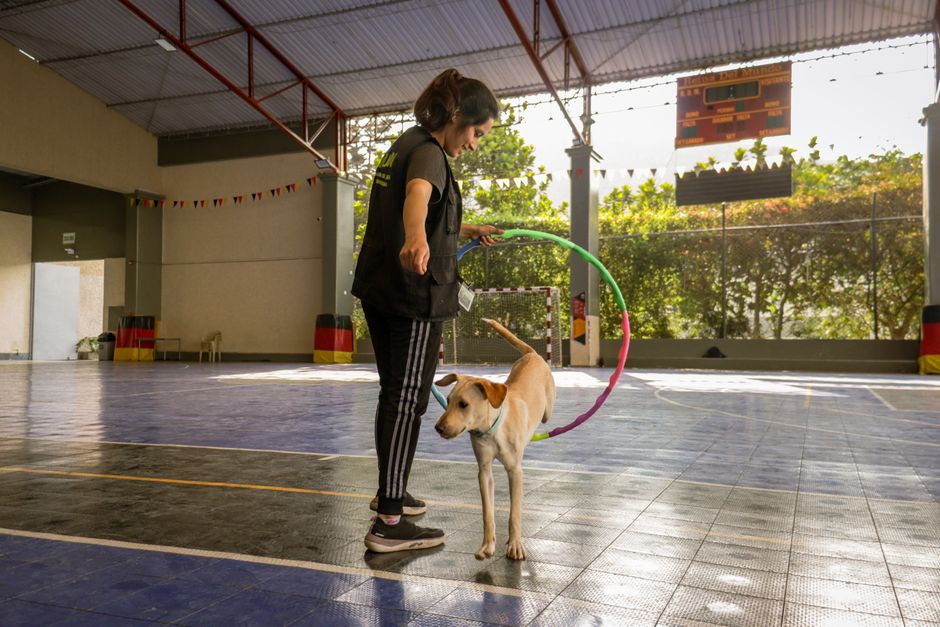
Once a dog understands the basics, training begins expanding into more advanced skills.
Dogs benefit greatly from mental stimulation, which keeps them engaged and prevents boredom-related behaviors like excessive barking or destructive chewing.
At this stage, dogs may begin learning:
- new tricks
- impulse control exercises
- advanced obedience commands
- improved focus around distractions
These activities keep training fun and rewarding for both dogs and their owners.
Basic Obedience Training Teaches Clear Communication
One of the main goals of basic obedience training is to improve communication between dogs and their owners.
Dogs do not naturally understand human expectations. Training helps them learn how to interpret commands and respond appropriately.
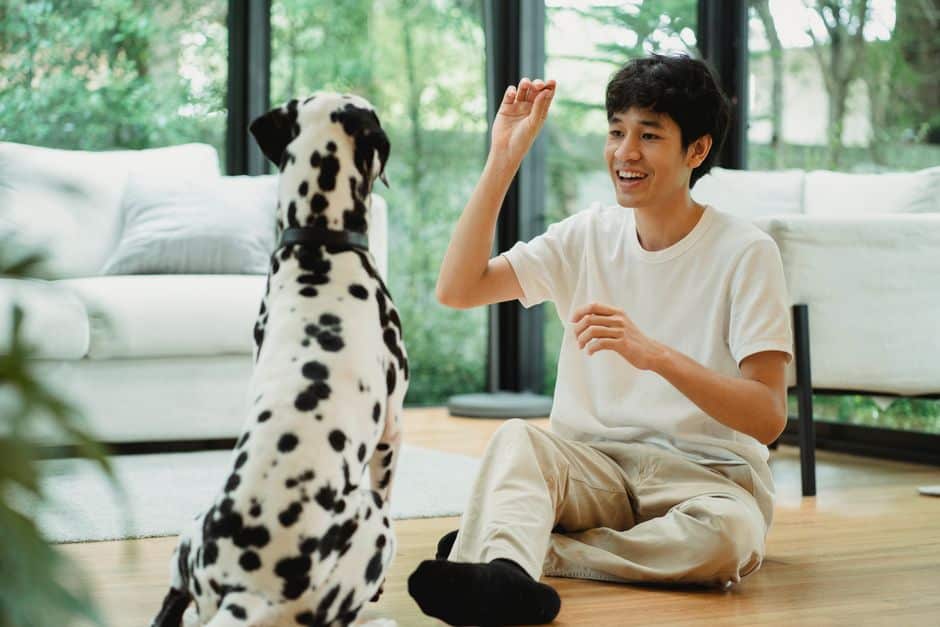
During structured training sessions, dogs learn that specific behaviors lead to rewards.
For example, when a dog responds to the command sit and immediately receives praise or a treat, they quickly learn that sitting leads to a positive outcome.
This approach, known as positive reinforcement, encourages dogs to repeat the behavior in the future.
Over time, these repeated experiences help dogs develop predictable, reliable habits.
Training also teaches owners how to recognize their dog’s signals. Understanding a dog’s body language allows owners to respond appropriately and guide behavior before problems escalate.
Positive Reinforcement Helps Dogs Learn Faster
Modern dog training methods emphasize positive reinforcement because it encourages dogs to learn willingly and confidently.
Rather than punishing mistakes, positive reinforcement focuses on rewarding the correct behavior at the exact moment it happens.
Rewards might include:
- treats
- praise
- toys
- playtime
These rewards create positive associations with training and help dogs stay motivated.
Positive reinforcement also strengthens the bond between dogs and their owners. Dogs that feel safe and supported are far more willing to learn and cooperate.
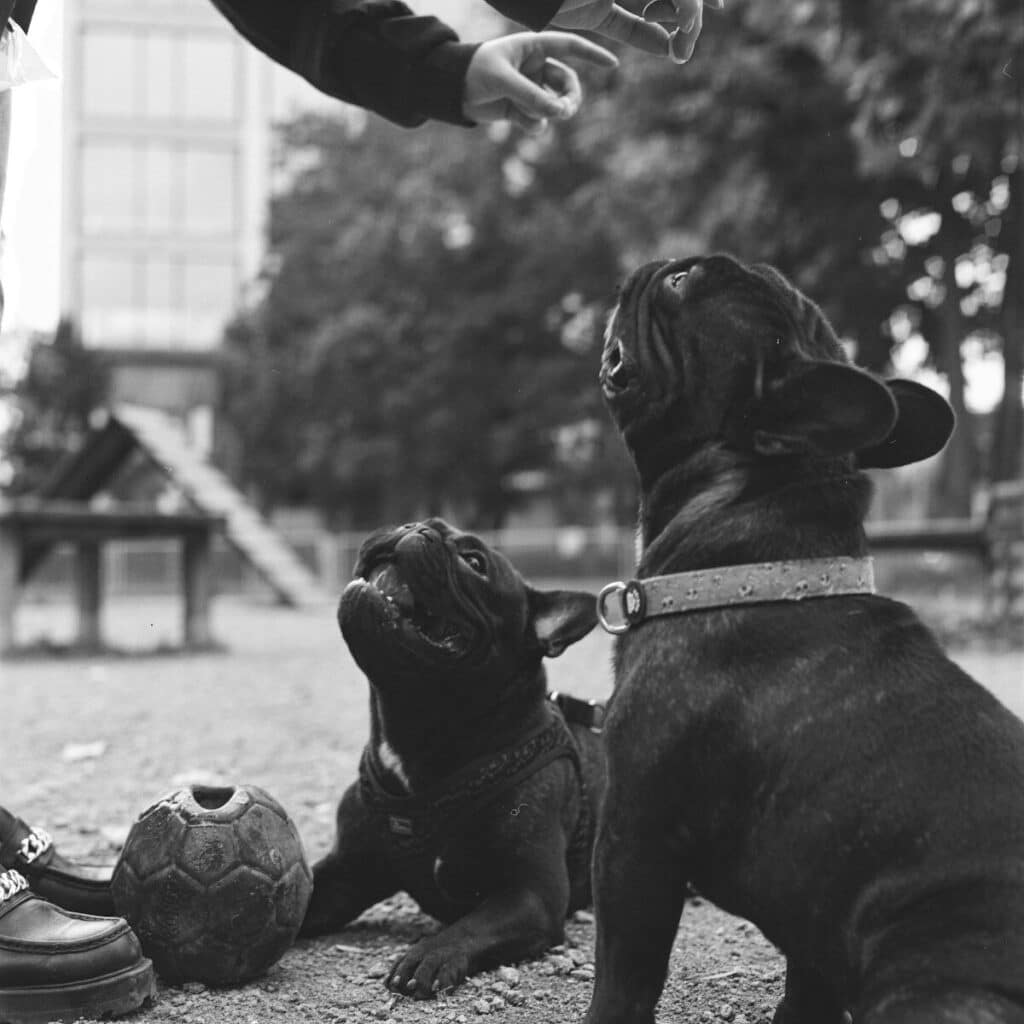
Photo by Mikhail Mamaev on Unsplash
Early Socialization Makes Puppy Training Easier
For families bringing home a new puppy, early training is one of the best investments you can make.
Puppy training focuses heavily on early socialization, which helps dogs develop confidence in new environments.
Introducing a puppy to different people, animals, sounds, and environments reduces fear later in life.
During puppy obedience training, puppies begin learning:
- basic commands
- social behavior with other dogs
- exposure to new experiences
- confidence-building exercises
Early training also helps prevent common problems such as chewing, barking, or jumping.
However, it’s important to remember that training is not only for puppies.
Even adult dogs and older dogs can learn new skills through consistent training.
Common Mistakes Owners Make During Training
Even well-meaning owners sometimes make mistakes that slow progress.
One common mistake is inconsistency. If different family members enforce different rules, dogs become confused.
Another mistake is expecting results too quickly. Training takes practice, repetition, and patience.
Some owners also rely too heavily on punishment or tools like shock collars, which can create fear rather than understanding.
The most effective training focuses on communication, repetition, and clear expectations.
When owners stay patient and consistent, dogs gradually develop stronger habits.
How Professional Guidance Helps Dogs and Owners Succeed
While many owners attempt to train your dog independently, working with a professional dog trainer can dramatically accelerate progress.
A trainer helps identify the root cause of behavior challenges and provides structured training sessions designed to address those issues.
Professional trainers also help owners learn how to communicate more effectively with their dogs.
At Ruff House Dog Training, we focus on practical, real-world training solutions that work in everyday life.
Whether you are raising a young dog, working with an adult dog, or helping a rescue dog adjust to a new home, structured training can make a lasting difference.
Start Obedience Training For Dogs Today
If your dog struggles with leash pulling, barking, or ignoring commands, you’re not alone. Many families in Reston, Virginia, face the same challenges.
The good news is that most dogs can improve dramatically with consistent training and the right guidance.
At Ruff House Dog Training, we work with pet parents across the DMV to help dogs develop stronger focus, better behavior, and improved communication with their owners.
Whether you have a new puppy, a playful pup, or an older companion who needs guidance, our programs are designed to help dogs succeed.
Book your training session and take the first step toward a calmer home, clearer communication, and a stronger relationship with your dog.
From chaos to calm, let’s do this.
Because your dog won’t train himself.
Resources for Obedience Training
ASPCA Dog Training: The ASPCA provides practical advice on positive reinforcement techniques and solutions for common behavioral issues. Explore ASPCA Training Tips
Victoria Stilwell’s Positively Training: Renowned dog trainer Victoria Stilwell shares articles, videos, and advice on positive, reward-based training methods. Learn More at Positively
The Humane Society’s Dog Training Guide: This guide covers the basics of obedience training, including crate training, leash manners, and socialization. Check Out the Humane Society’s Guide
American Kennel Club (AKC) Training Resources: The AKC offers a wealth of information on basic obedience training, including step-by-step guides and tips for training your dog at home. Visit AKC Training Resources
Karen Pryor Clicker Training: A leader in clicker training, Karen Pryor’s website offers resources for teaching your dog through positive reinforcement and clicker techniques. Visit Karen Pryor Clicker Training
Dog Training Advice and Support (Facebook Group): A supportive online community where dog owners can share experiences, ask questions, and get advice from experienced trainers and fellow pet parents. Join the Facebook Group
YouTube Channels About Dog Training: YouTube is packed with free video tutorials on obedience training, covering everything from basic commands to solving behavioral problems. Check out videos on Youtube that may be helpful