
Finding the right local dog trainer can make all the difference in your dog’s life. Whether you’ve brought home a new puppy, adopted a new dog, or are trying to manage challenging behaviors, the right trainer can help both you and your dog succeed.
Many dog owners begin searching for dog training when their dog’s behavior starts affecting daily life. Maybe your dog pulls during leash walking, struggles with potty training, reacts to other dogs, or shows signs of separation anxiety.
Training can absolutely help with these challenges, but not all dog trainers use the same philosophy or techniques. Choosing the right trainer requires understanding what makes a training program effective and what qualities to look for in a professional.
If you’re searching for a local dog trainer in the DMV area — Washington DC, Maryland, or Northern Virginia — this guide will help you identify the traits that separate great trainers from ineffective ones.
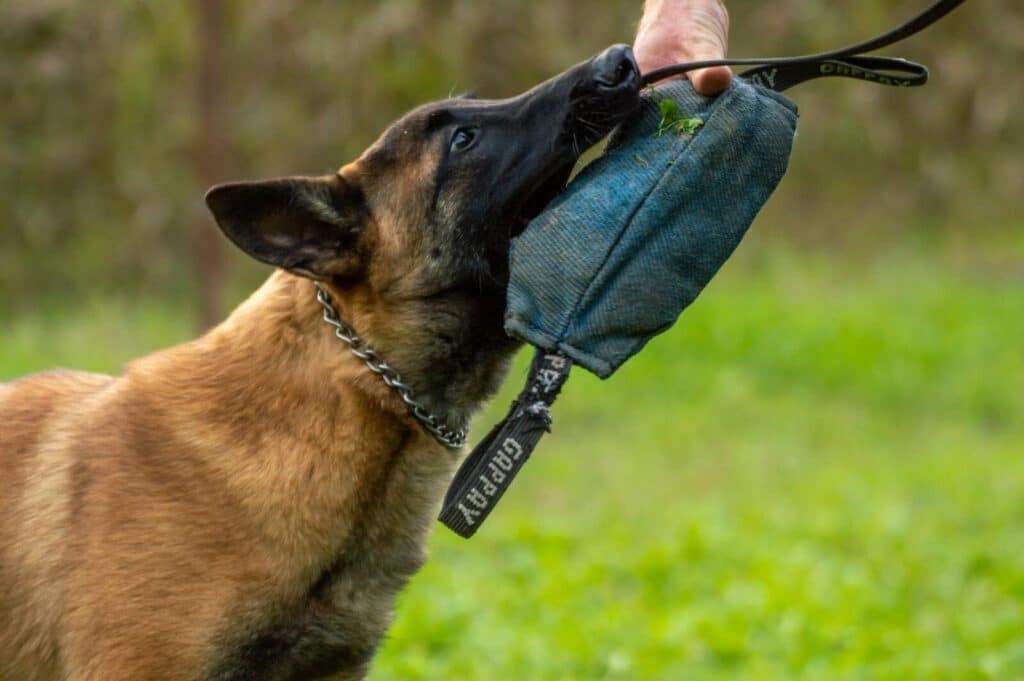
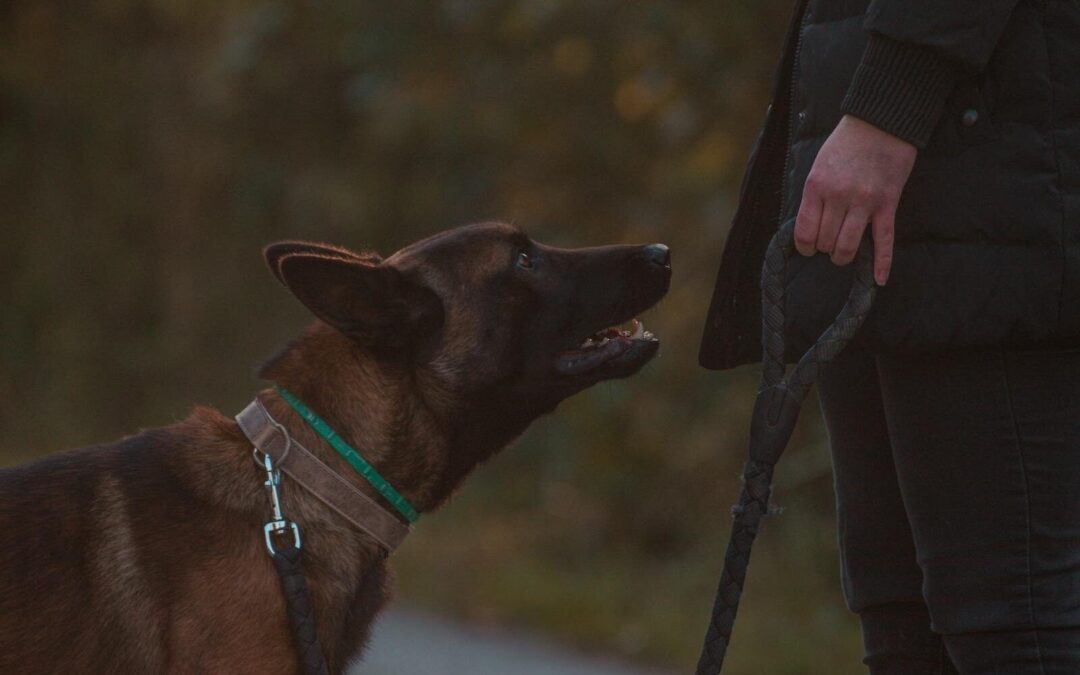
Photo by Anton Kudryashov on Pexels
Why Choosing the Right Local Dog Trainer Matters
Dogs learn through repetition, structure, and clear communication. A good training program doesn’t just teach a dog to follow commands. It teaches dog owners how to communicate with their dog and reinforce good behavior consistently.
The right trainer helps improve your dog’s behavior while strengthening the relationship between you and your pet.
On the other hand, poorly designed training programs can create confusion, stress, and sometimes even worsen behavioral issues.
Because of this, choosing the right local dog trainer is one of the most important decisions you can make as a dog owner.
The best trainers combine knowledge of dog behavior, practical experience, and strong communication skills to guide owners through the training process.
7 Things to Look for in Professional Dog Trainers
When evaluating professional dog trainers, there are several important factors that can help you determine whether a trainer will be a good fit for your dog and your household.
1. A Clear Training Philosophy
Every trainer uses different training methods.
Many modern trainers emphasize positive reinforcement training, which rewards dogs for good behavior rather than punishing mistakes. This approach encourages dogs to learn through positive associations and builds trust between the dog and owner.
Look for trainers who focus on reinforcing good behavior and explaining why their training techniques work.
2. Experience With Different Types of Dogs
Dogs vary widely in personality, energy level, and temperament.
A great trainer should have experience working with many dogs, including puppies, adult dogs, and dogs dealing with behavior problems like aggressive behavior, resource guarding, or anxiety.
Experience helps trainers adapt their training plan to each dog’s unique needs.
3. Training Programs That Fit Your Goals
Different dogs need different types of training.
Some dogs benefit from group training classes, which allow them to practice around other dogs while learning basic skills.
Others may need private lessons or one-on-one training to focus on specific behavior challenges.
Good trainers offer flexible options such as:
- Group classes
- Private sessions
- Day training
- Structured training programs
- Behavior modification programs
These options allow owners to choose the best approach for their dog’s situation.
4. Focus on Real-Life Skills
Training should prepare dogs for real-world situations.
Programs should include skills like:
- Loose leash walking
- Basic obedience commands
- Calm greetings with people
- Appropriate behavior around other pets and dogs
Real-life training helps dogs behave confidently at home, on walks, and in public environments.
5. Education and Continuing Learning
Experienced trainers often pursue continuing education to stay current with new training research and techniques.
Some trainers also hold certifications related to fear-free training, behavior training, or specialized programs such as service dog training or therapy dog training.
A trainer who invests in learning demonstrates commitment to improving their skills and helping dogs succeed.
6. Ability to Teach the Owner
One of the most overlooked parts of dog training is the role of the owner.
A trainer’s job isn’t just teaching the dog. It’s teaching the human.
Great trainers help dog owners understand their dog’s body language, triggers, and communication style. They provide practical techniques owners can apply every day.
When owners understand how to reinforce good behavior, dogs make faster progress.
7. A Focus on Long-Term Results
Some training programs promise immediate results.
In reality, lasting behavior change takes time, repetition, and consistent guidance.
The best trainers emphasize long-term success rather than quick fixes. They provide owners with a clear training plan that supports gradual improvement.
This approach helps dogs develop reliable skills that last for life.

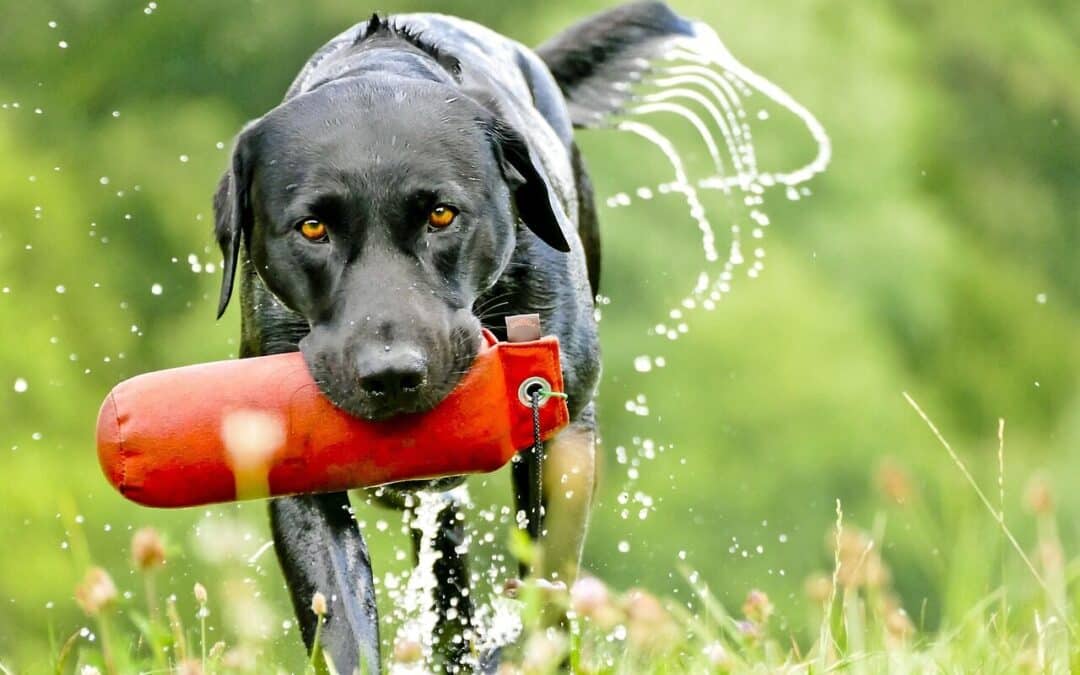
Photo by Ron McClenny on Unsplash
Common Red Flags When Hiring a Trainer
While many dog trainers are skilled professionals, there are a few warning signs dog owners should be aware of when evaluating training programs.
One red flag is trainers who promise instant results. Behavior change takes time, and any program guaranteeing dramatic change in one session should be approached with caution.
Another warning sign is reliance on harsh equipment, such as prong collars or punishment-based methods, without proper explanation.
Training based primarily on punishment can create fear or anxiety instead of helping dogs learn appropriate behavior.
It is also important to avoid trainers who fail to explain their methods clearly. A good trainer should help you understand why certain techniques are used and how to continue training at home.
Why Local Experience Matters in the DMV
Working with a local dog trainer who understands the environment in the DMV area can make a big difference.
Dogs living in cities like Washington DC, suburban areas like Silver Spring, or communities in Northern Virginia face unique challenges.
They encounter:
- Busy sidewalks
- Dog parks
- High foot traffic
- Frequent interactions with other dogs and people
A trainer with local experience understands these conditions and can prepare dogs for real-world situations they will encounter daily.
Local trainers can also help owners practice training in realistic environments such as neighborhood walks, parks, and busy public spaces.

RuffHDT Official Logo
Start Training With the Right Local Dog Trainer
If you’re searching for a local dog trainer in the DMV area, finding the right professional can transform your dog’s behavior and your everyday life.
The right trainer will help your dog build basic skills, improve leash manners, develop confidence around other dogs, and learn how to respond to commands reliably.
At Ruff House Dog Training, we work with dog owners throughout Washington DC, Maryland, and Virginia to create practical, effective training programs tailored to each dog and household.
Whether you’re raising a new puppy, addressing behavioral issues, or looking to strengthen your dog’s obedience, the right training approach can make all the difference.
Start your dog’s transformation today.
Book your first training session, claim your spot, and take the first step toward a calmer, more confident dog.
Because your dog won’t train himself.
7 Helpful Links and Resources for Dog Training
- American Kennel Club (AKC) Training Resources: The AKC offers a wealth of information on basic obedience training, house training, and socialization tips for dogs of all ages. Visit AKC Training Resources
- ASPCA Dog Behavior and Training: The ASPCA provides practical advice on positive reinforcement training techniques and solutions for common behavioral issues. Explore ASPCA Training Resources
- Victoria Stilwell’s Positively: Renowned dog trainer Victoria Stilwell shares articles, videos, and tips on positive, reward-based training methods. Check Out Positively
- The Humane Society of the United States: This site offers guidance on humane training practices, including crate training, leash training, and addressing problem behaviors. Learn More at Humane Society
- Karen Pryor Clicker Training: A go-to resource for clicker training enthusiasts, this site provides step-by-step guides and tools for effective training. Visit Karen Pryor Clicker Training
- Dog Star Daily: Created by Dr. Ian Dunbar, this site is packed with free resources, including training videos, articles, and eBooks for new and experienced dog owners. Explore Dog Star Daily
- YouTube Channels for Dog Training: Channels like Zak George’s Dog Training Revolution offer free video tutorials on everything from basic commands to solving behavioral challenges. Youtube