When dog owners begin researching the best dog training collars, they often encounter a confusing mix of opinions, products, and training advice. Terms like e collars, electronic training collars, bark collars, and shock collars can quickly make the subject feel complicated.
The truth is that dog training collars are simply tools. Like any tool, their value depends on how they are used.
In professional dog training, collars are used to improve communication, reinforce commands, and help dogs understand expectations. They are not shortcuts or instant solutions. Instead, they support the overall training process when used with proper timing, consistency, and structure.
At Ruff House Dog Training, we focus on practical methods that help dogs and their owners communicate clearly. Training collars can sometimes play a role in that process, but understanding when and how they are used is essential.
Let’s break down the different types of dog training collars, how professional trainers use them, and what dog owners should consider before choosing one.

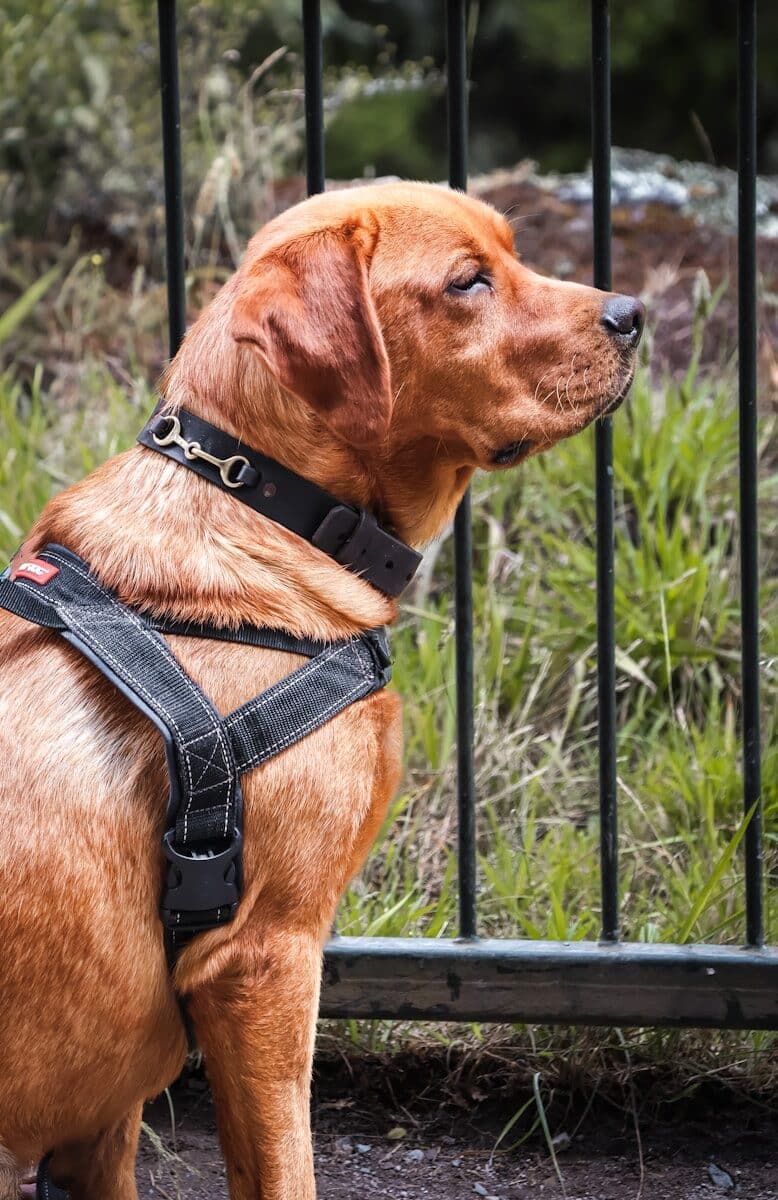
Photo by janilson furtado on Unsplash
Why Dog Training Collars Exist in Dog Training
Dogs do not speak human language. During dog training, trainers rely on signals, repetition, and reinforcement to help dogs understand what behavior is expected.
A training collar can provide an additional layer of communication between the trainer and the dog.
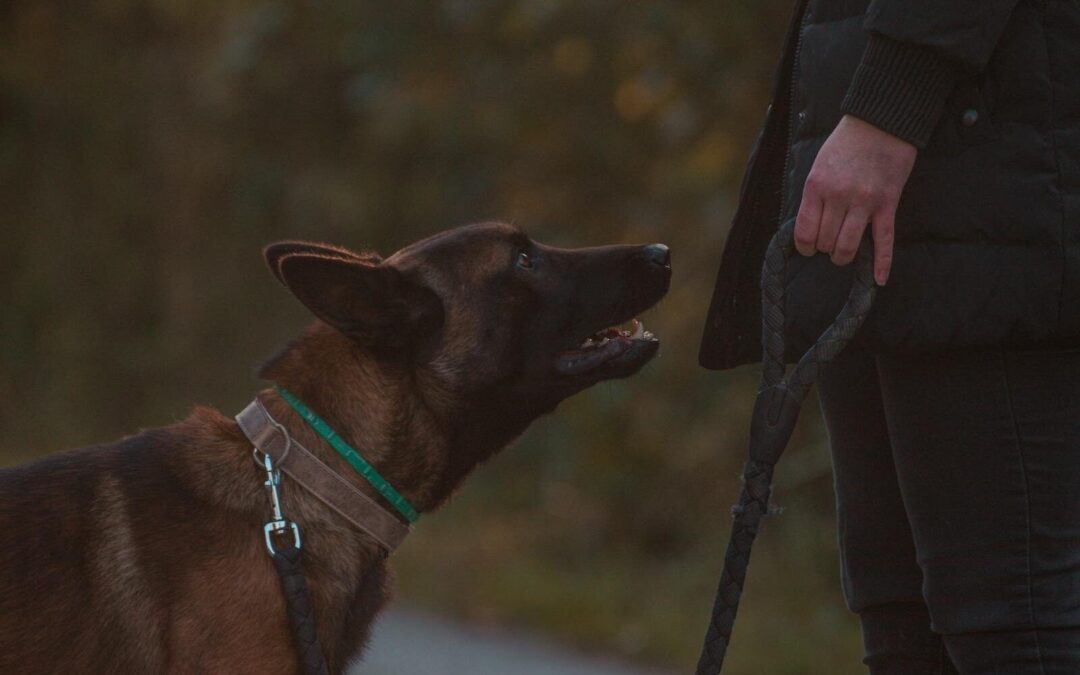
For example, a leash attached to a collar can guide a dog into position during basic obedience exercises like sit, stay, or heel. Over time, the dog begins to associate commands with specific behaviors.
In more advanced training situations, collars may help reinforce commands at greater distances, especially when dogs are working off-leash.
Training collars are often used with:
- working dogs
- bird dog training programs
- upland hunting dogs
- dogs that require structured off-leash reliability
In these cases, collars can provide precise control and consistent communication even when the dog is far away.
However, collars are not necessary for every dog or every training situation. The choice depends on the dog’s temperament, the owner’s training goals, and the environment where the dog will be working.
Types of Dog Training Collars Trainers Use
There are several different types of dog training collars, each designed for specific training needs.
Understanding the differences helps dog owners make informed decisions.
Standard Training Collars
Traditional training collars are the most common type of collar used in everyday dog training.
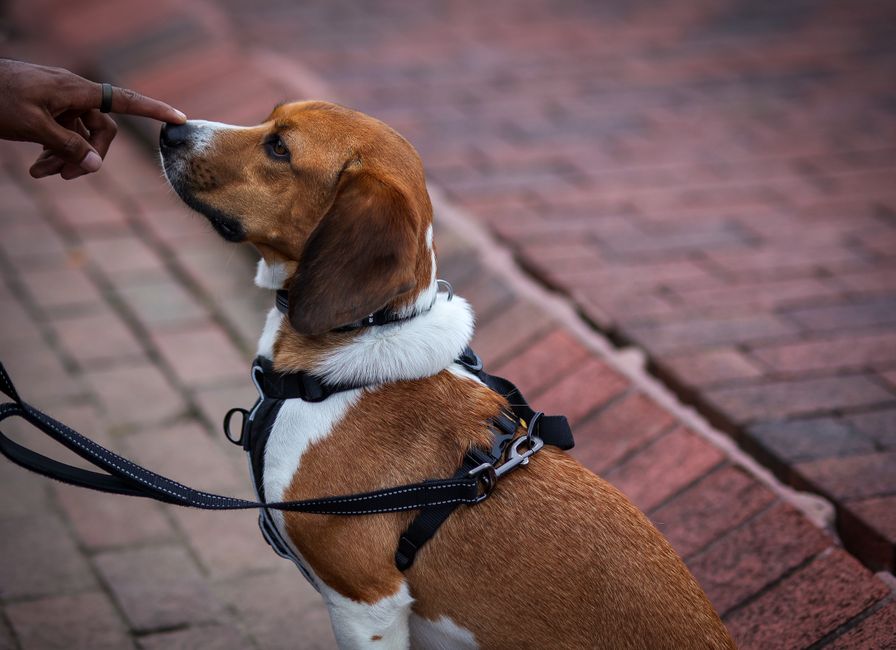
These collars attach to a leash and allow the trainer to guide the dog physically during training sessions.
They are often used for teaching basic obedience, leash walking, and early training with a puppy.
For many dogs, a standard collar paired with consistent training is all that is needed to build reliable behavior.
Bark Collars
A bark collar is designed to reduce excessive barking.
When the dog barks, the collar produces a stimulus such as vibration, tone, or mild static stimulation.
The goal is to interrupt repeated barking and help the dog recognize when the behavior becomes excessive.
Bark collars are sometimes used when dogs bark frequently due to boredom, anxiety, or environmental triggers.
However, they should always be used carefully and ideally under the guidance of experienced trainers to ensure they address the root cause of the behavior.
Electronic Training Collars (E-Collars)
Electronic training collars, often called e collars, are remote-controlled collars used to communicate with dogs at longer distances.
These collars provide signals such as:
- vibration
- tone alerts
- adjustable stimulation levels
In structured e-collar training, the collar becomes a communication tool rather than a punishment device.
The stimulation levels are typically adjustable, allowing trainers to select very low settings that simply get the dog’s attention.
These collars are sometimes used for dogs that require reliable off-leash control, such as working dogs or hunting breeds.
Shock Collars and Misunderstandings
The term shock collar is often used interchangeably with electronic collars, but the phrase can create confusion.
Modern electronic collar systems are designed with multiple stimulation levels, tone options, and vibration settings.
When used properly, trainers typically rely on very low levels designed to function more like a tap on the shoulder than a harsh correction.
The key difference is that professional trainers introduce these collars gradually and pair them with clear commands and rewards.
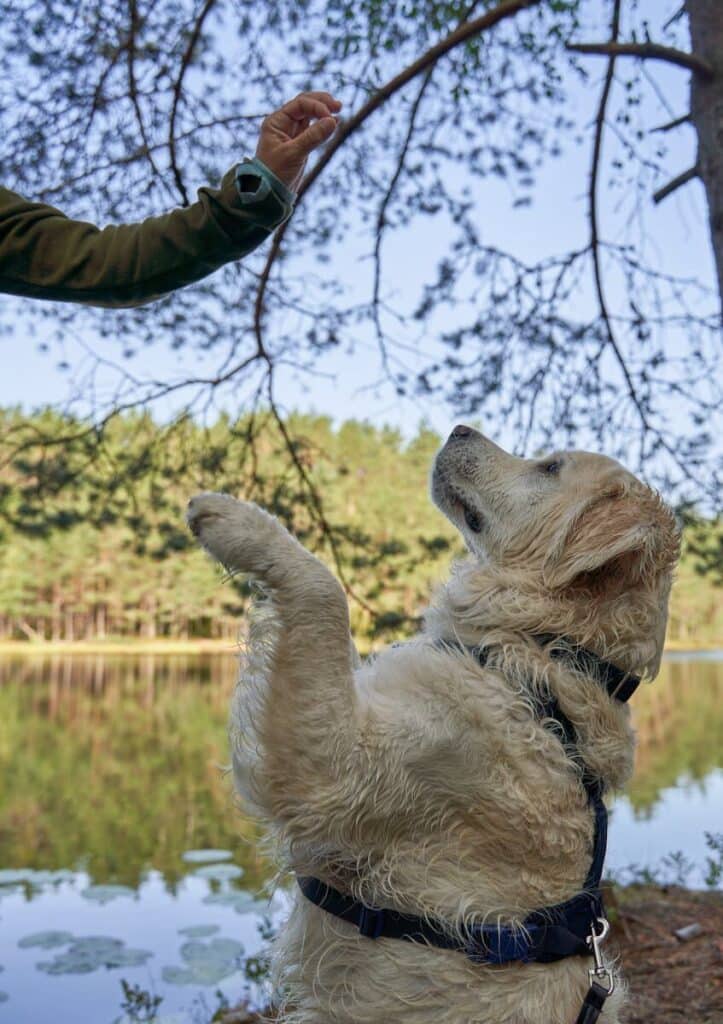
Photo by Barnabas Davoti on Pexels
When Professional Trainers Use E-Collar Training
E-collar training is not used for every dog.
Professional trainers typically consider several key factors before introducing electronic training collars.
These include:
- the dog’s temperament
- the dog’s breed and energy level
- the owner’s training experience
- the desired training goals
For example, some working dogs trained for upland hunting may require a long-range communication system to respond reliably while hundreds of yards away.
Certain collars used by upland hunters or hounds can reach distances of up to a mile.
Brands like Dogtra units offer advanced collars designed for these types of environments, with rechargeable batteries, fully waterproof designs, and easy access buttons for quick communication.
These systems may also include GPS tracking, allowing handlers to monitor the dog’s location during training.
However, these features are typically necessary only for specialized training environments.
Key Factors to Consider When Choosing the Right Training Collar
Choosing the right e-collar or training collar involves several important considerations.
Every dog is different, so the best collar depends on the dog’s individual needs.
Some important key factors include:
The Dog’s Temperament
A confident working dog may respond differently from a sensitive puppy or companion breed.
Understanding the dog’s personality helps determine which training approach is most appropriate.
Range and Environment
If the dog will only be trained in a backyard or neighborhood environment, a collar with long-range capability may not be necessary.
However, dogs trained for hunting or working tasks may require an extended communication range.
Safety and Comfort
The collar should always fit properly around the dog’s neck and use appropriately sized contact points.
The goal is clear communication while maintaining safety and comfort.
A poorly fitted collar can create discomfort or confusion for the dog.
Ease of Use
A user-friendly design makes training easier for the handler.
Features like dedicated buttons, adjustable stimulation levels, and easy access controls allow trainers to communicate quickly and consistently.

RuffHDT Official Logo
Popular Dog Training Collars
When it comes to training your dog effectively, the right collar can make all the difference. Here are just a few top-rated dog training collars by dog owners and the dog community:
- PetSafe Gentle Leader Headcollar: This headcollar is perfect for reducing pulling and improving leash manners. It’s designed to gently redirect your dog’s attention without causing discomfort. Learn more about the Gentle Leader Headcollar
- Herm Sprenger Prong Collar: Known for its durability and effectiveness, this collar is ideal for larger, strong-willed dogs. It provides even pressure around the neck, mimicking a mother dog’s natural correction. Explore the Herm Sprenger Prong Collar
- Fi Smart Dog Collar: A high-tech option for modern pet parents, this collar includes GPS tracking and activity monitoring, making it great for training and safety. Check out the Fi Smart Dog Collar PSA: WHEN YOU TRAIN WITH RUFF HOUSE, YOU CAN RECIEVE A FREE Fi Smart Collar! Learn more here at Ruff House Dog Training
- Educator E-Collar: This e-collar is a favorite among professional trainers for its customizable stimulation levels and ergonomic design. It’s a great tool when used under professional guidance. Discover the Educator E-Collar
- Blue-9 Balance Harness: While technically a harness, this tool is excellent for training dogs that pull on the leash. It offers a front-clip design for better control. Learn about the Blue-9 Balance Harness
- Martingale Collar: Ideal for dogs with narrow heads, like Greyhounds, this collar tightens slightly when pulled, preventing escape while remaining comfortable. Find out more about Martingale Collars
- SportDOG Brand 425X Remote Trainer: This remote trainer is perfect for off-leash training, offering a range of up to 500 yards and multiple stimulation levels.
Explore the SportDOG Brand 425X
For more tips and guidance, visit Ruff House Dog Training.
Why Proper Fit and Timing Matter More Than the Collar
The most important factor in any training collar is not the collar itself.
It’s the timing and skill of the trainer using it.
A perfectly designed collar will not improve behavior if commands are inconsistent or poorly timed.
Professional trainers focus on introducing collars gradually and pairing them with commands the dog already understands.
For example, a dog learning recall might already understand the command “come.”
The collar simply reinforces that command at a greater distance.
This process ensures the dog clearly understands the communication rather than becoming confused.
The Real Goal of Dog Training Collars
Training collars are not meant to control dogs permanently.
Their purpose is to help dogs learn and develop reliable responses.
Over time, as the dog gains confidence and consistency, the reliance on equipment often decreases.
The ultimate goal of dog training is to create a dog that responds reliably because they understand the command, not because they rely on equipment.
Start Your Dog’s Training Journey Today
If you’re researching the best dog training collars, it’s important to remember that collars are just one part of the bigger training picture.
The most effective training programs focus on clear communication, structure, and consistent guidance.
At Ruff House Dog Training, we help dog owners throughout Washington D.C., Maryland, and Virginia build training systems that create real-world results.
Whether you’re working with a stubborn dog, training a new puppy, or developing off-leash reliability, we focus on practical methods that strengthen communication between dogs and their families.
Book your training session today.
End the barking, chewing, and chaos. Transform stress into success with your dog.
Because your dog won’t train himself.