If you’re looking for dog training in Washington DC, there’s a good chance your dog has recently reminded you that love alone does not fix leash pulling, jumping, barking, chewing, or selective hearing.
And trust me, I get it.
You love your dog. Your dog probably loves you, too. But your dog may also love dragging you down the sidewalk, barking at other dogs, stealing food off the counter, or acting like the word “sit” only applies when you’re holding chicken.
At Ruff House Dog Training, I help dog owners and pet parents throughout Washington DC, Maryland, and Virginia create calmer homes, better habits, and stronger communication with their dogs.
My approach is practical, honest, and built for real life. Not just perfect behavior during a training session. Not just commands that work in a quiet room. I focus on helping dogs and owners build skills that actually hold up when life gets busy, loud, distracting, and very, very full of squirrels.
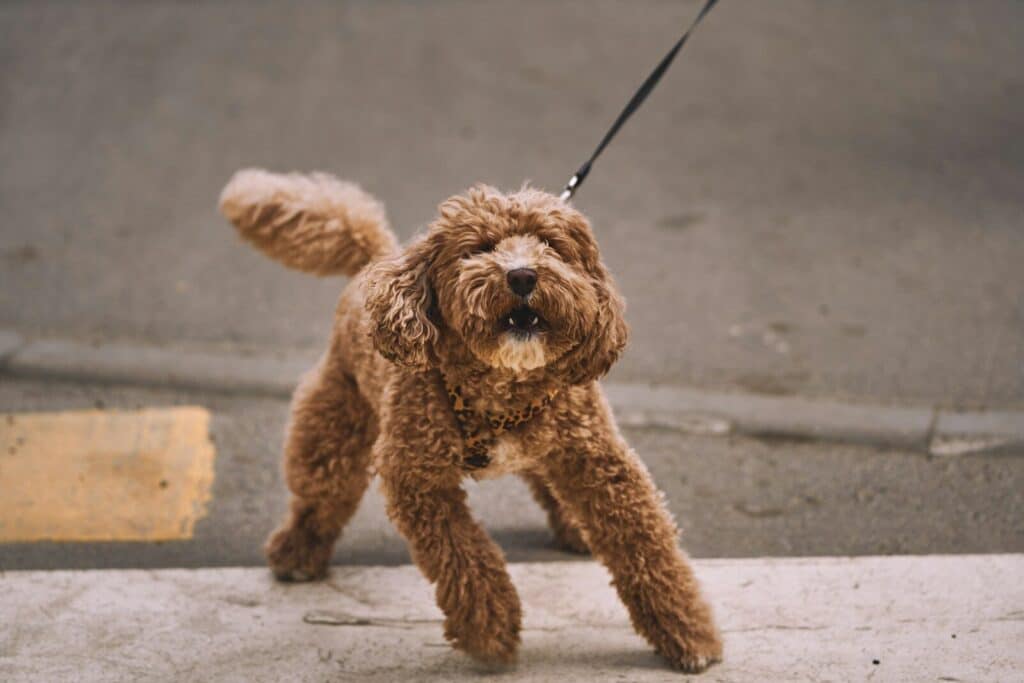
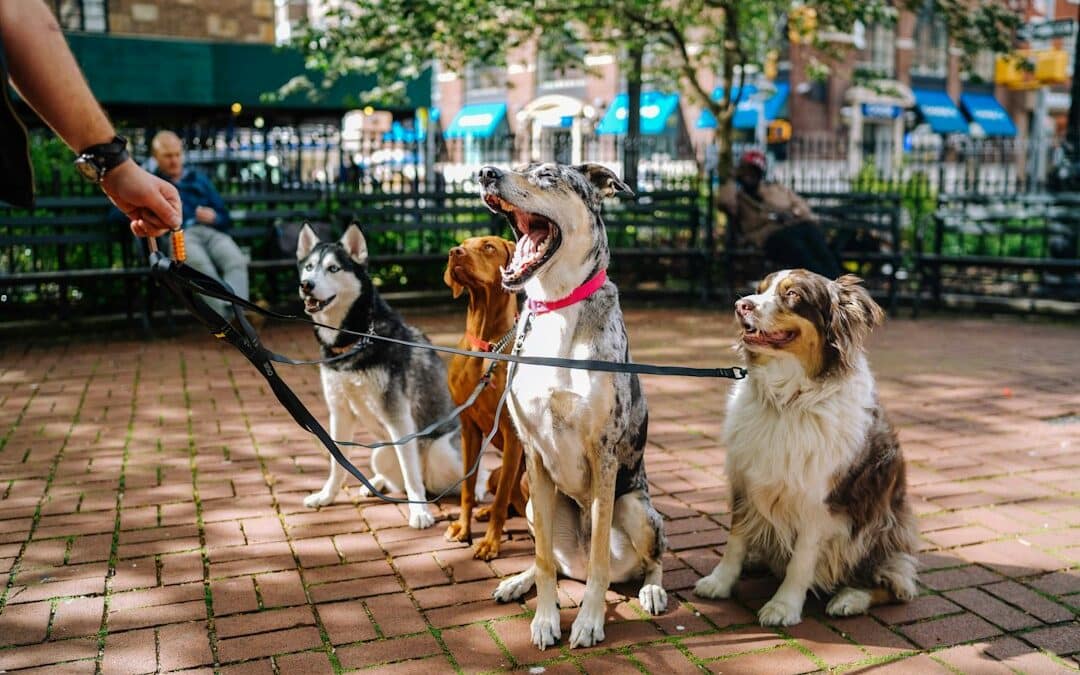
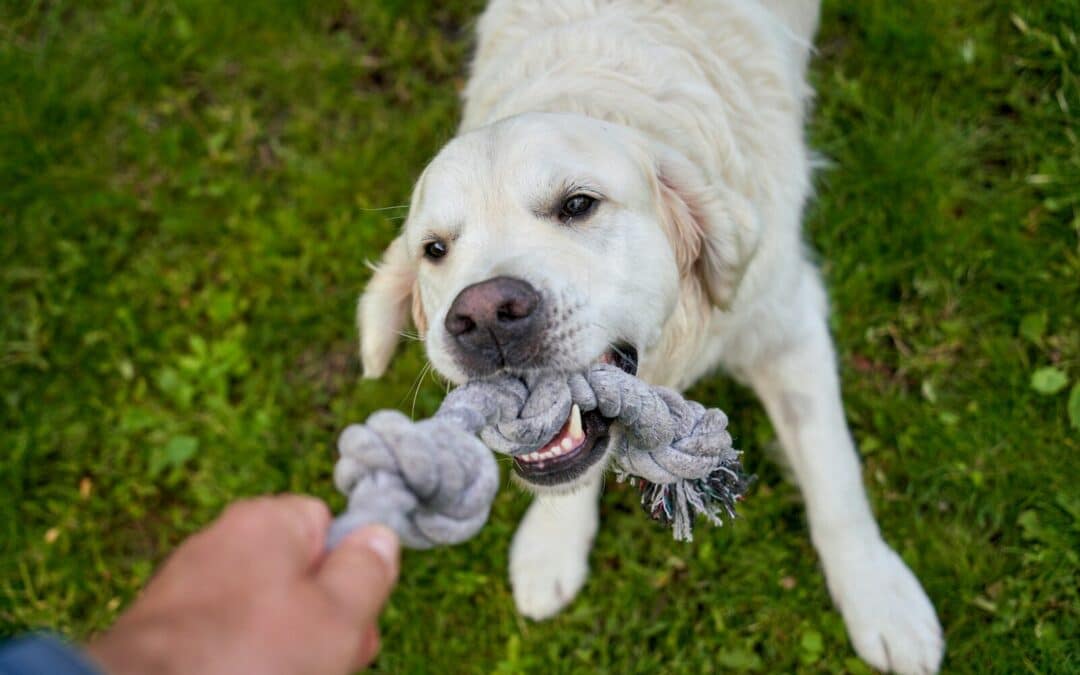
Photo by Maxim Tolchinskiy on Unsplash
Why Dog Training Matters for Washington DC Pet Parents
Life in DC can be hectic. Between work, commuting, apartment living, busy sidewalks, dog parks, neighbors, traffic, and packed schedules, dog behavior problems can feel overwhelming fast.
Maybe your dog barks at people in the hallway.
Maybe loose leash walking feels impossible.
Maybe your puppy is still working on potty training and chewing everything except the toys you bought.
Maybe your rescue dog struggles with confidence, separation anxiety, or fear around other dogs.
Maybe you’ve tried group classes before, but your dog was too distracted, too excited, or too overwhelmed to actually learn.
That’s where structured dog training makes a difference.
Good training helps your dog understand what you want. It helps you understand how dogs learn. Most importantly, it gives both you and your dog a shared language, so you’re not just repeating “no” while your dog continues living their best chaotic life.
Dog Training That Improves Everyday Life
A lot of people think dog training is just about commands.
Sit. Stay. Down. Come. Heel.
Those skills matter, but real-life dog obedience training is about much more than that. It’s about creating good behavior when guests arrive, when another dog walks by, when your puppy sees food on the floor, when your dog gets excited, or when the leash comes out.
At Ruff House, I focus on training that helps with everyday behaviors, including:
- Leash pulling
- Jumping on people
- Barking
- Chewing
- Potty training
- Impulse control
- Separation anxiety
- Reactivity around other dogs
- Fear or nervousness
- Puppy behavior
- Basic obedience
- Confidence building
- Better communication at home
The goal is not to turn your dog into a robot.
The goal is to help your dog become calmer, more confident, and easier to live with while still being the dog you love.
A well-trained dog can still be silly, playful, goofy, and full of personality. They just don’t have to take your arm with them every time they see a pigeon.
My Dog Training Program Is Built Around Both You and Your Dog
One of the biggest mistakes I see pet parents make is thinking training is only about the dog.
It’s not.
Training involves both you and your dog. Your dog needs to learn what behaviors work. You need to learn how to communicate clearly, follow through consistently, and create a structure that supports good habits.
That’s why my training program focuses on coaching owners just as much as teaching dogs.
I’ll help you understand why your dog is doing what they’re doing, what motivates them, how to reward the behaviors you want, and how to stop accidentally reinforcing the behaviors you don’t want.
Because yes, sometimes we accidentally train our dogs to be little gremlins.
If your dog barks and gets attention, they learn barking works. If your puppy bites and gets play, they learn that biting starts the fun. If your dog pulls and still gets to move forward, they learn that pulling gets them where they want to go.
No shame. We’ve all been personally victimized by a determined dog.
The good news is that once you understand how dogs learn, you can start building better habits.
Positive Reinforcement, Structure, and Clear Communication
I believe in using positive reinforcement as part of a clear, structured training plan. Dogs learn well when we reward the behaviors we want to see more often.
That reward might be food, toys, praise, play, movement, attention, or access to something your dog enjoys. Different dog breeds, ages, and personalities respond to different motivators, so we use what actually works for your dog.
Positive reinforcement training is not about bribing your dog forever.
It’s about teaching your dog what behavior pays off.
When we pair rewards with consistency, timing, boundaries, and follow-through, dogs learn faster and with more confidence. They start to understand what earns them success, and owners start to feel more in control.
The goal is to strengthen communication between you and your dog, not create a battle of wills every time you ask for a simple behavior.
Puppy Training for Young Puppies in Washington DC
Young puppies are adorable.
They are also tiny land sharks with no job, no rent, and unlimited opinions.
If you’re raising a puppy in Washington DC, early puppy training can make a huge difference. Puppies are learning every day, whether you are intentionally teaching them or not. The question is whether they’re learning habits you actually want.
Puppy training can help with:
- Potty training
- Crate routines
- Puppy biting
- Chewing
- Jumping
- Socialization
- Basic obedience
- Handling
- Confidence building
- Leash introduction
- Calm behavior around other puppies, people, and new environments
A structured puppy training plan helps your pup learn how to live in your home, communicate with humans, and move through the world with more confidence.
It also helps you avoid the classic puppy-owner spiral where you say, “He’ll grow out of it,” and then suddenly you have a 70-pound adult dog still jumping on guests like it’s a competitive sport.
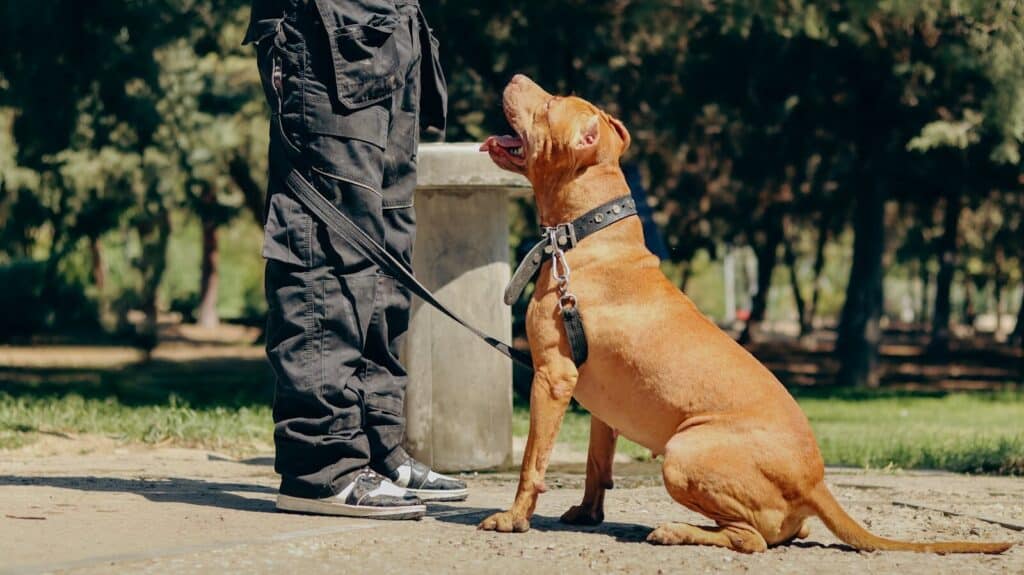
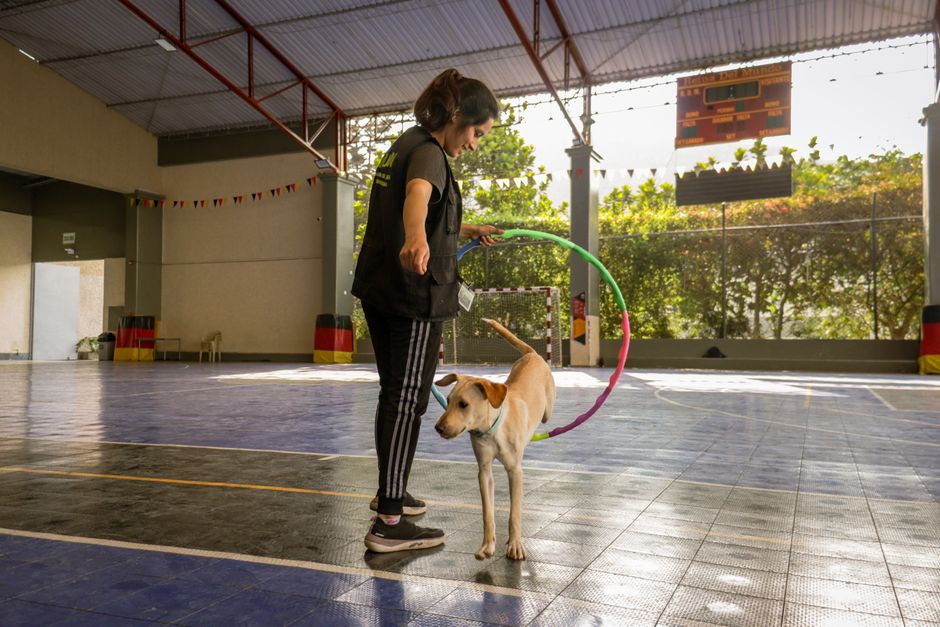
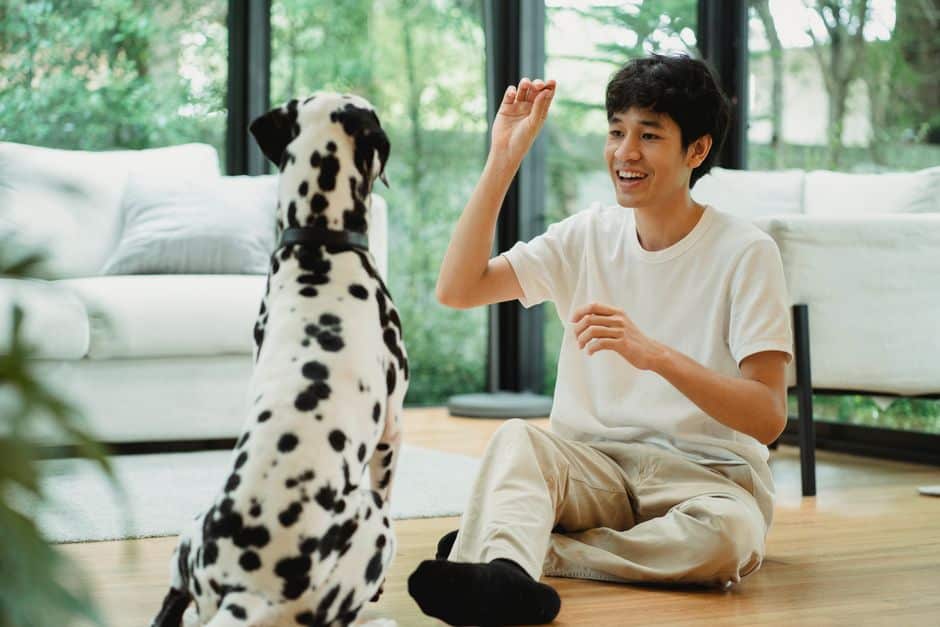
Photo by Mehdi Gholipour on Pexels
Dog Obedience Training for Adult Basics and Better Behavior
Adult dogs need training, too.
Whether you adopted an adult dog, missed the puppy training stage, or have a dog who understands commands but only follows them when the moon is in the right phase, obedience training can help.
My adult basics training focuses on practical skills like:
- Sit
- Down
- Stay
- Come
- Place
- Leave it
- Loose leash walking
- Focus
- Calm greetings
- Impulse control
- Better listening around distractions
But again, it’s not just about the commands. It’s about helping your dog learn how to behave in daily life.
A dog who can sit in your kitchen but loses their mind outside still needs help generalizing that skill. Dogs learn through practice, repetition, and clear expectations across different environments.
That means we don’t just teach the skill once and call it done.
We build it. We practice it. We make it useful.
Loose Leash Walking in the District
Walking your dog in DC should not feel like a full-body strength workout.
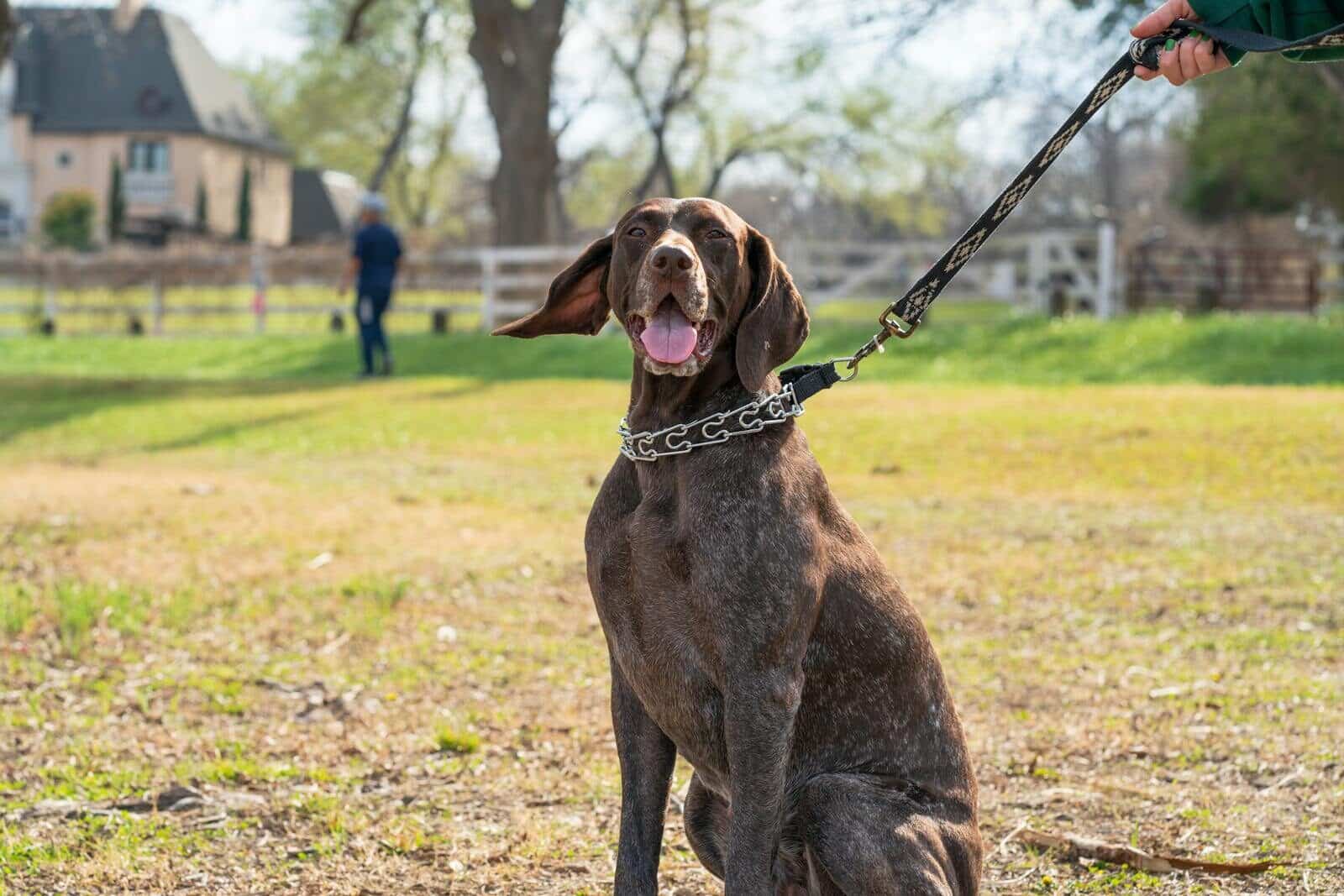
If your dog pulls, lunges, zigzags, barks at other dogs, or treats the leash like a suggestion, you are not alone. Leash issues are one of the most common problems I help owners fix.
Loose leash walking takes practice because walking calmly is not natural for every dog. The outside world is exciting. There are smells, people, dogs, bikes, cars, food wrappers, and suspicious-looking leaves.
Your dog is not trying to ruin your day.
They just need to learn how to move with you instead of dragging you behind them like an unpaid intern.
Through leash training, I help dogs build focus, impulse control, body awareness, and better walking habits. I also teach owners how to handle the leash clearly, reward the right behavior, and stop reinforcing pulling.
The goal is simple: more enjoyable walks, less frustration, and fewer moments where you question your life choices on the sidewalk.
Group Classes, Private Sessions, and Personalized Attention
Some dogs do well in group classes. Others need private sessions before they can succeed around distractions.
There is no one-size-fits-all answer.
Group classes can be useful for socialization, basic obedience, and practicing around other dogs when your dog is ready for that environment. But if your dog is reactive, fearful, aggressive, overstimulated, or struggling with specific behaviors at home, private training may be a better place to start.
Private sessions allow me to give your dog and your family personalized attention. We can focus on your exact concerns, your environment, your schedule, your dog’s learning style, and your training goals.
That’s especially important for dogs dealing with:
- Separation anxiety
- Reactivity
- Aggression
- Fear
- Leash pulling
- Household chaos
- Puppy biting
- Jumping
- Chewing
- Rescue dog adjustment
- Overexcitement around other dogs
The right training format depends on your dog, your goals, and what kind of support will help you succeed.
Helping Dogs Build Confidence and Impulse Control
A lot of behavior problems come from a lack of confidence, a lack of impulse control, or both.
A nervous dog may bark, hide, growl, freeze, or react because they don’t feel safe.
An impulsive dog may jump, pull, steal food, rush the door, or ignore commands because they haven’t learned how to slow down and think.
Training helps dogs build confidence by teaching them what to do, how to respond, and how to trust their owner’s guidance. It also builds impulse control by helping dogs practice patience, focus, and better decision-making.
Confidence building is especially important for rescue dogs, sensitive dogs, young puppies, and dogs who have had inconsistent structure in the past.
When dogs feel clearer and more secure, they often behave better.
Not because they were “bad” before.
Because now they know what to do.
Training for Separation Anxiety, Fear, and Reactivity
Some dogs need more than basic obedience.
If your dog struggles with separation anxiety, fear, barking, lunging, growling, or reactivity around other dogs, people, or busy environments, training needs to be thoughtful and realistic.
These behaviors can be stressful and, honestly, a little embarrassing when they happen in public. But they are also common.
My job is not to judge you or your dog. My job is to help you understand what’s happening and create a plan that moves everyone forward safely.
For some dogs, that means building confidence slowly. For others, it means creating more structure at home. Some dogs need better leash handling, controlled exposure, management tools, obedience skills, or changes to their daily routine.
The key is understanding the behavior before trying to fix it.
Because yelling “stop” at an anxious or reactive dog usually works about as well as telling a toddler to “be cool” in a candy store.
We need a real plan.
Why Choose Ruff House as Your Dog Trainer in Washington DC?
Ruff House Dog Training is a veteran-owned small business serving Washington, DC, Maryland, and Virginia.
I’m not a franchise. I’m not here to give you a generic training packet, a few vague tips, and a cheerful “good luck” while your dog continues redecorating your house with couch stuffing.
I offer practical training, honest coaching, and real-world support for dog owners who want lasting results.
With over 400 happy clients across the DMV, I’ve worked with all kinds of dogs, including puppies, adult dogs, rescue dogs, reactive dogs, confident dogs, nervous dogs, stubborn dogs, and dogs who are very sure they should be in charge.
My approach is structured, approachable, and a little comedic because dog training should be taken seriously, but it should not make you miserable.
You should leave your first session with more clarity, more confidence, and tools you can actually use.
The First Session: What to Expect
During the first session, I want to understand your dog, your home, your challenges, and your goals.
We’ll talk about what’s happening, what you’ve already tried, what your dog responds to, and what daily life looks like. Then we’ll start building a plan that fits your situation.
Depending on your dog’s needs, we may work on leash skills, obedience, puppy behavior, potty training, jumping, chewing, socialization, focus, confidence, or behavior concerns.
You’ll receive coaching, demonstrations, practical tools, and recommendations you can start using right away.
This is not about making you feel bad for what has or hasn’t worked.
This is about helping you move forward.
Flexible Dog Training Services and Packages
Different dogs need different programs.
Some owners need one focused session to get clear direction. Others need a structured course over several weeks. Some dogs need custom coaching because their behavior challenges are more complex.
Ruff House offers flexible training services and packages designed to support your goals, including the 90-Minute Miracle, six-week obedience programs, and custom training options.
Whether you’re dealing with puppy chaos, leash pulling, barking, separation anxiety, jumping, chewing, or general household stress, we can create a plan that fits your dog and your life.
Because the best training program is the one you can actually follow.
Helpful Dog Owner Resources for the DMV
Finding the right support as a dog owner can make training, socialization, safety, and daily routines feel much more manageable. These resources are helpful for pet owners in Washington DC, Maryland, and Northern Virginia who want to learn more about dog behavior, puppy training, pet licensing, dog park safety, and emergency care.
- Ruff House Dog Training | A veteran-owned dog training company serving families in and around Washington DC, Maryland, and Virginia with practical, real-world dog training support.
- Ruff House Dog Training Blog | A helpful place for DMV dog owners to learn more about obedience, reactivity, puppy training, behavior, and building a calmer life with their dog.
- AKC Dog Training Resources | A broad training resource from the American Kennel Club covering obedience, puppy training, manners, behavior, and common dog training questions.
- AKC Puppy Training Tips | A useful guide for new puppy owners learning about potty training, crate training, socialization, chewing, mouthing, and early behavior skills.
- AKC Canine Good Citizen Training Resources | A helpful framework for teaching dogs polite public behavior, basic manners, and skills that support safer community interactions.
- AVSAB Humane Dog Training Position Statement | A science-based resource from the American Veterinary Society of Animal Behavior about humane, reward-based training and behavior modification.
- ASPCA Common Dog Behavior Issues | A helpful resource for understanding common dog behavior problems, including barking, chewing, separation anxiety, fear, and aggression.
- Fear Free Happy Homes | A pet owner education site focused on reducing fear, anxiety, and stress in pets through behavior-aware care and handling.
- Fear Free Behavior Problem Solving | A useful collection of behavior resources for issues like jumping, chewing, noise fear, leash pulling, and reactivity.
- AVMA Dog Bite Prevention | A practical safety resource from the American Veterinary Medical Association for helping families reduce the risk of dog bites.
- American Red Cross Cat and Dog First Aid | A pet first aid resource that teaches owners how to recognize emergencies, check vital signs, and respond to common urgent situations.
- DC Health Dog Licensing | A helpful resource for Washington DC dog owners who need information about licensing requirements and vaccination documentation.
- Fairfax County Dog License Information | A useful page for Fairfax County dog owners who need to license their dogs or learn more about local requirements.
- Fairfax County Off-Leash Dog Parks | A helpful guide to off-leash dog park options in Fairfax County, including information for owners with well-socialized dogs.
- Fairfax County Dog Park Rules | A useful resource for understanding dog park expectations, including licensing, vaccination, leash use, supervision, and handler control.
- Arlington County Dog Licenses | A local resource for Arlington dog owners who need information about licensing and rabies vaccination requirements.
- Arlington County Dog Parks | A helpful page for Arlington pet owners looking for county dog parks, leash rules, and off-leash guidelines.
- Montgomery County Pet Licensing | A useful resource for Montgomery County pet owners who need information about dog and cat licensing requirements.
- Prince George’s County Pet License Information | A helpful resource for Prince George’s County residents looking for information on obtaining a pet license.
Whether you are raising a new puppy, working through leash pulling, improving recall, managing reactivity, or helping your dog behave more calmly in public, these resources can give you a stronger starting point. For personalized support, Ruff House Dog Training helps DMV families build better communication, clearer boundaries, and more reliable obedience with their dogs.
Frequently Asked Questions About Dog Training in Washington DC
Do you offer dog training in Washington DC?
Yes. Ruff House Dog Training serves dog owners throughout Washington DC, Maryland, and Virginia, including surrounding areas like Chevy Chase and other DMV communities.
What type of dog training do you provide?
I provide practical dog training focused on real-life behavior. This may include dog obedience training, puppy training, potty training, loose leash walking, impulse control, confidence building, behavior support, private sessions, and customized training programs.
Do you work with young puppies?
Yes. I help young puppies build good habits early through potty training support, basic obedience, crate routines, chewing support, bite inhibition, socialization guidance, confidence building, and communication skills.
Can you help with leash pulling?
Absolutely. Loose leash walking is a major part of training for many DC dog owners. I help dogs learn focus, leash manners, impulse control, and calmer walking habits.
Are group classes or private sessions better?
It depends on your dog. Group classes may work well for dogs who can focus around other dogs and distractions. Private sessions are often better for dogs with reactivity, fear, aggression, anxiety, puppy challenges, or specific behavior problems at home.
Do you use positive reinforcement?
Yes. I use positive reinforcement as part of a practical, structured training plan. Rewards like food, toys, praise, and play can help dogs learn, but training also requires consistency, timing, communication, and owner follow-through.
Can you help with separation anxiety?
Yes. Separation anxiety requires a thoughtful plan that supports your dog’s confidence and helps reduce stress. I can help you understand the behavior and create a realistic path forward.
What makes Ruff House Dog Training different?
Ruff House is veteran-owned, local, and focused on real-world results. I offer practical coaching, customized training, unlimited post-session support, and a direct but approachable style that helps both dogs and humans succeed.

RuffHDT Official Logo
Ready for Dog Training in Washington DC?
If you’re tired of barking, pulling, jumping, chewing, potty training stress, leash battles, or feeling like your dog is running the household, it’s time to get support.
You don’t need a perfect dog to start training.
You don’t need to know exactly what your dog needs yet.
You don’t need to feel embarrassed.
You just need to be ready to build better habits and strengthen communication with your dog.
At Ruff House Dog Training, I help pet parents in Washington DC create real-life obedience, better behavior, and calmer homes through practical, personalized dog training.
End the Barking, Chewing, and Chaos.
Because your dog won’t train himself.
And if he could, he probably would have trained you to deliver snacks on command first.