If you’re looking for a dog trainer in Bethesda, Maryland, there’s a good chance your dog is not exactly making life peaceful right now.
Maybe your dog pulls on the leash like they’re training for a sled team.
Maybe your puppy thinks your hands, shoes, furniture, and favorite hoodie are all part of the same chew toy subscription.
Maybe your dog jumps on guests, barks at other dogs, ignores commands, struggles with anxiety, or acts like “come” is less of a command and more of an interesting suggestion.
I get it.
At Ruff House Dog Training, I help dog owners in Bethesda, MD, and throughout the DMV create more structure, better communication, and calmer homes. I’m a veteran-owned small business, not a franchise, and I believe dog training should actually work in your real life.
Not just in a class.
Not just when treats are visible.
Not just when your dog feels like cooperating.
Real training should help both you and your dog understand what to do, how to follow through, and how to build progress that lasts.
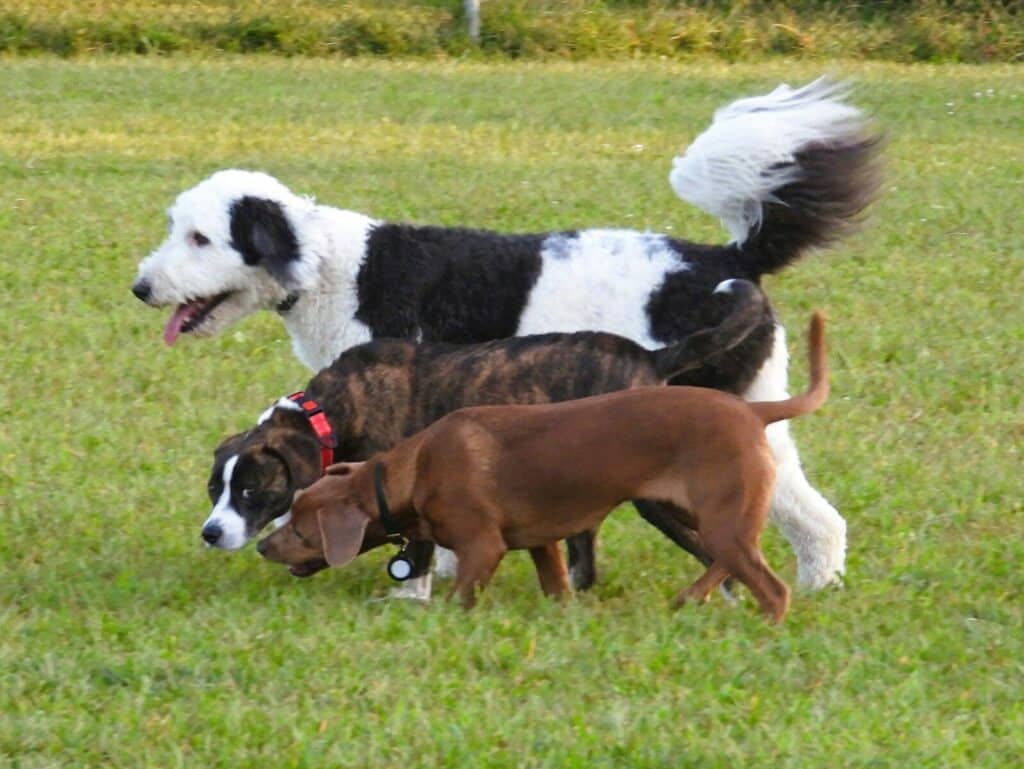
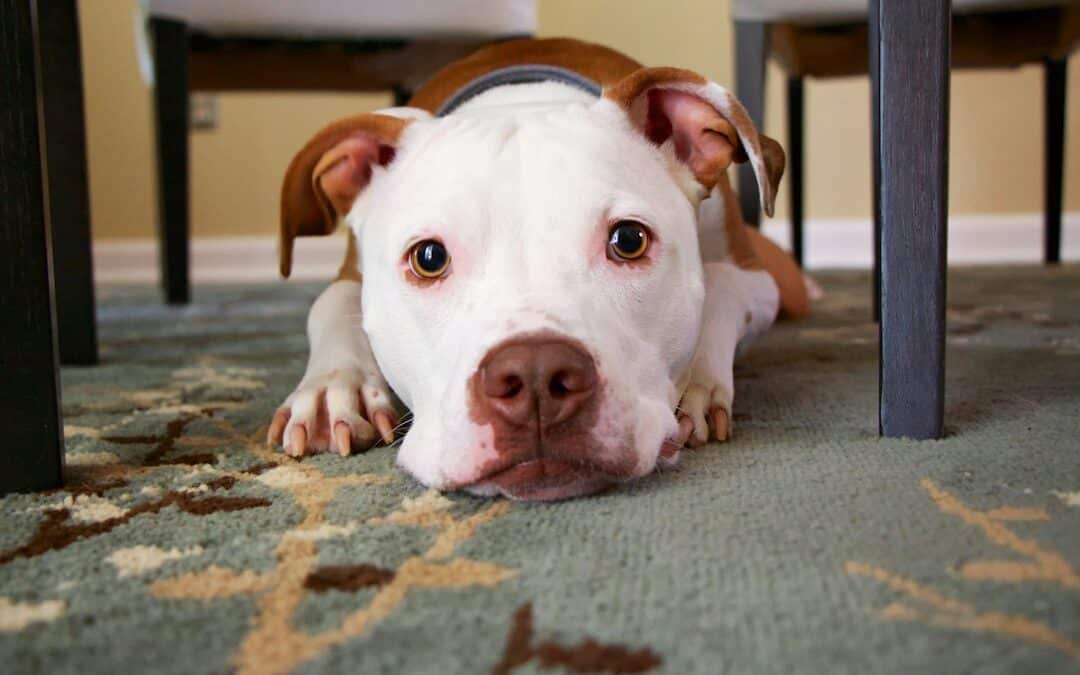
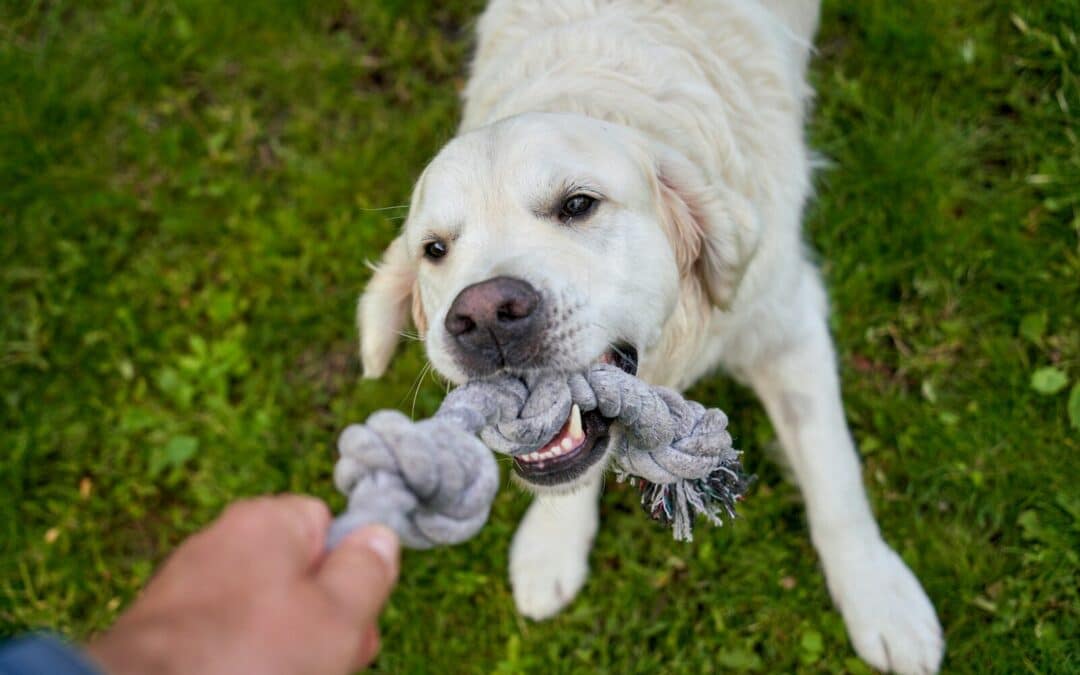
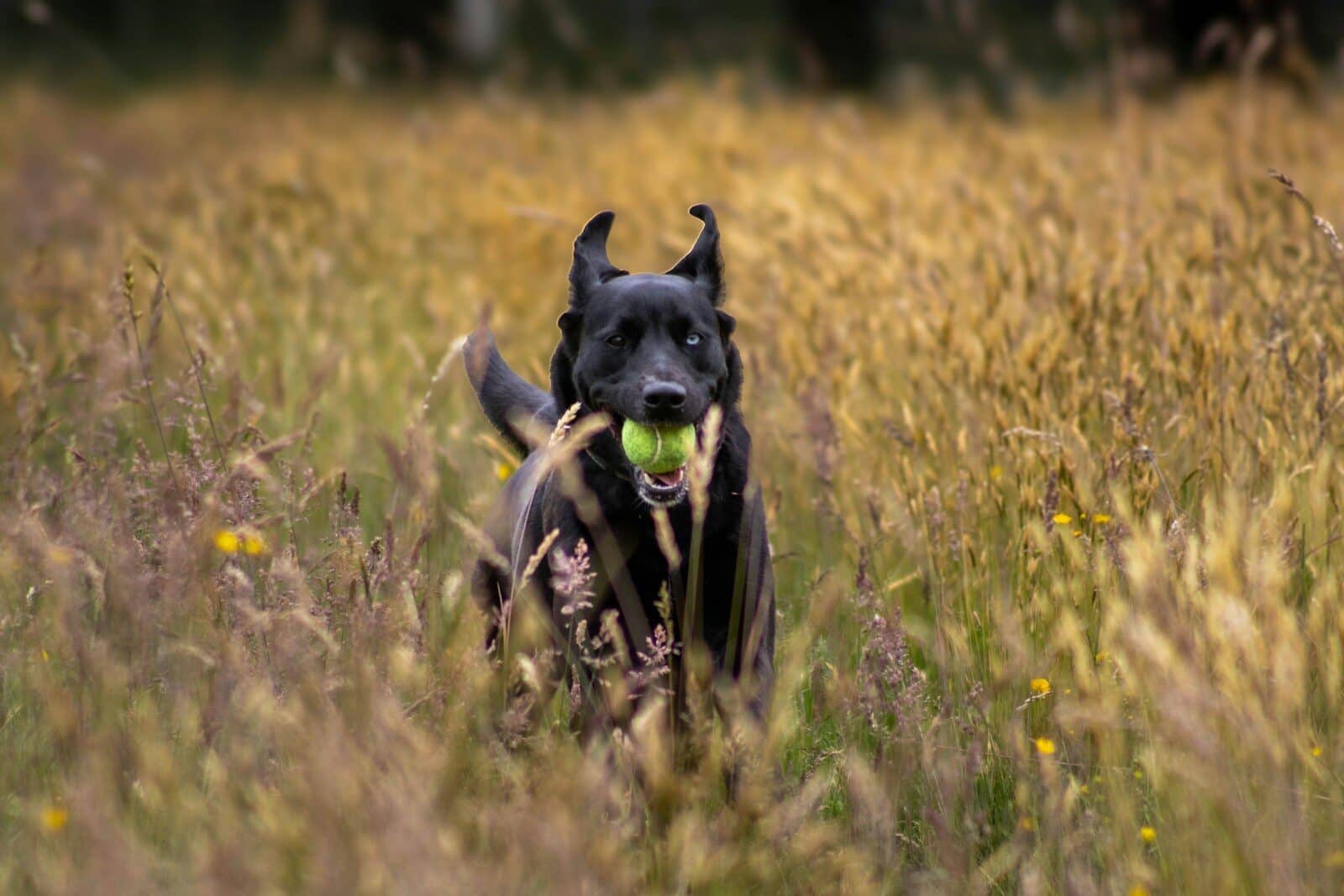
Photo by Vito Natale on Unsplash
Why Structure Matters in Dog Training
Dogs need structure.
That does not mean harshness. It does not mean intimidation. It does not mean turning your dog into a furry little soldier who files taxes and walks in a straight line.
Structure means your dog understands what is expected.
It means your dog has clear routines, consistent rules, and guidance from humans who know how to communicate. Without structure, many dogs become confused, anxious, impulsive, or pushy.
That is when dog owners start seeing frustrating behavior like:
- Jumping on guests
- Barking at every sound
- Pulling on the leash
- Ignoring commands
- Chewing household items
- Reactivity around other dogs
- Anxiety when left alone
- Poor manners at home
- Aggression or fear-based behavior
- Trouble settling down
A good dog trainer helps you create structure in a way your dog can understand. The goal is not to control every tiny thing your dog does. The goal is to help your dog feel more secure, focused, and successful.
Because a dog with no structure will usually create their own system.
And their system often involves barking, stealing socks, and making suspicious choices near the trash can.
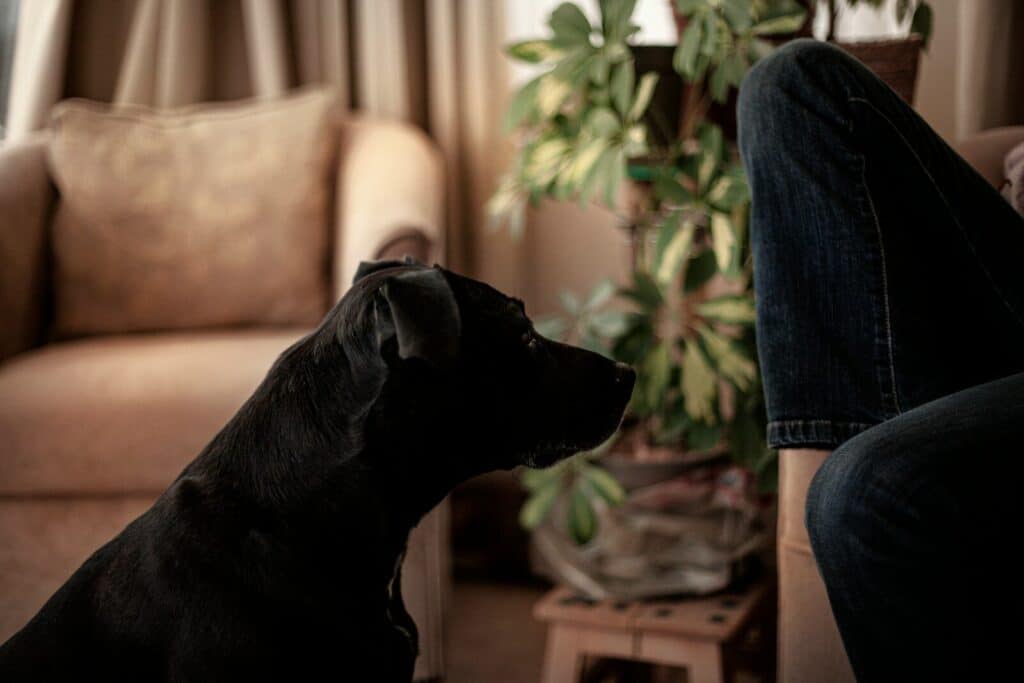
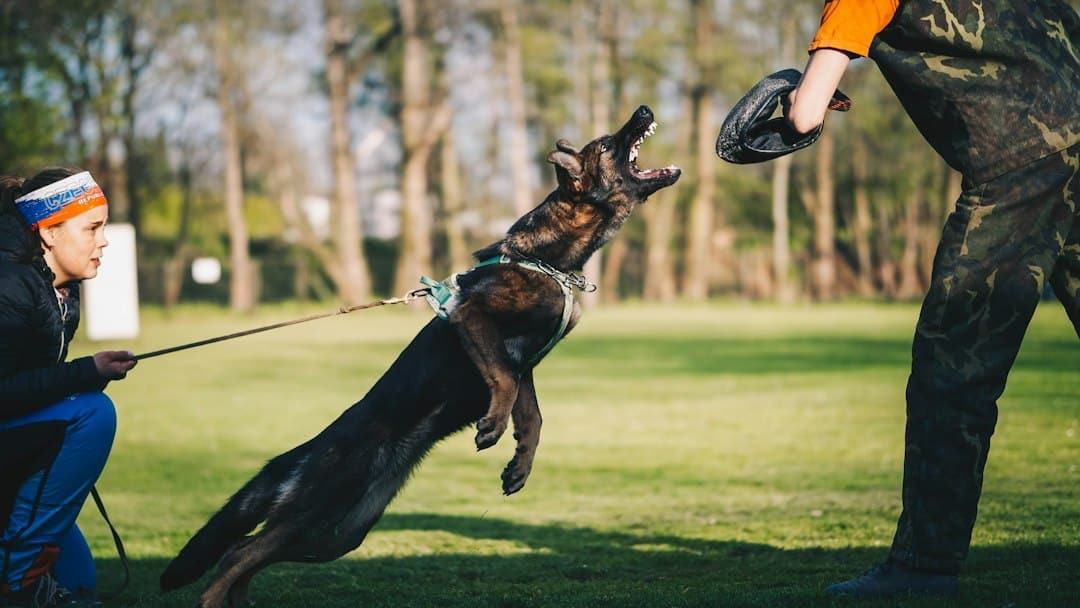
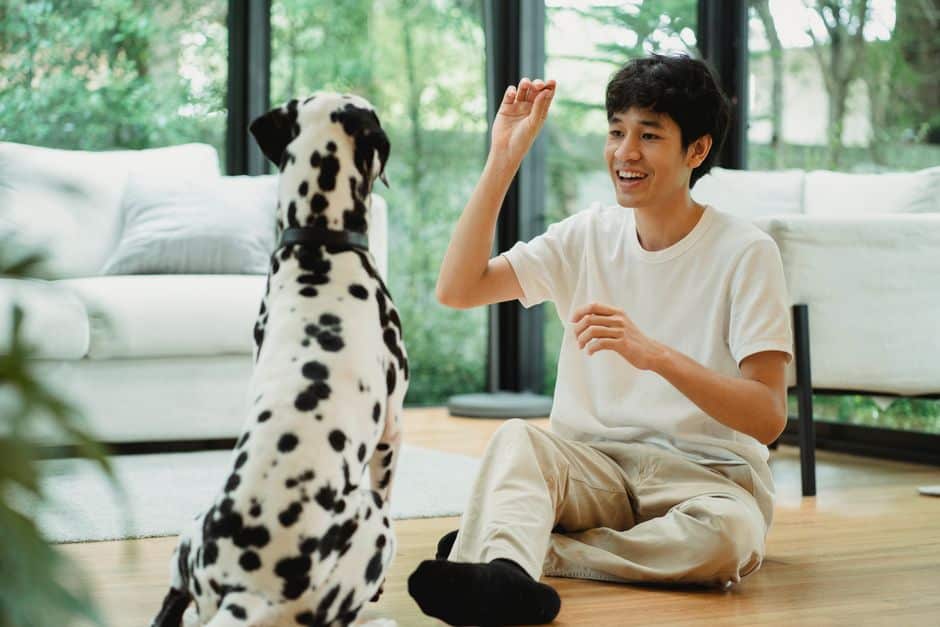
Photo by Jonathan Cosens Photography on Unsplash
Dog Training That Works in Your Own Home
One of the biggest problems with generic dog training advice is that it does not always fit real life.
Your dog may do well in a quiet room, then completely forget everything when someone knocks on the door. Your puppy may sit nicely for treats, then launch into chaos mode when the kids come home. Your dog may walk beautifully for five minutes, then turn into a four-legged tow truck the second they see other dogs.
That is why I focus on training that works in your own home, your neighborhood, and your daily routine.
Your dog’s behavior is affected by the environment. The house, the humans, the schedule, the leash, the family, other pets, visitors, car rides, walks, toys, food, and daily habits all play a role.
When I work with dog owners, I look at the whole picture.
What is your dog doing?
When is it happening?
What have you already tried?
What does your dog understand?
Where is the follow-through breaking down?
What kind of structure would make life easier for both you and your dog?
That is where real progress starts.
Training Methods Built Around Communication and Consistency
There are a lot of training methods out there, and dog owners can easily feel overwhelmed trying to figure out what is right.
Some people talk about positive reinforcement techniques. Some talk about force-free training. Some focus on obedience. Some focus on behavior modification. Some make big promises that sound great until you realize they are not realistic.
My approach is practical, honest, and tailored to the dog in front of me.
I use proven techniques that help dogs learn while giving owners clear guidance they can actually follow. Positive reinforcement techniques can be very helpful because dogs learn well when good behavior is rewarded. Food, toys, praise, play, and access to things your dog enjoys can all help motivate learning.
But training also needs consistency.
If your dog jumps and gets attention sometimes, jumping still works. If your dog pulls and still gets to move forward, pulling still works. If your dog barks and the whole room reacts, barking just became a very effective communication strategy.
Training is about teaching your dog what works instead.
We reward better choices. We create clearer expectations. We practice the right behaviors. We help your dog understand how to succeed.
No confusion. No gimmicks. No pretending your dog should magically know human rules.
Puppy Training for Better Habits From the Start
Puppies are cute, fun, and completely committed to making you question your life choices at least once a day.
If you have a puppy in Bethesda, early puppy training can help you prevent a lot of future frustration. Puppies are learning constantly, even when you are not intentionally teaching them.
They are learning what gets attention.
They are learning what they can chew.
They are learning how to interact with humans, other animals, other dogs, and the world around them.
They are also learning whether the rules are consistent or whether the household is basically a tiny democracy run by sharp baby teeth.
Puppy training can help with:
- Potty training
- Crate routines
- Puppy biting
- Chewing
- Jumping
- Leash introduction
- Basic commands
- Manners
- Confidence
- Socialization guidance
- Calm behavior around family, visitors, and other pets
A strong training plan helps your pup build good habits early. It also helps you understand how to guide your puppy through different stages, ages, and behaviors without losing your mind.
Mostly.
No trainer can fully protect you from puppy nonsense. But I can absolutely help you manage it.
Helping Adult Dogs Improve Focus and Manners
If your dog is no longer a puppy, you have not missed your chance.
Adult dogs can learn. Older dogs can learn. Rescue dogs can learn. Dogs with long-standing habits can improve.
The key is patience, consistency, and the right plan.
I work with dog owners who need help with obedience, leash manners, jumping, barking, aggression, anxiety, household structure, and better follow-through at home.
Sometimes the dog already knows commands like sit, stay, or come, but only listens when nothing interesting is happening. That is common.
A command your dog understands in the kitchen may not automatically work on a busy walk, around other dogs, near visitors, or when your dog is excited.
Dogs need practice in different environments. They need clear communication. They need repetition. They need owners who understand how to reinforce good behavior and calmly interrupt unwanted behavior.
That is how we create better manners that carry over into daily life.
Working Around Other Dogs
A lot of owners reach out because their dog struggles around other dogs.
Some dogs bark. Some lunge. Some freeze. Some growl. Some pull toward every dog they see. Some are friendly but completely out of control. Others are fearful, reactive, or unsure.
Whatever the behavior looks like, it can make walks stressful.
And if you live in Bethesda or nearby areas, avoiding other dogs completely is not always realistic. You may see dogs on sidewalks, in parks, near apartment buildings, at the vet, or around your neighborhood.
Training can help your dog build better focus, impulse control, confidence, and leash skills around distractions.
That does not mean every dog needs to become best friends with every dog they meet.
Honestly, most humans do not want to meet every human they pass on the street either.
The goal is safer, calmer, more manageable behavior. Your dog can learn to exist around other dogs without turning every walk into a full neighborhood production.
Support for Anxiety, Fear, and Aggression
Some dogs need more than basic obedience.
If your dog struggles with anxiety, fear, aggression, reactivity, or intense stress, I take a thoughtful and judgment-free approach.
These behaviors can be hard on owners. You may feel embarrassed, worried, frustrated, or unsure who to trust. You may have already received advice from friends, family, shelters, trainers, the vet, or the internet, and now you have 37 different opinions floating around your head.
Here is the truth: behavior challenges need a plan.
An anxious dog may need confidence-building, predictable routines, and gradual exposure.
A reactive dog may need leash skills, distance management, focus work, and calmer coping strategies.
A dog showing aggression may need a safer structure, clearer communication, and a better understanding of what is triggering the behavior.
The goal is to help your dog feel more secure while helping you feel more capable.
No shame. No panic. No false guarantees.
Just practical support and honest guidance.
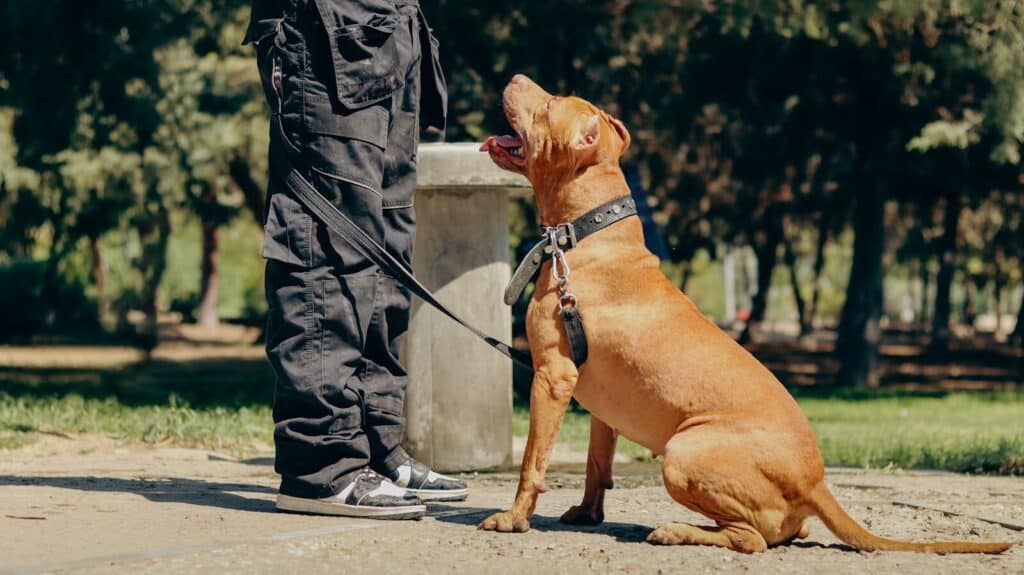
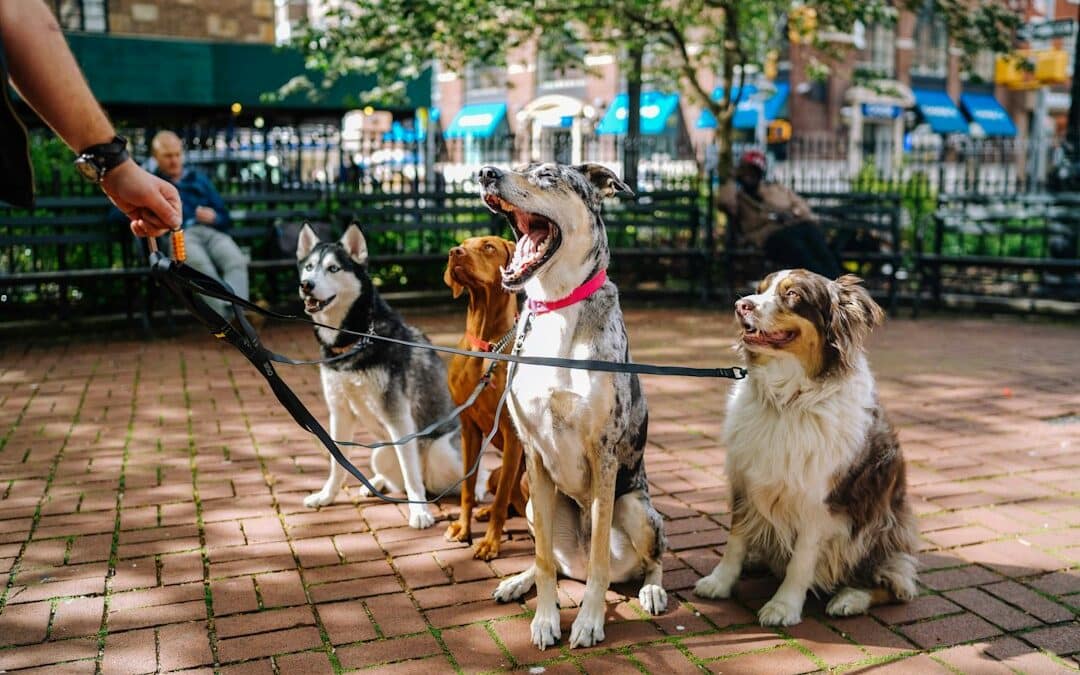
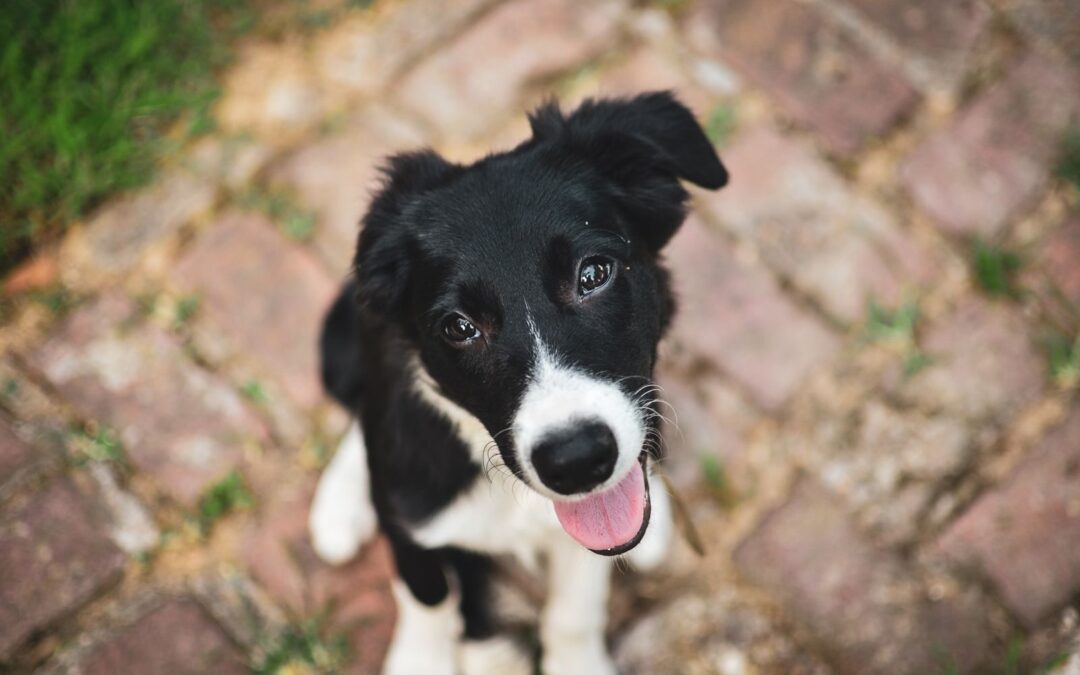
Photo by Mehdi Gholipour on Pexels
Why Dog Owners Need Training Too
Dog training is not just about the dog.
I know. Rude, but true.
A big part of my work is helping dog owners understand how to communicate more clearly. Your dog needs to learn, but so do the humans in the house.
That includes learning how to:
- Reward good behavior at the right time
- Set clear expectations
- Use the leash properly
- Follow through consistently
- Avoid accidentally reinforcing bad habits
- Build confidence
- Practice commands in real-life situations
- Understand your dog’s body language
- Create routines that support better behavior
Training works best when both you and your dog are involved.
If I teach your dog during a session, but you do not know how to keep practicing after I leave, progress will be limited. My goal is to make sure you understand the “why” behind the training, not just the “what.”
Because when you understand how your dog learns, everything starts to click.
A Dog Trainer Who Understands Real-Life Follow-Through
A lot of dog owners are not struggling because they do not care.
They are struggling because they are busy, overwhelmed, inconsistent, or unsure what to do next.
That is normal.
You may have a family, a baby, other pets, a demanding job, a packed schedule, or a dog with behavior that feels bigger than what you expected. You may have tried tips from online videos or advice from friends and still feel stuck.
That is where working with a professional dog trainer can help.
I give you a plan, but I also help you understand how to use that plan in real life. Training has to fit your home, your schedule, your dog’s ability, and your goals.
I am not here to make you feel bad.
I am here to help you move forward.
That means practical steps, clear techniques, patient coaching, and support that continues after the session.
Flexible Dog Training Services in Bethesda, MD
Ruff House Dog Training offers flexible services for dog owners who need real solutions.
Some dogs need a focused session to address a specific issue. Some need a structured obedience program over several weeks. Others need a custom plan because their behavior challenges are more complex.
My training options include the 90-Minute Miracle, six-week obedience programs, and custom training support for dogs and owners who need a tailored approach.
Whether you are dealing with puppy training, leash issues, aggression, anxiety, basic manners, commands, jumping, or household chaos, I can help you find a plan that fits.
The best training plan is not the fanciest one.
It is the one that works for your dog, your home, and your life.
Why Bethesda Dog Owners Choose Ruff House Dog Training
Ruff House Dog Training is a veteran-owned small business serving Bethesda, MD, Washington DC, Maryland, and Virginia.
I am not a franchise. I am not here to give you a generic worksheet and disappear.
I bring structure, humor, honesty, and hands-on guidance to help dog owners create calmer homes and better relationships with their dogs.
With over 400 happy clients across the DMV, I have worked with puppies, adult dogs, rescue dogs, anxious dogs, reactive dogs, high-energy dogs, stubborn dogs, and dogs who are absolutely convinced they should be in charge of the house.
I also offer unlimited post-session support because training does not end when the appointment ends.
Real life keeps happening. Your dog will keep testing the system. You may have questions. That follow-up support matters, especially when you are trying to build lasting progress.
Dog Training & Pet Care Resources for DMV Families
Dogs are part of the family, but even the best dogs need structure, guidance, and consistency. These pet owner resources can help families in Washington DC, Maryland, and Northern Virginia learn more about training, behavior, safety, licensing, dog parks, and emergency pet care.
- Ruff House Dog Training | A veteran-owned dog training company serving families in and around Washington DC, Maryland, and Virginia with practical, real-world dog training support.
- Ruff House Dog Training Blog | A helpful place for DMV dog owners to learn more about obedience, reactivity, puppy training, behavior, and building a calmer life with their dog.
- AKC Dog Training Resources | A broad training resource from the American Kennel Club covering obedience, puppy training, manners, behavior, and common dog training questions.
- AKC Puppy Training Tips | A useful guide for new puppy owners learning about potty training, crate training, socialization, chewing, mouthing, and early behavior skills.
- AKC Canine Good Citizen Training Resources | A helpful framework for teaching dogs polite public behavior, basic manners, and skills that support safer community interactions.
- AVSAB Humane Dog Training Position Statement | A science-based resource from the American Veterinary Society of Animal Behavior about humane, reward-based training and behavior modification.
- ASPCA Common Dog Behavior Issues | A helpful resource for understanding common dog behavior problems, including barking, chewing, separation anxiety, fear, and aggression.
- Fear Free Happy Homes | A pet owner education site focused on reducing fear, anxiety, and stress in pets through behavior-aware care and handling.
- Fear Free Behavior Problem Solving | A useful collection of behavior resources for issues like jumping, chewing, noise fear, leash pulling, and reactivity.
- AVMA Dog Bite Prevention | A practical safety resource from the American Veterinary Medical Association for helping families reduce the risk of dog bites.
- American Red Cross Cat and Dog First Aid | A pet first aid resource that teaches owners how to recognize emergencies, check vital signs, and respond to common urgent situations.
- DC Health Dog Licensing | A helpful resource for Washington DC dog owners who need information about licensing requirements and vaccination documentation.
- Fairfax County Dog License Information | A useful page for Fairfax County dog owners who need to license their dogs or learn more about local requirements.
- Fairfax County Off-Leash Dog Parks | A helpful guide to off-leash dog park options in Fairfax County, including information for owners with well-socialized dogs.
- Fairfax County Dog Park Rules | A useful resource for understanding dog park expectations, including licensing, vaccination, leash use, supervision, and handler control.
- Arlington County Dog Licenses | A local resource for Arlington dog owners who need information about licensing and rabies vaccination requirements.
- Arlington County Dog Parks | A helpful page for Arlington pet owners looking for county dog parks, leash rules, and off-leash guidelines.
- Montgomery County Pet Licensing | A useful resource for Montgomery County pet owners who need information about dog and cat licensing requirements.
- Prince George’s County Pet License Information | A helpful resource for Prince George’s County residents looking for information on obtaining a pet license.
Whether your dog needs help with leash manners, impulse control, recall, house training, social confidence, or calmer behavior around distractions, these resources can help you better understand what your dog may need. Ruff House Dog Training works with DMV families to create realistic training plans that support better behavior at home and out in the world.
Frequently Asked Questions About Dog Training in Bethesda, MD
Do you offer dog training in Bethesda, Maryland?
Yes. Ruff House Dog Training serves dog owners in Bethesda, MD, and throughout Washington, DC, Maryland, and Virginia.
How do I know if I need a dog trainer?
If your dog’s behavior is causing stress at home, on walks, around other dogs, or around family members, training can help. Common concerns include leash pulling, jumping, barking, chewing, aggression, anxiety, poor manners, and lack of follow-through with commands.
What training methods do you use?
I use practical, proven training methods that focus on communication, consistency, structure, and motivation. Positive reinforcement techniques can be part of the plan, along with clear expectations and owner follow-through.
Do you work with puppies?
Yes. I help with puppy training for potty training, biting, chewing, leash introduction, crate routines, manners, confidence, and basic commands.
Can you help my dog behave better around other dogs?
Yes. I work with dogs who bark, pull, lunge, freeze, or become overstimulated around other dogs. Training can help improve focus, impulse control, leash handling, confidence, and calmer behavior.
Can you help with aggression or anxiety?
Yes. I work with dogs dealing with aggression, anxiety, fear, reactivity, and other behavior concerns. These issues require a thoughtful, structured plan and a judgment-free approach.
Is training done in my own home?
Training options depend on your dog’s needs and the program you choose, but I focus on practical training that carries over into your own home and daily life.
What makes Ruff House Dog Training different?
Ruff House is veteran-owned, local, and focused on real-life results. I offer customized training, honest guidance, practical support, humor, and unlimited post-session support to help both dogs and owners succeed.
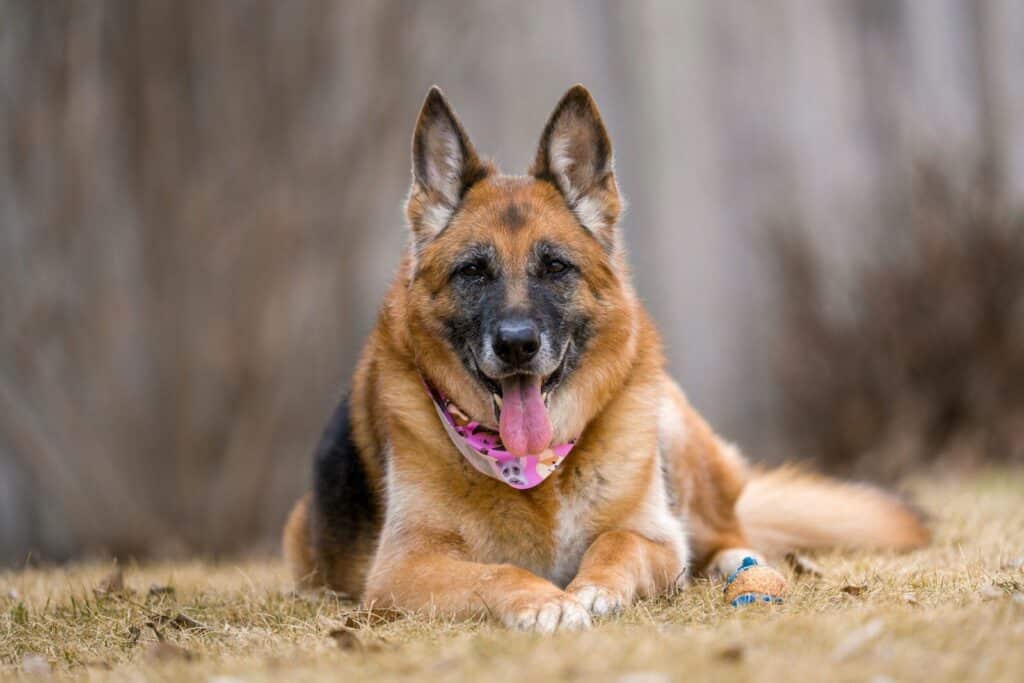
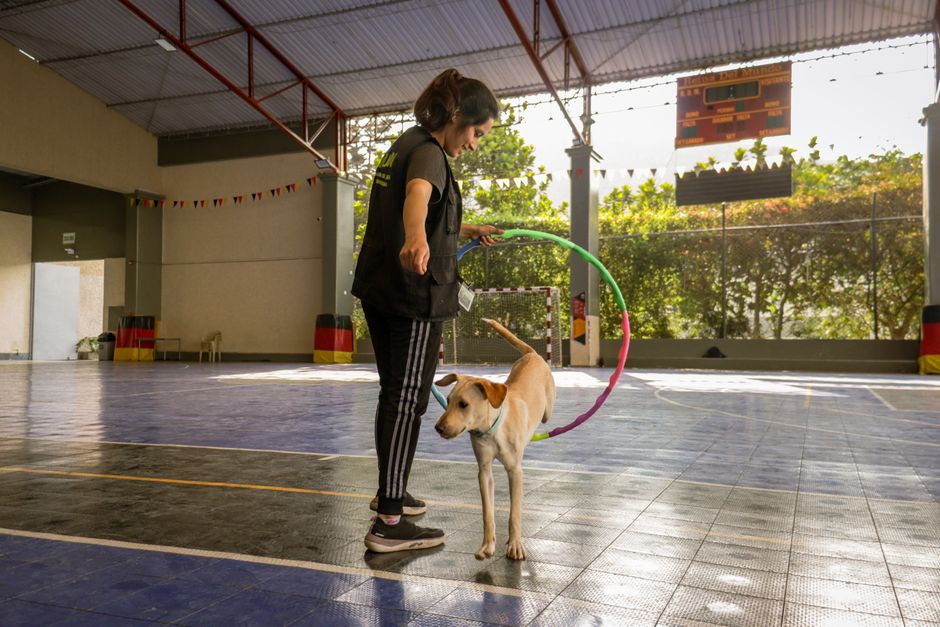
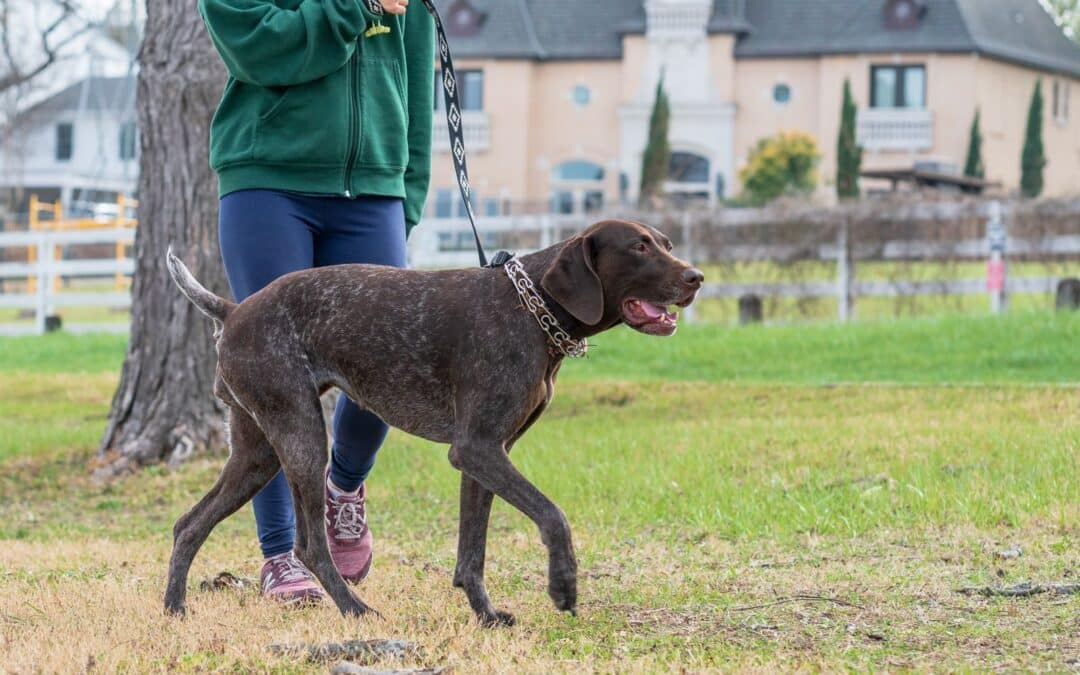
Photo by Dustin Bowdige on Unsplash
Ready to Work With a Dog Trainer in Bethesda, Maryland?
If you are looking for a dog trainer in Bethesda, Maryland, who can help create structure, consistency, and clearer expectations for your dog, I would love to help.
You do not need to wait until the behavior gets worse.
You do not need to feel embarrassed.
You do not need to have the perfect dog to start training.
You just need a plan that makes sense and a trainer who understands how to help both you and your dog move forward.
At Ruff House Dog Training, I help dog owners build better obedience, stronger communication, calmer routines, and more confidence at home and out in the world.
Schedule Your 90-Minute Miracle Now.
Because your dog won’t train himself.
And if he could, he probably would have started by training you to refill the food bowl on command.