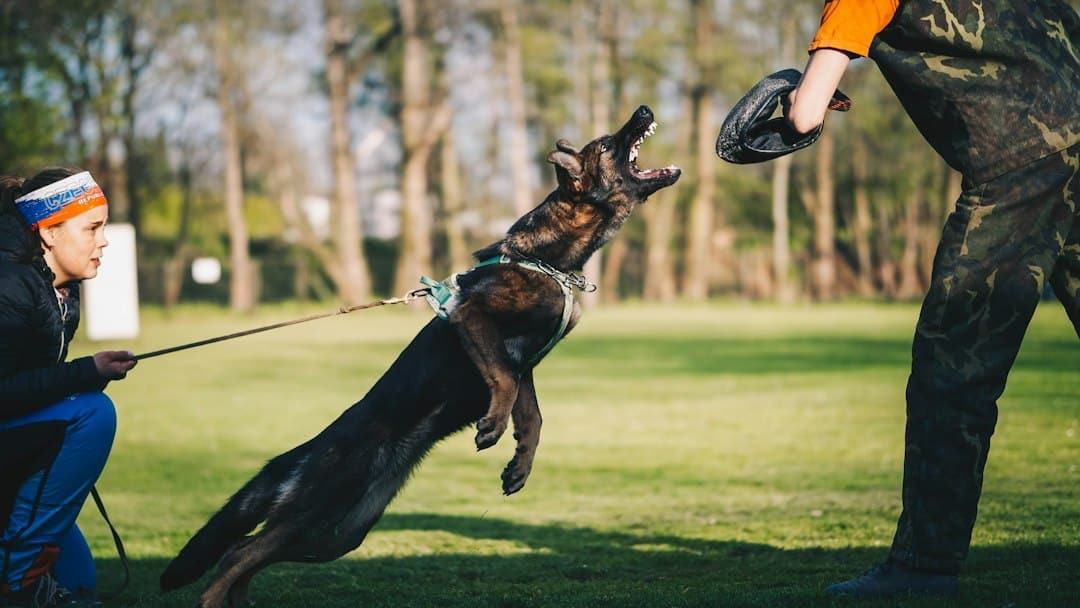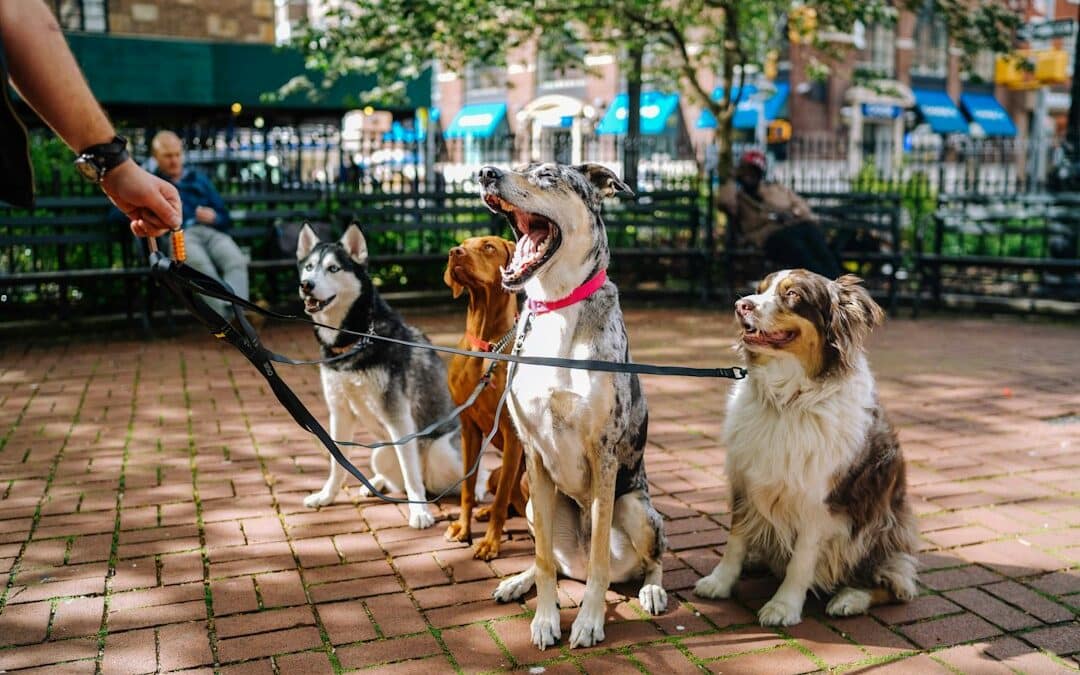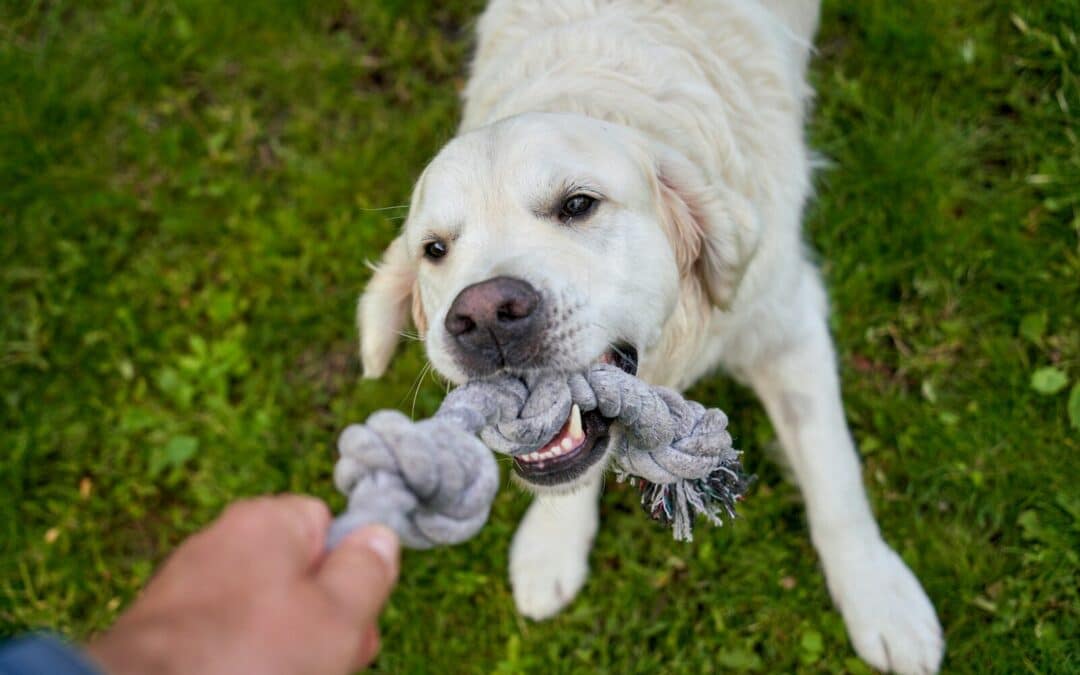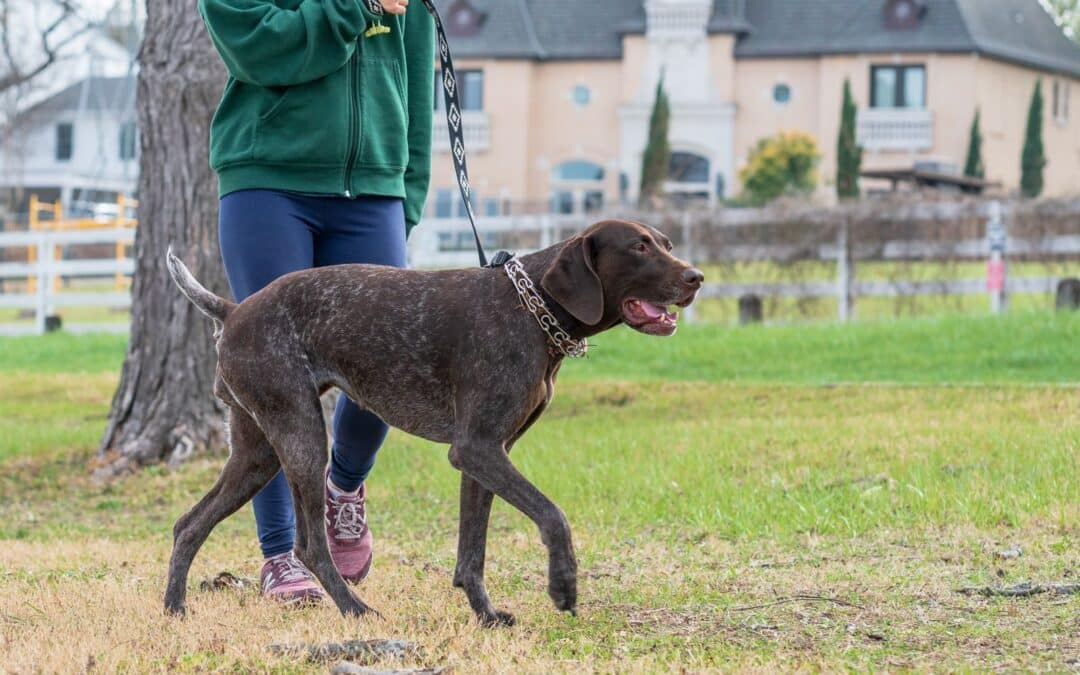
I see it every day across D.C., Maryland, and Virginia: good dogs stuck in bad habits. You are walking down a busy street in Arlington or trying to enjoy a quiet evening in Bethesda, and the leash pulling, frantic barking, or reactive lunging turns a peaceful moment into a stress test.
Life in the metro area gets busy. Between kids, commutes, and demanding careers, the time required to address behavioral issues often slips away. Suddenly, behaviors that seemed like minor annoyances—jumping on guests, ignoring recall, or chewing shoes—feel overwhelming. The dog you love becomes a source of tension rather than joy.
At Ruff House Dog Training, we don’t just teach commands—we restore peace at home. We understand that a well-behaved dog isn’t just about showing off tricks; it’s about creating a safe, harmonious environment for your entire family. This post breaks down how professional dog obedience training actually improves everyday life, not just your dog’s résumé.
Why Dog Obedience Training Is About Real Life (Not Just Sitting on Command)
Many dog owners mistakenly believe that dog obedience training is simply about teaching a dog to “sit” or “shake” for a treat. While those are fun tricks, they don’t necessarily translate to a well-adjusted pet. True obedience training isn’t about winning trophies; it’s about calm walks, polite greetings, and stress-free homes.
Training for the Real World
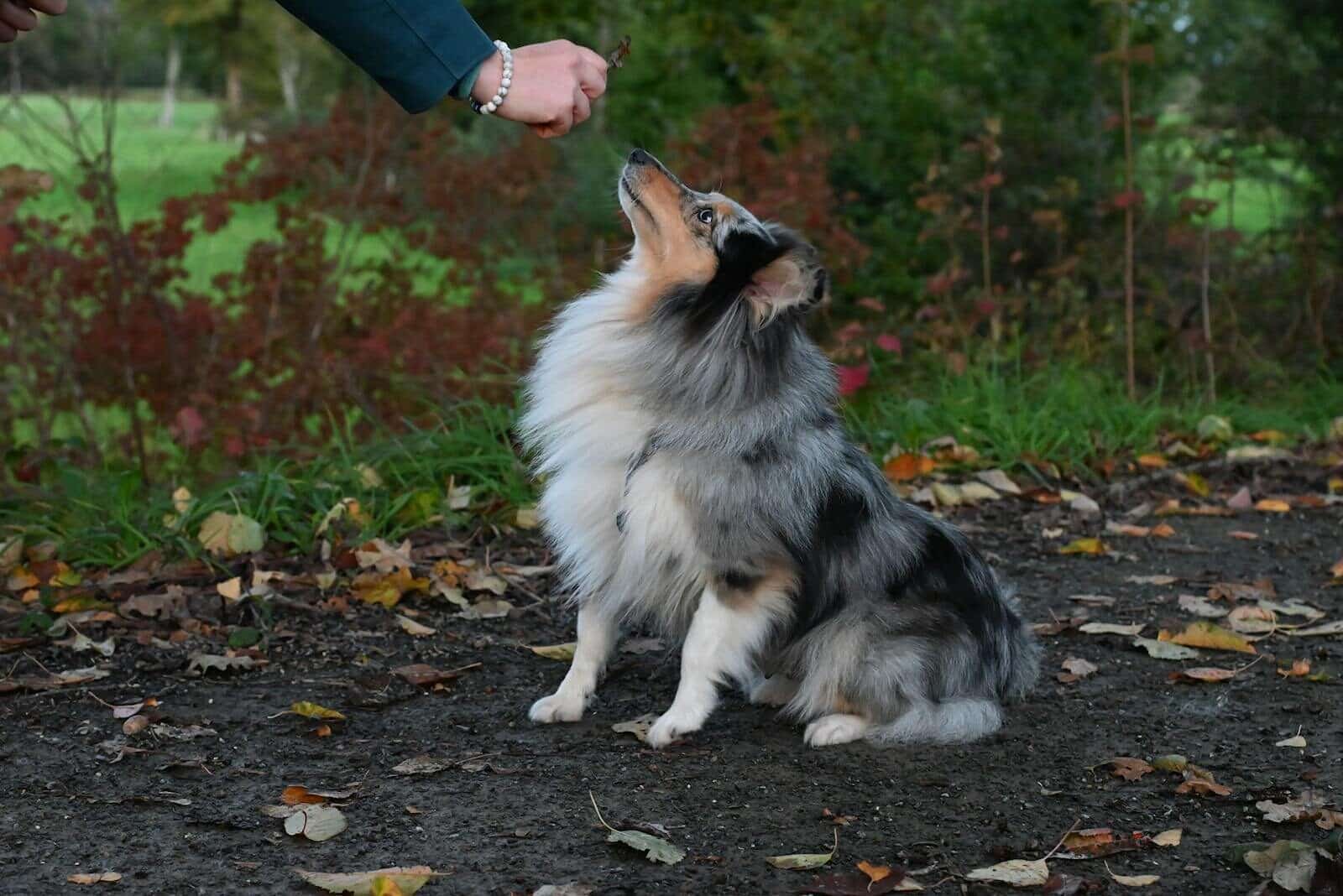
Dogs are contextual learners. A dog might sit perfectly in a quiet living room when you’re holding a piece of cheese, but that doesn’t mean they will listen when a squirrel darts across the path in Rock Creek Park. Dogs learn best when training matches real-world distractions, routines, and environments.
Living in the DMV area presents unique challenges for dogs. We have high-density housing, busy sidewalks, loud traffic, and shared community spaces. A dog that cannot handle these distractions is a dog that lives a limited life. Professional dog training bridges the gap between “knows the command” and “actually listens,” regardless of what is happening around them. It ensures your dog can navigate a busy city street just as calmly as they navigate your backyard.
What Is the 7-7-7 Rule for Dogs—and Why It Matters
When bringing a new dog home—whether a rescue or a new puppy—many owners expect instant acclimation. When the dog acts out or seems anxious, owners often feel they’ve made a mistake. This is where the “7-7-7 Rule” comes into play. Understanding this timeline is crucial for helping dogs learn, adjust, and succeed.
The First 7 Days: Decompression
In the first week, your new dog is overwhelmed. They don’t know who you are or what the rules are. They may be shy, refuse to eat, or act out. This is the “freak out” phase. Professional guidance during this week helps you establish immediate, gentle boundaries without overwhelming the dog.
The First 7 Weeks: Routine
By this stage, your dog is starting to settle in. They are learning your routine—when they eat, when they walk, and when you leave for work. However, this is also when true colors start to show. If structure isn’t established here, bad habits begin to form. This is the critical window where dog obedience training accelerates confidence and stability.
The First 7 Months: Full Integration
At the seven-month mark, your dog should feel completely at home. They trust you and understand their place in the family pack. If training has been consistent, you have a reliable companion. If not, this is often when behavior problems become deeply ingrained habits.
Common mistakes owners make during these phases usually boil down to a lack of clear communication. We help you navigate these timelines with patience and structure, ensuring you don’t give up right before the breakthrough happens.
What’s the Best Age for Obedience Training? (Spoiler: Earlier Is Easier, But It’s Never Too Late)
One of the most common questions we get is, “Is my dog too old (or too young) to learn?” The answer is almost always no. However, the approach changes depending on the dog’s life stage.
Obedience Training for Puppies
Puppy training is all about prevention. It is significantly easier to teach good habits from scratch than to untrain bad ones later. We focus on socialization, potty training, and foundational engagement. This builds a “learning language” between you and your puppy before they gain the size and confidence to challenge you.
Training the Young Dog
Adolescence (usually 6 to 18 months) is often the hardest phase. This is when the young dog finds their voice and tests boundaries. They have high energy and a short attention span. They need structure to channel that energy, not suppress it. Professional training during this phase is often the difference between a dog that is surrendered to a shelter and a dog that remains a lifelong family member.
Can Adult Dogs Learn New Tricks?
Absolutely. Adult and rescue dogs can learn new skills with the right approach. Whether you are dealing with a 5-year-old rescue with baggage or a 10-year-old dog that has simply never been taught manners, basic obedience is possible. I tailor training to the dog in front of me—not a one-size-fits-all timeline—to ensure even older dogs can find balance.
The 7 Most Important Dog Commands (And Why They’re Really About Communication)
Commands are simply tools for communication. If your dog doesn’t understand what you want, they cannot comply. A solid foundation of basic obedience relies on seven core commands that cover safety, manners, and impulse control.
- Sit: The universal “please.” It teaches impulse control and is the foundation for almost all other stationary commands.
- Down: A step further than sit, “down” implies a longer duration and a higher level of relaxation. It is essential for settling a dog in public places like outdoor cafes.
- Stay: This could save your dog’s life. A solid stay prevents dogs from bolting out open doors or running into the street.
- Come: The recall command is the most critical safety tool you have. It must be reliable every single time, not just when the dog feels like it.
- Heel: In the DC metro area, leash manners are non-negotiable. “Heel” means walking calmly beside you without pulling, lunging, or tripping you.
- Place / Settle: This gives the dog a specific job: “Go to your bed and relax.” It stops counter-surfing, begging at the table, and jumping on guests.
- Leave It: Whether it’s a chicken bone on the sidewalk or a squirrel, “leave it” tells the dog to disengage from a temptation immediately.
Why do these commands fail for most owners? Lack of clarity, poor timing, and lack of follow-through. Dogs learn through consistency. If “Come” implies “Come if you want to,” the command is useless. We teach you how body language, tone, and consistency matter more than treats alone.
How Much Does Dog Training Cost—and What Are You Really Paying For?
When looking for dog trainers in the DMV, you will see a wide range of prices. It is important to understand the difference between cost and value. Cheap training often leads to more work later because it fails to address the root cause of the behavior.
The Value of Professional Guidance
When you hire Ruff House Dog Training, you aren’t just paying for an hour of our time. You are paying for a custom plan, years of experience, and the ability to read your dog’s subtle behavioral cues. You are paying for a happier next 10 to 15 years with your dog.
We offer flexible options designed to fit different needs and budgets:
- 90-Minute Miracle: A focused, intensive session designed to jump-start behavior improvements. We give you immediate, actionable tools to fix specific issues.
- 6-Week Obedience Programs: A structured approach targeting common issues like house-soiling, chewing, and biting. This builds a solid foundation for a lifetime of obedience.
- Custom Behavior Solutions: Tailored plans for complex issues like aggression or anxiety.
Crucially, we offer unlimited post-session support. Training doesn’t end when the session is over. If a new issue pops up three months later, you can call us. That is the value of working with a committed local business rather than a generic big-box store trainer.
How Professional Dog Trainers Improve Everyday Life for the Whole Family
A misbehaving dog adds stress to the entire household. It causes arguments between spouses (“It’s your turn to walk him, he pulls too hard!”), limits your social life (you can’t have friends over because the dog jumps), and creates anxiety.
Better Behavior, Better Relationships
When you invest in obedience training, you change the dynamic of your home. Mornings become calmer because you aren’t fighting the dog to put a leash on. Walks become enjoyable decompression time rather than a wrestling match. Interactions with kids and guests become safe and fun.
This strengthens the bond between you and your pet. Clear communication builds trust. Your dog gains more freedom because they can be trusted to behave, and you gain less stress. It’s a win-win for the family and the relationship you share with your canine companion.
Why Our Dog Training Approach Is Different
At Ruff House Dog Training, we pride ourselves on being different from the corporate franchises. We are a veteran-owned small business, which means we bring a unique set of values to the table: discipline balanced with empathy.
Structure, Humor, and Honest Results
We believe in coaching owners—not just training dogs. If you don’t know how to handle your dog, the training won’t stick. We use humor and clear instructions to make the process engaging. We don’t use gimmicks, we don’t read from franchise scripts, and we don’t make false guarantees.
Training is like the gym: you get out what you put in. If you are consistent with the tools we give you, you will see results. Over 400 happy clients across the DMV prove that our real-world solutions work. We are problem solvers who are dedicated to helping you reclaim your home.
Helpful Resources for Dog Owners
Education is a huge part of being a responsible dog owner. Beyond our training sessions, here are seven excellent resources to help you understand dog health, safety, and behavior:
- American Kennel Club (AKC): A comprehensive resource for breed-specific information and training standards. Visit AKC
- ASPCA Poison Control: A vital bookmark for every dog owner in case your pet ingests something toxic. Visit ASPCA APCC
- BringFido: A great guide for finding dog-friendly hotels, restaurants, and parks in the DC Metro area and beyond. Visit BringFido
- The Whole Dog Journal: Offers holistic and in-depth reviews of dog food, gear, and training tips. Visit Whole Dog Journal
- PetMD: Vet-authored articles on canine health and symptoms to watch out for. Visit PetMD
- Merck Veterinary Manual: For owners who want deeper scientific insight into animal health. Visit Merck Vet Manual
- Association of Professional Dog Trainers (APDT): A great source for understanding the industry standards of dog training. Visit APDT
From Chaos to Calm—Let’s Do This
Obedience training isn’t about perfection—it’s about progress and peace. It is about reaching a point where you and your dog understand each other. When dogs understand expectations, anxiety drops, and good behavior follows.
If you are ready to stop surviving dog ownership and start enjoying it with a straightforward training experience, I’m here to help. Whether you need a quick reset or a full obedience overhaul, we have a plan for you.