Does your dog need reactive dog training? So, what is reactive dog training?
I meet a lot of dog owners who feel defeated before they even clip on the leash. That simple click is a signal that a stressful, embarrassing, and sometimes scary experience is about to begin. If your daily walks feel more like stress tests because your dog reacts to other dogs, people, or random “scary things” like a plastic bag blowing in the wind, I want you to hear this: you’re not a bad owner.
Reactive behavior is common, surprisingly fixable, and deeply misunderstood. Your dog isn’t trying to be difficult. They’re having a hard time communicating a big emotion. This post is here to explain what dog reactivity really is, why it happens, and how the right reactive training plan can change everything for you and your pet.
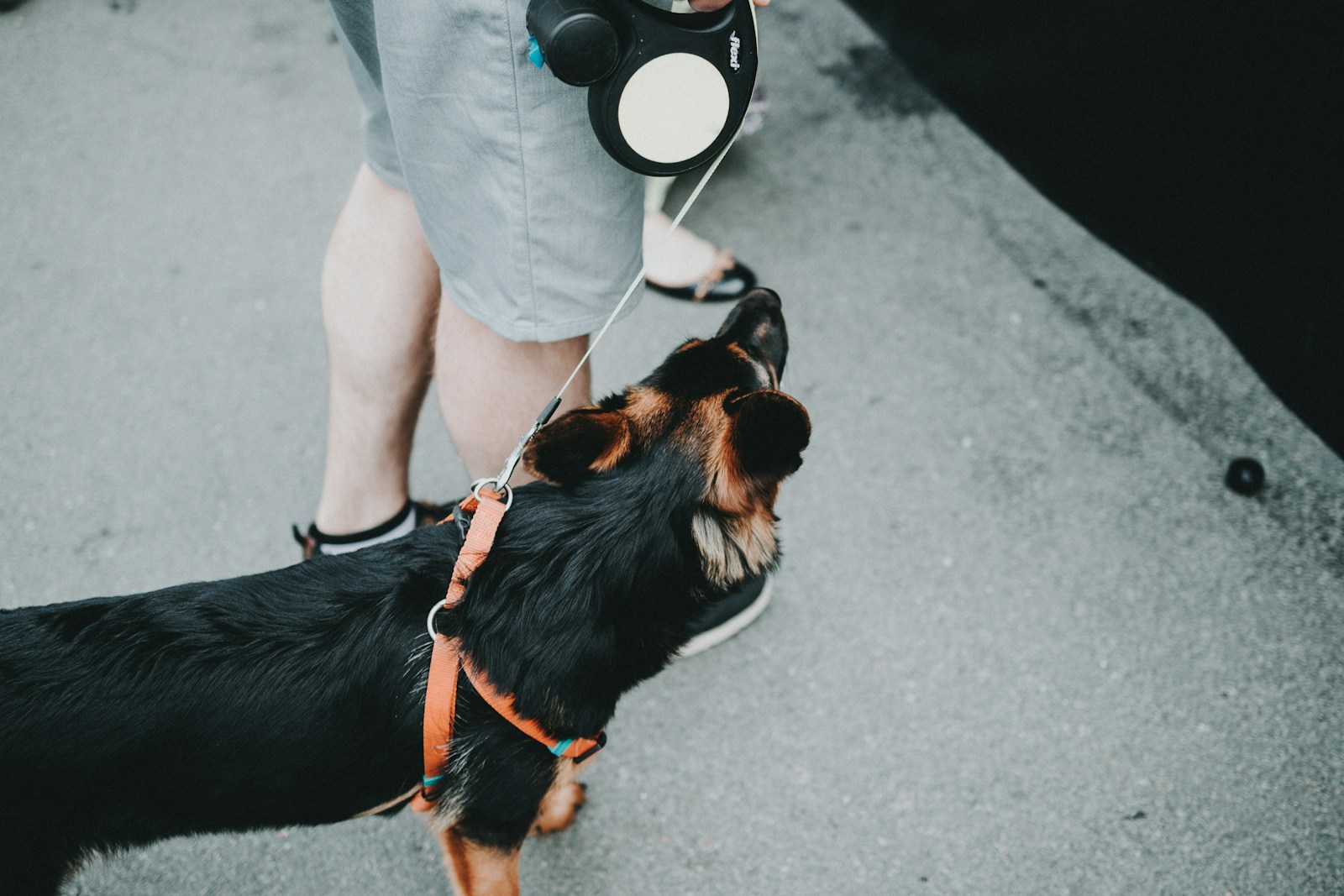
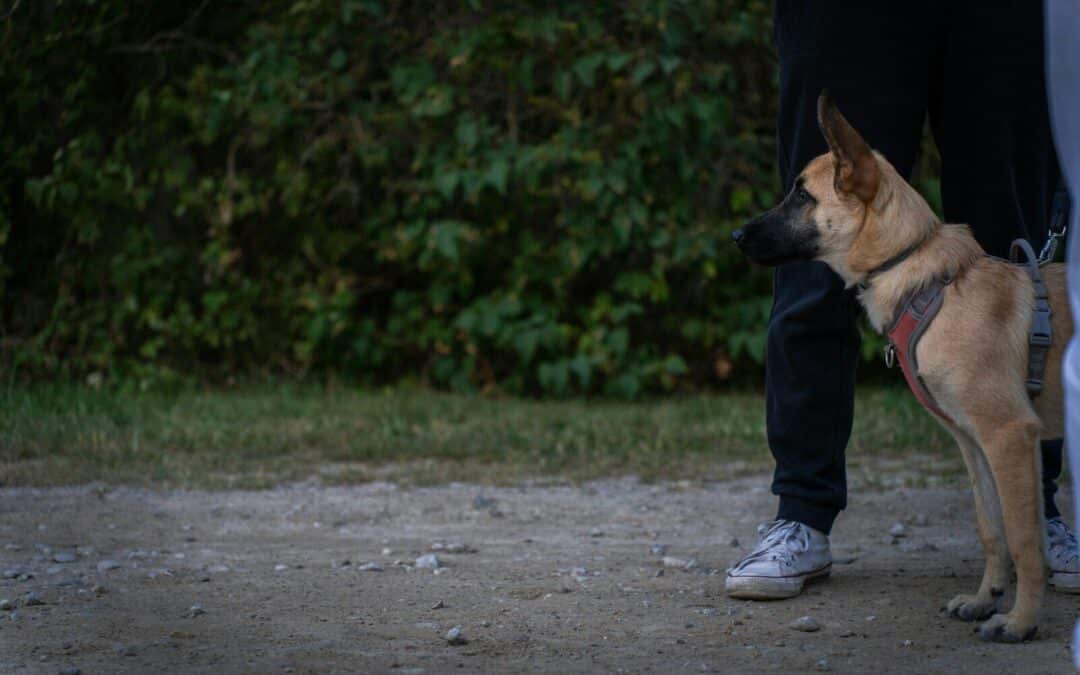
Photo by Kevin Lehtla on Unsplash
Get the Ruff to Ready framework and start making progress with your dog today.
"*" indicates required fields
What Reactive Behavior Actually Looks Like (And What It’s Not)
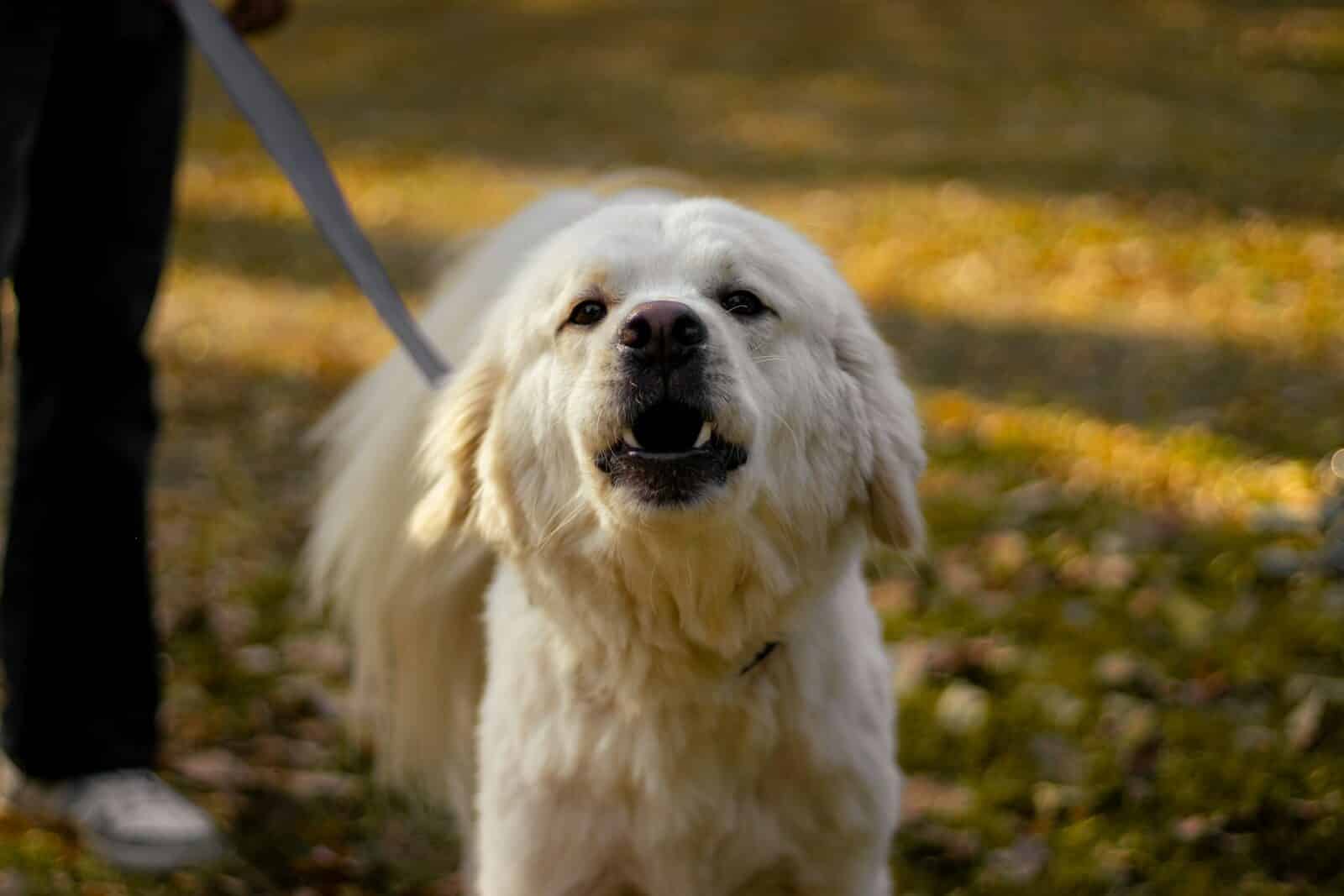
When most people tell me, “My dog is reactive,” they’re describing a scene. It usually involves intense barking, lunging against the leash, freezing in place, or showing raised hackles the moment another dog appears. The dog’s focus is gone, and no amount of calling their name seems to work. It’s overwhelming.
It’s crucial to understand that this reactive behavior is not a sign of disobedience. Reactivity is about emotion. A reactive dog is often a good dog who is overwhelmed by fear or frustration. There’s a difference between fear-reactive dogs, who lunge to create space from something they find scary, and frustration-reactive dogs, who just want to say “hi” but are held back by the leash. Neither of these is the same as true aggression, which is far rarer than you might think.
Why Dogs Become Reactive in the First Place
So, where does this all come from? A dog’s behavior is shaped by many factors. Common triggers for a reactive dog can be anything from other dogs on a walk to people in hats, tight spaces in a busy parking lot, or seeing someone stand in a long line.
A lack of impulse control is a huge piece of the puzzle. Without guidance, natural behaviors like barking or alertness can escalate into full-blown reactive episodes. Past experiences, a dog’s genetic predispositions, and their current environment all play a role. Ignoring the early signs, like a stiff body or a fixed stare, often makes the dog’s reactivity worse over time. Identifying triggers is the first step toward building a solution.
Leash Reactivity: The Most Common Struggle I See
Leash reactivity is the number one issue I’m called to help with. Dogs often react more intensely on a leash because it removes their option to flee. That feeling of being trapped can amplify their fear or frustration. The tension you feel on the leash travels right down to your dog, adding to their stress and affecting their behavior.
Many owners try different tools like front-clip harnesses, head halters, or long lines. While these can be helpful for management, they don’t fix the underlying problem. A relaxing walk requires more than equipment; it requires training that builds your dog’s confidence and your communication.
My Training Philosophy for Reactive Dog Training
As a dog trainer, I don’t believe in cookie-cutter solutions or false guarantees. My training philosophy is built on structure, clarity, and honest communication—the same values I learned in the military. These principles create a sense of safety for a dog, which is the foundation for learning.
Positive reinforcement is a powerful tool, but in some situations, clear boundaries matter more. I meet the dog in front of me instead of forcing a one-size-fits-all method. Sometimes, that means using a tool like a prong collar, not as a punishment, but as a way to communicate clearly and effectively when a dog’s focus is gone. My goal is to find what works for your dog.
Behavior Adjustment Training That Works in the Real World
So, what does this look like in practice? We use what’s called behavior adjustment training. This isn’t about just drilling “sit” and “watch me.” It’s about teaching a dog how to think instead of just reacting. We practice creating calm behavior around real-world distractions, not just in a sterile training facility. For severe cases, private training is often the most effective path forward. This focused behavior modification helps your dog build new, better habits.
Building Impulse Control and Your Dog’s Focus
Impulse control is everything. It’s the ability for your dog to pause, think, and choose a better response than lunging and barking. We teach this through specific exercises that use food, movement, and mental stimulation in the right way. Just tossing treats at your dog and hoping for the best isn’t a training plan. We work to help your dog feel safe enough to learn new coping skills, which builds their focus on you.
Counter Conditioning and Gradual Exposure Done Right
Two key techniques we use are counterconditioning and gradual exposure. In simple terms, this means we slowly change how your dog feels when a trigger appears. We start at a distance where your dog notices the trigger but isn’t reacting yet. This is where we work to turn a scary thing into a neutral thing.
Flooding a dog with their triggers—like forcing them to walk past a dozen other dogs—almost always backfires and can make the fear worse. Success comes from reading your dog’s body language and working at their pace, stopping before a reaction ever starts.
Mistakes I See Dog Owners Make (And How to Avoid Them)
Over the years, I’ve seen dedicated owners dealing with the same roadblocks. The most common mistake is waiting too long to ask for help. Many people try to manage the behavior by relying solely on online resources and videos, assuming their dog will “grow out of it.”
Another big hurdle is feeling embarrassed or judged. It’s easy to feel like everyone is staring, but avoiding training only lets the problem grow. The good news is that not every reactive dog needs a veterinary behaviorist. Most just need a clear, consistent plan and a knowledgeable guide.
How Training Improves Life for Both Ends of the Leash
When you commit to training, the results go far beyond a quieter walk. You’ll experience fewer reactive episodes and gain more confidence. Your dog will learn to exist comfortably in the world, developing better social skills and a calmer mind. Most importantly, you, the owner, will feel empowered instead of anxious.
This process transforms the relationship. The stress and frustration are replaced by a stronger bond built on trust and clear communication. Your dog deserves support, not labels.
When to Get Professional Help (And Why Sooner Is Better)
If your dog’s reactivity is impacting your daily life, it’s a sign that you need structured intervention. Early dog training is crucial because it can prevent reactivity from escalating into more serious aggression. A customized private training plan will always outperform a group class for a reactive dog because it’s tailored to your dog’s specific triggers and your home environment.
With Ruff House Dog Training, you also get unlimited post-session support. That means if a new issue pops up weeks later, I’m just a phone call away. You’re not alone in this.
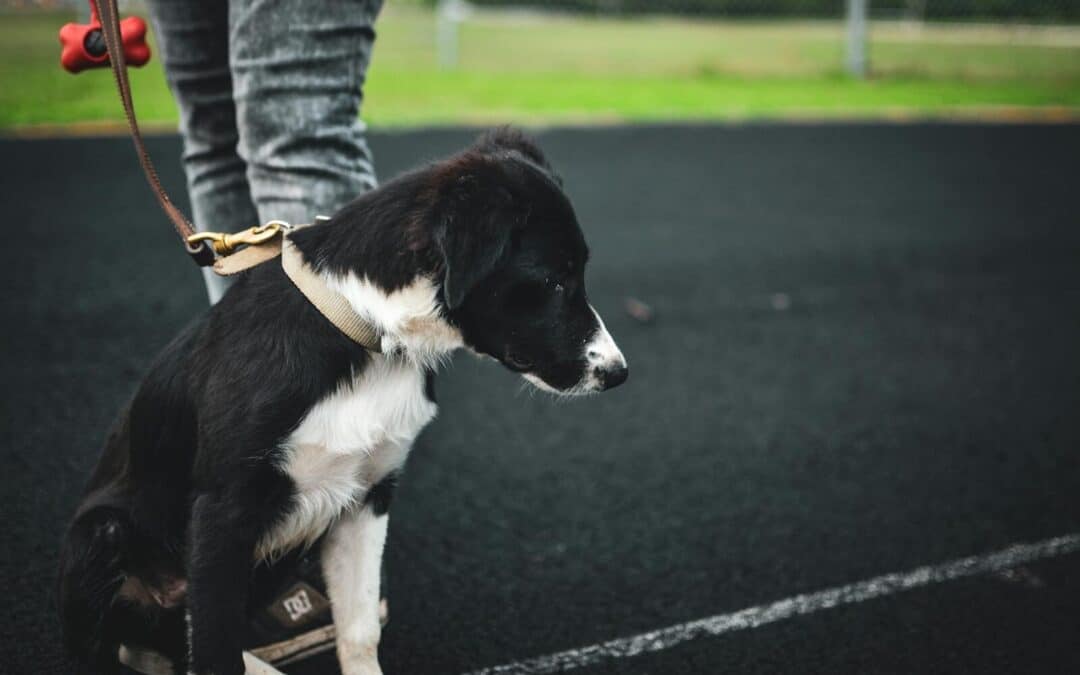
Photo by Gabriel Aguirre on Unsplash
From Chaos to Calm—Let’s Do This
You don’t have to keep struggling through stressful walks and chaotic encounters. Change is possible with the right guidance and a commitment to helping your dog succeed. We offer no judgment—just real solutions that have helped over 400 families across the DMV.
Ready to transform stress into success with your dog?
Start Your Dog’s Transformation Today.
All About Reactive Dog Behavior
Managing Reactive Behavior: Learn about managing reactive behavior in dogs and why training is crucial to prevent aggression. Visit Cornell’s Riney Canine Health Center
A Beginner’s Guide to Helping Your Reactive Dog Get Better: This guide provides foundational education on leash reactivity and includes additional resources for further learning. Read the guide on 3 Lost Dogs
Positive Force-Free R+ Dog Training Library: A community resource for positive reinforcement training methods tailored to reactive dogs. Explore the Facebook Group
Reactive Dog Training: From Lunging and Barking to Calm Confidence: Step-by-step training protocols and management strategies to help reactive dogs. Check out Wagbar’s training guide
Reactive Dog Program by Scent Work University: Offers free training tips, livestreams, blogs, and podcasts focused on reactive dog training. Visit Scent Work University
Karen Pryor Clicker Training: A trusted resource for positive reinforcement training techniques, including tips for reactive dogs. Explore Karen Pryor’s website
The Whole Dog Journal: Articles and advice on training reactive dogs using humane and effective methods. Visit The Whole Dog Journal
These resources provide a mix of guides, community support, and professional advice to help you train your reactive dog effectively.