
I see this scenario almost every week with families here in Northern Virginia: A couple welcomes a newborn puppy with excitement, buying all the cutest toys and the best puppy and adult dog food. But by week two, the excitement has morphed into sheer exhaustion. The puppy is nipping the kids, peeing on the rug the moment they look away, and crying in the crate at 3 a.m.
If this sounds familiar, take a deep breath. You aren’t failing. You just need a different perspective on what “puppy care” actually means.
Most people think puppy care is about puppy food, cuddles, and vet visits. While those are essential, they are the easy part. Real puppy care—the kind that leads to a calm, confident adult dog—is about establishing structure, boundaries, and communication from day one. about managing the environment so your puppy doesn’t have the opportunity to make mistakes.
The best training I do is the training that prevents problems before they even start. Let’s look at how to move from chaos to calm.
Get the Ruff to Ready framework and start making progress with your dog today.
"*" indicates required fields
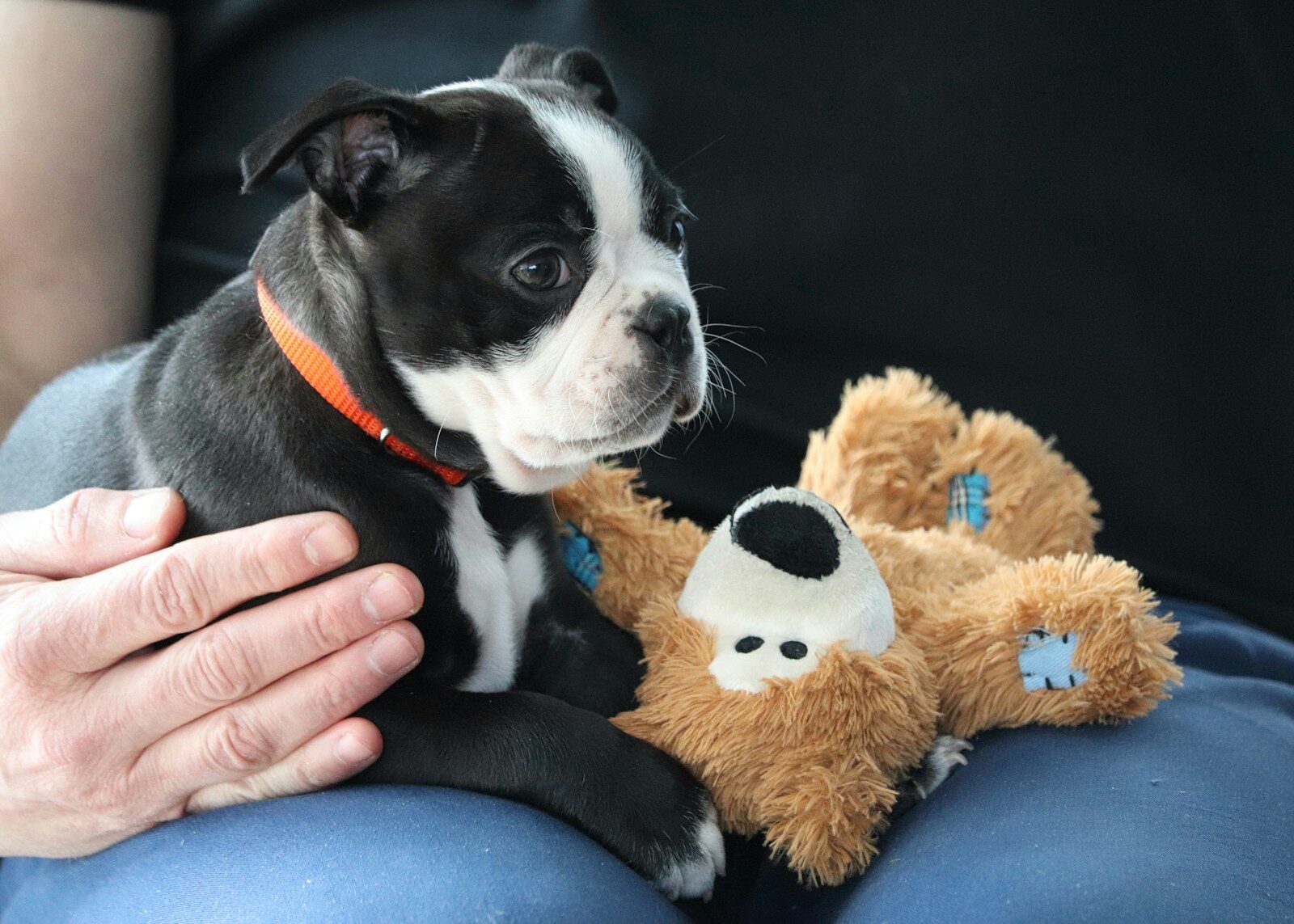
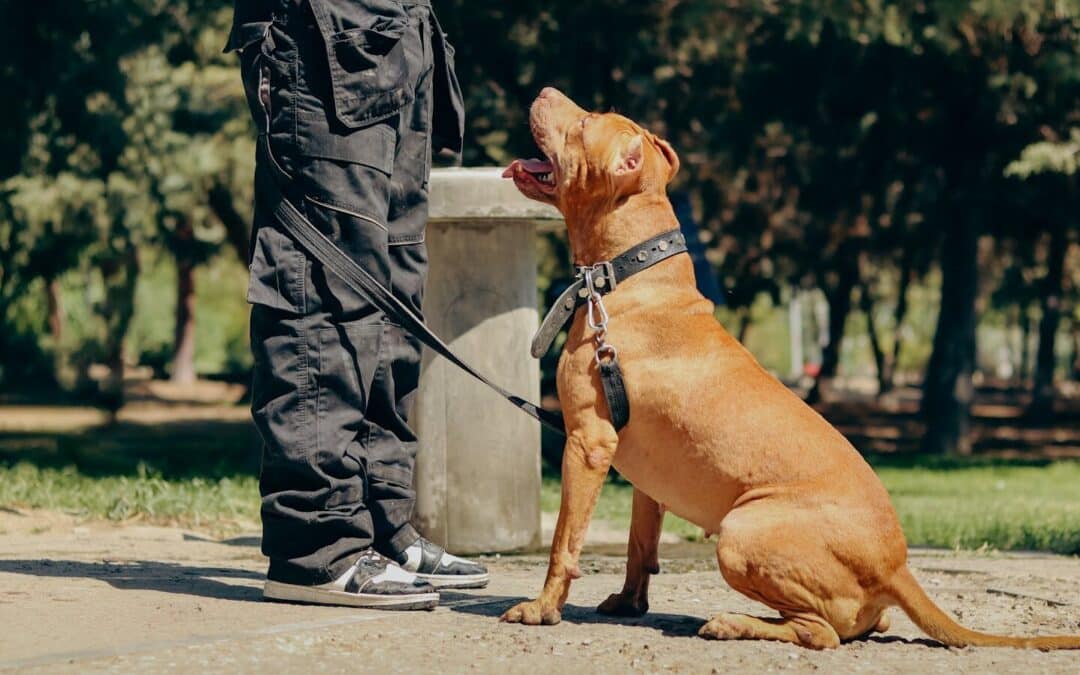
Photo by Julie Marsh 🇨🇦 on Unsplash
Puppy Care Starts the Moment You Bring Your New Puppy Home
When you bring a puppy home, you aren’t just bringing home a pet; you are bringing home a baby animal that has zero concept of human rules. They don’t know that the rug isn’t grass or that your hands aren’t chew toys.
Effective puppy care relies on four pillars:
- Routine
- Structure
- Supervision
- Short, effective training sessions
Many owners make the mistake of thinking puppies will “grow out of” bad behaviors. The reality is that dogs become what they practice. If they practice barking at the mail carrier for six months, you will have a barker for life. If they practice chewing shoes, they will become expert cobblers. Positive reinforcement alone may not be enough,
Think of structure not as strictness, but as kindness. It creates a predictable world for your new dog. If you don’t build structure now, your schedule—and your sanity—will suffer later.
Understanding Puppy Health and Development: Why Timing Matters
Your puppy’s brain is developing at a rapid pace. Understanding their developmental stages helps you adjust your expectations and your care routine.
From 8 to 12 weeks of age, your growing puppy is a sponge. This is a critical period where habits regarding chewing, potty training, and bite inhibition are formed. This is also when you need to pay close attention to the connection between puppy health and behavior.
The Sleep Connection: Just like human toddlers, puppies get cranky when they are tired. A puppy that is biting excessively or running wild (the “zoomies”) is often simply overtired. They need 18-20 hours of sleep a day. Prioritizing rest is as important as prioritizing play.
Teething: Those razor-sharp baby teeth are temporary, but the habit of putting puppy teeth on skin shouldn’t be. Understanding the difference between teething pain when transitioning to adult teeth and playful nipping from your puppy’s mouth helps you address it correctly.
Good puppy care protects both behavior and health. For more on the medical side of development, the American Kennel Club (AKC) offers a great timeline of puppy growth stages.
The Rules Every New Puppy Owner Should Know (And Actually Use For Puppy Training)
To navigate the first few months, I recommend sticking to three core concepts. These frameworks help manage your expectations and your puppy’s progress.
What Is the 7–7–7 Rule for Puppies?
The 7-7-7 rule is a helpful way to visualize your puppy’s adjustment period:
- 7 Days to Decompress: Your puppy needs about a week just to realize they are safe and this is their new home.
- 7 Weeks to Learn Routines: It takes nearly two months for a puppy to truly understand the flow of your household.
- 7 Months to Test Boundaries: Just when you think you’re in the clear, adolescence hits, and they may regress or test the rules.
This helps you stay patient. At Ruff House, we focus on structure before freedom because we know that the testing phase is coming.
What Is the 3–3–3 Rule for Puppies?
You might have heard this regarding rescue dogs, but it applies to young puppies, too.
- 3 Days: Overwhelmed and nervous. They may not eat well or show their true personality.
- 3 Weeks: Settling in. They start to feel comfortable, which means they might start pushing boundaries.
- 3 Months: Feeling confident. They know they belong home, and trust has been built.
Many owners accidentally create bad habits during the “3 Weeks” phase by giving too much freedom too soon.
What Is the 10-Minute Rule for Puppies?
Puppies have the attention span of a gnat. Long training sessions are counterproductive.
Instead, follow the 10-minute rule (or even 5 minutes!). Keep training sessions short, intentional, and effective. This prevents overstimulation and keeps the puppy eager to learn. This fits perfectly into busy Northern Virginia schedules—you can train during commercial breaks or while the coffee brews. The Spruce Pets has excellent guides on how to structure these short sessions effectively.
Where Should a Puppy Sleep the First Night Home?
One of the biggest mistakes I see is giving a new puppy free rein of the bedroom or, worse, the whole house at night.
Recommendation: Use a Crate.
Your puppy should sleep in a crate or a structured, safe sleeping area. Ideally, keep the crate close to your bed for the first few weeks. This allows the puppy to smell and hear you, reducing stress, but prevents them from wandering.
Why?
- Safety: They can’t chew electrical cords while you sleep.
- Potty Training: Dogs naturally avoid soiling where they sleep. A crate helps them hold it.
- Separation: It teaches independence in a safe space.
Letting your puppy roam on night one is exactly how you earn a 3 a.m. mess on the carpet. For tips on selecting the right crate size, check out resources from Chewy.com.
Potty Training Is Part of Puppy Care—Not an Afterthought
Potty training is often the most frustrating part of puppy ownership, but it usually fails due to human error. If you are finding puddles, it’s likely due to inconsistent schedules or too much freedom.
Potty training is about management, not punishment.
- Supervision: If the puppy is awake, eyes are on the puppy. If you can’t watch them, they should be in a crate or playpen.
- Routine: Take them out after waking, eating, playing, and every 2 hours in between.
- Praise: Throw a party when they go outside.
If you live in an apartment or high-rise, you might be considering puppy pads. While useful, be careful not to confuse the dog. Transitioning from pads to grass can be tricky. PetMD offers great advice on how to handle this transition smoothly.
Socialization Done Right (And Why Dog Parks Aren’t the Answer Yet)
“Socialization” is a buzzword that is often misunderstood. Many people think it means letting their puppy meet every dog and person they see. This often leads to overexcited greeters or fearful dogs.
True proper socialization is about neutrality. It means exposing your puppy to new sights, sounds, and surfaces without them feeling the need to interact with everything.
Skip the Dog Park To Avoid Any Transmissible Health Conditions
Until fully vaccinated dogs have solid recall and social skills, dog parks are a gamble. One bad experience with an aggressive dog can create lifelong reactivity.
Instead, focus on calm exposure to positive experiences. Sit on a park bench and let your puppy watch the world go by. Reward them for being calm. This builds confidence and prevents reactivity later in life. For a checklist of socialization experiences, the Veterinary Centers of America (VCA) has comprehensive resources.
When Puppy Care Includes Training Support
Sometimes, despite your best efforts, you hit a wall. Maybe the biting feels aggressive, the crate crying never stops, or you just feel completely overwhelmed.
It is okay to ask for help. In fact, seeking help early, especially when it comes to basic commands and the basic framework, is the hallmark of a responsible owner.
At Ruff House Dog Training, we specialize in helping families navigate these hurdles.
- 90-Minute Miracle: Perfect for immediate problem-solving and setting up a routine.
- 6-Week Dog Obedience Training Program: A structured program to tackle common issues like biting and house-soiling.
- Custom Programs: Tailored to your specific lifestyle and dog.
We are veteran-owned and offer judgment-free support. We’ve helped over 400 DMV families build calm, confident dogs, and we offer unlimited post-session support because we know questions will come up later.
Prevention Beats Correction—Every Time
If you take one thing away from this article, let it be this: Puppy care is prevention.
It is infinitely easier to teach a puppy to sit for attention now than it is to train a 70lb dog not to jump on guests later. It is easier to crate train now than to fix separation anxiety later.
You don’t need to be perfect. You just need a plan.
Start Your Puppy’s Life the Right Way!
Don’t wait until the bad habits are set in stone. Whether you need a quick strategy session, specially formulated puppy classes, or a full obedience course, we are here to help you turn the chaos into calm.
Schedule Your 90-Minute Miracle Now.
From chaos to calm—we’ll help you build it.