Living with a dog should feel like a partnership. Your dog should be a companion you enjoy walking through the neighborhood, relaxing with at home, and bringing along when visiting friends or family.
But when your dog pulls constantly on the leash, ignores commands, or barks at every distraction, daily life can quickly become frustrating.
That’s why obedience training for dogs plays such an important role in building a calm, well-behaved pet.
As a dog trainer working with families in Silver Spring, Maryland, and throughout the DMV area, I often meet pet parents who simply want their dog to listen, behave politely, and enjoy life alongside them.

Get the Ruff to Ready framework and start making progress with your dog today.
"*" indicates required fields
The good news is that most dogs can learn these behaviors through structured dog obedience training. With the right guidance, consistency, and positive reinforcement, dogs develop skills that improve everyday routines and strengthen the bond between owners and their pets.
Obedience training is not about creating a perfect dog. It is about giving your dog the tools to succeed in the real world.
Below are seven essential skills that every dog should learn.
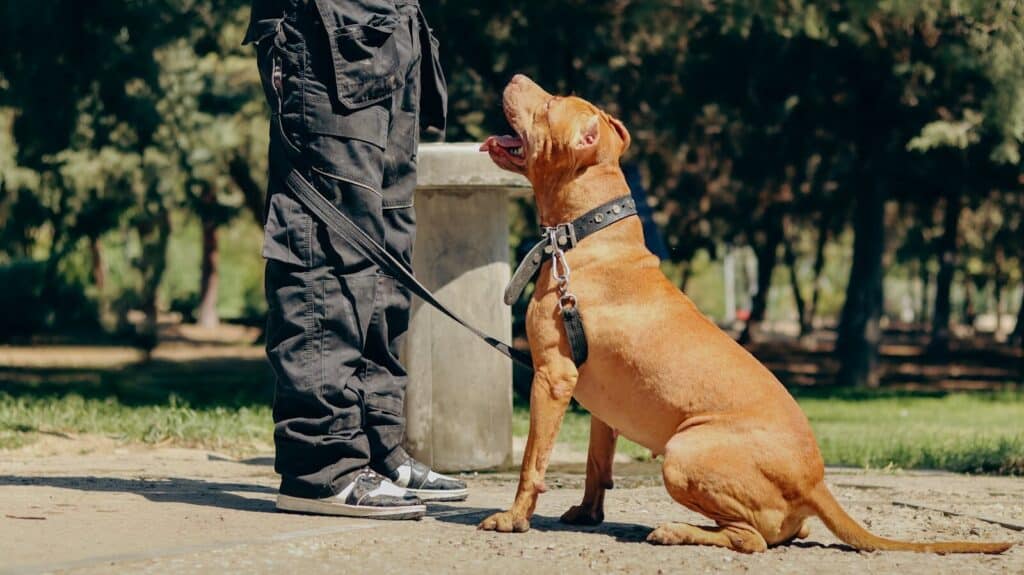
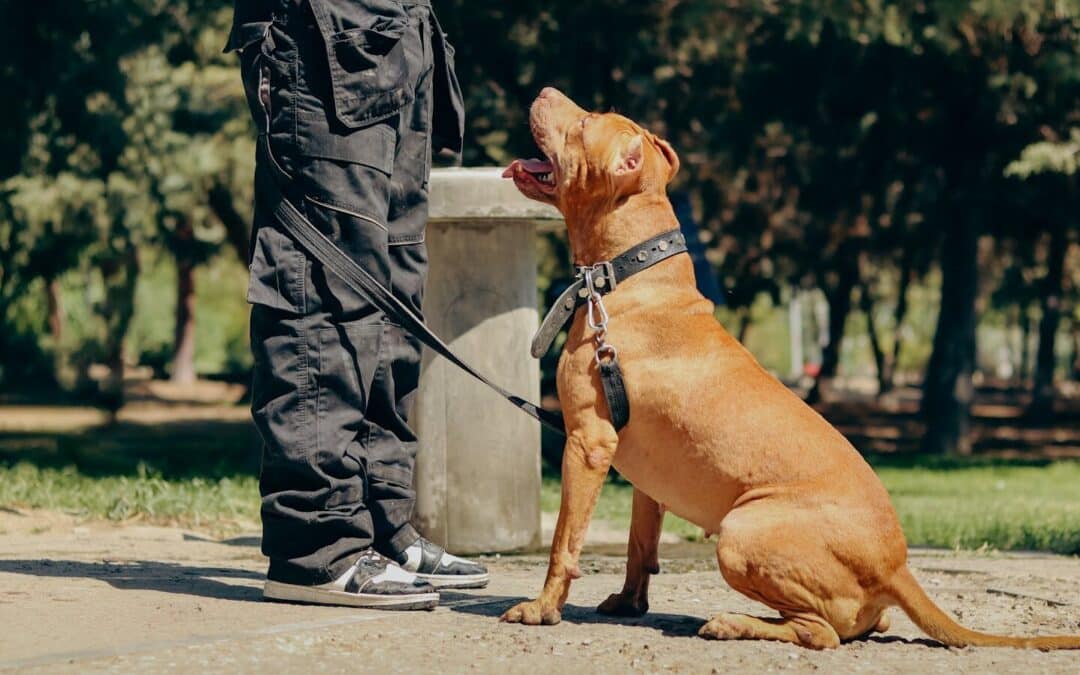
Photo by Mehdi Gholipour on Pexels
7 Essential Obedience Skills Every Dog Should Learn Through Dog Obedience Training Classes
A structured basic obedience training program focuses on practical skills that help dogs behave calmly in everyday situations.
These skills form the foundation of good behavior and make daily routines easier for both you and your dog.
1. Responding to Basic Commands Like Sit and Stay
One of the first things dogs learn in dog obedience training is how to respond to basic commands.
Commands like sit, stay, and down may sound simple, but they are incredibly important for managing behavior in everyday situations.
Teaching a dog to sit calmly when guests arrive prevents jumping. Asking a dog to stay while opening the door prevents them from running outside.
These basic cues create structure and help dogs understand expectations.
For most dogs, mastering these commands is the first step toward becoming a well-behaved pet.
2. Loose Leash Walking for Calm and Safe Walks
Walking your dog should feel enjoyable, not like a workout.
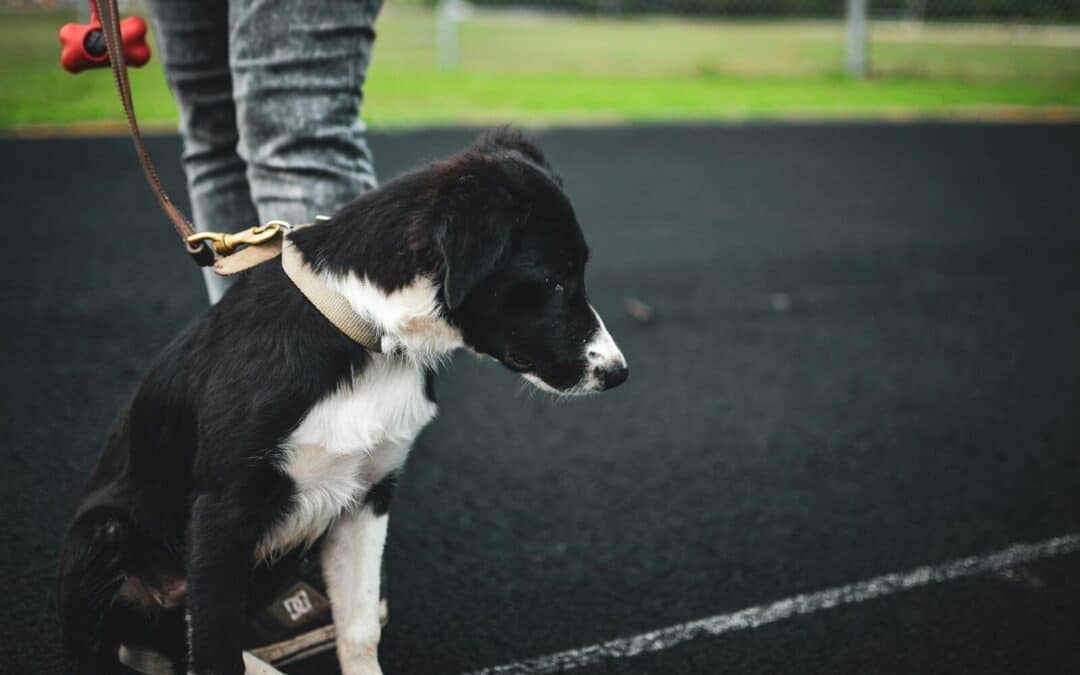
One of the most common issues pet parents face is leash pulling. Without training, many dogs drag their owners down the street as they chase smells, sounds, and distractions.
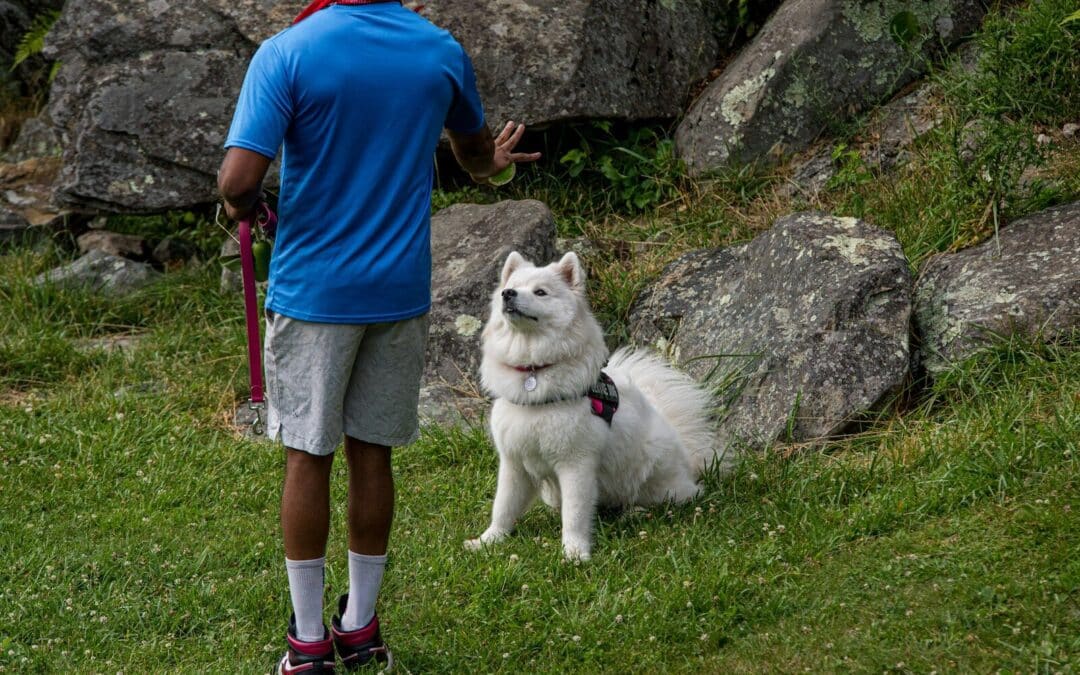
Through structured training sessions, dogs learn loose leash walking. This skill teaches dogs to walk calmly beside their owner instead of pulling ahead.
Loose leash walking improves safety and makes daily walks far more enjoyable for both you and your dog.
3. Learning to Focus Around Distractions
Dogs encounter distractions everywhere.
During a walk in Silver Spring, your dog may see other dogs, children playing, bicycles, cars, or wildlife. Without training, these distractions can easily overwhelm them.
One of the most valuable skills dogs learn during dog training is how to maintain focus on their owner even when exciting things are happening nearby.
This skill takes practice, patience, and consistent training, but it dramatically improves behavior in public environments.
4. Developing Calm Behavior Around Other Dogs and Animals
Many behavior challenges appear when dogs interact with other dogs or other animals.
Some dogs bark, lunge, or become overly excited when they see another dog. Others become anxious or fearful.
Structured dog training methods help address the root cause of these reactions.
Training helps dogs remain calm, respond to commands, and navigate interactions safely. With consistent guidance, most dogs develop better social skills and more confidence in these situations.
5. Understanding Body Language and Communication
Dogs rely heavily on body language to communicate.
Learning how to read your dog’s signals is one of the most important things pet parents can do.
During training sessions, owners learn to recognize signs of stress, excitement, and uncertainty. Understanding these signals helps prevent problems before they escalate.
When communication improves, dogs respond more quickly and confidently to their owners.
6. Building Confidence Through Positive Reinforcement
Modern dog training methods emphasize positive reinforcement.
Instead of punishing mistakes, this approach rewards dogs for performing the correct behavior.
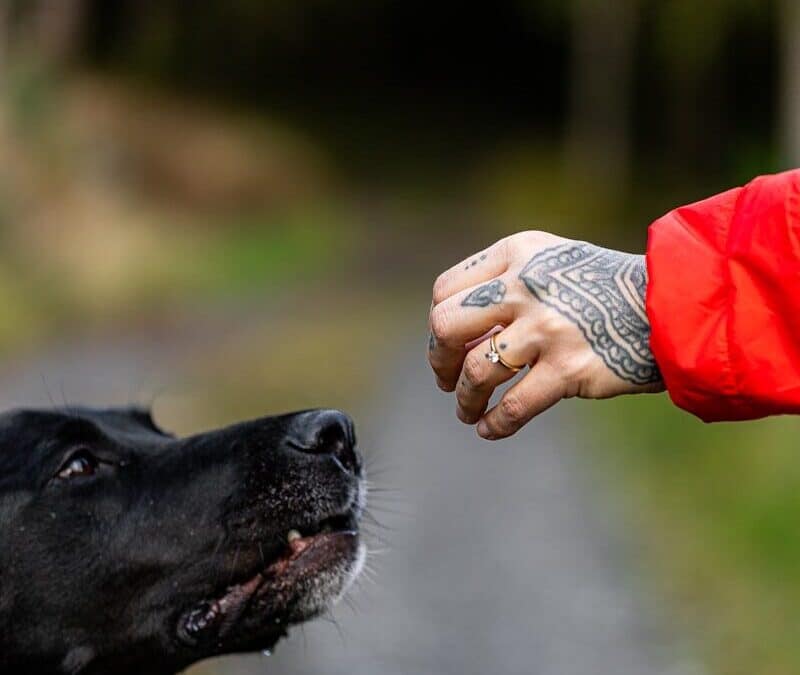
Rewards might include treats, praise, toys, or playtime. When a dog performs the correct behavior and receives a reward at the exact moment it happens, the learning process becomes clear.
This creates positive associations with training and keeps dogs motivated to learn.
Positive reinforcement also builds confidence, which helps dogs remain calm in new environments.
7. Developing Mental Stimulation and Lifelong Learning
Training should not stop once a dog learns the basics.
Dogs thrive when they receive regular mental stimulation and opportunities to learn new skills.
Training can include teaching tricks, practicing obedience cues, or working on advanced behaviors.
Learning keeps dogs engaged and helps prevent boredom-related behaviors like chewing or excessive barking.
Training becomes a lifelong process that strengthens the bond between dogs and their owners.
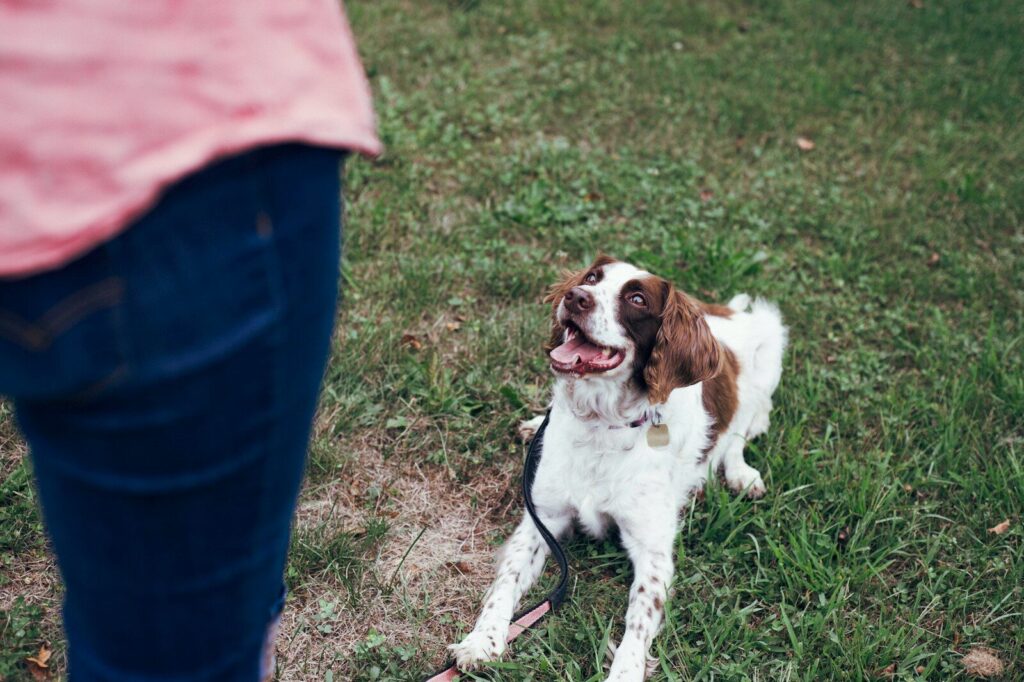
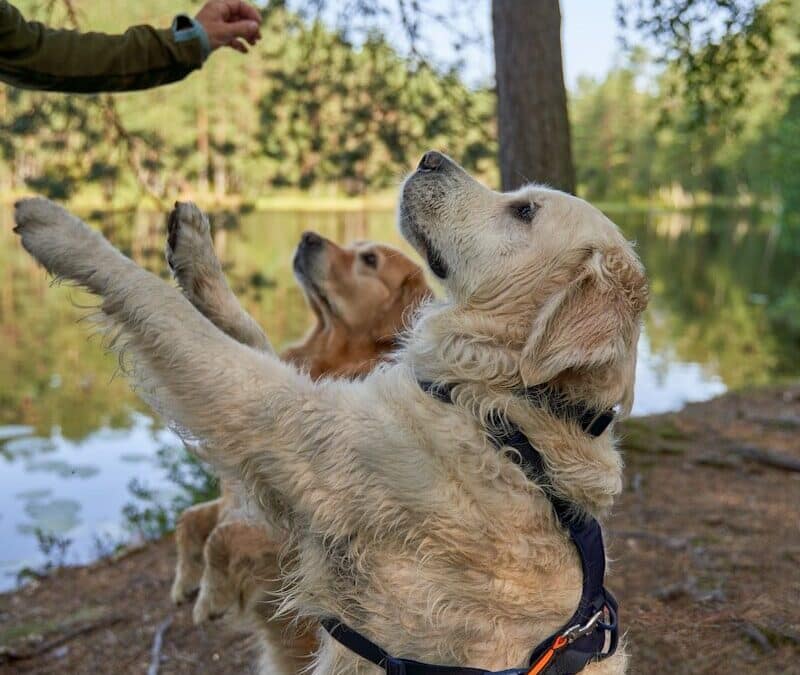
Photo by Destiny Wiens on Unsplash
Why Basic Obedience Training Skills Matter at Home and on Walks
The skills learned through obedience training for dogs improve everyday life in many ways.
A trained dog can:
• walk calmly on a leash
• respond reliably to commands
• stay focused despite distractions
• interact safely with people and other animals
• relax comfortably at home
These improvements make daily routines easier for everyone, so whether you’re looking for puppy training or training for older dogs, it’s never too late for your furry friend to learn new tricks and gain more freedom.
Training also strengthens the relationship between dogs and their owners. When communication becomes clear and expectations are consistent, dogs feel more confident and relaxed.
This leads to fewer behavior challenges and a more enjoyable life with your pet.
What Happens Without Proper Dog Training
Without structured dog training, small behavior issues often become larger challenges.
Dogs that do not receive guidance may develop habits such as:
• pulling aggressively on the leash
• barking excessively at noises or visitors
• ignoring commands
• reacting poorly to other dogs
• struggling with separation anxiety
These behaviors can make daily routines stressful for both dogs and their owners.
The good news is that most dogs can improve dramatically with consistent training and the right support.
Training helps dogs replace unwanted behaviors with calm, predictable responses.
Start Training Today
If your dog struggles with leash pulling, barking, or ignoring commands, obedience training can help.
At Ruff House Dog Training, we work with pet parents throughout Silver Spring, Maryland, and the surrounding DMV area to help dogs develop calm behavior, stronger focus, and better communication with their owners.
Whether you have a new puppy, a young dog, or an adult dog who needs guidance, structured training can help your dog succeed in everyday life.
Start training today.
Book your session and take the first step toward a calmer home, clearer communication, and a stronger relationship with your dog.
Because your dog won’t train himself.

RuffDT Logo
Helpful Links and Resources for Obedience Training
- American Kennel Club (AKC) Training Resources: The AKC offers a wealth of information on basic obedience training, including step-by-step guides and tips for training your dog at home. Visit AKC Training Resources
- ASPCA Dog Training: The ASPCA provides practical advice on positive reinforcement techniques and solutions for common behavioral issues. Explore ASPCA Training Tips
- Victoria Stilwell’s Positively Training: Renowned dog trainer Victoria Stilwell shares articles, videos, and advice on positive, reward-based training methods. Learn More at Positively
- The Humane Society’s Dog Training Guide: This guide covers the basics of obedience training, including crate training, leash manners, and socialization. Check Out the Humane Society’s Guide
- Karen Pryor Clicker Training: A leader in clicker training, Karen Pryor’s website offers resources for teaching your dog through positive reinforcement and clicker techniques. Visit Karen Pryor Clicker Training
- Dog Training Advice and Support (Facebook Group): A supportive online community where dog owners can share experiences, ask questions, and get advice from experienced trainers and fellow pet parents. Join the Facebook Group
- YouTube Channels About Dog Training: YouTube is packed with free video tutorials on obedience training, covering everything from basic commands to solving behavioral problems. Check out videos on Youtube that may be helpful