It’s 5:30 PM on a Tuesday in Arlington. You’re walking down Wilson Boulevard, dodging electric scooters, joggers, and the post-work rush. Your dog spots a squirrel near the Metro station and nearly pulls your arm out of its socket. Then, you get home to your apartment building, and the chaos continues—barking at the elevator ding, lunging at the neighbor’s Golden Retriever in the hallway, and begging while you try to eat dinner.
Does this sound familiar?
At Ruff House Dog Training, I see this scenario play out every single day. Living in the DMV area offers incredible amenities, but for our dogs, it is a sensory obstacle course. The sights, sounds, and constant proximity to other people and pets can turn a relaxed pup into a ball of stress.
Here is the good news: obedience training for dogs isn’t just about teaching them to sit for a treat. It is about creating a line of communication. It’s about teaching your dog how to navigate a busy urban environment with confidence rather than anxiety. If you are tired of the barking, the pulling, and the embarrassment, you are in the right place.
Get the Ruff to Ready framework and start making progress with your dog today.
"*" indicates required fields
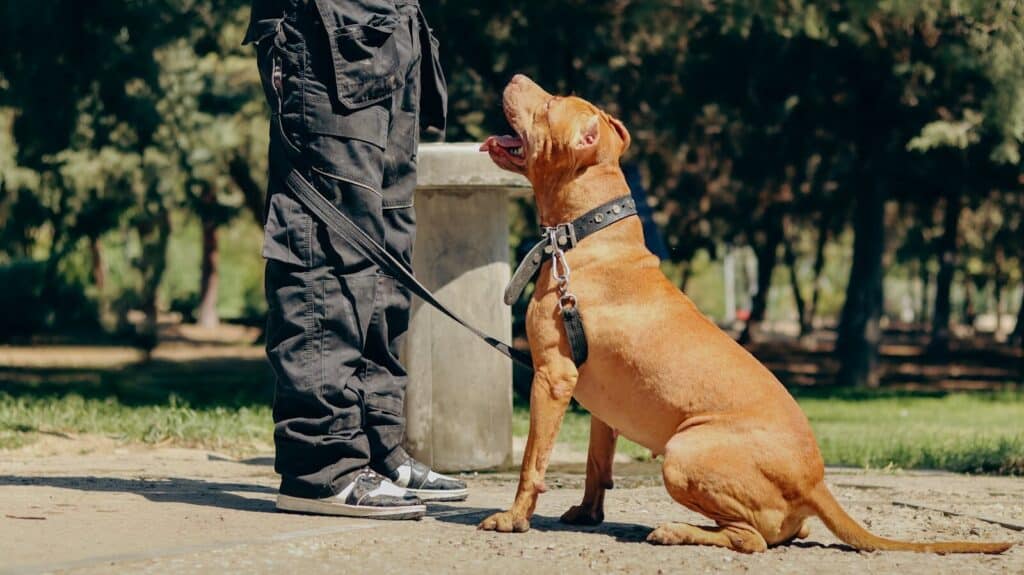
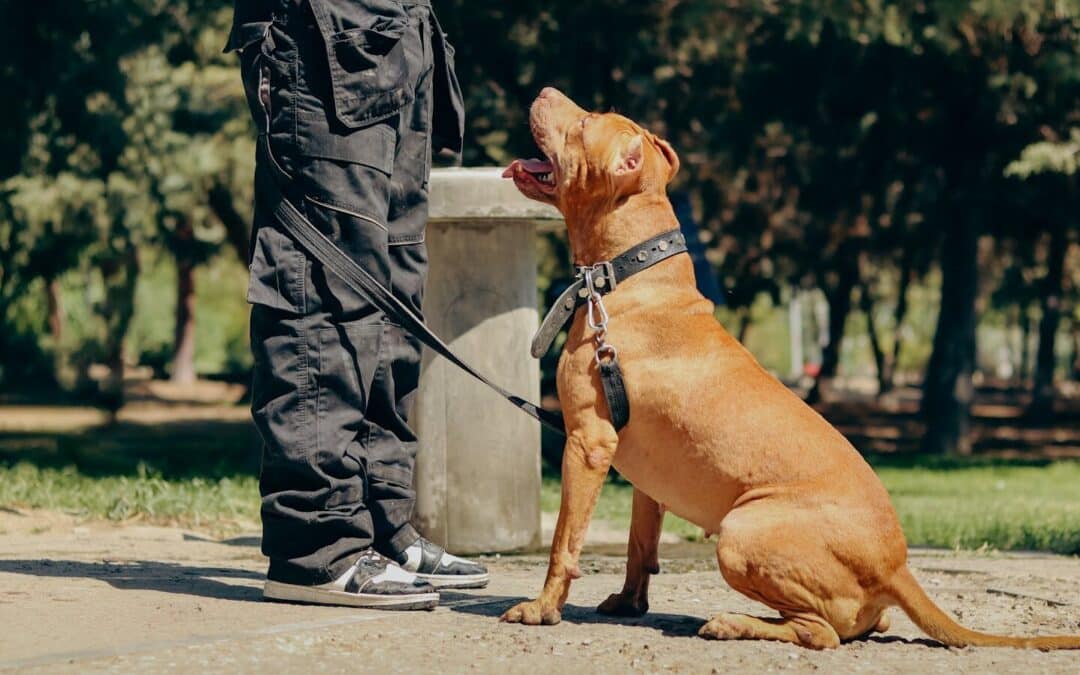
Photo by Mehdi Gholipour on Pexels
Why Urban Dogs Need Strong Basic Obedience Skills
If you lived on a farm in the middle of nowhere, your dog might get away with ignoring a recall command or pulling slightly on the leash. But here in Arlington? The stakes are higher.
City dogs face a level of constant stimulation that rural dogs simply don’t. Between the sirens, the delivery drivers, and the sheer density of apartment living, your dog is constantly processing information. When they don’t have clear guidance from you, they often make their own decisions—and usually, those decisions involve barking, lunging, or jumping.
The Apartment Factor
Living in a high-rise or garden apartment presents unique challenges. You don’t have a backyard to just open the door and let them run. Every potty break is a leash walk. Every exit involves shared spaces like hallways and lobbies, and no new tricks.
I often tell my clients that obedience training for dogs in the city is actually a safety measure. When a cyclist zooms past on the sidewalk, a solid “Heel” keeps your dog safe. When a maintenance worker opens your door unexpectedly, a “Place” command prevents an escape attempt.
According to the American Kennel Club, city dogs require specific socialization to handle the hustle and bustle of urban life without becoming reactive. Without this structure, frustration builds up for both the dog and the owner.
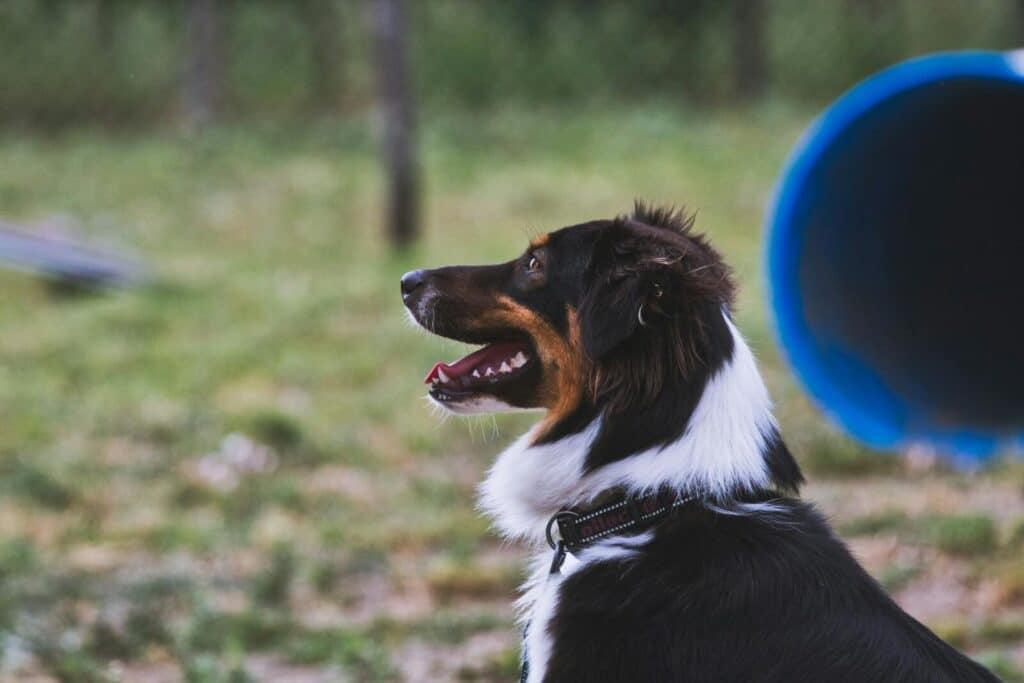
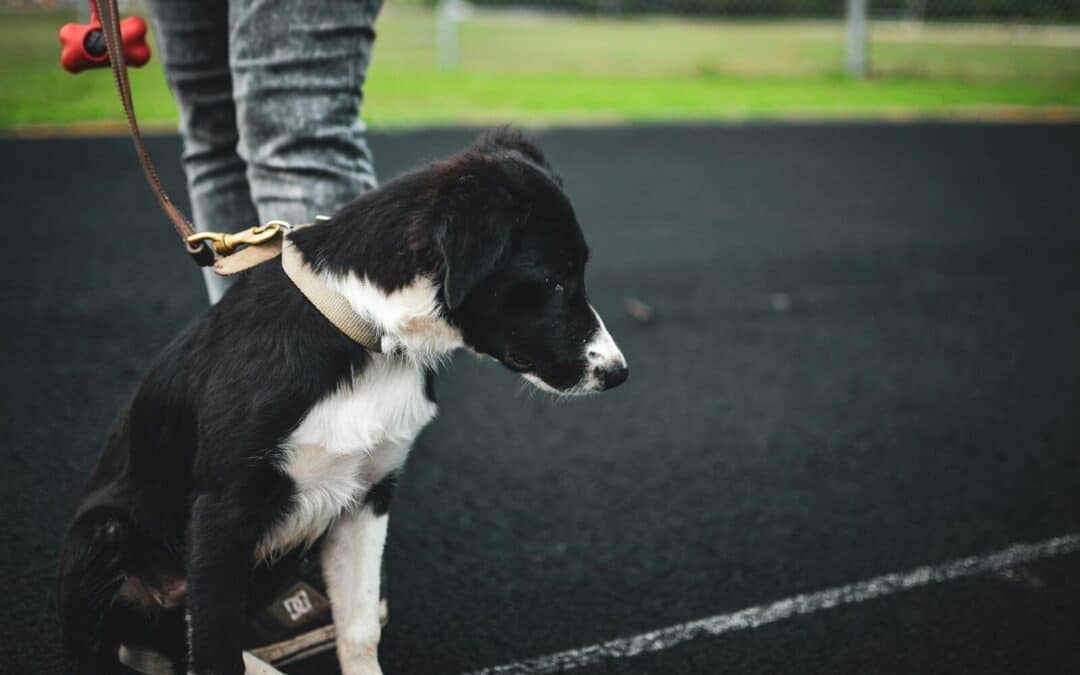
Photo by Alessandro Ceracchi on Pexels
Core Dog Obedience Training Skills for City Living
So, what does a “trained” dog look like in Arlington? It’s not about robotic precision; it’s about practical skills that work in the real world. To survive and thrive here, your dog needs to master basic commands.
The Essential Commands
Here are the skills we prioritize to make your life easier:
- Sit & Down: These are your “brakes.” They help your dog settle in a café or wait at a crosswalk.
- Stay: Essential for safety when you need to open doors or pick up after them.
- Come (Recall): Critical for off-leash areas like the Shirlington Dog Park.
- Heel (Loose-Leash Walking): No more dragging you down the street. Walking should be a partnership, not a tug-of-war.
- Place: This tells your dog to go to a specific spot (like a bed) and stay there until released. It is a lifesaver when guests arrive or the doorbell rings.
- Leave It: City sidewalks are full of tempting trash (and chicken bones). This command can literally save your dog’s life. The ASPCA outlines why this is one of the most critical safety cues a dog can learn.
The Golden Rules of Dog Training
Teaching these skills requires more than just knowing the word. It requires:
- Consistency: You can’t let them pull on the leash Monday and correct them on Tuesday.
- Timing: Marking the exact moment they do the right thing.
- Patience: Learning takes time.
- Real-World Practice: Training in your living room is great, but you must eventually practice outside where the distractions are.
For a deeper dive into how dogs learn, PetMD offers a great guide on operant conditioning and how consistent rewards shape behavior.
Common Urban Behavior Challenges
Most people call me because they have hit a breaking point. They love their dog, but they don’t love the behavior. In Arlington, some of the the most common signs and issues usually stem from a lack of clear boundaries.
Leash Pulling and Reactivity
This is the number one complaint. You want a nice evening stroll, but your dog is reacting to every other dog they see. This isn’t always aggression; often, it’s frustration or fear. Proper dog obedience training teaches your dog that you are the leader of the walk, and they can look to you for direction rather than reacting to the environment. Victoria Stilwell explains the psychology behind leash reactivity beautifully, emphasizing that tension on the leash often fuels the fire.
The Elevator & Hallway Gauntlet
Small spaces with strangers are scary for dogs. If your dog barks every time they hear a neighbor, they are stressed. We work on desensitizing them to these triggers and giving them a job to do (like “Sit” and “Watch Me”) instead of barking.
The Rescue Dog Adjustment
Arlington has a wonderful community of rescue adopters. However, bringing a rescue home to a busy apartment can be jarring. I always remind clients of the 3-3-3 Rule:
- 3 Days to decompress (they may hide or not eat).
- 3 Weeks to learn your routine.
- 3 Months to start feeling at home and building trust.
If you have just adopted, The Rescue Dog 3-3-3 Rule guide helps set realistic expectations for your new family member.
How Training Builds Confidence, Not Suppression
There is a misconception that dog training breaks a dog’s spirit. That couldn’t be further from the truth. In fact, training builds confidence.
Think about it this way: If you were dropped in a foreign country where you didn’t speak the language and didn’t know the cultural rules, you would be anxious. You might lash out or hide. But if someone stepped in, taught you the language, and showed you exactly what to do to be safe, you would relax.
Negative and Positive Reinforcement
By using positive reinforcement—rewarding the behaviors we like—combined with clear structure, we tell the dog, “Yes, do this,” and “No, not that.” The Humane Society details how positive reinforcement strengthens the bond between pet and owner because it builds trust rather than fear.
When a dog understands the rules, their anxiety drops. They don’t have to worry about protecting you from the delivery driver because they know you have it handled. They don’t have to pull on the leash because they know you are leading the way.
How I Help Arlington Dogs Succeed in Real-World Environments
At Ruff House, I take a different approach. I am a veteran-owned small business, not a franchise. I bring military discipline and structure to the table, but I pair it with empathy, humor, and a genuine love for dogs.
I know that obedience training for dogs isn’t one-size-fits-all. A terrified rescue needs a different approach than a stubborn bulldog puppy.
My Programs
- The 90-Minute Miracle: This is a focused, deep-dive session designed to jump-start behavior improvements immediately. We tackle specific issues like door dashing or leash pulling right then and there.
- 6-Week Obedience Training For Foundations and Fundamentals: This structured program solidifies the basic skills, basic cues and addresses common household chaos like chewing and potty training.
- Custom Plans: For unique behavioral issues, we build a plan just for you.
But the biggest differentiator? Unlimited post-session support. Most trainers say “good luck” and disappear after the session. I don’t. If you have a problem two weeks or two months later, you call me. We solve it.
If you are looking for more background on choosing a trainer, the Association of Professional Dog Trainers (APDT) offers excellent advice on what credentials and philosophies to look for.
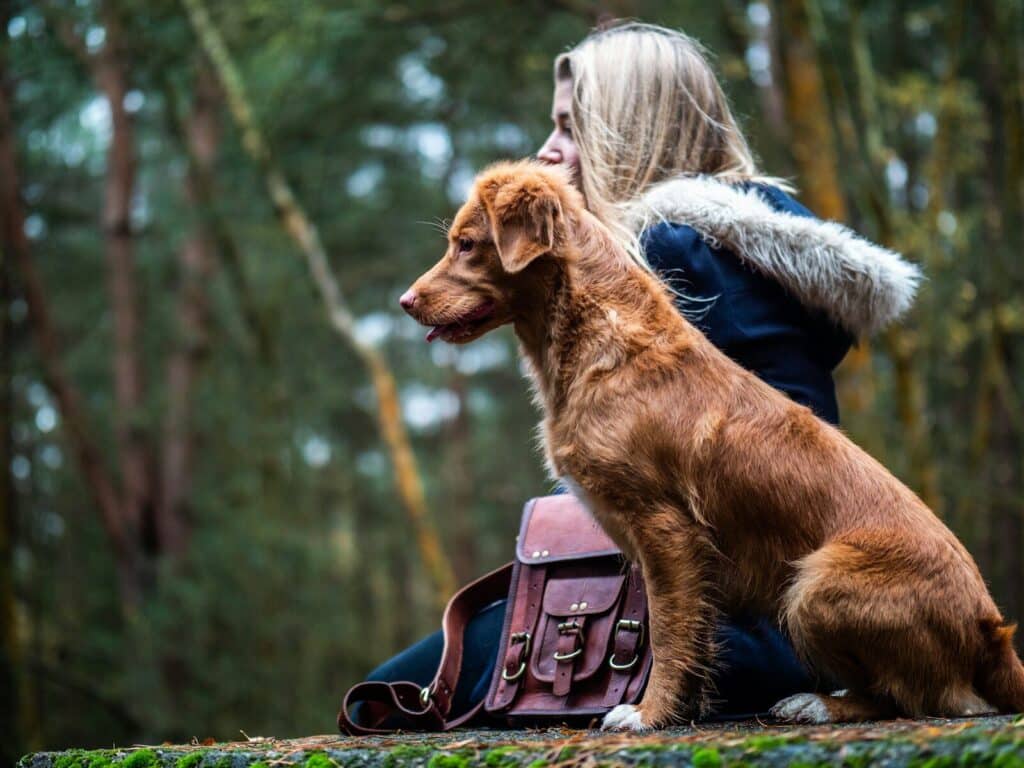
Photo by Jamie Street on Unsplash
Calm Dogs Make Happier Homes
Living in Arlington with a dog should be fun. You should be able to grab a coffee, hit the trails, or just relax in your apartment without constant stress.
Obedience training bridges the gap between the chaotic dog you have and the calm companion you want. It takes work, consistency, and a sense of humor, but the payoff is a dog that you can take anywhere.
Don’t let bad behavior rule your life. End the chaos and start enjoying your dog again by training them good behavior.