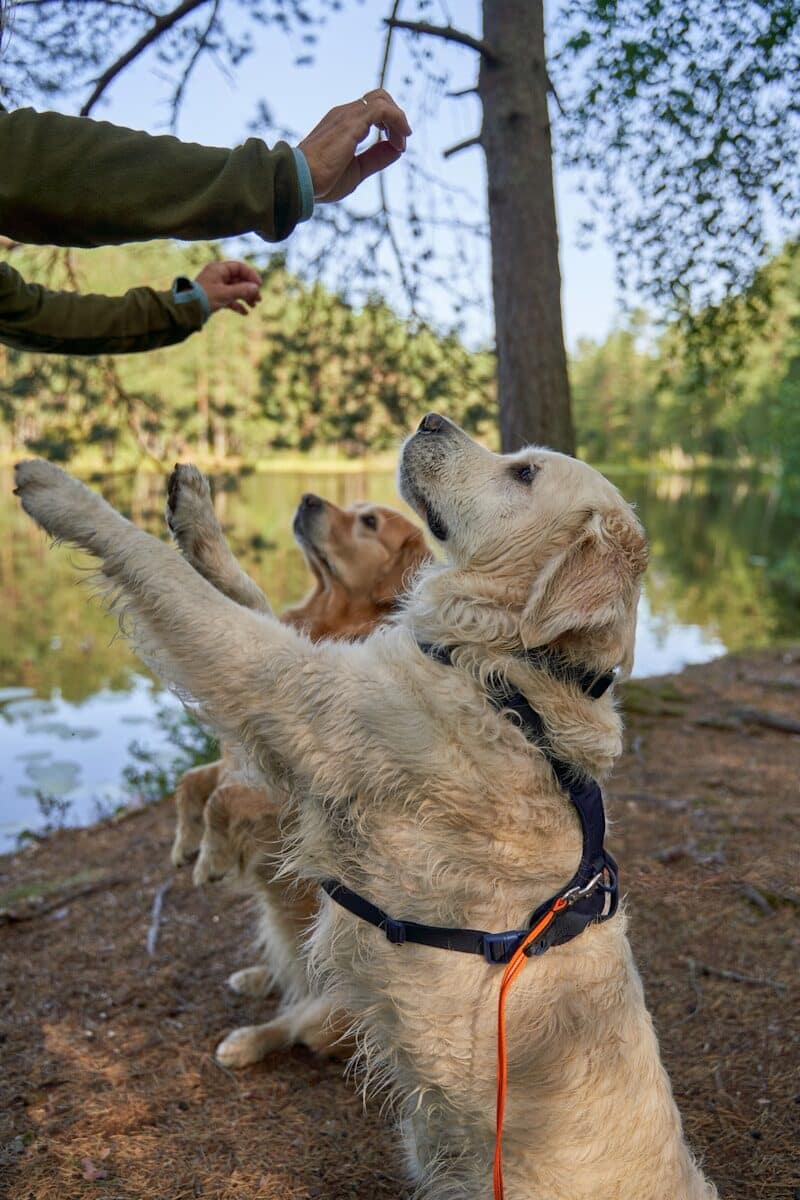
One of the most powerful tools in dog training is something most dog owners already have in their kitchen or treat jar: dog treats for training.
Treats are not just snacks for your dog. When used correctly, they become a powerful training tool that helps reinforce good behavior and speed up the learning process.
Many dogs are naturally food motivated, which makes dog training treats incredibly effective during training sessions. When a dog performs a behavior and immediately receives a reward, they quickly learn to repeat that behavior.
This is the foundation of positive reinforcement training, a method widely used by trainers because it encourages dogs to learn willingly and enthusiastically.
Get the Ruff to Ready framework and start making progress with your dog today.
"*" indicates required fields
But not all treats are equal, and how you use them matters just as much as which treats you choose.
Understanding which dog treats for training work best and how to deliver them at the right moment can make a huge difference in your dog’s progress.

Why Dog Treats for Training Work So Well
Dogs learn through association.
When a dog performs a behavior and receives a reward immediately afterward, they begin to connect that behavior with a positive outcome.
This is why dog training treats are so effective.
For example, when you ask your dog to sit and immediately reward them with a small treat, the dog begins to understand that sitting leads to something good.
Over time, the dog begins offering the behavior more consistently.
Many trainers rely on treats because most dogs are highly motivated by food. Even a dog that seems uninterested in toys or praise often responds enthusiastically to the right treat.
This makes treats one of the easiest ways to keep dogs engaged and focused during training sessions.
What Makes a Good Dog Training Treat
Choosing the right dog treats for training is important.
During training, dogs may receive dozens of rewards in a short period of time, so treats should be small, easy to chew, and appealing to the dog.
Several factors determine whether a treat will work well during dog training.
Size Matters
The best dog training treats are very small pieces that your dog can eat quickly.
If a treat takes too long to chew, the training session slows down and the dog loses focus.
Many trainers prefer soft treats that can be broken into small pieces.
This allows you to reward frequently without overfeeding your dog.
Flavor and Motivation
Dogs respond differently to different flavors.
Some dogs love chicken, while others prefer beef, turkey, or even peanut butter flavored treats.
High-quality dog treats often contain natural ingredients and come in various flavors to keep dogs interested.
If your dog seems bored with their current treats, switching to a different flavor can make training exciting again.
Healthy and Low-Calorie Options
Because dogs may eat many treats during training, choosing healthy dog training treats is important.
Look for treats that are low-calorie, made with simple ingredients, and easy to digest.
Many trainers recommend treats made with real meat, such as chicken jerky, freeze-dried liver, or dried liver, because they provide strong motivation without requiring large portions.
Favorite Dog Treats Trainers Often Use
There are many treat options available today, and different dogs prefer different treats.
Some popular dog training treats used by trainers include:
- freeze-dried treats made from single protein sources
- freeze-dried liver or dried liver
- soft training treats like Zuke’s Mini Naturals
- meat-based rolls like Happy Howie’s
- small pieces of boiled chicken
- chopped hot dogs
- small cubes of cheese
Many trainers also use dog food rolls because they can be cut into very small pieces and stored easily.
Brands like Pupford treats are also popular because they are low-calorie and designed specifically for training.
The goal is to find the favorite dog treats that motivate your dog the most.
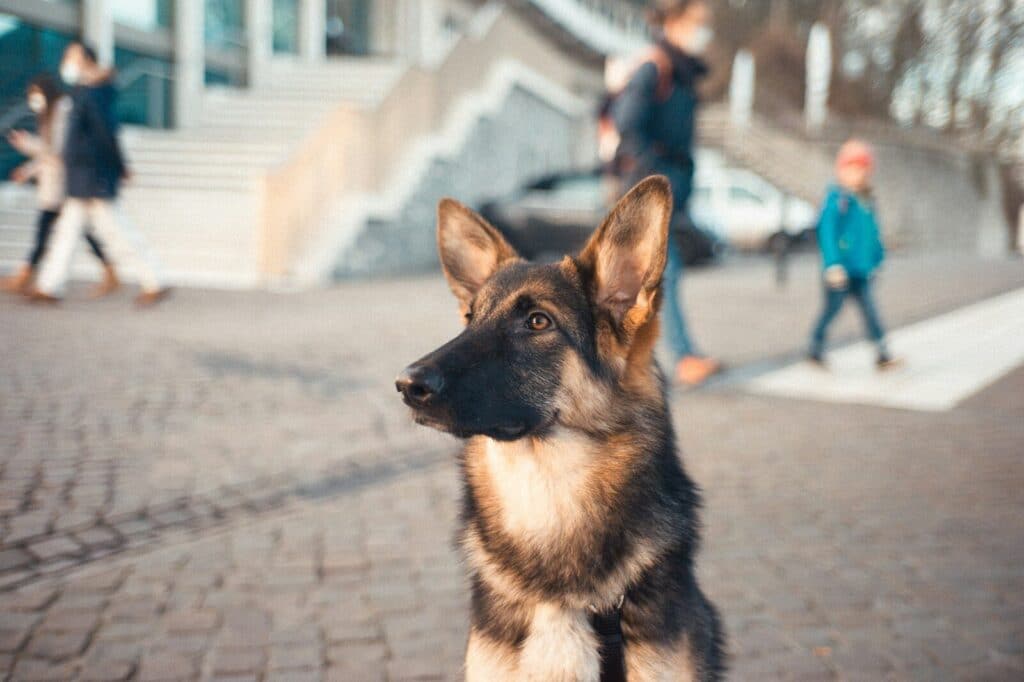
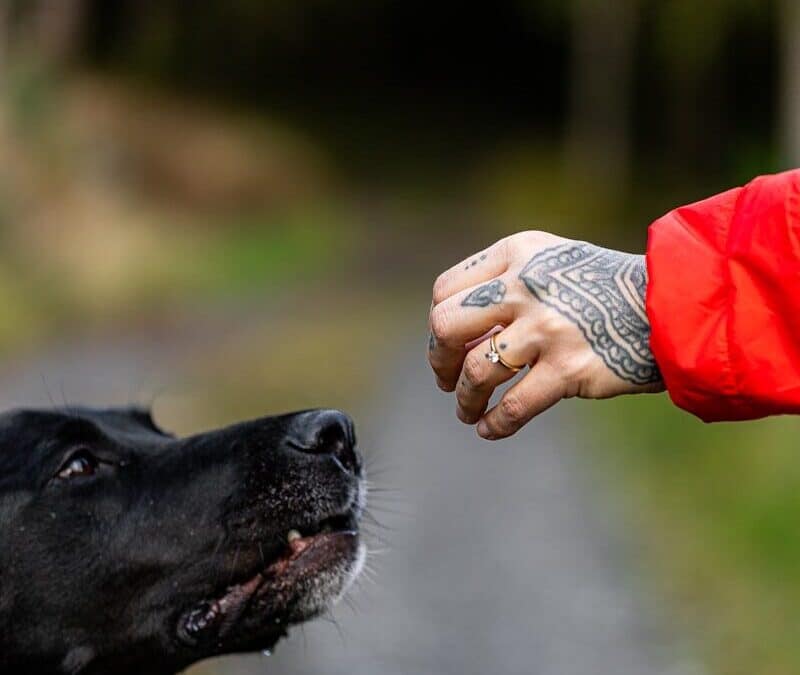
Photo by John Tuesday on Unsplash
Understanding High Value Treats
Some situations require more exciting rewards.
These are often called high-value treats or very high-value rewards.
High-value treats are typically used when:
- teaching new behaviors
- training around distractions
- working with a puppy
- reinforcing difficult commands
Examples of high-value rewards include:
- boiled chicken
- freeze-dried liver
- chicken jerky
- pieces of beef or turkey
These treats are especially helpful when training in challenging environments where other distractions compete for the dog’s attention.
7 Popular Dog Treats for Training
- Zuke’s Mini Naturals: These small, soft treats are perfect for training sessions. They come in a variety of flavors like chicken, peanut butter, and salmon, and are low in calories.
- Blue Buffalo Blue Bits: Made with real meat as the first ingredient, these soft-moist training treats are packed with flavor and nutrients.
- Wellness Soft Puppy Bites: Ideal for puppies, these treats are grain-free and made with wholesome ingredients like lamb and salmon.
- Rachael Ray Nutrish Soup Bones Minis: These chewy treats are great for training and come in flavors like beef and chicken.
- Natural Balance Mini Rewards: These low-calorie treats are made with high-quality proteins and are perfect for rewarding good behavior.
- Old Mother Hubbard Classic Biscuits: Crunchy and available in mini sizes, these treats are a classic choice for training.
- Cloud Star Tricky Trainers: Soft and chewy, these treats are specifically designed for training and come in flavors like liver and cheddar.
How to Use Dog Training Treats Effectively
Even the best treats will not work if they are delivered at the wrong time.
Timing is one of the most important aspects of using dog treats for training.
The reward should appear immediately after the dog performs the correct behavior.
For example:
- You ask your dog to sit
- The dog sits
- You immediately reward with a treat
This quick sequence helps the dog understand exactly what behavior earned the reward.
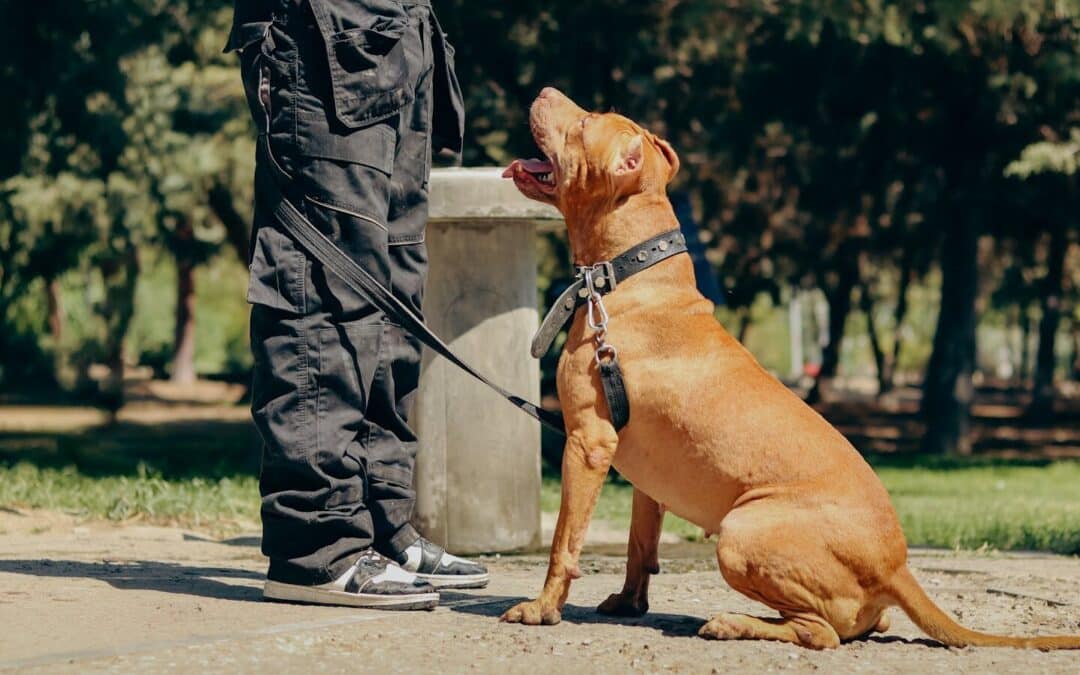
Many trainers recommend carrying treats in a treat pouch during training sessions so the reward can be delivered instantly.
A pouch makes it easy to carry treats during walks or outdoor training sessions.
Over time, treats can be combined with verbal praise, toys, or other rewards so the dog remains motivated without relying solely on food.
Using Kibble and Regular Food During Training
Not every reward has to be a special treat.
Sometimes a dog’s regular kibble or portions of their regular food can be used during training.
This works well for dogs that are highly food motivated.
Some owners even reserve part of their dog’s daily meals for training time instead of feeding from a bowl.
This approach can be helpful for adult dogs that already receive enough calories throughout the day.
However, when training in challenging environments or teaching new skills, higher value treats often produce better results.
Common Mistakes Dog Owners Make With Training Treats
While treats are extremely effective, there are a few common mistakes that can slow progress.
One mistake is using larger treats that take too long to chew. This interrupts the training rhythm and reduces engagement.
Another mistake is forgetting to reward at the right moment.
If the reward appears too late, the dog may associate the treat with a different behavior.
Some dog owners also stop using treats too quickly.
Treats should gradually fade over time, but early training requires frequent rewards to build strong habits.
Finally, it’s important to remember that treats are only one part of training.
They should always be combined with clear communication, repetition, and consistency.

RuffHDT Official Logo
The Real Goal of Dog Training Treats
Treats are not meant to be permanent bribes.
They are teaching tools.
Over time, the dog begins to respond to commands because they understand the behavior itself, not just because they expect a treat.
Eventually, treats become occasional rewards instead of constant ones.
At that point, verbal praise, toys, play, and attention often become just as rewarding.
Start Training With the Right Motivation
If you’re working with a puppy, teaching basic commands, or trying to improve your dog’s focus during training sessions, choosing the right dog treats for training can make the process faster and more enjoyable.
At Ruff House Dog Training, we help dog owners throughout Washington, D.C., Maryland, and Virginia build practical training systems that work in everyday life.
From selecting the best treats to building reliable behavior, our programs are designed to help dogs and their families succeed together.
Book your training session today.
Transform stress into success with your dog. End the barking, chewing, and chaos.
Because your dog won’t train himself.