When people start looking for dog training supplies, they often end up overwhelmed by the sheer number of products, tools, and accessories available. Walk into almost any pet store in the USA or browse online, and you’ll find entire categories of dog training equipment, collars, harnesses, treat pouches, clickers, leashes, and other tools promising quick results.
Many dog owners fill their cart with multiple items, hoping one of them will magically solve their dog’s behavior problems.
But here’s the reality most professional dog trainers will tell you.
You don’t need dozens of tools to train a dog successfully.

Get the Ruff to Ready framework and start making progress with your dog today.
"*" indicates required fields
At Ruff House Dog Training, we focus on practical dog training solutions that work in real life. The right training supplies can support your training process, but tools alone won’t change your dog’s behavior. Consistency, communication, and repetition are what truly build better habits.
The good news is that only a few essential pieces of training equipment are needed to start seeing real progress.
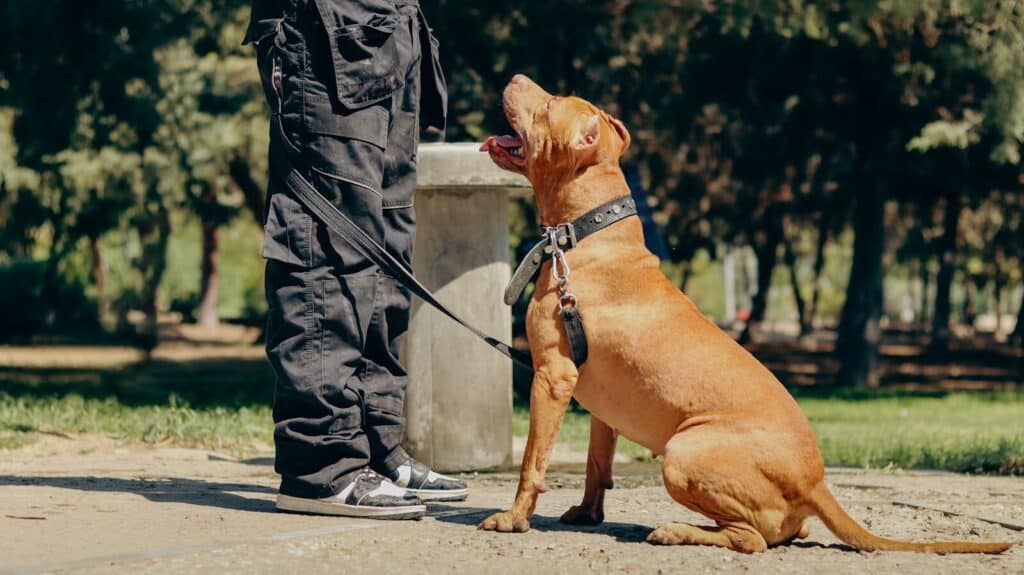
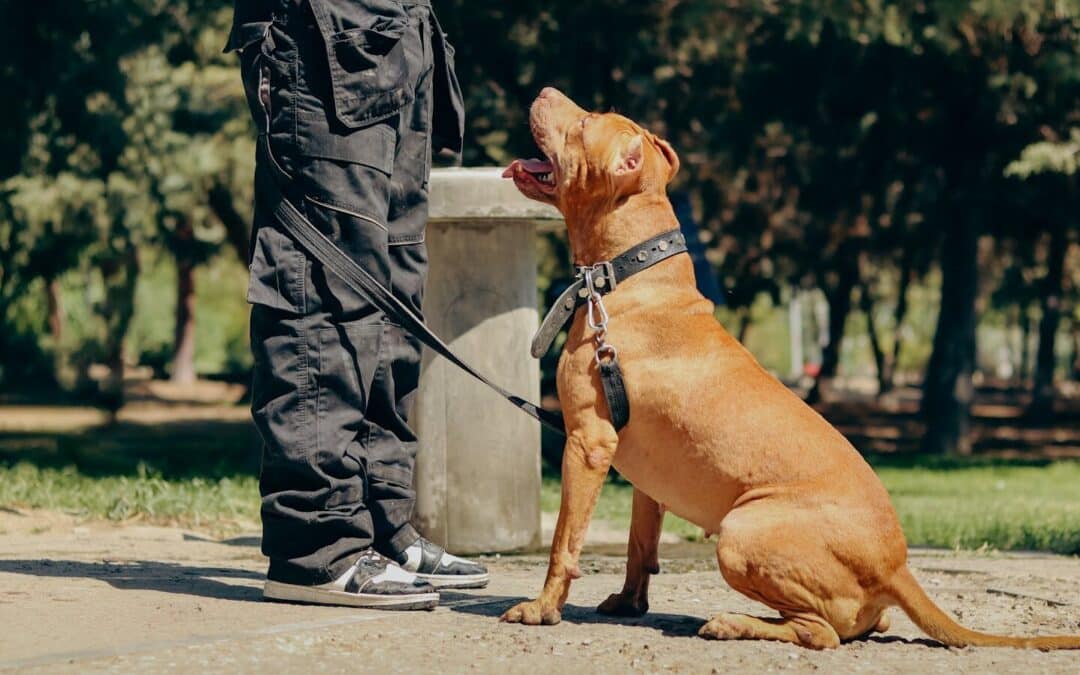
Photo by Mehdi Gholipour on Pexels
Why Dog Training Supplies Matter
The purpose of dog training supplies is not to do the work for you. Instead, the right tools help make dog training clearer and more consistent for both the dog and the owner.
Dogs learn through patterns. When a dog performs a behavior and immediately receives rewards, they begin to understand which actions lead to positive outcomes.
This is the foundation of positive reinforcement, one of the most effective approaches used by professional dog trainers.
Having the right dog training equipment helps create those learning opportunities.
For example:
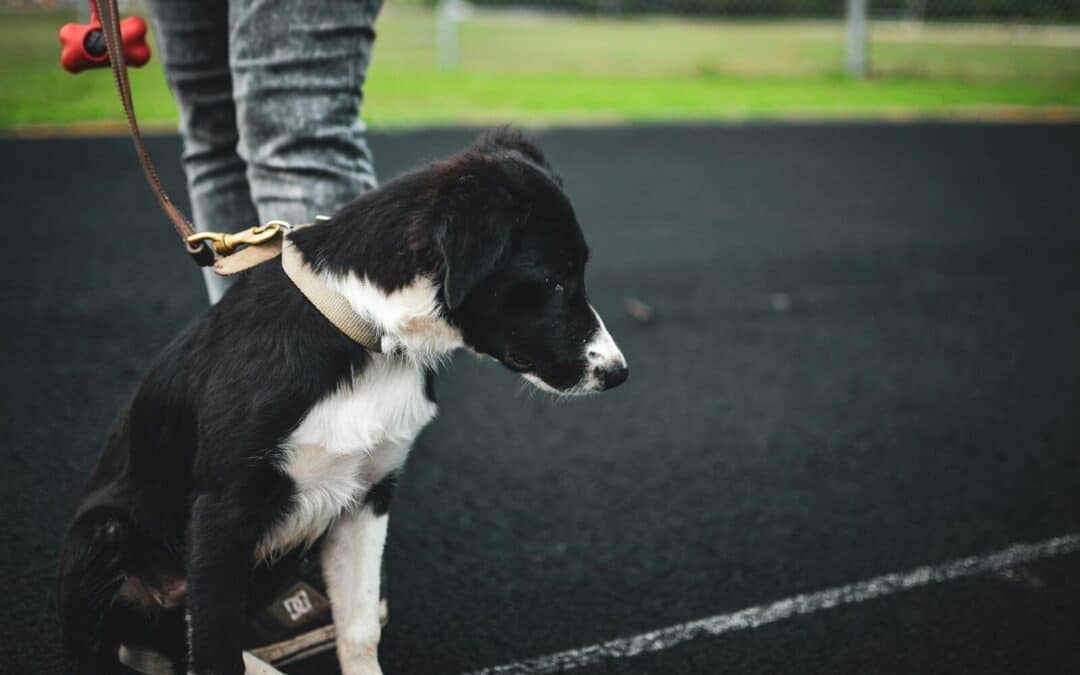
- A leash helps maintain control and safety during walks
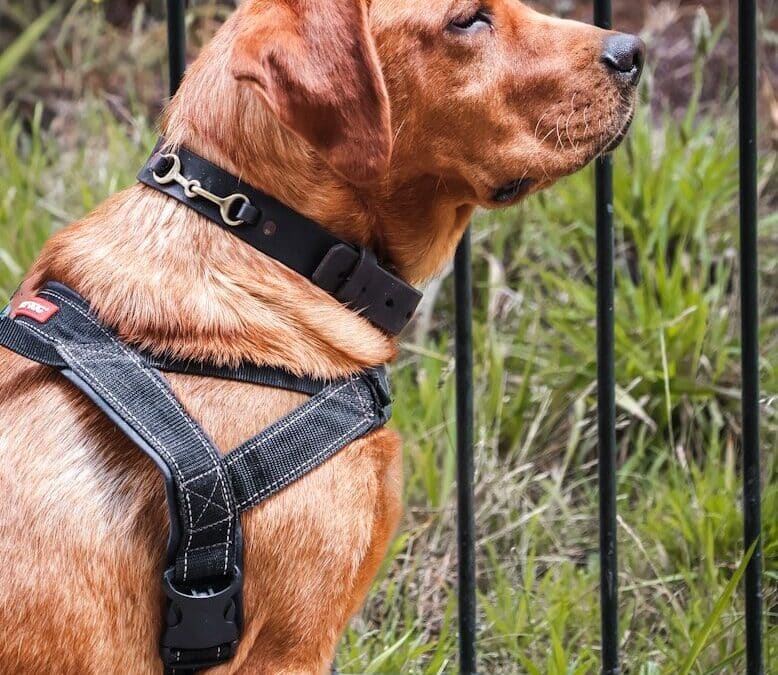
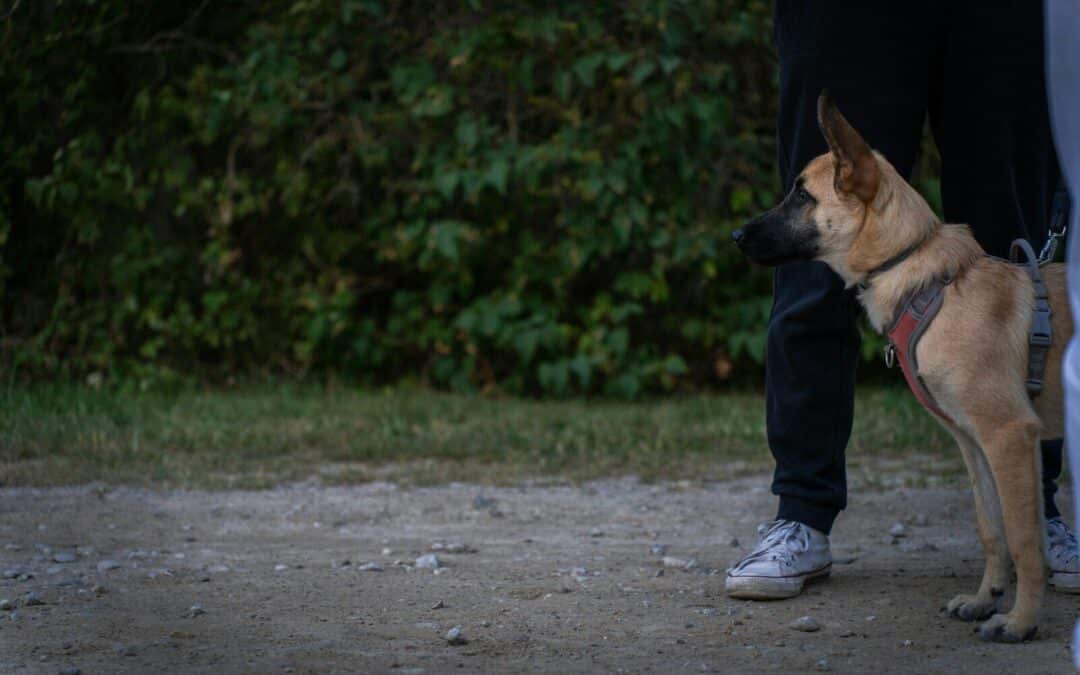
- Harnesses reduce pulling and protect the dog’s neck
- Treat pouches make it easier to deliver rewards quickly
- Training tools help guide dogs while practicing basic commands
The key is using training supplies to support training, not replace it.
Even the most advanced tools cannot replace patience, structure, and consistent guidance.
Essential Dog Training Supplies Every Owner Should Have
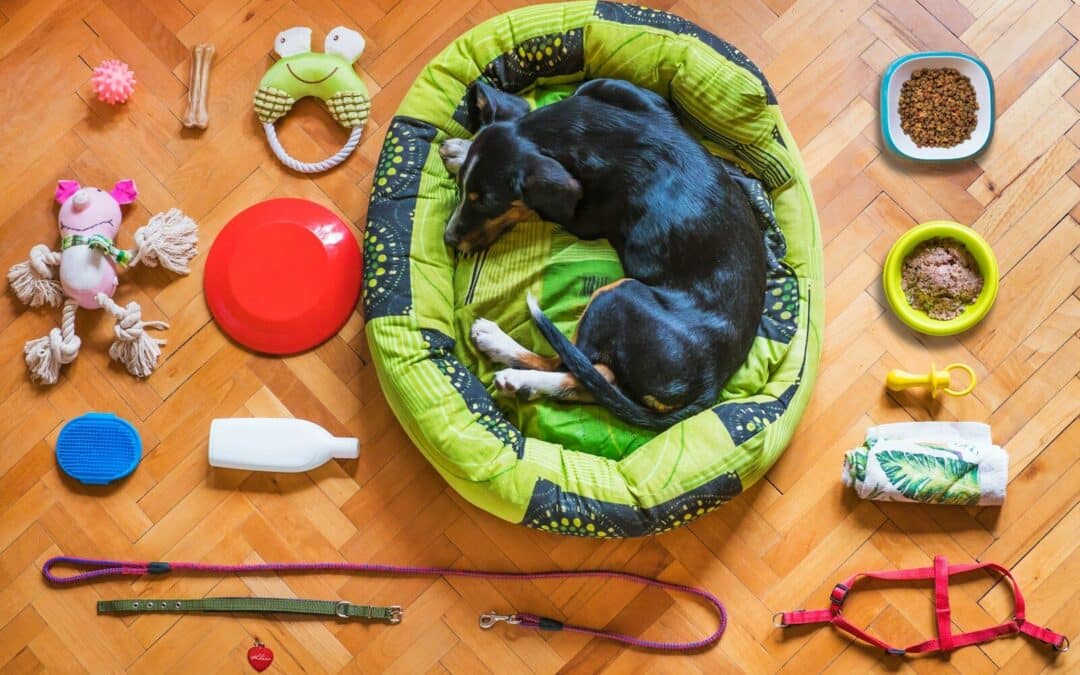
While there are hundreds of dog training supplies available today, most professional dog trainers rely on a small group of reliable tools that support everyday training.
These foundational pieces of dog training equipment help owners build structure and teach dogs the skills they need to succeed.
A Durable Leash for Control and Safety
A leash is one of the most important pieces of training equipment a dog owner can have.
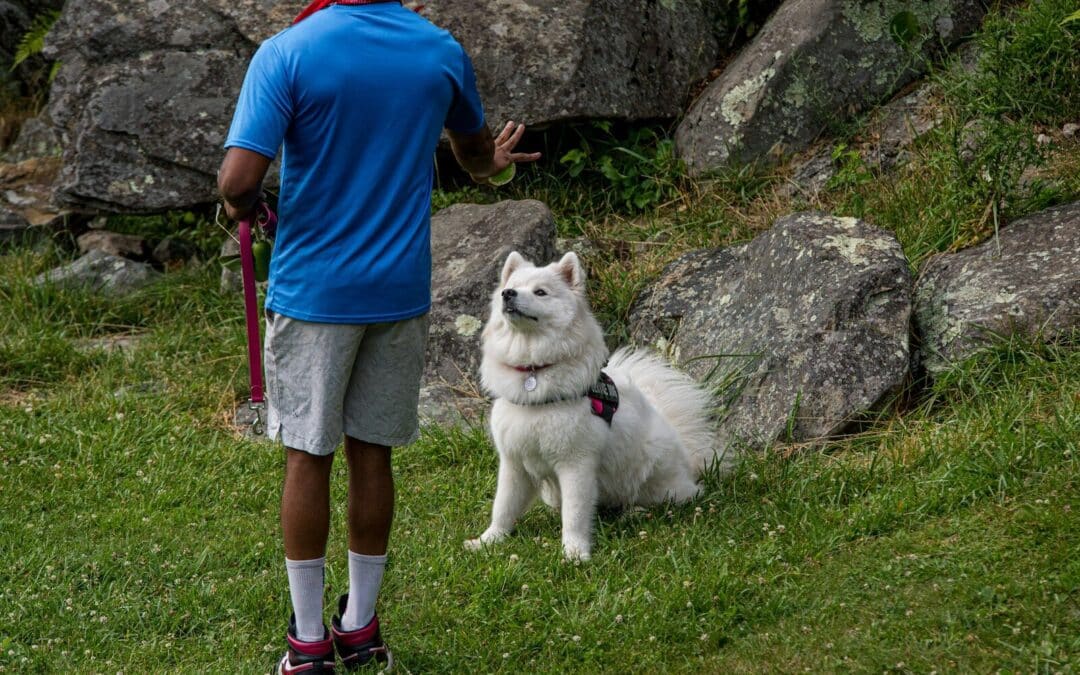
A standard six-foot leash provides the right balance of freedom and control. It allows your dog to move comfortably while keeping them safe during training sessions.
Leashes are used during dog training to guide the dog, reinforce commands, and help maintain focus during distractions.
When choosing a leash, look for a durable option designed for everyday use. Quality materials ensure the leash remains reliable over years of training and daily walks.
Properly Fitted Collars or Harnesses
Choosing between collars and harnesses is one of the most common questions among dog owners.
Both can be useful pieces of dog training equipment, depending on the dog and the situation.
Harnesses are often recommended for dogs that pull because they provide more physical control and improve safety during walks.
Collars can be useful for identification and certain training situations when used properly.
The most important thing is finding equipment that fits the dog comfortably and keeps the dog safe during training and everyday life.
Treats and Rewards for Positive Reinforcement
Rewards play a critical role in positive reinforcement training.
Dogs repeat behaviors that lead to positive outcomes, which means timely rewards are essential when teaching basic commands like sit, stay, and come.
Rewards may include:
Keeping rewards nearby during training ensures the dog receives reinforcement at the right moment.
This helps dogs quickly learn which behaviors are correct.
Treat Pouches and Training Accessories
Many professional dog trainers recommend using treat pouches as part of their training supplies.
A pouch allows owners to carry treats easily so they are always ready during training sessions. This reduces delays when delivering rewards and improves timing.
Other helpful accessories may include:
- clickers
- long training leads
- portable water bowls
- toy rewards
These tools are not required for every training program, but they can support the training process in certain situations.
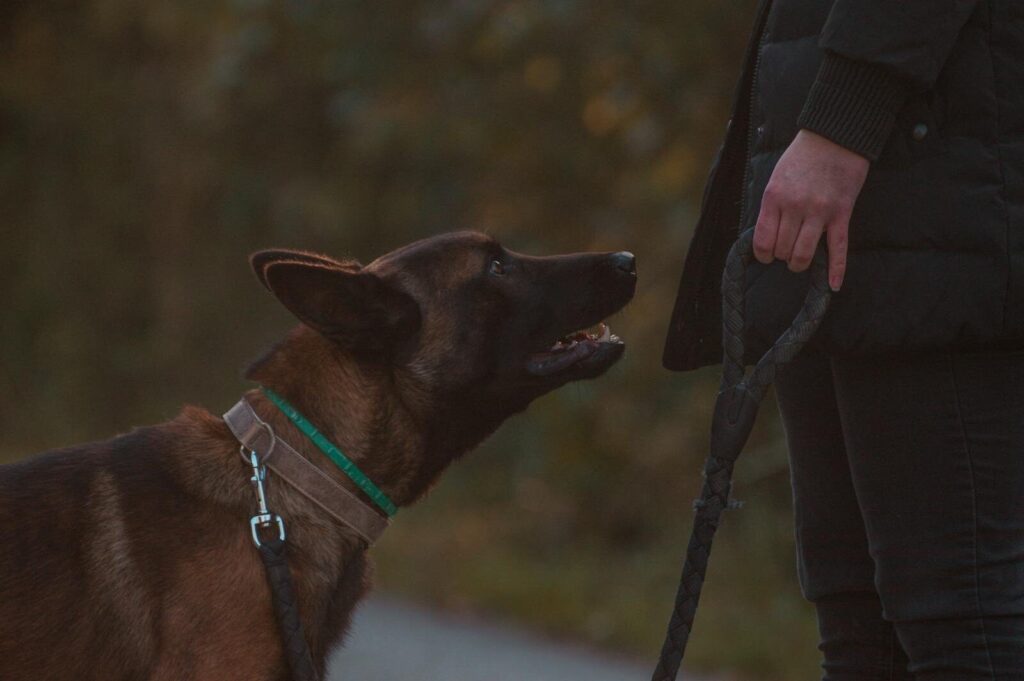
Photo by Anton Kudryashov on Pexels
Dog Training Equipment That Often Gets Misused
Not all dog training equipment is bad, but some tools are frequently misunderstood or used incorrectly by well-meaning dog owners.
Understanding how these tools work helps prevent frustration for both the dog and the owner.
Using Too Many Training Supplies at Once
Many owners purchase several tools at the same time, hoping one will solve their dog’s behavior issues.
Unfortunately, using too many pieces of training equipment at once can overwhelm the dog.
Dogs learn best when communication is clear and simple.
Professional trainers often introduce tools gradually so the dog can understand each cue before moving to the next step.
Expecting Equipment to Fix Behavior
Some customers purchase dog training supplies expecting the equipment to stop unwanted behaviors immediately.
For example, an owner might buy a new harness hoping it will instantly stop leash pulling.
While the equipment may help, true behavior change still requires training and repetition.
Tools support training, but they do not replace the process.
Ignoring Fit and Safety
Another common issue is using equipment that doesn’t fit correctly.
Poorly fitted collars or harnesses can cause discomfort or reduce control during training.
Always check that equipment is secure, comfortable, and appropriate for your dog’s size and strength.
When in doubt, seek advice from professional dog trainers who can recommend specific tools suited to your dog’s needs.
How Professional Dog Trainers Use Training Supplies Effectively
Experienced trainers approach dog training supplies very differently from most first-time owners.
Rather than relying on equipment alone, trainers focus on combining tools with timing, structure, and consistency.
For example, during a dog training session, a trainer might guide the dog into position using the leash while immediately delivering rewards when the dog performs the correct behavior.
This creates a clear pattern:
command → behavior → reward
Over time, the dog begins to recognize the pattern and respond more reliably.
Professional trainers also adjust the training equipment based on the dog’s progress.
Some dogs need additional structure early in training, while others quickly move toward minimal equipment as their skills improve.
The ultimate goal is teaching the dog to respond consistently without relying heavily on tools.
The Most Important Training Supply You Already Have
Among all the dog training supplies available, the most powerful tool isn’t something you buy in a store.
It’s consistency.
Dogs thrive when expectations remain predictable. When dog owners consistently reinforce good behavior and practice basic commands, dogs develop habits that carry into everyday life.
Consistency builds trust and reduces confusion.
It also helps owners stop worrying about their dog’s behavior because they know their dog understands what is expected.
Over time, this creates calmer dogs, happier households, and stronger relationships between dogs and their families.
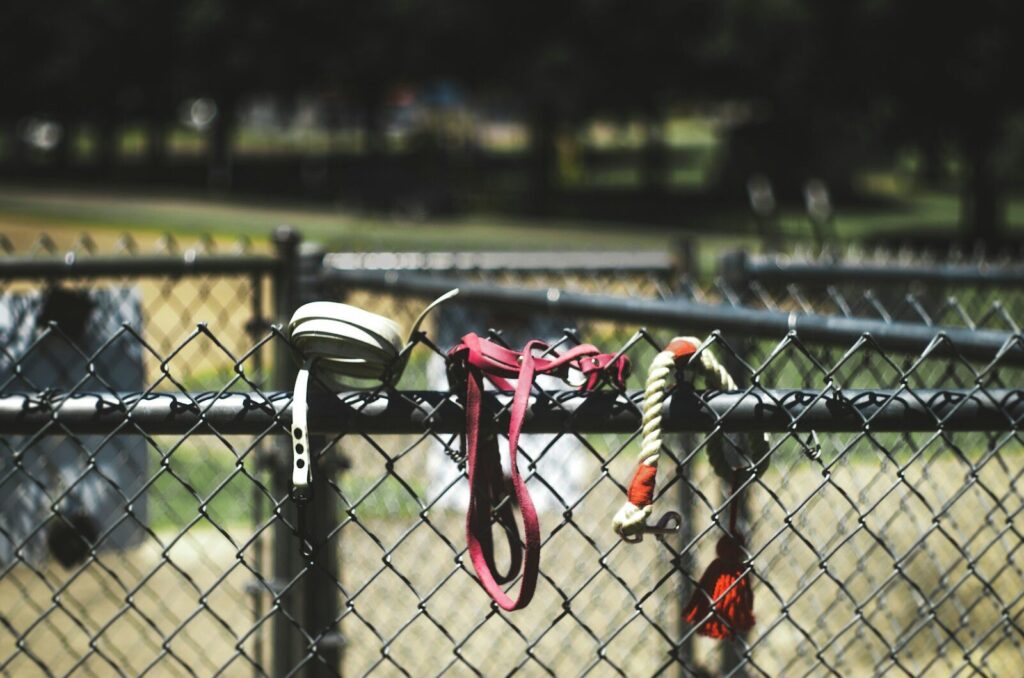
Start Building Better Habits With the Right Training Support
If you’re feeling overwhelmed by the number of dog training supplies available today, remember this.
You don’t need every product on the market to successfully train your dog.
A few reliable tools, combined with patience and structured dog training, can make a great difference.
At Ruff House Dog Training, we help dog owners throughout Washington, D.C., Maryland, and Virginia build practical systems that work in everyday life.
Whether you’re working with a puppy, addressing challenging behaviors, or simply trying to strengthen communication with your dog, the right approach can make all the difference.
Book your training session today.
Claim your spot, transform stress into success with your dog, and start building better habits that last. Because your dog won’t train himself.