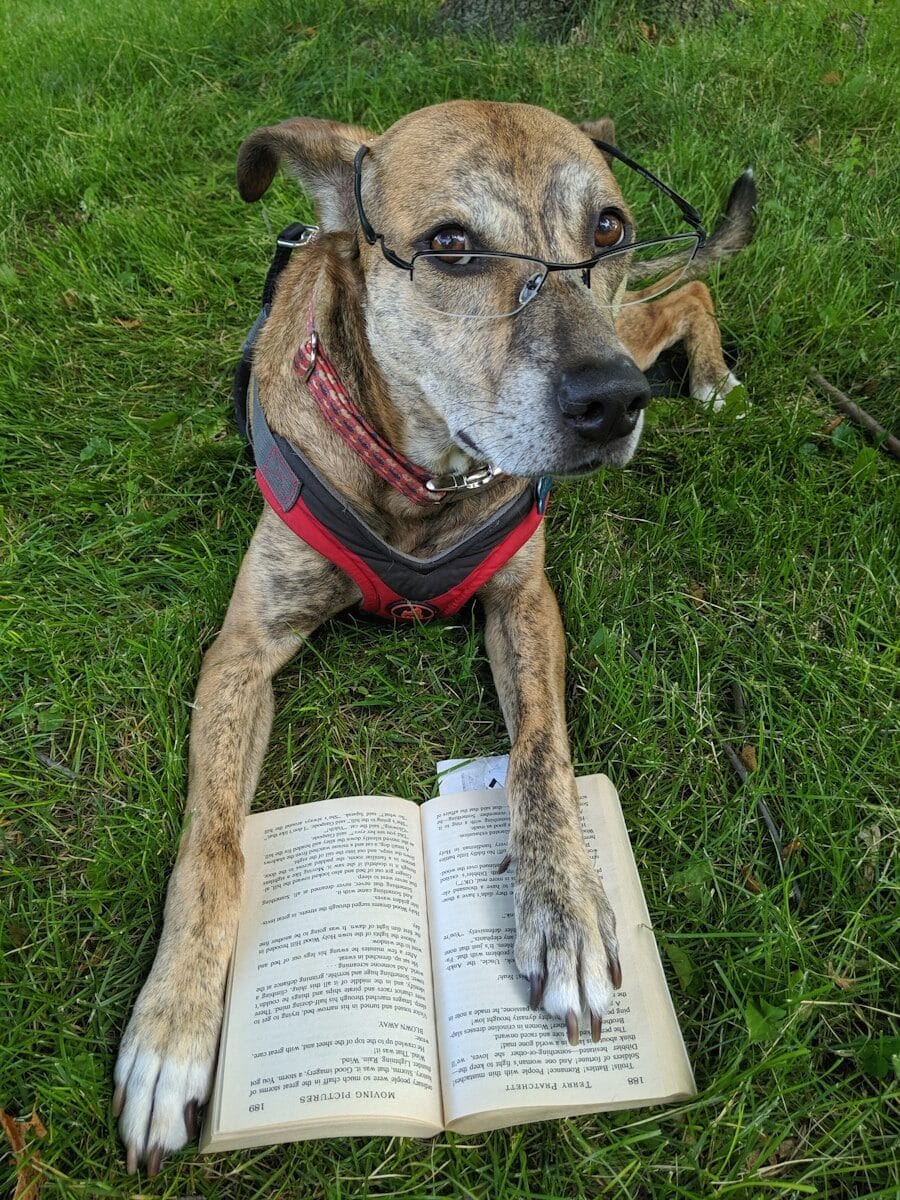
Walk into any bookstore or search online, and you’ll quickly find hundreds of dog training books promising to help you understand your dog, teach obedience, and solve behavior problems.
For many dog owners, these books are the first step into the world of dog training. They offer valuable insight into animal behavior, training techniques, and how dogs learn.
And to be clear, many dog books are excellent resources.
Great trainers and behavior experts have spent decades studying dogs and sharing what they’ve learned through books. These resources introduce foundational ideas like positive reinforcement, operant conditioning, and understanding dog body language.
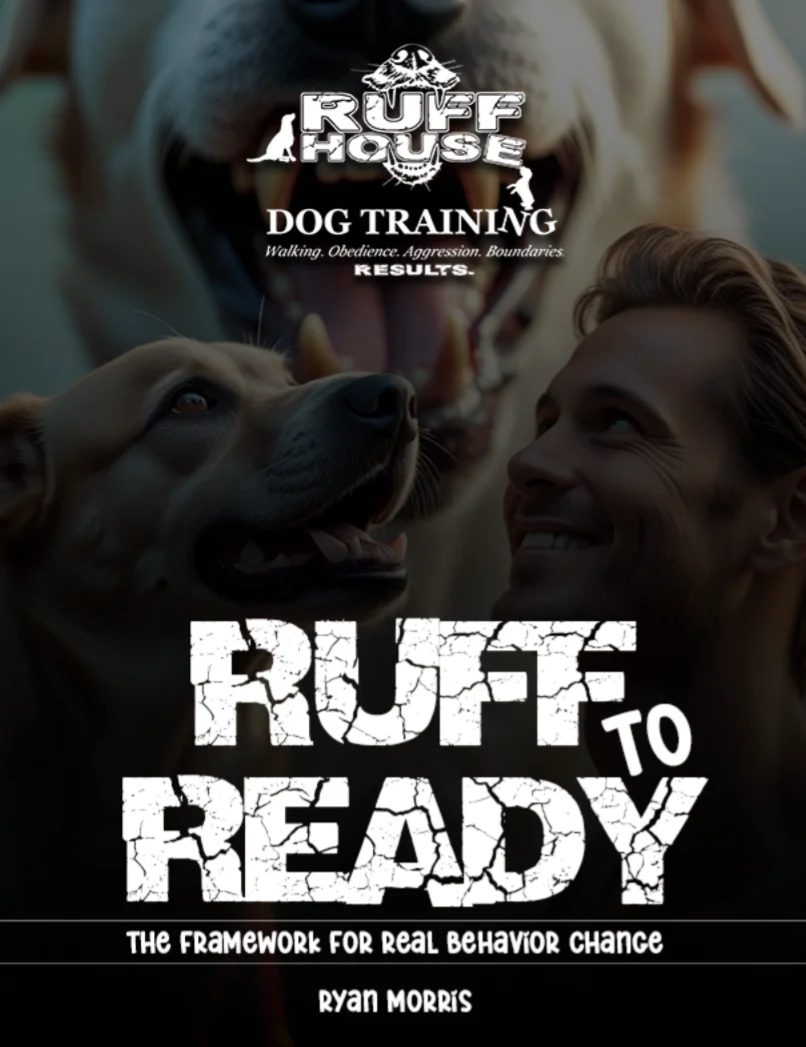
Get the Ruff to Ready framework and start making progress with your dog today.
"*" indicates required fields
But while dog training books can provide valuable knowledge, they are only one part of the training journey.
Real training happens in everyday life with real dogs, real distractions, and real behavior challenges.
Let’s take a closer look at what books can teach you, where they fall short, and how they can still play a helpful role in your overall training plan.

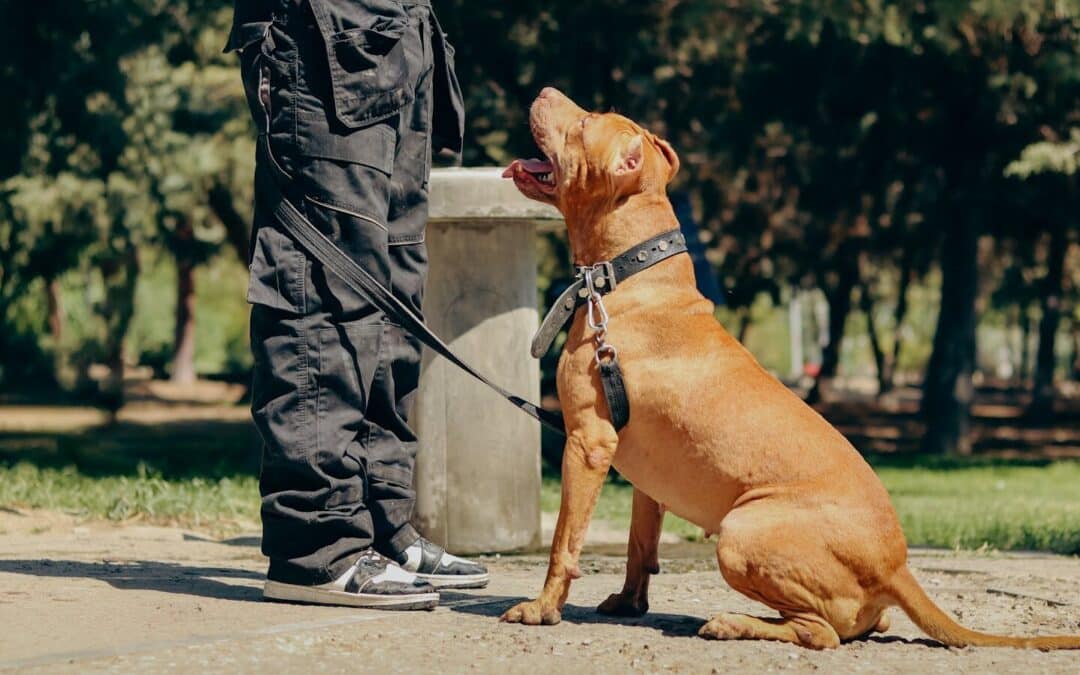
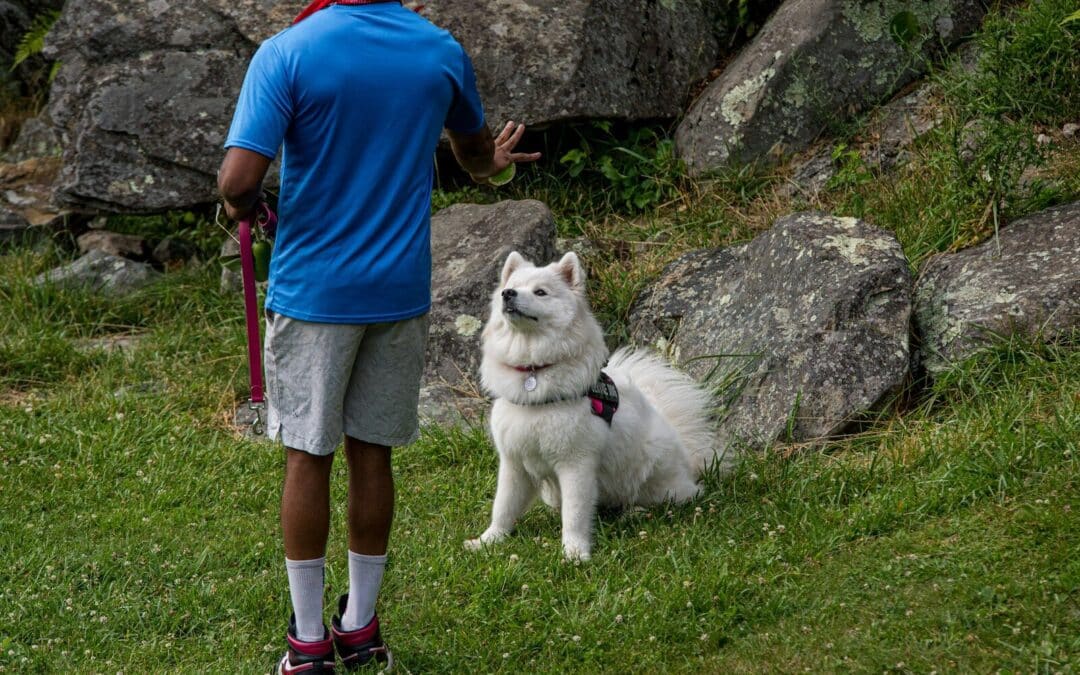
Photo by Jonas Leupe on Unsplash
What Dog Training Books Are Good For
The biggest strength of dog training books is education.
They give dog owners a deeper understanding of how dogs think, learn, and respond to training.
Many of the best dog training books explain important concepts like:
- positive reinforcement training
- learning theory
- reading dog body language
- understanding motivation and reward systems
- recognizing common behavior patterns
When owners understand these concepts, training becomes more effective and less frustrating.
For example, a great book may explain why dogs respond better to rewards and clear communication than punishment. That insight alone can dramatically change how someone approaches dog training.
Books also help introduce owners to the science behind animal behavior. Understanding why dogs behave the way they do allows owners to respond more calmly and thoughtfully during training.
Many respected authors have contributed to this field.
Names like Karen Pryor, Patricia McConnell, and Ian Dunbar are widely respected among trainers because their work explains dog behavior and communication in ways that everyday owners can understand.
Their books often include practical exercises, real-life examples, and training strategies based on modern positive reinforcement methods.
One well-known title frequently recommended by trainers is Culture Clash, which explores how human expectations often conflict with natural canine instincts.
Books like this help owners see the world from their dog’s perspective.
Best Dog Training Books Trainers Often Recommend
There are thousands of dog training books available today, but a few authors consistently stand out in the dog training world.
Many professional dog trainers recommend starting with books written by respected trainers and behaviorists who focus on science-based training.
Some commonly recommended dog books include works by:
- Karen Pryor, known for pioneering clicker training
- Patricia McConnell, who focuses heavily on communication and behavior
- Ian Dunbar, who specializes in early puppy training and socialization
- authors exploring canine instincts and behavior in books like Culture Clash
These books focus heavily on:
- understanding animal behavior
- building communication between humans and dogs
- teaching basic commands
- strengthening the human-dog relationship
Many also include training exercises and practical tips that owners can practice at home.
For people raising a puppy, these books can be particularly helpful. They often explain how early socialization, routines, and structure shape a dog’s behavior throughout its life.
Reading a few of the best dog training books can give owners a strong knowledge base before they begin formal training.
The Limitations of Learning Dog Training Only From Books
While dog training books can be incredibly helpful, they also have limitations.
The biggest challenge is that every dog is different.
Training methods that work perfectly for one dog may not work the same way for another. Dogs differ in personality, breed, confidence level, energy, and sensitivity.
Books also cannot observe your dog directly.
For example, if someone is dealing with reactive dogs, the training approach may need to be carefully adjusted depending on how the dog responds to triggers.
A book might explain the concept of reactivity, but it cannot watch your dog during a walk and identify the exact moment your dog becomes uncomfortable.
Reading about dog body language is helpful, but recognizing those signals in real time takes practice.
A professional dog trainer can often identify subtle cues like tension, hesitation, or stress that a new owner might miss.
Another challenge is timing.
In dog training, timing is everything.
Rewarding a dog at the exact right moment reinforces the behavior. If the reward happens too late, the dog may not understand what action earned it.
Books can explain the concept, but practicing it in real-life situations takes experience.
How Dog Training Books Fit Into a Real Training Plan
The best way to use dog training books is as a supplement to real training.
Books introduce the concepts that shape effective training. They help owners understand how dogs learn and why certain methods work better than others.
But progress happens when those ideas are practiced consistently.
For example, a book may explain how clicker training works.
Once the owner understands the concept, they still need to practice timing, reward placement, and repetition during training sessions.
Many trainers themselves maintain a personal collection of books and research articles to keep learning about new training methods and developments in animal behavior.
Learning about dogs is an ongoing process.
Books provide the knowledge. Practice builds the skill.

Photo by Marius Cern on Unsplash
A Practical Resource for Owners: The Ruff to Ready eBook
If you enjoy learning from dog training books but want something more practical and structured, we also created a resource based on real training experience with hundreds of clients.
Our Ruff to Ready eBook was designed specifically for everyday dog owners who feel frustrated, overwhelmed, or stuck with their dog’s behavior.
Instead of focusing only on commands, this guide focuses on structure, communication, and mindset shifts that improve behavior long term.
The strategies in Ruff to Ready come directly from working with real clients during dog training sessions.
Inside the book, you’ll learn how to:
- Fix biting, jumping, and zoomies
- Use structure instead of endless commands to create calm
- Build communication that your dog actually understands
- Replace ineffective habits like pee pads with better routines
- Use crate training to build trust instead of fear
- Improve your dog’s focus and respect without yelling
The book also includes:
- training routines and worksheets
- real-world examples from client training sessions
- mindset shifts that help owners avoid common mistakes
Whether you’re raising a puppy, working with an adult dog, or dealing with behavior challenges, Ruff to Ready provides a practical roadmap for turning chaos into calm.
The goal is not just obedience.
The goal is to build a dog that understands you and chooses to listen.
When Professional Dog Trainers Make the Biggest Difference
Books can provide valuable knowledge, but sometimes dogs need personalized guidance.
Working with a dog trainer allows owners to apply what they’ve learned in real situations.
Professional trainers can:
- observe the dog’s behavior directly
- identify triggers causing behavior problems
- guide owners through structured exercises
- adjust techniques based on the dog’s personality
This personalized feedback can dramatically speed up progress.
For example, owners dealing with reactive dogs may need help recognizing early warning signs and managing the environment to prevent escalation.
Without guidance, it’s easy to accidentally reinforce the behaviors you’re trying to fix.
Professional training provides clarity and confidence.
Learning About Dogs Is a Lifelong Process
One of the most rewarding parts of sharing life with dogs is that there is always more to learn.
Reading dog training books is a great way to explore new ideas, understand canine behavior, and improve your relationship with your dog.
But training doesn’t happen on the pages of a book.
Training happens during daily routines, walks, playtime, and those small everyday moments when your dog is constantly learning from you.
When knowledge and real-world practice come together, the results are powerful.
Photo by Marius Cern on Unsplash
Start Your Dog’s Transformation Today
If you’re interested in improving your dog’s behavior, dog training books can be a great place to begin.
But if you want faster progress, clearer communication, and real-world solutions to behavior problems, hands-on guidance makes a huge difference.
At Ruff House Dog Training, we help dog owners throughout Washington, D.C., Maryland, and Virginia create practical training systems that work in everyday life.
Whether you’re raising a puppy, working through reactivity, or simply trying to build a stronger relationship with your dog, we’re here to help.
Schedule Your 90-Minute Miracle Now.
End the barking, chewing, and chaos. Transform stress into success with your dog.
Because your dog won’t train himself.