If you’ve ever been walking your dog and suddenly felt the leash tighten as your dog barked, lunged, or froze when another dog appears, you’ve experienced what many dog owners know as reactive behavior.
A reactive dog may bark, lunge, growl, or pull when they encounter other dogs, people, bicycles, or unfamiliar animals. These reactive episodes can make simple activities like walking through your neighborhood or visiting the dog park feel stressful.
The good news is that dog reactivity training can help.
With the right training plan, patience, and guidance, most reactive dogs can learn new coping skills and calmer responses. Through structured reactive dog training, dogs develop stronger focus, improved confidence, and healthier reactions when they see something that once triggered them.
Get the Ruff to Ready framework and start making progress with your dog today.
"*" indicates required fields
Understanding why your dog reacts and how trainers address dog’s reactivity is the first step toward lasting improvement.
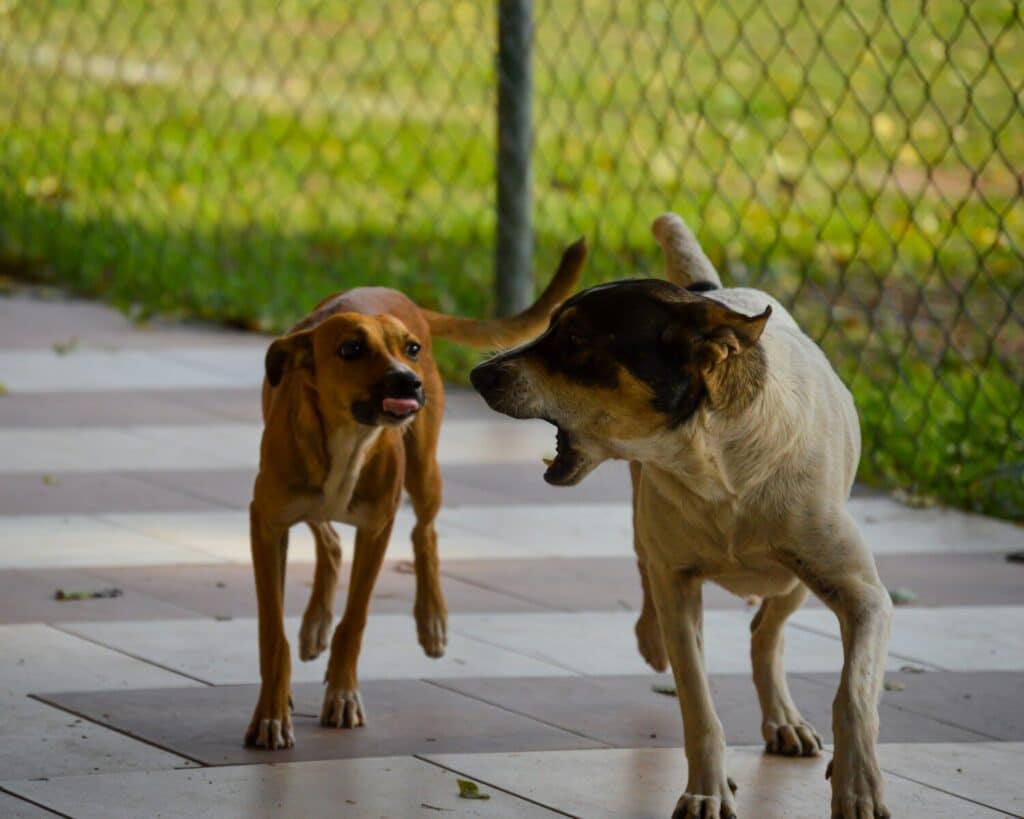
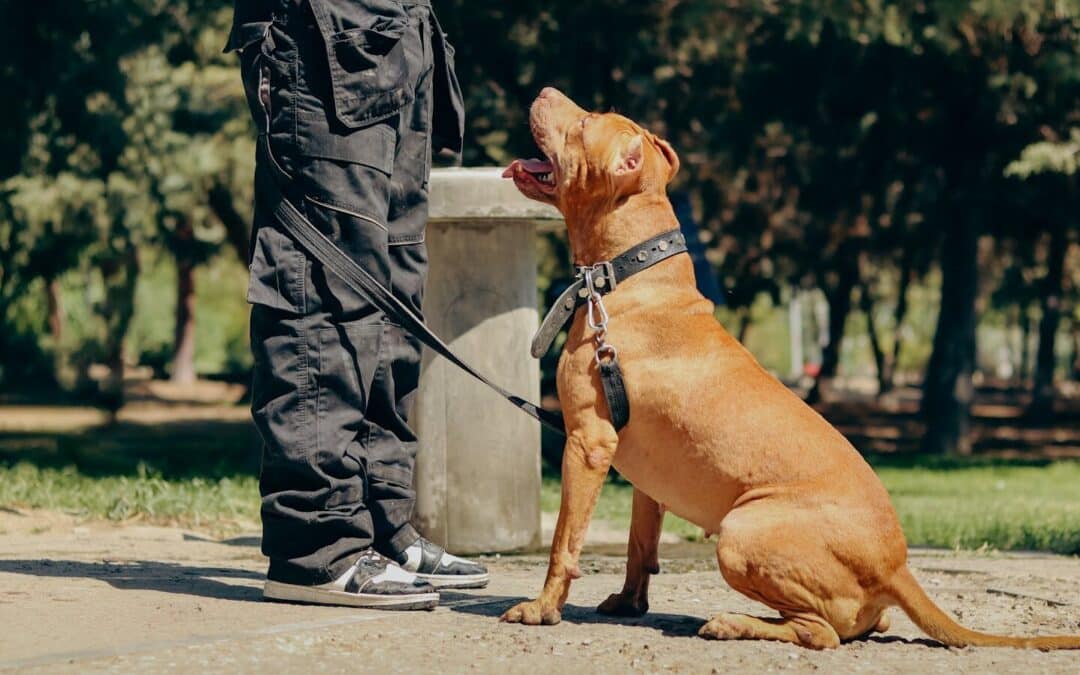
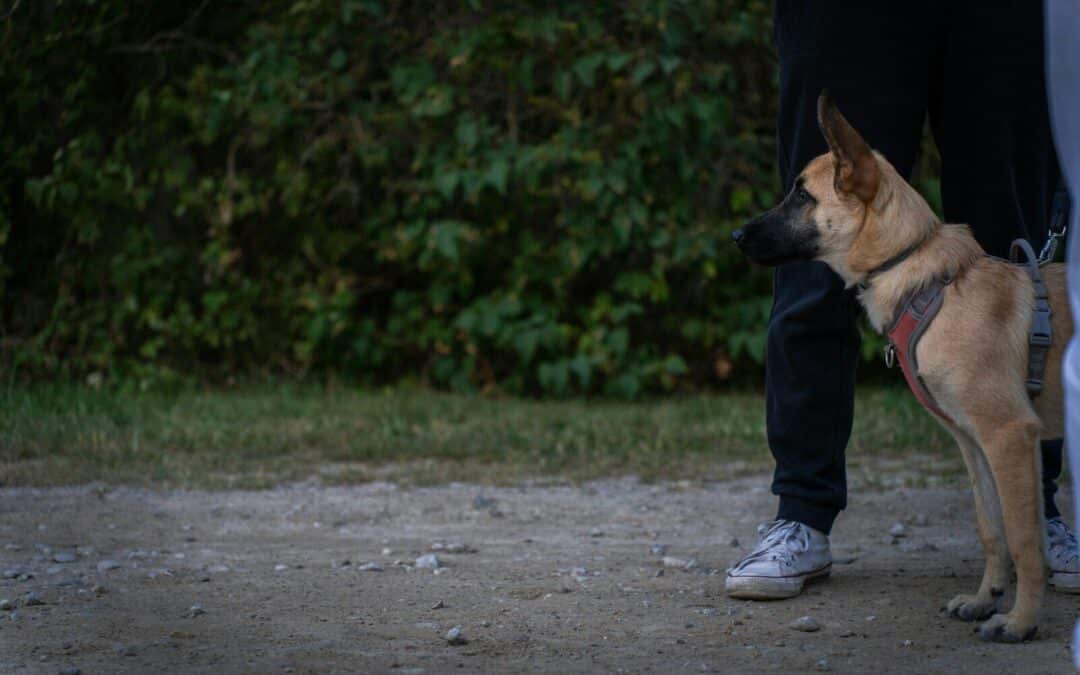
Photo by Andrés Silva on Unsplash
What Dog Reactivity Looks Like in Everyday Life
In the dog training world, reactivity refers to a dog that responds intensely when a specific trigger appears.
For example, a reactive dog may react when:
- They see another dog approaching on a walk
- They hear a loud or unfamiliar sound
- They encounter other animals unexpectedly
- They feel trapped on a leash
- They see dogs playing off-leash
When the dog sees something that causes discomfort or excitement, the dog reacts quickly. This may involve barking, lunging, or attempting to move away.
Leash reactivity is one of the most common types of reactive behavior reactivity. Dogs often feel restricted when they are unable to move freely while encountering another dog.
Some dogs are fear-reactive, reacting because the situation feels like a scary thing. Others are frustrated reactive dogs that simply want to greet the other dog but cannot reach them.
From the dog’s view, the reaction is an attempt to solve a problem.
Understanding these reactions helps guide the training process.
Why Dogs Become Reactive
There is rarely a single cause for dog’s reactivity. Instead, several factors can influence how a dog responds to the world.
Fear and Stress
Some aggressive dogs appear aggressive but are actually afraid. When a dog feels threatened, their instinct is to create distance.
This often results in barking, lunging, or stiff posture with raised hackles.
Frustration and Overexcitement
Many frustrated reactive dogs simply want to interact. When they cannot reach another dog or person, the frustration builds until the dog reacts.
Lack of Early Social Skills
Dogs that missed puppy socialization may struggle with social skills later in life. When exposed to unfamiliar situations, they may react strongly.
Reinforced Behavior Patterns
Sometimes reactivity becomes stronger over time.
If a dog barks and lunges at another dog and that dog walks away, the reactive dog learns that barking makes the problem disappear.
Without intervention, this pattern can make reactivity worse.
Dog Reactivity Training Methods Trainers Use
Effective dog reactivity training focuses on changing both the dog’s emotional response and their behavior.
Professional trainers often combine several training methods to help dogs learn new responses.
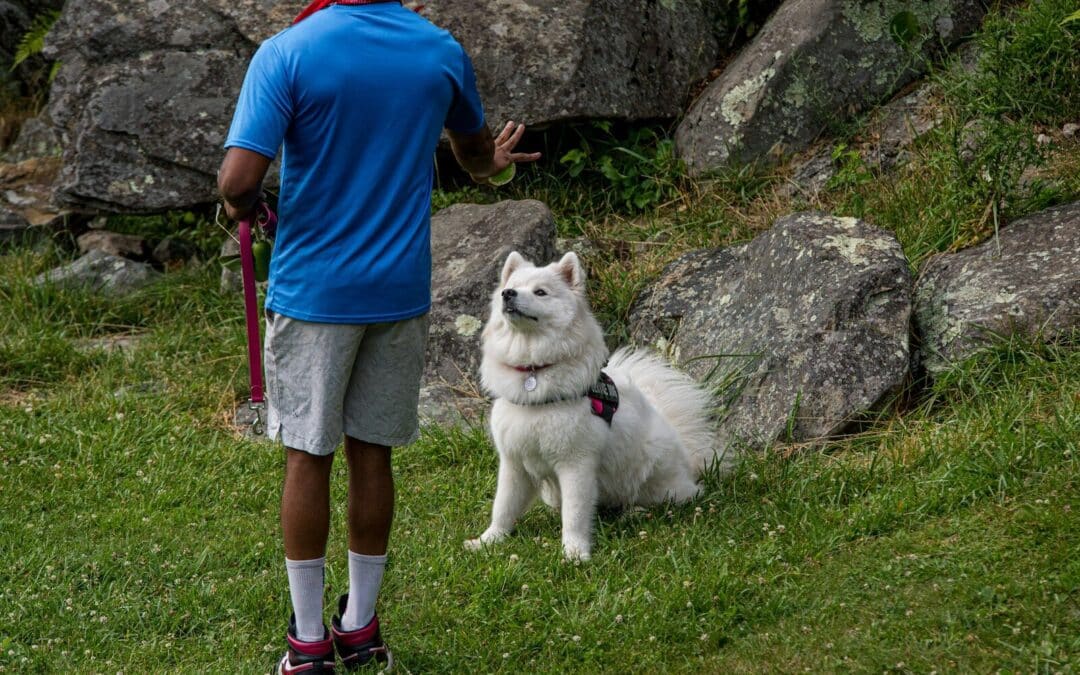
Teaching Impulse Control and Focus
Before working near triggers, trainers build foundation skills like impulse control and improving the dog’s focus.
Dogs practice exercises such as:
- eye contact
- responding to a marker word
- rewarding calm behavior
These exercises help strengthen the dog’s ability to stay connected to their handler when something distracting appears.
Improving the dog’s attention helps redirect focus away from triggers.
Using Counter Conditioning
One of the most effective techniques used in reactivity training is counter conditioning.
This method changes how a dog feels when they see a trigger.
For example, when a dog sees another dog at a safe distance, the handler immediately provides a high-value treat so the dog can eat treats while remaining calm.
Over time, the dog begins associating the trigger with something positive.
This approach helps reduce fear and builds positive associations.
Gradual Exposure to Triggers
Another key component of reactive dog training is gradual exposure.
Rather than overwhelming the dog, trainers slowly decrease distance between the dog and the trigger.
This controlled exposure helps dogs remain below their stress threshold while learning to stay calm.
This process often happens in multiple environments, such as sidewalks, parks, and busy areas, where dogs regularly encounter distractions.
Reinforcing Alternative Behaviors
Instead of barking or lunging, the dog learns alternative behaviors.
These may include:
- turning toward the handler
- sitting calmly
- walking away from the trigger
- maintaining eye contact
These replacement behaviors create opportunities for good behavior to be rewarded.
Over time, the dog naturally chooses calmer responses.
Understanding Dog Body Language During Reactivity Training
Reading dog body language is essential when working with reactive dogs.
Dogs communicate long before barking or lunging occurs. Learning to recognize these signals helps prevent reactions before they escalate.
Common early signs include:
- stiff posture
- intense staring
- whining
- pacing
- raised hackles
Recognizing these signals allows trainers to redirect the dog’s focus before the reaction occurs.
Understanding dog body language also helps trainers adjust the environment and training pace.
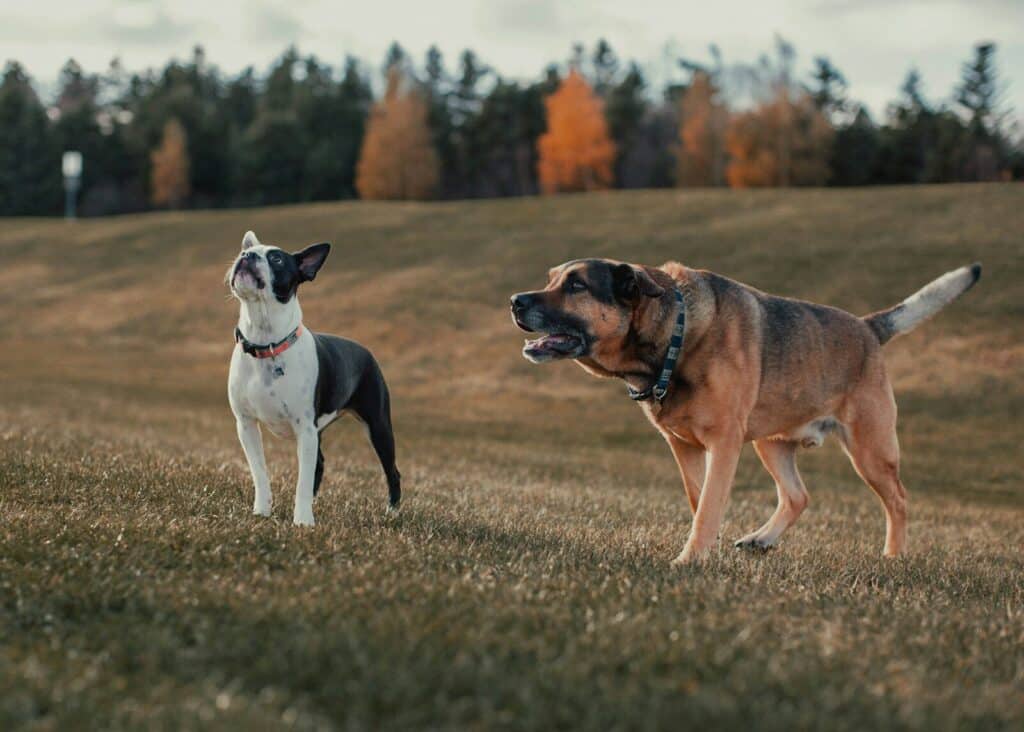
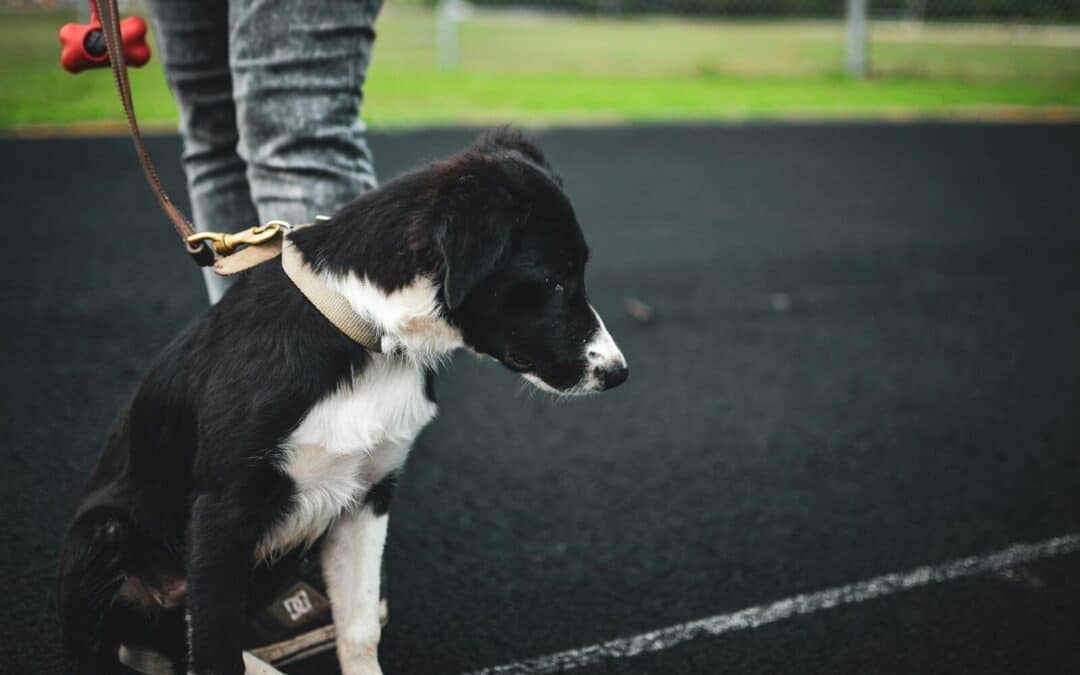
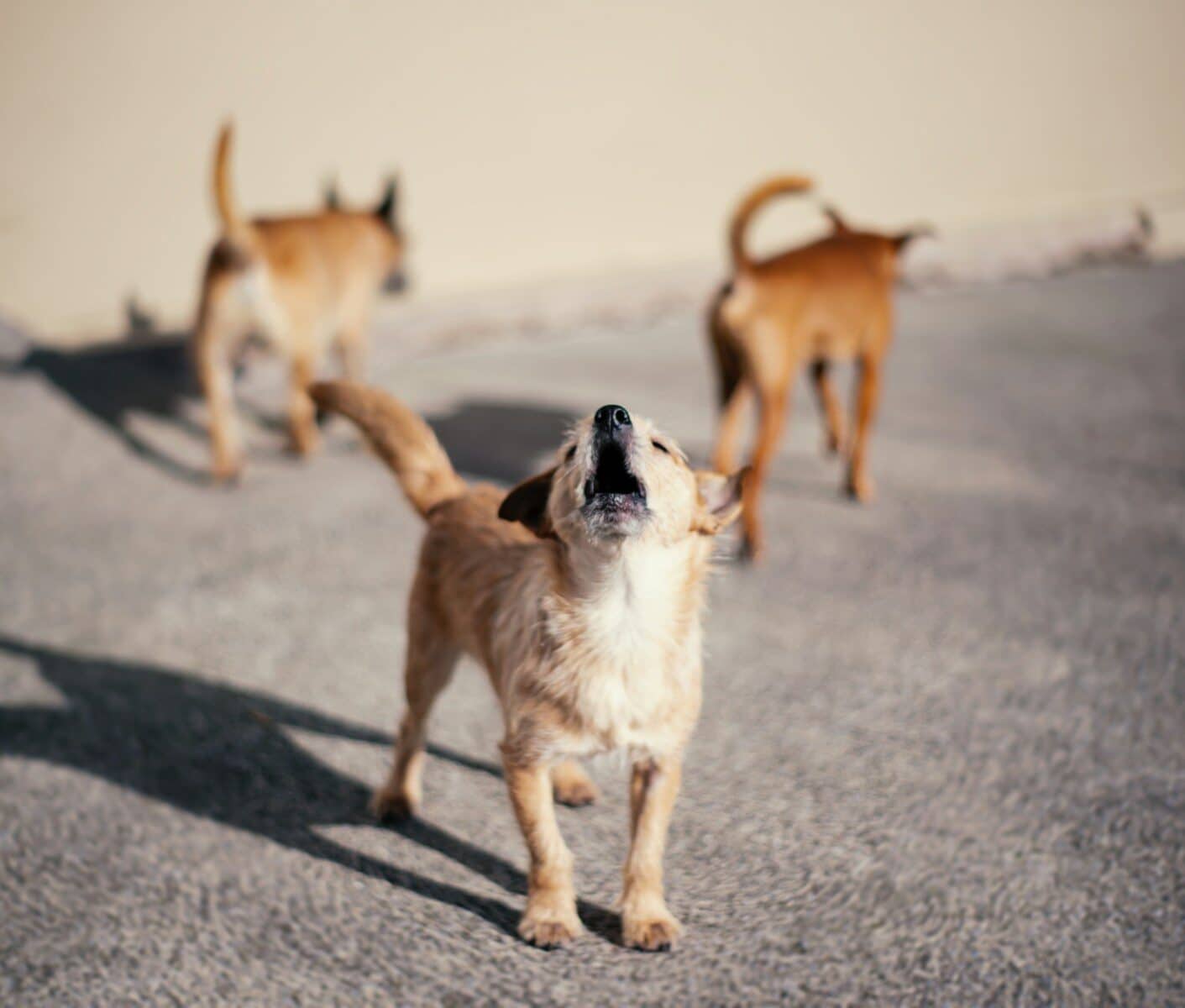
Photo by Jonathan Cooper on Unsplash
Why Structured Dog Training Builds Confidence
Many owners believe their dog is being stubborn when they react strongly.
In reality, most dogs react because they feel overwhelmed or uncertain.
Structured dog training helps dogs build confidence through predictable routines and clear communication.
With consistent training, dogs learn that they can look to their owner for guidance when a trigger appears.
This reduces stress and helps dogs remain calm even in different environments.
Training also provides valuable mental stimulation, which prevents boredom and strengthens learning.
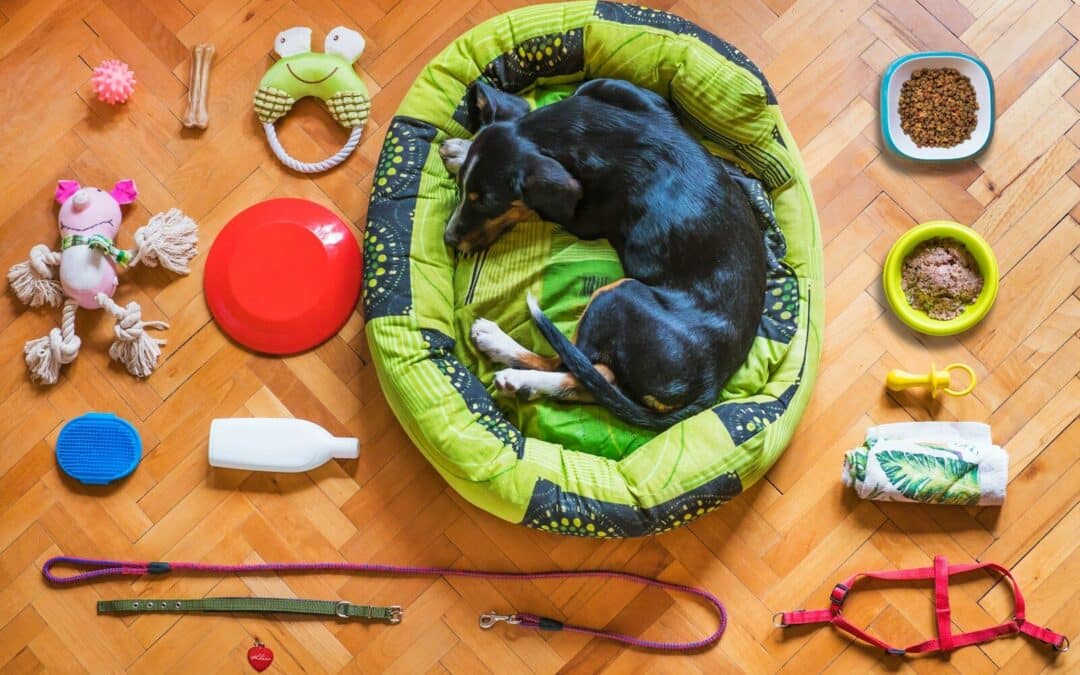
Tools Trainers May Use During Reactivity Training
Trainers may recommend certain tools depending on the dog’s needs.
Some commonly used tools include:
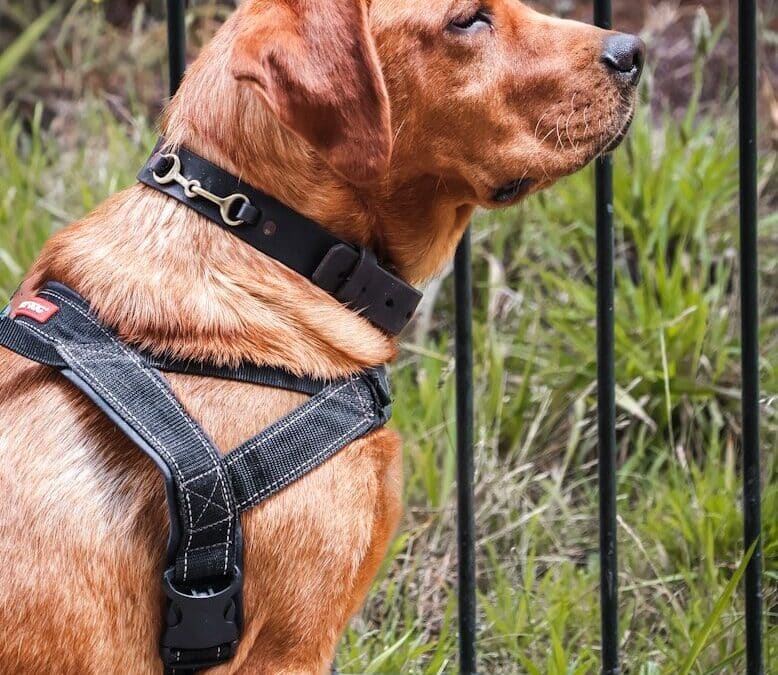
- front clip harnesses
- head halters
- treat pouches for quick rewards
- long lines for controlled distance work
Some trainers use balanced training approaches that incorporate additional tools such as prong collars or e collar systems. However, these tools should only be used under professional guidance.
Every training philosophy differs, and not every tool is appropriate for every dog.
The most important goal is improving the dog’s confidence and communication with their owner.
When to Seek Professional Help
While many owners begin training on their own, working with experienced trainers can significantly accelerate progress.
Professional trainers can evaluate the dog’s triggers and create a structured training plan tailored to the dog’s needs.
Programs may include:
- training classes
- group classes for controlled social exposure
- a single private session
- longer behavior programs
- structured behavior modification plans
In more complex cases, trainers may recommend consulting a veterinary behaviorist who specializes in treating severe anxiety or aggression.
Many trainers also provide online resources or even an online course for owners who want additional guidance between sessions.
Helping Reactive Dogs Succeed
Living with a reactive dog can feel overwhelming, especially for owners dealing with repeated barking, lunging, or stressful walks.
But it is important to remember something.
Your dog deserves patience, guidance, and understanding.
Most reactive dogs are not trying to misbehave. They are simply responding to situations they do not yet know how to handle.
With consistent reactivity training, patience, and support, dogs can develop new skills that help them stay calm and confident.
Over time, the dog’s behavior improves, the relationship between owner and dog strengthens, and everyday life becomes far more enjoyable.

RuffHDT Official Logo
Start Dog Reactivity Training Today
If your dog struggles with barking, lunging, or reacting to other dogs, you’re not alone. Many dog owners throughout the DMV experience the same challenge.
At Ruff House Dog Training, we help dogs and their families build confidence, develop better communication, and replace reactive responses with calm behavior.
Whether your dog struggles with leash reactivity, anxiety around other animals, or reactions in busy environments, structured training can help.
Start training today.
Schedule your session and take the first step toward calmer walks, stronger focus, and a better relationship with your dog.
Because every dog deserves the chance to succeed.
Helpful Resources for Dog Reactivity Training
- Karen Pryor Clicker Training: Learn about positive reinforcement techniques and clicker training to help manage your dog’s reactivity. Visit Karen Pryor Clicker Training
- The Humane Society of the United States: Offers guidance on understanding dog behavior and tips for addressing reactivity in a humane way. Visit The Humane Society
- The American Kennel Club (AKC) Training Resources: Provides articles and videos on training reactive dogs and improving their behavior. Visit AKC Training Resources
- Fear Free Happy Homes: Focuses on reducing fear, anxiety, and stress in pets, with specific advice for reactive dogs. Visit Fear Free Happy Homes
- Dog Decoder App: A mobile app that helps you understand your dog’s body language, which is crucial for managing reactivity. Visit Dog Decoder
- Victoria Stilwell Positively: Features expert advice, training tips, and videos from renowned dog trainer Victoria Stilwell. Visit Positively
- Reactive Dogs UK Facebook Group: A supportive online community where dog owners share experiences and advice on managing reactivity. Visit Reactive Dogs UK