
Congratulations! You’ve just brought home a bundle of joy with four legs, wet kisses, and razor-sharp teeth. Welcome to puppy parenthood—a phase of life best described as “controlled chaos.”
If you are currently reading this while your new puppy is chewing the baseboards or having their third accident of the morning, take a deep breath. You aren’t failing. The sleepless nights, the constant biting, and the moments of wondering, “What on earth did I sign up for?” are universally shared experiences among new owners.
Puppies don’t come pre-programmed with house manners. But while the chaos is normal, staying in chaos mode forever isn’t. At Ruff House Dog Training, we believe in practical solutions over perfection. Let’s look at where new owners often go wrong so you can skip the stress and get straight to the good stuff.
From chaos to calm—let’s do this.
Get the Ruff to Ready framework and start making progress with your dog today.
"*" indicates required fields

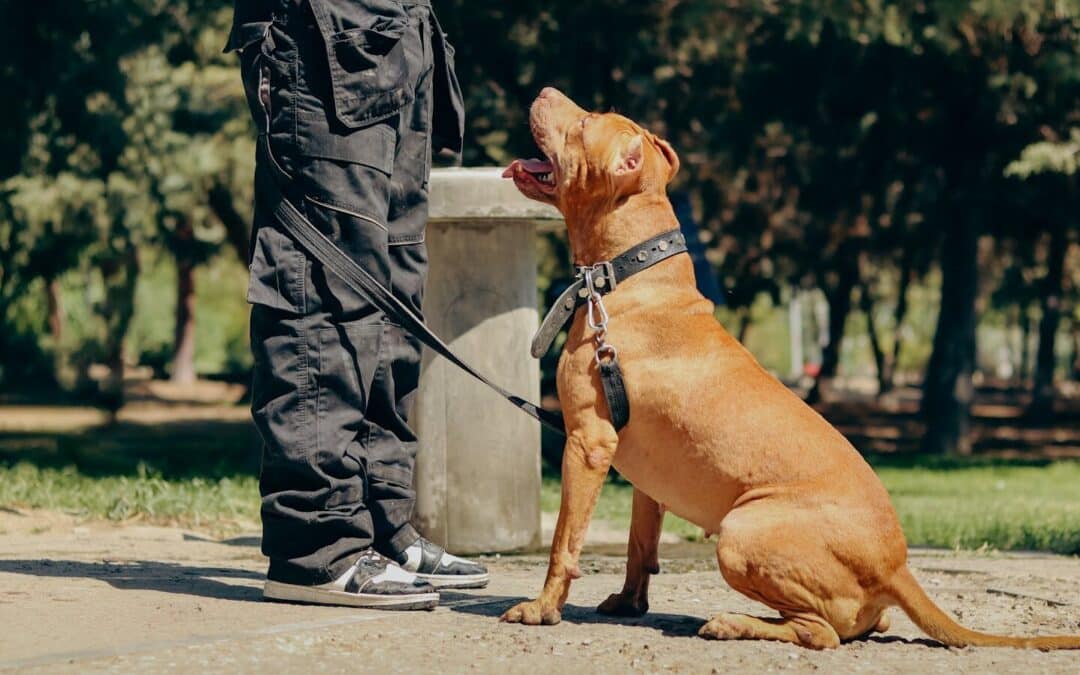
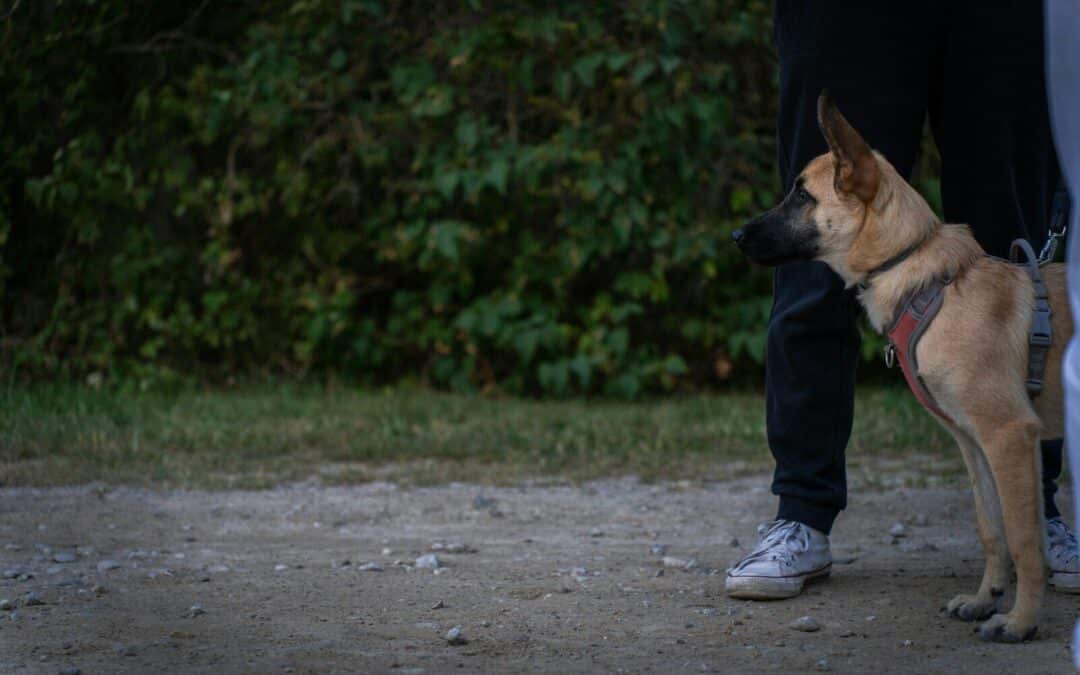
Photo by Gustavo Fring on Pexels
Caring for a Puppy Starts Before Bad Habits Begin
One of the biggest misconceptions we hear is, “He’s just a baby, he’ll grow out of it.” The truth is, puppies are learning constantly. They are learning patterns from the moment they walk through your door. If crying gets them attention, they learn to cry. If biting gets a reaction, they learn to bite.
Waiting for a puppy to “mature” before starting training is a recipe for frustration. By the time they are six months old, those “cute” puppy behaviors like jumping and nipping become serious behavioral issues that are much harder to correct.
You don’t need a military-style boot camp for an 8-week-old puppy, but you do need structure. Establish boundaries immediately. Decide where they sleep, when they eat, and where they go to the bathroom, and stick to it.
For more on setting early boundaries and how to puppy proof, check out this guide on Puppy Proofing Your Home from the AKC.
What the 3-3-3 Rule for Puppy Care Really Means (and What It Doesn’t)
You may have heard of the “3-3-3 Rule” regarding rescue dogs, but it applies to almost any dog entering a new environment.
- 3 Days: Decompression. Your puppy might be overwhelmed, scared, or refuse to eat.
- 3 Weeks: Settling in. They start to learn your routine and their true personality begins to show (including the naughty bits).
- 3 Months: Feeling at home. They build trust and a bond with you.
The mistake owners make is thinking the 3-3-3 rule means behavior issues will magically resolve themselves once the dog settles in. Actually, the opposite is often true. Once you get your puppy comfortable (around the 3-week mark), they will test boundaries. If you haven’t established rules during the decompression phase, the “settling in” phase can be rocky.
Structure helps puppies feel safe. If they know what to expect, they move through these phases with more confidence and less anxiety.
How to Take Care of a Puppy for Beginners (Without Losing Your Mind)
If you are trying to give your puppy total freedom and constant entertainment, you are likely exhausted. Good puppy care is actually about less freedom, not more.
To keep your sanity, focus on these four daily essentials:
- Sleep: Growing puppies need 18-20 hours of sleep a day. An overtired puppy is a biting puppy.
- Consistent Feeding: Proper nutrition, meeting your puppy’s nutritional needs, and puppy food at set times helps regulate their digestive system (which makes potty training easier).
- Supervised Play: Playtime should be engaging and fun but monitored so they don’t rehearse bad habits like chewing furniture.
- Short Training Sessions: 5 minutes of puppy training or puppy classes is better than 30 minutes of frustration.
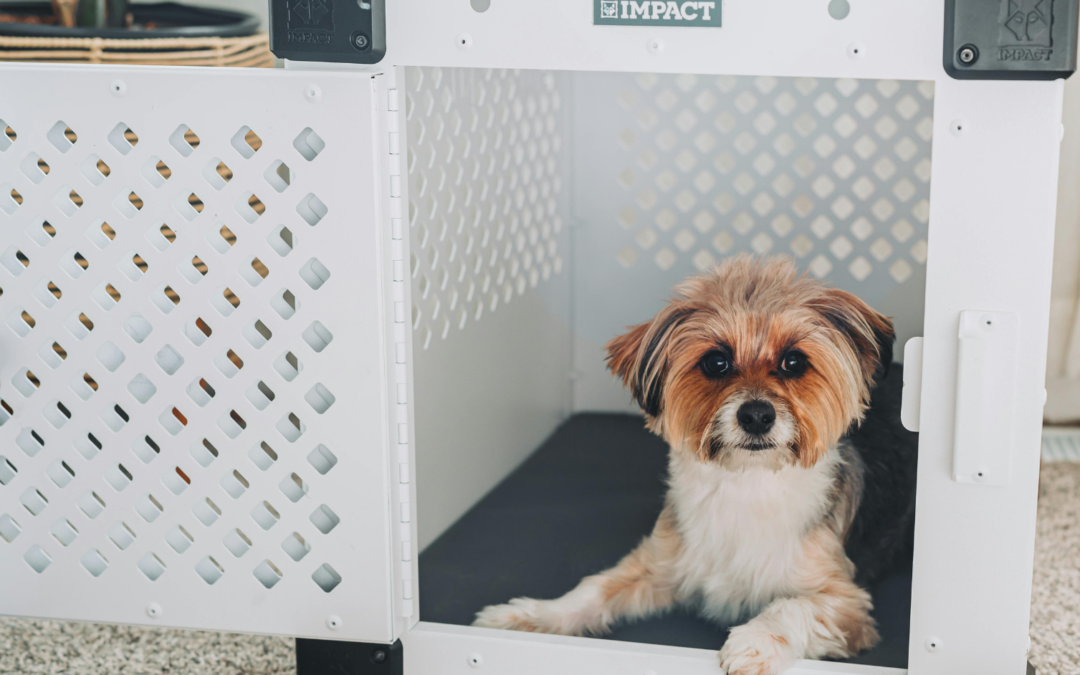
When you can’t supervise the puppy 100%, they should be in a safe space like a crate or playpen. This isn’t mean; it keeps them safe and prevents accidents. Consider crate training and other helpful tools.
Need help with feeding schedules? This resource on Puppy Feeding Fundamentals is a great place to start.
The Hardest Weeks With a Puppy (And Why They Feel Impossible)
There is a specific window, usually between 8 and 16 weeks, where puppies seem to turn into little land sharks. This is peak teething time as they are outgrowing their baby teeth. They also get the “zoomies” (frantic running around) and may seem to forget commands they learned just yesterday.
This is where many owners panic. They think their dog is aggressive or “broken.”
Here is the reassurance you need: This is temporary. Your puppy isn’t aggressive; they are a baby mammal exploring the world with their mouth. With consistent redirection and appropriate chew toys, this phase will pass.
Potty Training: The #1 Place New Puppy Owners Go Wrong
Potty training is simple in theory but messy in practice. The biggest mistake? Assuming the puppy knows what you want.
If your puppy pees on the rug, it is almost always a human timing issue. Did you wait too long after they woke up? Did you miss the subtle sniff of the carpet?
To succeed at house training:
- Use the Crate: Dogs generally won’t soil where they sleep. A crate helps them learn to hold it.
- Go Out Often: Take them out after waking up, after eating, after playing, and every hour in between.
- Throw a Party for Leash Training: When they go outside, praise them like they just won the lottery.
Consistency is key. If you are inconsistent, the puppy will be confused. For a deep dive into avoiding accidents, read these House Training Tips.
The 7-7-7 Rule for Puppies, Normal Play Behavior, and Proper Socialization
Socialization is a buzzword that is often misunderstood. It doesn’t mean letting your puppy run up to every dog and person they see. That actually creates reactivity later in life.
Some trainers refer to a “7-7-7” concept (or similar variations), encouraging exposure to 7 new surfaces, 7 new types of people, and 7 new environments.
The goal is neutrality, not excitement. You want your puppy to see a skateboarder, a person in a hat, or another dog and think, “Oh, that’s cool,” and go back to sniffing the grass. Overwhelming a puppy with too much interaction can cause fear.
For safe socialization ideas, check out the American Veterinary Society of Animal Behavior’s position statement.
Helping Your Puppy Learn Without Creating Undesirable Behaviors
Puppies are simple creatures: they do what works.
- If jumping up gets them a pat on the head, they will jump.
- If barking gets you to look at them, they will bark.
- If stealing a sock gets you to chase them, they will steal socks.
This is where positive reinforcement comes in. Reward the behaviors you like (sitting, lying down, looking at you calmly) and manage the environment to prevent the behaviors you don’t like.
Avoid mixed messages. If you let the puppy jump on you when you’re in sweatpants but yell at them when you’re in work clothes, the puppy is just confused.
Learn more about the science of how dogs learn at Whole Dog Journal.
Health Care Basics and Proper Nutrition Every New Puppy Owner Needs to Know To Make Sure Your Puppy Grows
Behavior and health go hand-in-hand. A puppy that isn’t feeling well won’t behave well.
Establish a relationship with a veterinary clinic immediately. You need to stay on top of their core puppy vaccines (like Parvo and Distemper) and routine vet visits to keep them safe. Certified trainers require fully vaccinated dogs before starting training. Ask about dog food suggestions. Routines help here, too. A dog that is used to being handled, having their paws touched, and having their teeth checked will be much less stressed at the vet.
Stress affects growing bodies. Overtraining or over-exercising a puppy can actually be harmful to their developing joints. Keep play sessions appropriate for their age.
For medical questions, always consult your vet, but you can find general guidance on VCA Hospitals’ Puppy Care page.
How to Give Your Puppy the Best Start (Even If You’re Short on Time)
We know you’re busy. You have a job, kids, and a life. The good news is that training doesn’t require hours of free time.
Structure beats constant supervision. If you have a solid routine—crate time, potty breaks, meal times—the puppy learns faster than if you just let them roam free and try to correct mistakes as they happen.
Professional help saves time. Instead of watching 50 conflicting YouTube videos, a professional trainer can give you a clear, direct plan tailored to your specific dog.
At Ruff House, our 90-Minute Miracle is designed exactly for this purpose—giving you the tools you need immediately, without the fluff.
For quick training games and dog sports you can play in small time bursts, check out Karen Pryor Clicker Training.
You’re Not Failing—You’re Just New
If you take anything away from this, let it be this: You aren’t failing. You are just new to this specific dog.
Raising a puppy is a long game. The work you put in during these first few difficult months pays off for the next 15 years. Early guidance prevents long-term problems, turning that biting land shark into the best friend you always wanted.
If you are feeling overwhelmed, don’t wait until the habits are stuck. Reach out for help. We are here to guide you, laugh with you, and get your home back to normal.

LOGO
From Chaos to Calm When Bringing Your Puppy Home
Ready to stop the biting and start enjoying your dog?
- Start Your Dog’s Transformation Today.
- No Judgment—Just Real Solutions.
- End the Barking, Chewing, and Chaos.
Schedule Your 90-Minute Miracle Now or download our Free Behavior Guide to get started immediately.