If you’ve ever Googled “aggressive dog” at 2 a.m. while the rest of your house is asleep, you’re not alone—and you’re definitely not failing. It’s a sinking feeling every dog owner dreads: that moment your beloved pet dog lunges at a neighbor or snaps when you reach for their collar. The fear, embarrassment, and guilt can be overwhelming. You might be wondering if you did something wrong or if your dog is “broken.”
But here is the truth: Aggression is information, not a moral failure. It is communication. In the busy, high-stimulation environment of Northern Virginia—where townhomes are close, dog parks are crowded, and stressful commutes bleed into home life—our dogs are often under immense pressure.
We aren’t here to judge you. We are here to help you understand what aggression actually means, the different types of canine aggression, and most importantly, when it is time to call in a professional. Let’s move from chaos to calm.
Aggressive Behavior in Dogs: What Owners Need to Know About How Your Dog Displays Aggression
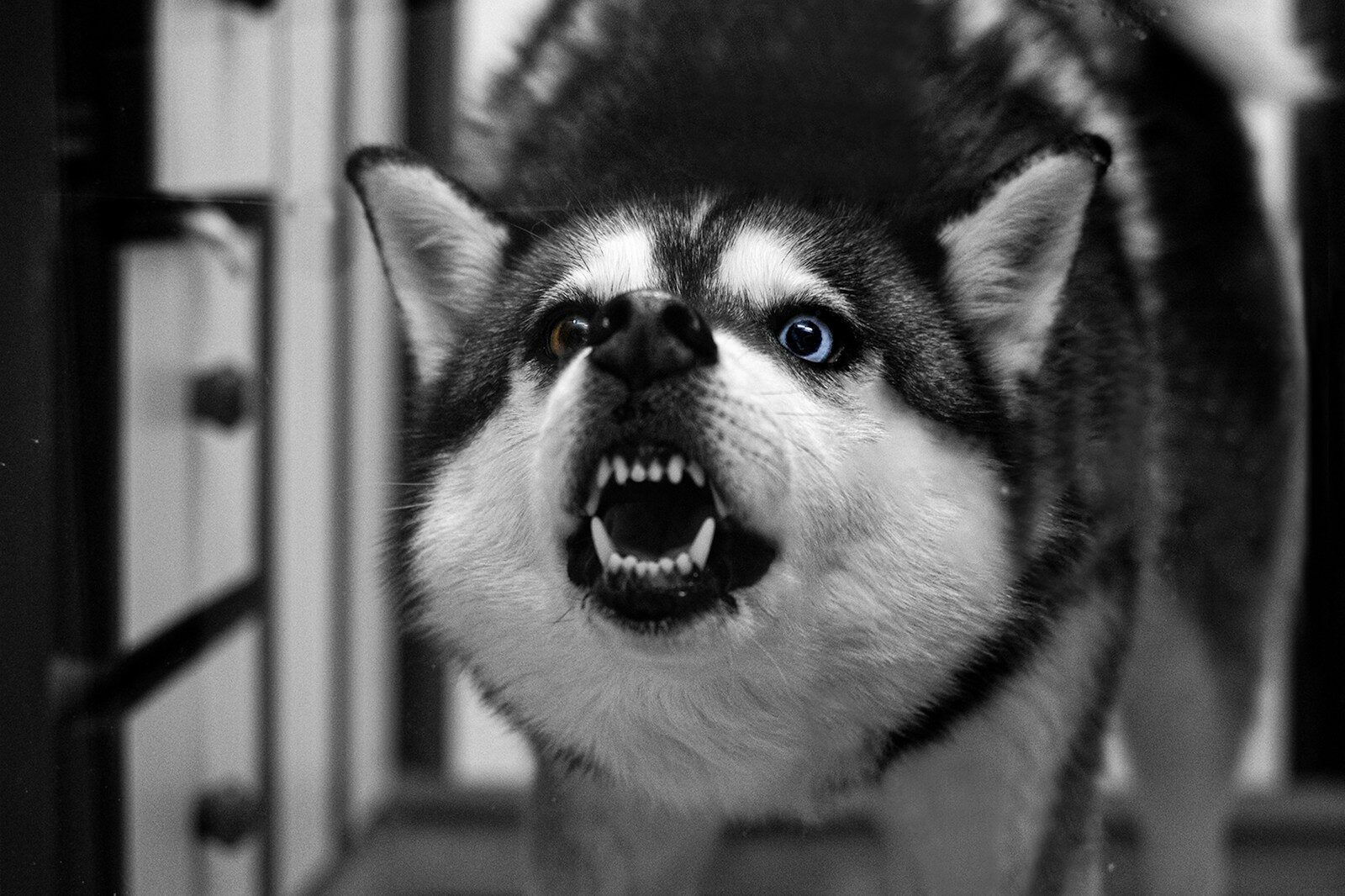
To fix a problem, you first have to define it. Aggressive behavior in dogs typically looks like growling, snapping, baring teeth, lunging, or biting. But these actions are rarely random.
Get the Ruff to Ready framework and start making progress with your dog today.
"*" indicates required fields
Most dogs don’t just “snap out of nowhere.” There are almost always warning signs—subtle cues that were missed or misunderstood. It’s also crucial to distinguish between ritualized aggression (noisy, scary-looking displays meant to avoid an actual fight) and harmful behavior truly intended to damage people or other animals.
At its core, aggression is usually rooted in fear, confusion, pain, or learned responses. Even the friendliest dog displays aggressive behavior if they are in pain or pushed past their stress threshold.
For a deeper dive into decoding these signals, the ASPCA offers a comprehensive guide on canine aggression that breaks down the underlying causes.
Common Types of Canine Aggression We See Every Day
Not all aggression is the same. Understanding why your dog is reacting is the first step toward a solution. Here are the most common types we see.
Defensive Aggression and Fearful Dogs
This is one of the most common forms of aggression, especially in rescue dogs or under-socialized puppies. It is triggered when a dog perceives a threat and feels they have no option but to defend themselves.
If your dog is cowering, tucking their tail, or showing “whale eye” (the whites of their eyes) before snapping, they aren’t trying to be mean; they are terrified and they are showing fear aggression.
Resource Guarding Aggression In Dogs Around Food Bowl, Toys, or Space
Does your dog growl when you get near their food bowl? Do they freeze when you try to move them off the couch? This is resource guarding and possessive aggression. It is a natural instinct to protect valuable items, but it becomes dangerous in a home environment.
Punishing this behavior often makes it worse because it validates the dog’s fear and aggressive tendencies that you are a threat to their prize. For more on this specific issue, the AKC has a helpful article on how to handle resource guarding.
Dominance Aggression and Dog Aggression Myths
Let’s clear this up: Your dog probably isn’t trying to take over the world. The old “dominance theory” has been largely debunked by modern behavioral science. When owners try to “show who’s boss” through force, it often destroys trust.
Usually, what looks like dominance is actually a lack of clarity, structure, and boundaries. The dog is confused about their role, not plotting a coup.
Predatory Behavior: Aggression Toward Other Animals
This is instinct-driven. It’s the drive to chase things that move fast—squirrels, cats, or sometimes small dogs. This isn’t emotional aggression; it’s biological. Obedience training and strict management are critical here because you are fighting thousands of years of genetics.
Redirected Aggression
This happens when a dog is highly aroused by something they can’t get to (like a dog behind a fence) and they lash out with harmful behavior directed at the nearest thing—which might be you or another family pet. It’s like a person punching a wall in frustration, except the “wall” is your leg.
How to Deal With an Aggressive Dog at Home
If you are living with an aggressive dog, your first priority is safety.
- Management is key: Use leashes, baby gates, and muzzles. There is no shame in using a muzzle to keep everyone safe while you work on training. The Muzzle Up! Project is a fantastic resource for learning about muzzle safety and removing the stigma.
- Stop the punishment: Yelling or physical punishment usually backfires, increasing the dog’s anxiety and likelihood of biting.
- Establish structure: Dogs thrive on routine and clear communication.
- Consistency: Everyone in the house needs to be on the same page. If Mom forbids the couch but Dad allows it, the dog remains confused and stressed.
Training isn’t about controlling your dog’s every move; it’s about providing clarity so they can relax.
Stopping Dog Aggression With Real-World Training
So, how do you actually stop it? First, we have to be honest: There is no magic wand or overnight fix. But there is progress.
Real change requires identifying the specific triggers, working to change the dog’s emotional response to those triggers (desensitization), and teaching alternative ways to handle and exhibit aggressive behavior. For example, instead of lunging at the door when the doorbell rings, we teach the dog to go to their “place.”
While basic obedience is helpful, it’s often not enough on its own for other types of aggression, like territorial aggression. You need a treatment plan, not just a “sit” command. This is why guessing is dangerous.
Check out the Whole Dog Journal’s guide on behavior modification to understand the difference between basic training and true behavioral change.
Aggression Issues and Warning Signs in Family Pets
You shouldn’t ignore the smoke before the fire. Warning signs that aggression is escalating include:
- Growling that turns into air snapping.
- Dog Bites that break the skin (even slightly).
- Aggression shifting toward family members, especially children.
- Increased intensity or frequency of the episodes.
- Sudden personality changes (which can indicate medical issues—always check with a vet first!).
If you are seeing these signs, early professional help can prevent a heartbreaking situation later. The IAABC provides a searchable database of behavior consultants if you need to understand credentials.
When to Call a Professional Dog Trainer for Aggression
If your dog has bitten someone, shows aggression toward children, or if you have multiple dogs fighting in the home, it is time to call a professional.
There is a difference between a standard trainer and a behavior expert. Veterinary Behaviorists (DACVB) are like the psychiatrists of the dog world and can prescribe medication if necessary. You can find a directory of diplomates here.
Seeking help isn’t a failure; it’s responsible ownership.
The Question Everyone’s Afraid to Ask: When to Put a Dog Down for Aggression
This is the hardest conversation in the dog world. We approach it with compassion and honesty. True cases where behavioral euthanasia is the only option are rare, but they exist.
Professionals evaluate the severity of the bites (using Dr. Ian Dunbar’s Dog Bite Scale), the predictability of the aggression, whether management is feasible in your home, and the quality of life for both the dog and the family.
Please remember: Training and management come long before this conversation. Most aggression issues are workable with the right help.
“What Was the Most Aggressive Dog?” (Reframing the Question)
People often ask us about the “most aggressive” dog we’ve ever trained. We once worked with a dog labeled a “monster” by neighbors. He lunged, barked, and looked terrifying. But once we peeled back the layers, we didn’t find a monster; we found a dog with zero confidence who was terrified of the world.
Once we gave him structure and leadership, the “aggression” evaporated. Labels are dangerous because they convince us the behavior is fixed. Behavior is fluid.
Why We Take Aggression Personally (And Seriously)
At Ruff House Dog Training, our philosophy is simple: We build harmony. We are veteran-owned, which means we bring discipline and structure, but we pair it with empathy and humor (because if you can’t laugh at the chaos, you’ll cry).
We don’t do cookie-cutter programs because your dog isn’t a cookie-cutter dog. We offer customized plans and, crucially, unlimited post-session support. We don’t just fix the dog and leave; we support you through the process.
Ready to change your life? Schedule Your 90-Minute Miracle Now.
Aggression Doesn’t Mean the End—It Means It’s Time for a Plan
For many dogs, aggression is just communication. It’s your dog shouting that they are struggling. The earlier you get help, the easier it is to turn the volume down.
Don’t let fear paralyze you. Action creates confidence. Start your dog’s transformation today.
From Chaos to Calm—Let’s Do This.