It happens in a split second. You are enjoying a peaceful evening walk through your neighborhood in Northern Virginia. The air is crisp, the streets are relatively quiet, and you finally feel relaxed after a long day at work. Then, another dog turns the corner. So, why is your dog reactive?
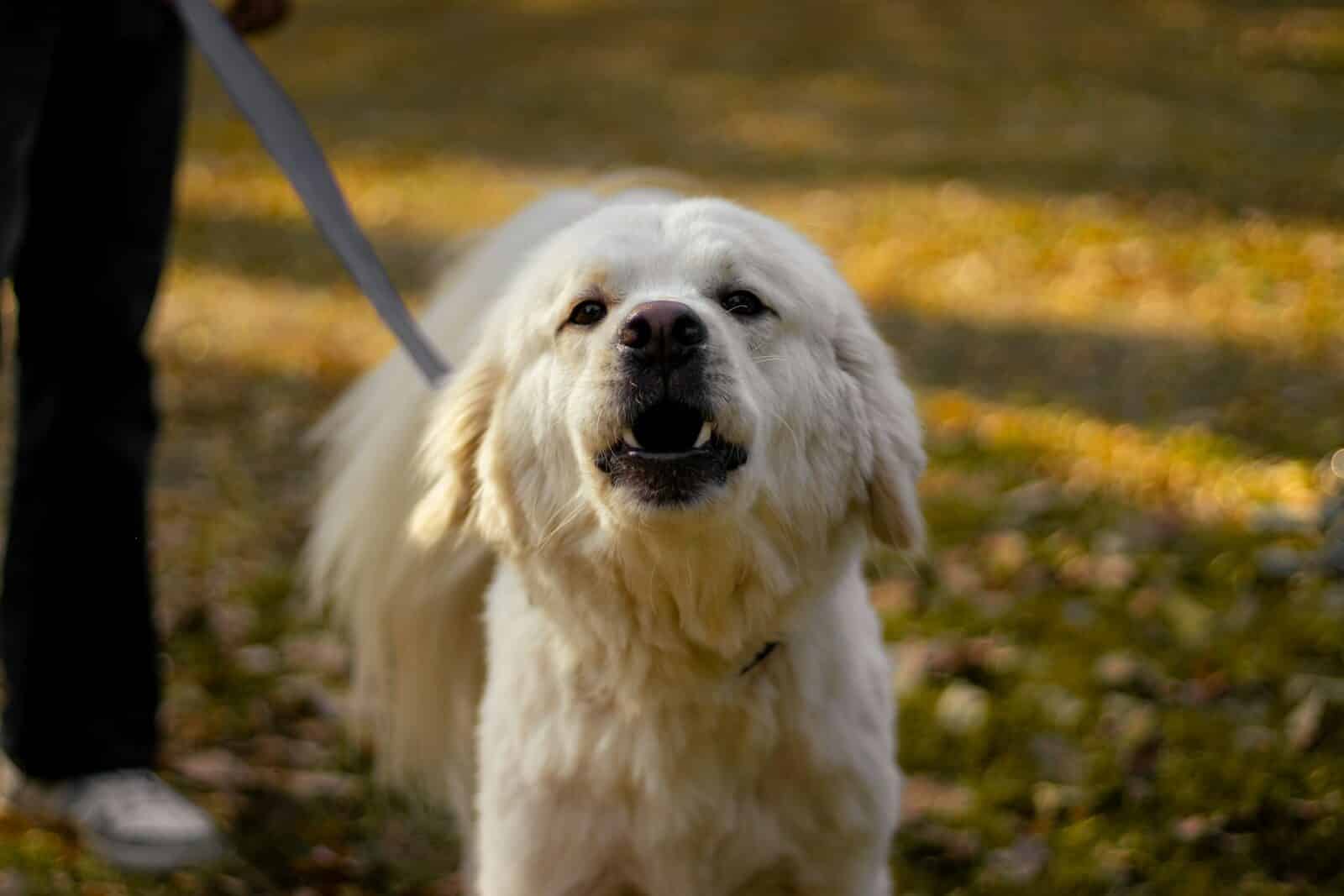
Your dog—who was perfectly calm a moment ago—suddenly transforms into a reactive dog. The barking is deafening. There’s a lunging dog at the end of the leash, spinning, and acting as if their life depends on getting to that other dog. You tighten your grip, apologize to the neighbor, and drag your dog away, feeling a mix of embarrassment and frustration.
If this scene sounds familiar, you are not alone. Thousands of dog owners in our area deal with this every single day. The good news is that your dog isn’t “bad,” stubborn, or trying to ruin your evening. They are communicating the only way they know how.
At Ruff House Dog Training, we believe that understanding the “why” behind the behavior is the first step to fixing it. We take a real-world, no-nonsense approach to helping owners stop fighting the symptoms and start addressing the root cause. Here is a look at what is actually happening in your dog’s brain and how to turn things around.
Get the Ruff to Ready framework and start making progress with your dog today.
"*" indicates required fields
What Is Dog Reactivity, Really? Why Is Your Dog Reactive?
“Reactive” is a buzzword you hear often in dog parks and vet offices, but what does it actually mean? Put simply, a reactive dog is one that overreacts to normal stimuli.
While a relaxed dog might glance at a passing bike or a stranger and move on, a reactive dog has a massive emotional response. It is the canine equivalent of screaming because someone tapped you on the shoulder.
It is important to distinguish reactivity from aggression, though they can look similar. Aggression is often intended to cause harm or increase distance through force. Reactivity is usually rooted in fear, frustration, or over-excitement.
- Fearful Dog: “That thing is scary! I need to bark to make it go away!”
- Frustration: “I want to say hi to that dog so bad, but this leash is holding me back!”
According to the American Kennel Club (AKC), understanding the difference between an emotional response and true aggression is vital for training. Their website has great dog training tips and more!
Why Reactive Behavior Shows Up on Walks
Walks are supposed to be relaxing, but for many, they are the most stressful part of the day. Why does reactive behavior flare up so intensely when your dog is on a leash?
The primary reason is the lack of a “flight” option. In nature, if an animal feels uncomfortable, they can move away. When you clip a leash onto your dog, you remove their ability to flee. If they see a trigger—like another dog or a loud truck—and feel trapped, their only option is to switch to “fight” mode. This creates leash reactivity.
In Northern Virginia, we also deal with density. Sidewalks can be narrow, forcing head-on greetings that are unnatural for dogs.
The “Stacking” Effect
Your dog might tolerate one car driving by. But add a runner, then a stroller, and then another dog, and they explode. This is called trigger stacking. Each small stressor adds up until your dog hits their breaking point. The Whole Dog Journal offers a great explanation of how stress hormones accumulate in the body, making reactions more likely.
Why Visitors and Other Dogs Trigger Reactive Behavior at Home
The doorbell rings. Chaos ensues.
Dog reactivity inside the home is often driven by territorial instincts or fear of the unknown. Your home is your dog’s safe space. When a stranger enters that space, the pressure rises immediately.
- Territorial: The dog is guarding resources (the house, you, their food).
- Fear-based: The dog is unsure about the intruder’s intentions.
Often, dogs learn that barking works. The mail carrier comes, the dog barks, and the mail carrier leaves. In the dog’s mind, they successfully defended the fortress. When a guest comes inside and stays, the dog doesn’t know what to do, leading to sustained barking, jumping, or lunging.
Reactivity Is Communication, Not Disrespect
One of our core philosophies at Ruff House is that obedience begins with communication. Your dog isn’t trying to disrespect you by barking; they are trying to tell you they are struggling.
Before the explosion of barking happens, your dog likely gave you several quiet warning signs. These are often missed by owners:
- Lip licking: A quick flick of the tongue when no food is present.
- Whale eye: Showing the whites of their eyes.
- Freezing: Becoming stiff and still.
- Closed mouth: A panting dog that suddenly closes its mouth is often assessing a threat.
If you can catch these signs early, you can intervene before the reaction occurs and work towards a non reactive dog. The Spruce Pets has a helpful visual guide on decoding these subtle canine signals.
Common Triggers We See in Northern Virginia Dogs
Every environment presents unique challenges. In our region, specific dog’s triggers tend to be more prevalent:
- High-density living: Townhomes and apartments mean you are constantly running into neighbors.
- Delivery trucks: The constant flow of Amazon and UPS trucks provides endless stimulation.
- Other dogs: We are a dog-friendly area, meaning encounters are frequent and unavoidable.
- Bicycles and Scooters: Fast-moving, silent objects can trigger a prey drive or fear response.
Understanding your specific environment helps you manage your walks better. Fear Free Happy Homes provides excellent resources on how to manage your home environment to reduce daily stress triggers.
What Breeds Are Most Reactive?
We often get asked if certain breeds are “bad.” The truth is, reactivity is not a breed flaw; it is a behavioral issue that can affect any dog, from a Chihuahua to a Great Dane.
However, genetics does play a role.
- Herding breeds (Shepherds, Collies) are wired to control movement, making them prone to reacting to cars or runners.
- Terriers have high prey drives and may react strongly to squirrels or small dogs.
- Guardian breeds are naturally suspicious of strangers.
But labeling a breed as “the most reactive” misses the point. A Golden Retriever with a lack of socialization can be just as reactive as a German Shepherd. PetMD discusses how genetics and environment combine to shape behavior, regardless of breed.
Do Reactive Dogs Calm Down With Age?
The short answer is: rarely.
Many owners hope their puppy or young adult dog will simply “grow out of it.” Unfortunately, without intervention, reactive behavior often worsens with age. Why? Because the dog is practicing the behavior. Every time they bark at a dog and that dog walks away, the behavior is reinforced.
To change the behavior, we have to change the dog’s emotional response to the trigger. This requires active training, not just the passage of time.
How We Fix Reactive Behavior Reactivity (Without Quick Fixes)
At Ruff House Dog Training, we don’t believe in magic wands. We believe in structure, empathy, and consistency. Fixing reactive dog training requires a multi-pronged approach for behavior modification.
Counter Conditioning
This involves changing how your dog feels about a trigger. If seeing another dog usually means “scary threat,” we want to change that association to “seeing another dog equals tasty treat.” The ASPCA provides a deep dive into the science of desensitization and counter-conditioning.
Impulse Control
Most reactive dogs usually lack self-regulation. We teach commands like “place,” “leave it,” and focused heeling to help the dog learn to control their urges.
Being the Leader
Your dog needs to know you have the situation under control. If they feel you are passive, they will step up to handle the “threat” themselves. By advocating for your dog and managing the environment, you allow them to relax.
What You Can Start Doing Today
You don’t have to wait for a professional session to start making changes. Here are immediate steps you can take to lower the temperature on walks:
- Increase Distance: If you see a trigger, cross the street or turn into a driveway. Do not force your dog to “face their fears” up close.
- Stop On-Leash Greetings: Stop letting your dog meet other dogs on walks. Aggressive dogs may at anytime. This builds frustration and expectation.
- Reward Focus: Bring high-value treats on walks. Reward your dog anytime they look at you instead of the environment.
- Use Visual Barriers: At home, use frosted film on windows if your dog barks at people passing by. Preventive Vet offers great DIY tips for managing window barking.
When Professional Dog Training Matters
Sometimes, love and patience aren’t enough. If you are walking your dog at midnight to avoid how your dog reacts to neighbors, or if you’ve stopped having guests over because of the dog, it is time for dog training.
Professional guidance offers a judgment-free zone. We see the potential in your dog, even when they are acting out. We customize your training plan because a nervous rescue needs a different approach than a high-drive working dog.

Why Ruff House Training Works for Reactive Dogs
We are a veteran-owned business, not a franchise. We bring discipline and structure to your training, but we pair it with humor and a deep love for dogs.
Our programs, like the 90-Minute Miracle and our 6-Week Obedience Training, are designed for real life. We don’t just teach your dog to sit in a quiet room; we give you the tools to handle a busy sidewalk or a chaotic dinner party. Plus, we offer unlimited post-session support because we know questions will come up after we leave.
From Chaos to Calm—Let’s Do This
Living with a reactive dog is exhausting, but it doesn’t have to be forever. You are not alone, and your dog is not broken. With the right plan, you can enjoy walks again with calm behavior. You can have friends over without locking the dog away.
Don’t wait for the behavior to escalate. Be your dog’s advocate. Whether you need a quick reset or a full behavior overhaul, we are here to help you rebuild the bond with your best friend.
Ready to transform your walks?
Let’s get back to enjoying life with your dog.