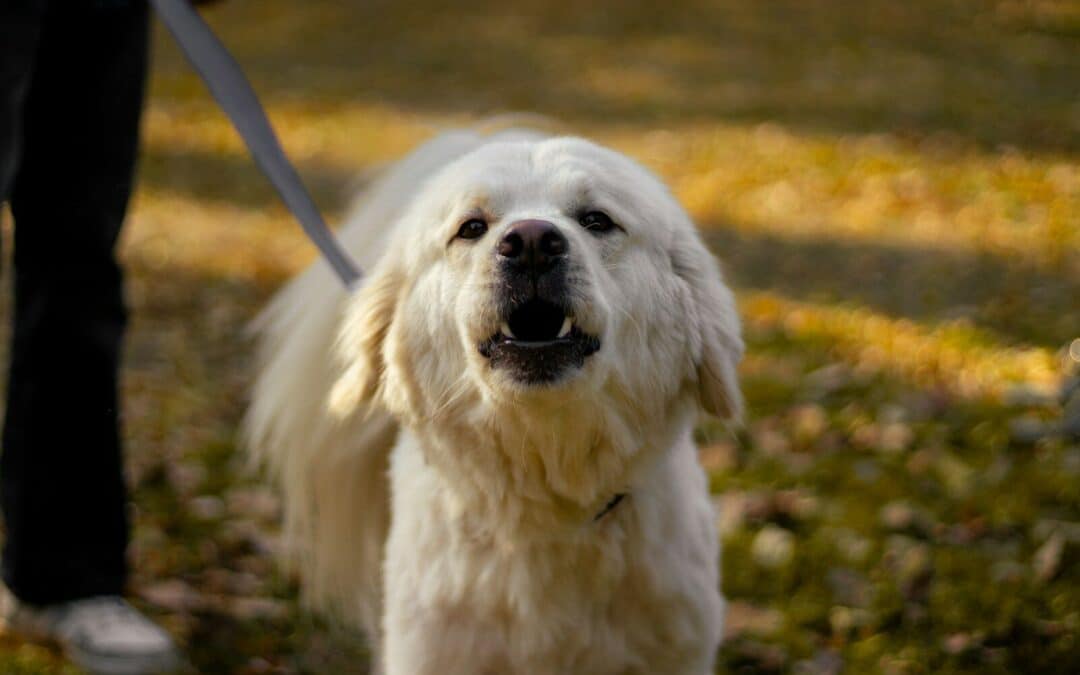
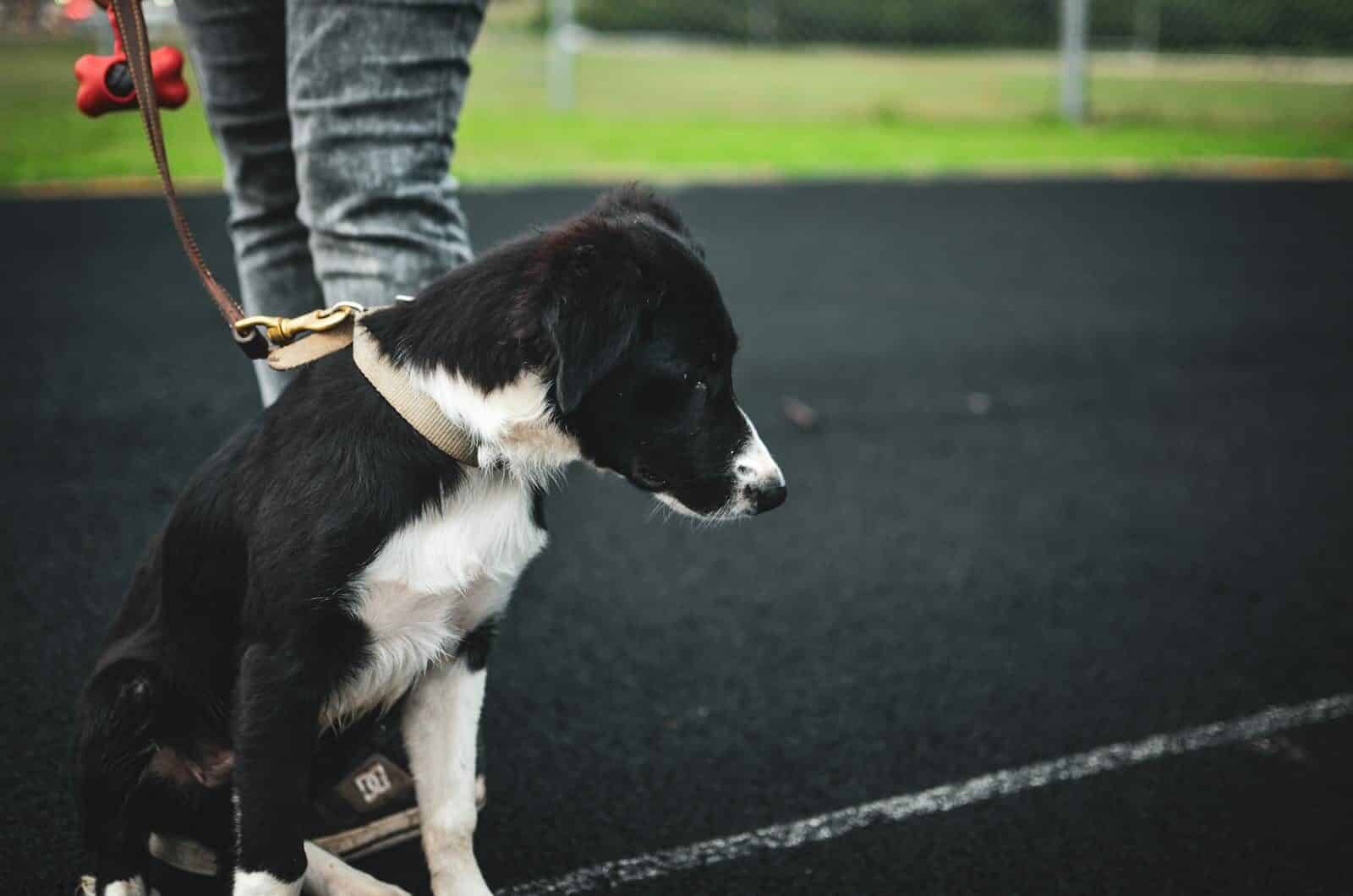
You’ve finally done it. You brought home that bundle of fluff you’ve been dreaming about. The first few hours were pure magic—puppy breath, cuddles, and adorable naps. But now? Now you’re dealing with the biting, the accidents on your favorite rug, and the realization that this cute little creature has zero concept of the word “no.”
At Ruff House Dog Training, we see this every day. We know that bringing a new puppy home is exciting, but let’s be honest—it’s also chaotic. You aren’t just raising a dog; you’re trying to integrate a new family member who speaks a completely different language.
If you are looking for puppy obedience training in Northern Virginia, you are likely looking for a way to turn that chaos into calm. Whether you are a busy parent juggling kids and a career or a first-time dog owner trying to figure out which end of the leash to hold, we are here to help. We don’t believe in cookie-cutter programs or robotic dogs. We believe in building a relationship based on communication and trust. From chaos to calm—let’s do this.
Get the Ruff to Ready framework and start making progress with your dog today.
"*" indicates required fields

Why Puppy Obedience Training Matters More Than Most Owners Realize
When people think of obedience training, they often picture a dog doing a perfect “sit” or “stay.” While those skills are important, obedience is actually about something much deeper: communication.
Training provides a common language between you and your new puppy. It helps you understand what they need and helps them understand what you expect. Without this foundation, frustration builds on both sides. You get annoyed because the puppy is chewing the baseboards; the puppy gets stressed because they don’t know what they should be doing instead.
Early puppy obedience training is the most effective way to prevent common behavioral issues like excessive barking, biting, and jumping before they become ingrained habits. It builds confidence in your dog, teaching them that listening to you leads to good things. For busy families, this structure is a lifesaver. It reduces the daily friction of owning a pet and ensures your dog can be a joyful part of family outings rather than a liability you have to leave at home.
According to the American Kennel Club, training is the single most important step in building a strong bond with your dog, transforming stress into success.
When Should a Puppy Start Basic Obedience Training?
The short answer? Immediately.
There is a persistent myth that you should wait until a puppy is six months old to start training. In reality, waiting that long usually backfires. Puppies are sponges between 8 and 16 weeks of age. This is their critical learning period, where their brains are rapidly developing and forming associations with the world around them.
At Ruff House, we encourage owners to start training as soon as the puppy settles into the home. At 8 to 10 weeks old, puppies are fully capable of learning basic commands, leash manners, and household rules. If you wait “until they grow out of it,” you often end up training a larger, stronger adolescent dog that has already practiced bad behaviors for months.
If you feel like you’ve already missed the window, don’t panic. It is never too late to start, but starting earlier is always easier. For guidance on the developmental stages of your new companion, AKC provides a comprehensive timeline that can help you understand what your puppy is going through physically and mentally.
Understanding Puppy Development Rules (Without the Confusion)
Training a puppy doesn’t require you to be a dog whisperer, but it does require understanding a few “rules of thumb” regarding their development.
The 10-10-10 Rule for Puppies
Puppies are easily overwhelmed. The 10-10-10 rule is a great way to structure their time to build confidence rather than fear.
- 10 minutes of mental stimulation: This could be training, puzzle toys, or sniffing games.
- 10 minutes of physical play: Fetch, tug (with rules), or running in the yard.
- 10 minutes of rest/confinement: Time in the crate or a playpen to decompress.
This cycle prevents the “over-tired toddler” syndrome, where puppies get nippy and destructive because they are exhausted.
The 3-3-3 Rule for Dog Training
Whether you bought a puppy or adopted a rescue, the 3-3-3 Rule is vital for managing expectations.
- 3 Days: Your puppy is overwhelmed and may not eat or show their true personality.
- 3 Weeks: They are settling in, learning the routine, and pushing boundaries.
- 3 Months: They feel at home, trust you, and have built a bond.
Patience and consistency during these phases matter far more than perfection.
The 10-Minute Rule for Puppies
Attention spans are short. We structure our sessions to maximize results fast by adhering to the 10-minute rule. We don’t drill commands for an hour. We do short, focused bursts of training that keep the puppy engaged and the owner from burning out.
What Puppy Obedience Training Actually Covers
When you sign up for basic obedience, you aren’t just paying for a dog that sits on command. You are investing in a well-rounded household member.
Our training covers core skills like focus (eye contact), leash walking without pulling, and recall basics (coming when called). But beyond the mechanical skills, we focus on introducing boundaries. We teach puppies how to be calm in the house and how to “learn to learn.”
Think of obedience as the foundation for everything else. You can’t teach the advanced classes, tricks, or off-leash reliability if your dog doesn’t know how to look at you when you say their name. For a great breakdown of these foundational skills, the ASPCA offers a list of training tips that align with positive habit building.
Puppy Potty Training, Crate Training, and Real-Life Skills
Let’s talk about the messy stuff. Potty training and crate training are usually the top stressors for our clients in Northern Virginia.
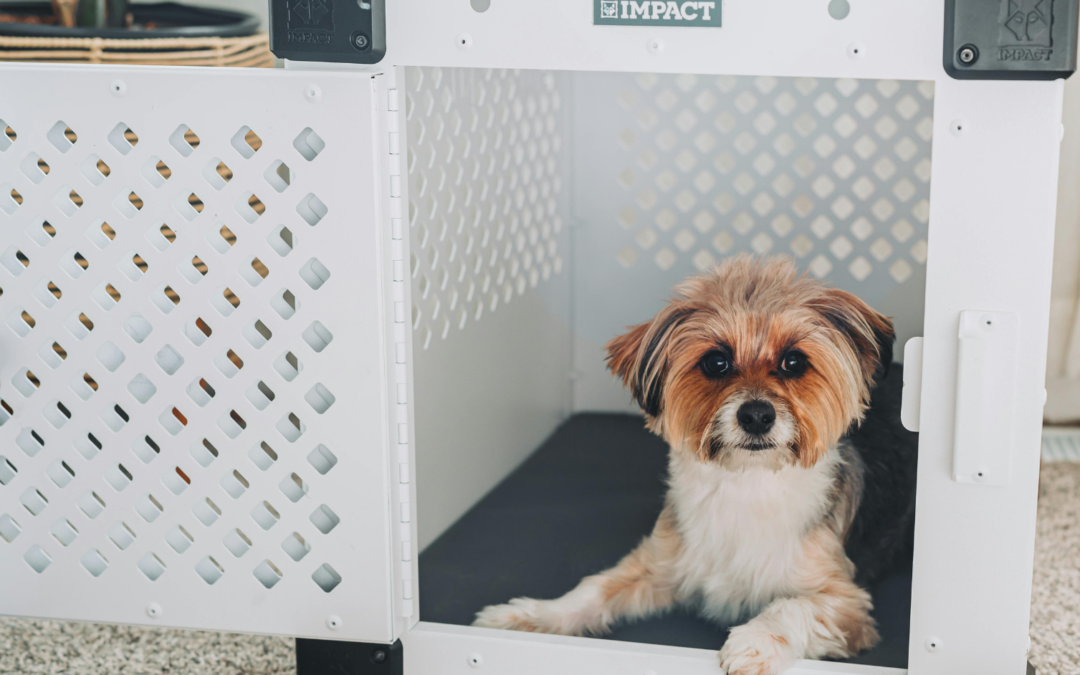
Obedience training supports faster potty training because it establishes a communication loop. We help you create a schedule that works for your specific lifestyle. Furthermore, we utilize crate training not as a punishment but to create structure and safety. A crate is a tool to prevent separation anxiety and keep your puppy safe when you can’t supervise them.
The Humane Society of the United States emphasizes that when done correctly, a crate becomes a dog’s sanctuary, not a cage. We help owners avoid common mistakes—like using the crate only when leaving the house—to ensure the puppy views it as a positive space.
Socialization Without Overwhelm
Socialization is a buzzword in the dog world, but it is often misunderstood. Many owners think socialization means letting their puppy meet every dog and person they see on a walk.
Real, healthy socialization is about neutrality. It means your puppy can see another dog or a strange person and remain calm and focused on you. It involves safely introducing them to new textures, sounds, and environments without flooding them with fear.
We teach you how to read your puppy’s body language so you know when they are comfortable and when they need space. Fear Free Happy Homes is an excellent resource for understanding how to socialize your pet in a way that prevents fear and anxiety later in life.

LOGO
What Makes Ruff House Puppy Training Different
We are a veteran-owned small business, not a big-box franchise. That means we bring discipline and structure to the table, but we pair it with empathy and a values-driven approach. We know that life in the D.C., Maryland, and Virginia area is fast-paced, and you need real-life solutions that work outside of a classroom.
We don’t use cookie-cutter programs because your household isn’t a cookie-cutter home. Our dog trainers train the dog in front of us and the family behind the leash. Our style includes a little humor and a lot of honesty. We tackle the hard problems with proven structure.
Most importantly, we offer unlimited post-session support. We know that questions don’t stop just because the training hour is over. When you hit a snag on a Tuesday night, we want you to know we’ve got your back.
What to Expect From Training With Us
When you work with Ruff House, you can expect options that fit your life. From our signature “90-Minute Miracle”—a focused session designed to jump-start behavior improvements—to structured 6-week obedience programs, we have a plan for you.
We customize our approach based on the dog. A high-drive German Shepherd puppy needs a different approach than a laid-back Bulldog. We adjust to ensure success.
However, remember that training is a partnership. As noted by the American Veterinary Society of Animal Behavior, behavior modification takes time and consistency. You should expect to see progress after the first few sessions, but the real magic happens when you apply the tools we give you every single day.
Final Thoughts: Start Early With Your New Puppy, Build Calm for Life
Investing in puppy obedience training in Northern Virginia is an investment in the next 15 years of your life. The work you put in during these early months sets the tone for a lifetime of companionship. Don’t wait until the jumping becomes knocking Grandma over or the playful nipping becomes a bite risk in group classes or group settings.
Training should feel doable, rewarding, and even fun. This helps your dog learn while creating a better relationship between the two of you. If you are ready to stop stressing and start enjoying your dog, we are ready to help.
- Schedule your 90-Minute Miracle now.
- Claim your spot—training sessions fill fast!
- Because your dog won’t train himself.