I often meet owners who aren’t looking for a perfectly trained show dog that can balance a treat on its nose for an hour. They just want peace in their homes. They want to drink their morning coffee without being jumped on, and they want to walk down Main Street or around the Annapolis waterfront without their arm getting pulled out of its socket.
You face everyday challenges that can make life stressful: pulling on walks, barking at visitors, and ignoring commands the second you get near a distraction like a squirrel or another dog. If you live in Annapolis, you know that distractions are everywhere—from the bustling energy of City Dock to the winding trails at Quiet Waters Park.
Obedience training for dogs isn’t just about showing off new tricks; it’s about establishing reliable communication, ensuring safety, and earning freedom for both you and your dog. Let me walk you through what obedience training should actually accomplish, and give you a checklist to measure your progress.
Get the Ruff to Ready framework and start making progress with your dog today.
"*" indicates required fields
What Obedience Training for Dogs Should Accomplish
When done correctly, training changes the dynamic of your entire household. It shouldn’t feel like a chore you dread; it should be the pathway to a better life with your best friend.
First and foremost, training establishes reliable communication. It means your dog understands what you want, and you understand what your dog needs. This eliminates the frustration of shouting “No!” repeatedly with zero results.
Secondly, it dramatically improves safety. A dog that listens to “wait” at an open door won’t bolt into traffic. A dog with a solid recall can play fetch without you panicking. The American Kennel Club (AKC) highlights that training is the single most important thing you can do for your dog’s well-being.
Finally, training creates calm behavior around distractions. Whether you are hosting a dinner party or navigating a busy sidewalk, your dog should look to you for guidance rather than reacting to the environment. This builds confidence for both of you. It’s about real-life behavior, not just perfect performance in a quiet, empty room.
What is the best age for obedience training?
I explain to my clients that training can start as early as 8 weeks old. Puppies are sponges! However, it is never too late to begin. Whether you have a puppy or a senior rescue, consistency and structure matter far more than age.
Obedience Training Checklist (Dog Obedience Training Essentials)
When I evaluate a dog’s progress, I don’t look for circus tricks. I look for core skills that make living with a dog enjoyable. Here is the checklist I use.
Reliable Recall
Does your dog come when called, even when there is something more interesting happening? This is the holy grail of training. If your dog only comes when you are holding a piece of cheese in the kitchen, you don’t have a reliable recall. We need to practice in different environments so that recall equals safety and freedom. PetMD offers great tips on why this skill is non-negotiable for safety.
Loose-Leash Walking
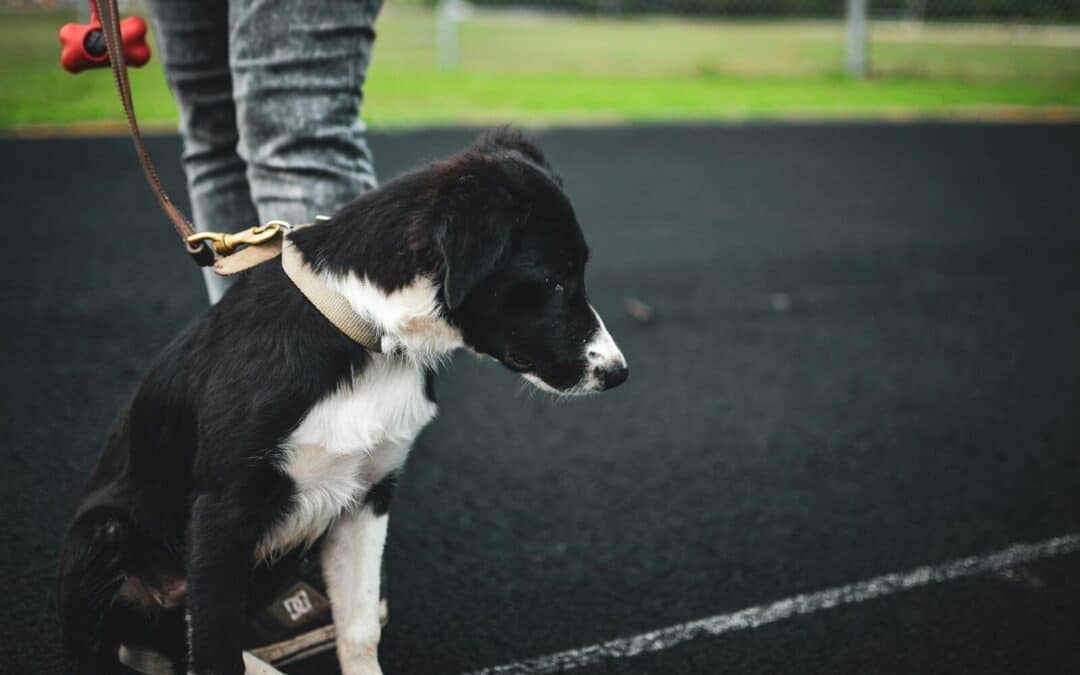
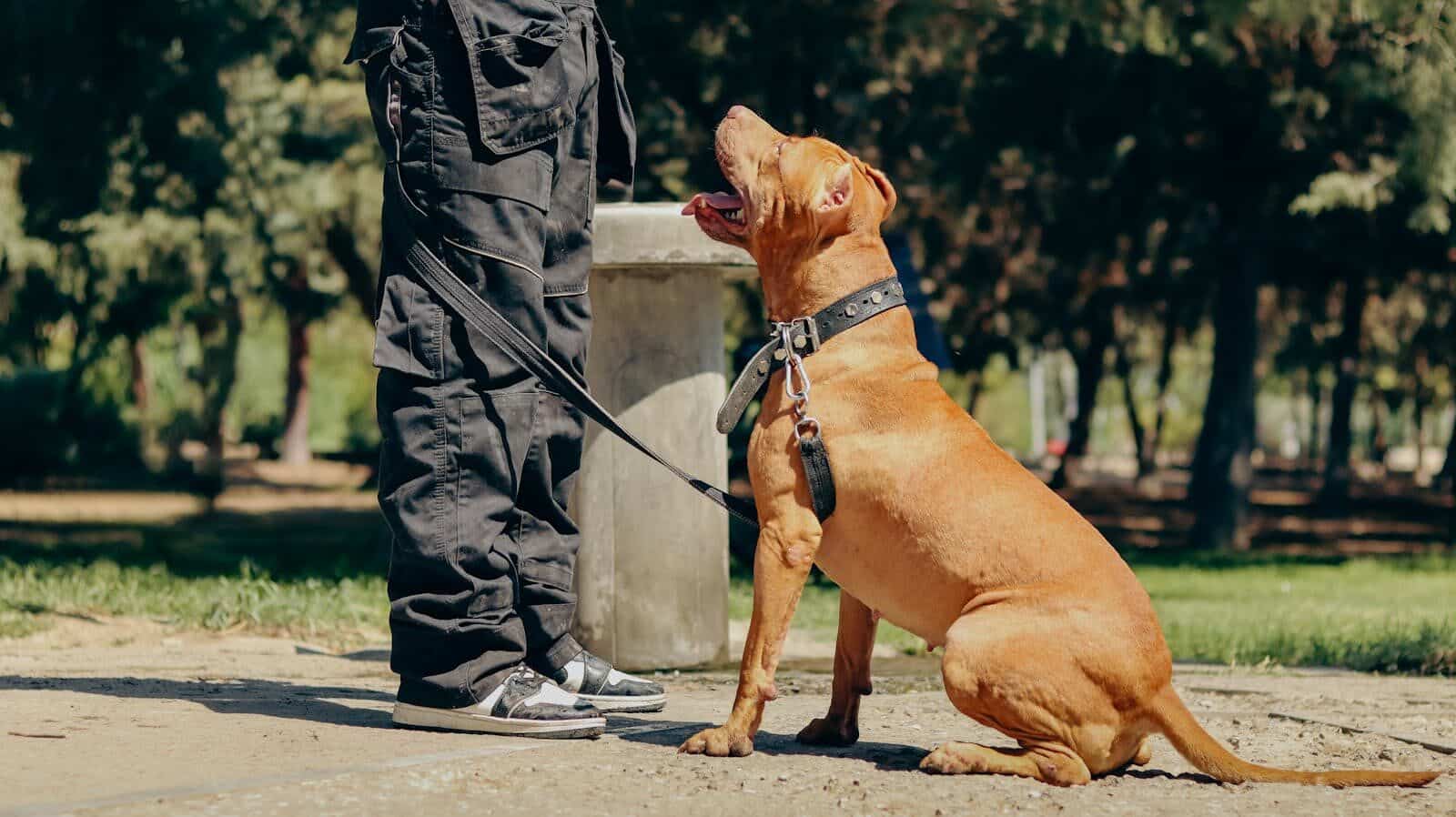
Walks should be relaxing, not a tug-of-war match. I look for a dog that can walk calmly past people, other dogs, and distractions without lunging or dragging you. This is done by training using multiple methods, including shock collars, prong collars, or basic reinforcement training. Structured walks reduce anxiety and improve behavior back at home because the dog is in a “working” mindset, not a frantic one.
Calm Greetings
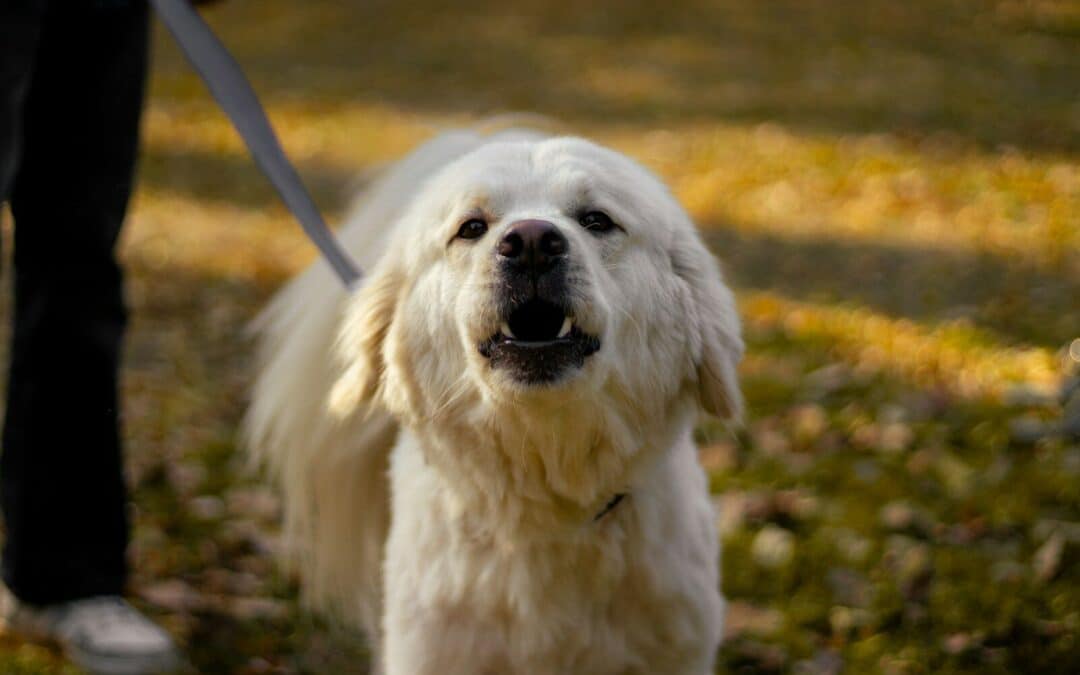
We all love enthusiastic greetings, but 80 pounds of excitement jumping on your grandmother is not fun; it is a liability. Your dog should be able to greet guests without jumping or nipping. This also applies to everyday scenarios like the delivery driver dropping off a package or chatting with a neighbor.
Impulse Control
This is the ability to resist the urge to do something they want to do. Can your dog wait at the door before going out? Can they settle on a specialized mat or “place” while you eat dinner? Can they ignore a dropped piece of food when you say “leave it”? The ASPCA notes that impulse control is often the missing link in behavioral issues.
What are the 7 basic obedience commands for dogs?
Generally, these are: Sit, Down, Stay, Come, Heel (walking at your side), Place (go to your bed), and Leave It. In practical terms, these seven commands cover almost every situation you will encounter in daily life.
Common Dog Training Gaps Owners Miss
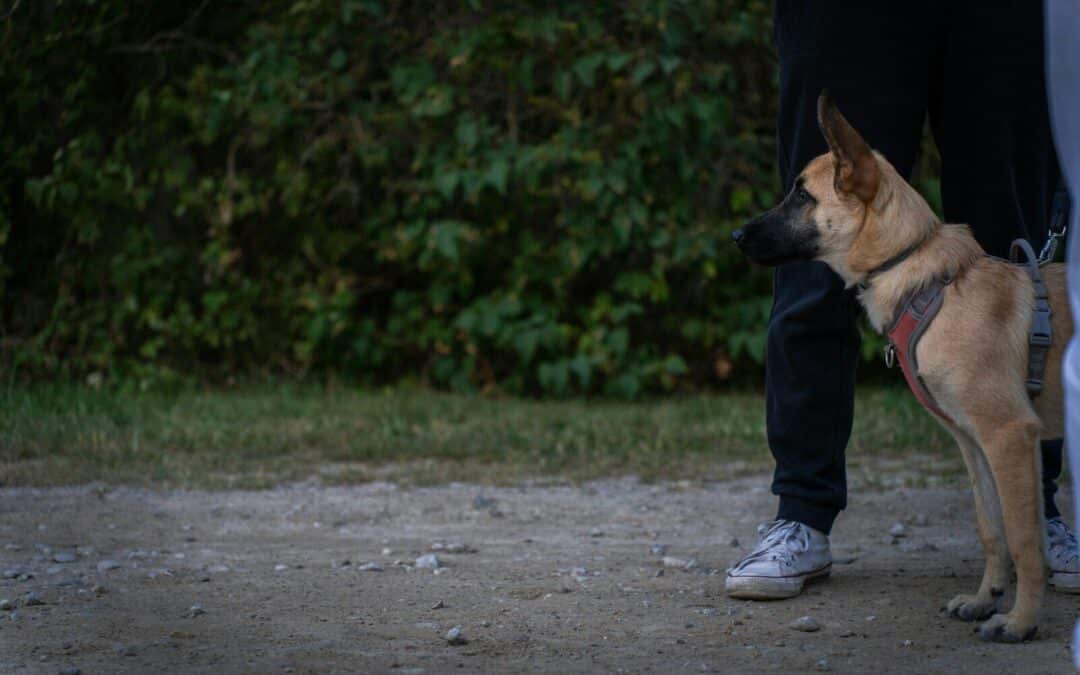
I see these challenges all the time, and they are completely fixable. The biggest gap is context blindness. This happens when owners train their dogs in the living room and assume the dog knows the command everywhere. But to a dog, “Sit” in the kitchen is totally different from “Sit” at the park. You have to watch and train in the environments where you want the behavior to happen.
Another major gap is the inconsistency between family members. If Mom says “Down” means lie on the floor, but Dad thinks “Down” means get off the couch, the dog is going to be confused. Everyone needs to use the same rulebook.
I also see people stopping training too early. They get a few good days and think they are crossed the finish line. But dog training is a lifestyle, not a semester at school. It requires daily structure to maintain. Veterinarians generally agree that consistency is the primary driver of success.
How Structured Dog Obedience Training Helps Long-Term
Structure builds lasting habits. When a dog knows what to expect, their anxiety drops. They don’t have to guess what the rules are today versus yesterday.
This is why customized private training works better than one-size-fits-all classes. Your home, your schedule, and your specific dog’s personality are unique. A group class might teach you how to teach basic commands and basic cues, but it rarely teaches you how to apply it to your specific problem (like your dog barking at the mailman).
One of the things we pride ourselves on at Ruff House is unlimited post-session support. Training isn’t a straight line; you will have setbacks. Knowing you have professional guidance just a phone call away ensures you don’t slide back into old habits.
How do I train my dog to be obedient?
It boils down to consistency, clear communication, daily practice, and seeking professional guidance when you are stuck. The Humane Society emphasizes that patience and positive reinforcement are vital components of this process.
How much does it cost to train a dog to behave?
Costs vary depending on the trainer and the program. However, consider the cost of not training: destroyed furniture, stress, potential vet bills from running into traffic, or liability issues. Investing in effective training usually costs far less than repeated failed attempts with ineffective tools.
Basic Obedience + Positive Reinforcement: Why Balance Matters
Training isn’t about punishment or looking for quick fixes. It’s about being fair. Dogs learn best with clear structure, fair guidance, and rewards for making the right choice.
However, purely “treat-based” training often fails in the real world because the environment is often more rewarding than the treat. That’s why a balanced approach—one that uses positive reinforcement to teach, but also sets clear boundaries—works best for real-world environments. Psychology Today discusses the nuances of different training quadrants effectively.
Start Training Today: Building Better Behavior One Step at a Time
You don’t need to overhaul your entire life overnight. Small daily habits make the biggest difference. Ask for a “sit” before you put the food bowl down. Ask for eye contact before you open the back door.
Training should feel empowering, not overwhelming. At Ruff House, our philosophy is simple: real solutions, real life, real results.
I work with busy families, professionals, first-time puppy owners, and rescue adopters. As a veteran-owned business, I bring a level of discipline and structure to the process, but I pair it with empathy and humor. I’ve helped over 400 happy clients across the region find peace with their pets. Cesar’s Way often reminds us that you are the pack leader, and calm, assertive energy is your best tool.
From Chaos to Calm
Obedience training isn’t about perfection—it’s about progress. It is about moving from a chaotic home where most dogs run the show to a calm home where you enjoy each other’s company.
Every dog can improve with the right structure and guidance. Whether you have a biting puppy or a reactive rescue, peace at home is achievable. You just need the right checklist and the right support.
Book Your Training Session Today.
Download Your Free Behavior Guide
Want to start making changes right now? Download our free guide for quick wins you can implement immediately. It’s the perfect way to start building trust and better behavior before our first session.