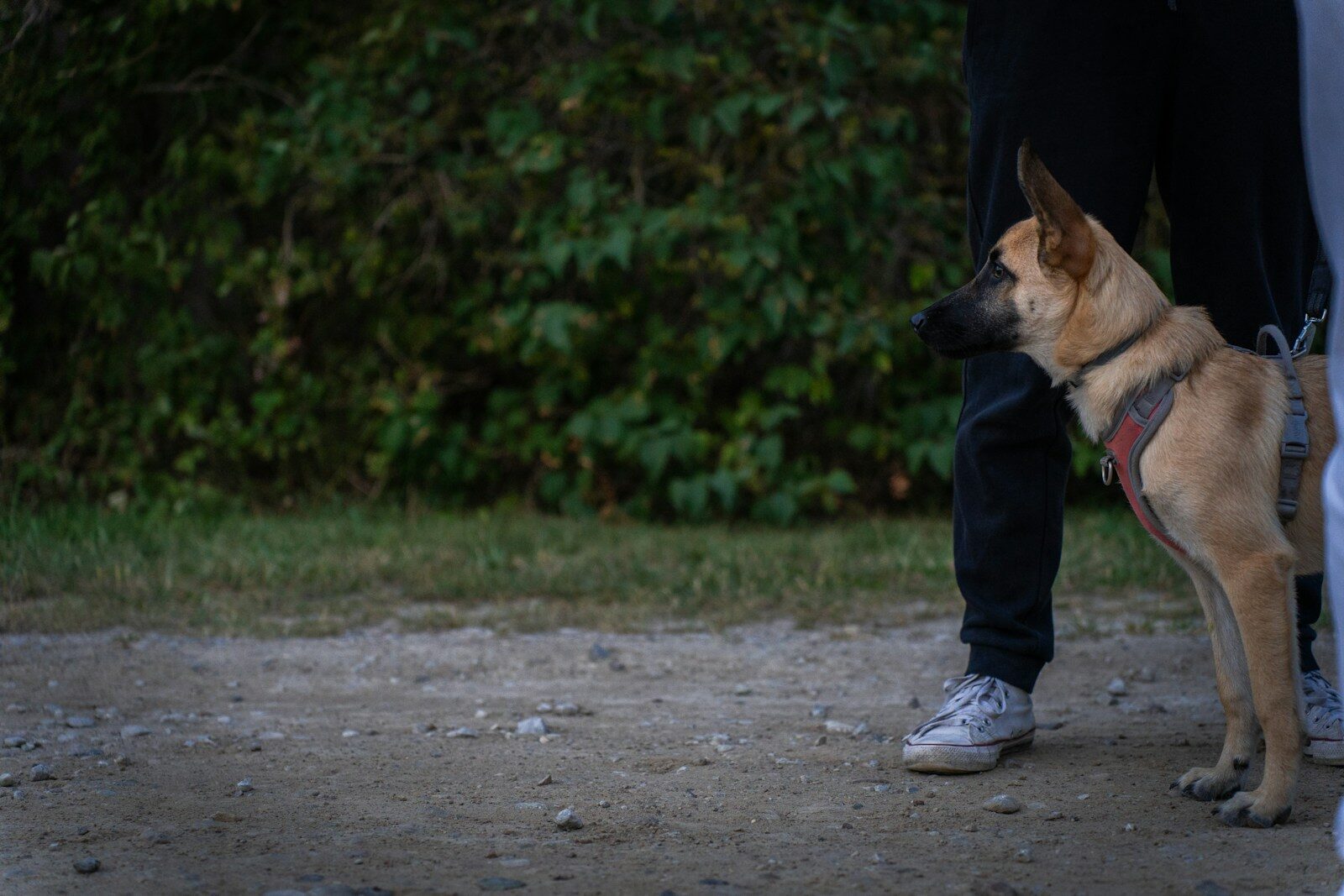
If you live in Alexandria, you know the drill. You want to enjoy a coffee on King Street with your dog resting calmly at your feet, or take a peaceful stroll through Del Ray without your arm being pulled out of its socket. But reality often looks a little different. Instead of a relaxing walk, you’re dodging other dogs on the sidewalk, apologizing to neighbors when your dog barks at the wind, or managing chaos when guests come over. That’s where obedience training for dogs comes in.
You aren’t alone. I work with families across Northern Virginia every week who love their dogs but are exhausted by the daily struggle. They don’t need a circus dog that can do backflips; they just want a companion who listens when it matters.
Obedience training isn’t about robotic perfection. It is about communication, structure, and consistency. It’s about building a language that both you and your dog understand so you can navigate busy family schedules and crowded neighborhoods with confidence.
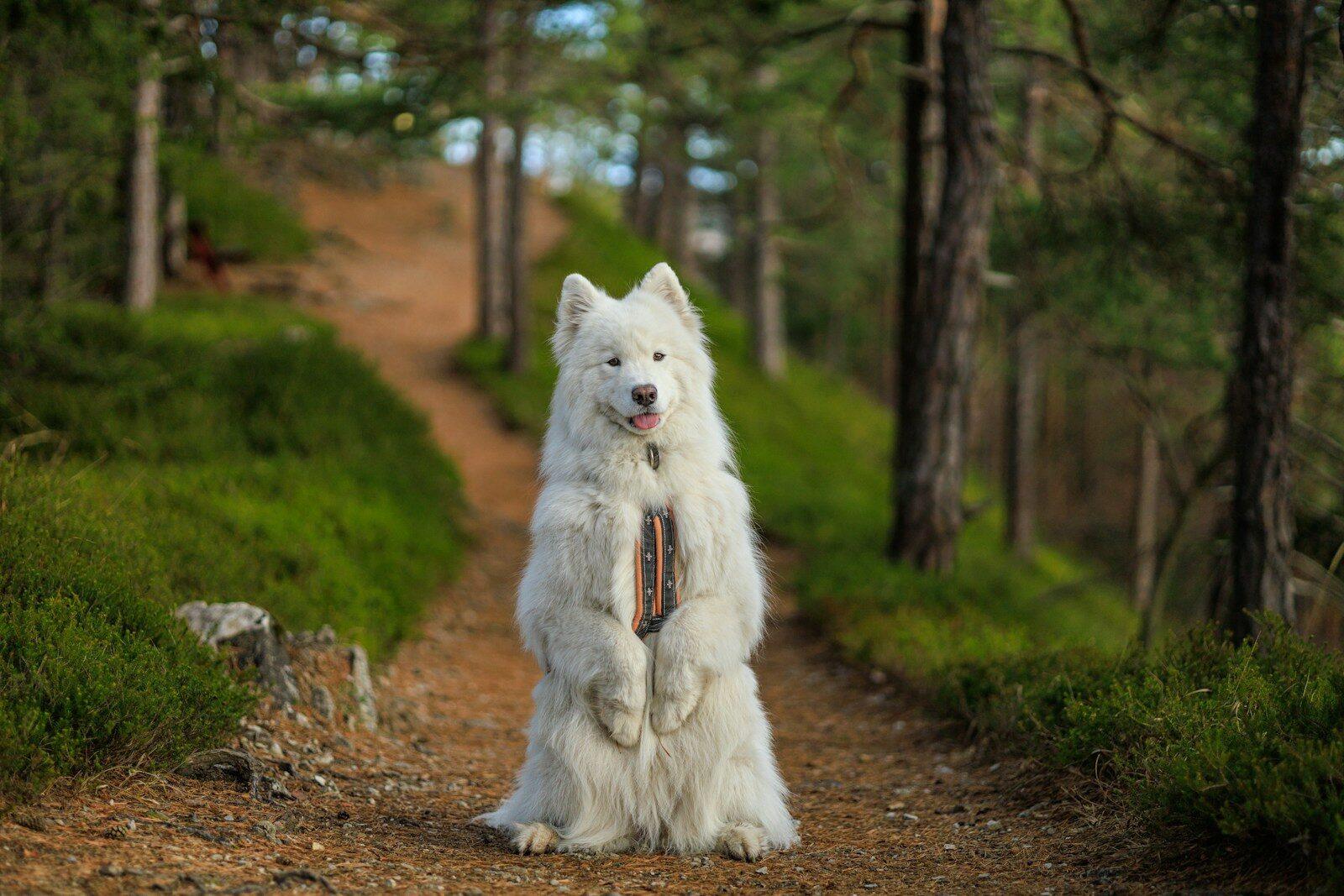
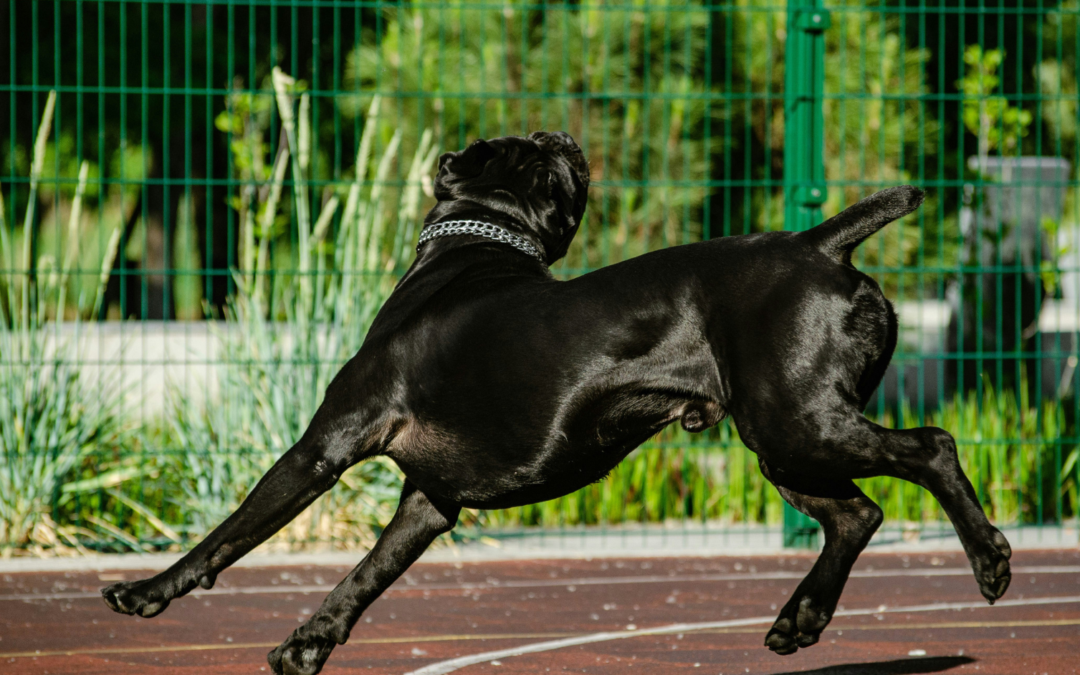
Photo by Barcs Tamás on Unsplash
Get the Ruff to Ready framework and start making progress with your dog today.
"*" indicates required fields
What Obedience Training for Dogs Builds Over Time
When we talk about obedience training for dogs, we often think about the final result: a dog that sits perfectly still. However, the real value lies in the internal skills your dog develops during the process.
Training builds focus and impulse control. It teaches your dog that looking at you is more rewarding than staring down a squirrel or lunging at a passing delivery truck. It creates a communication loop where your dog looks to you for guidance rather than making their own (often poor) decisions.
This doesn’t happen overnight. Real progress happens in layers. First, we teach the concept in a quiet room. Then, we add minor distractions. Finally, we take it to the streets. Quick fixes might suppress behavior for a week, but structured training builds a foundation for long-term household peace and safer walks.
For a deeper dive into how dogs think and learn, the American Kennel Club (AKC) offers excellent resources on canine psychology.
What Is the Best Age for Obedience Training? From New Pets to Adult Dogs
The short answer: right now.
Puppies can start learning structure and engagement as soon as they come home, usually around 8 weeks old. This early stage is critical for socialization. On the flip side, the old saying “you can’t teach an old dog new tricks” is a myth. Adult dogs can absolutely learn new behaviors; they just might have a few old habits we need to untangle first.
Step-by-Step: How Dog Obedience Training Works
Reliability isn’t magic. It’s a process. When I work with clients, we follow a specific progression to ensure the dog understands what is expected before we ask them to perform in difficult environments.
Step 1: Foundation Behaviors (Basic Obedience)
Before we worry about the mailman, we need to master the living room. This stage is about building engagement. We use markers (like “yes” or a clicker) and positive reinforcement to teach the dog that listening pays off. We cover the basics: sit, down, place, recall, and the introduction to leash pressure.
If you are interested in the science behind why reward-based systems work so well for foundation work, The Humane Society breaks down the mechanics of positive reinforcement clearly.
What Are the 7 Obedience Commands for Dogs Used by Professional Dog Trainers?
While every trainer has their own list, these seven are generally considered the core toolkit for a well-behaved dog:
- Sit: The universal “please.”
- Down: Great for settling high energy.
- Stay: Builds impulse control.
- Come: A safety essential.
- Heel: For navigating crowds safely.
- Place: Go to your bed and stay there (a lifesaver during dinner).
- Leave it: Ignore that chicken bone on the sidewalk.
Step 2: Leash Manners and Structured Walks
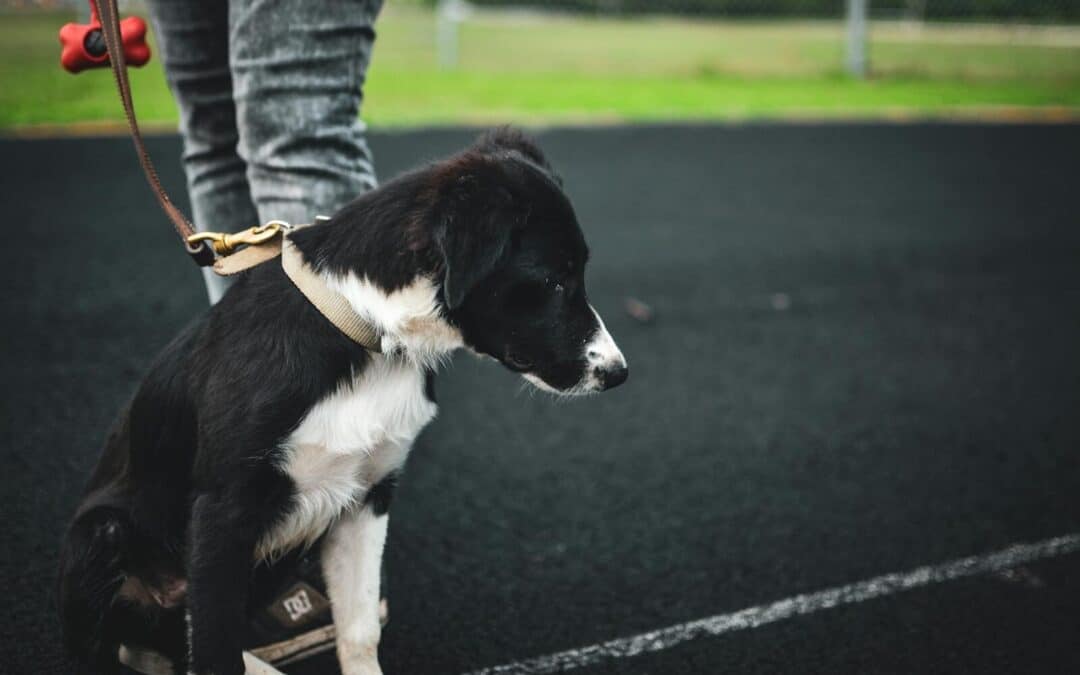
Once the dog understands the basics of potty training, we take it outside. In neighborhoods like Old Town or near the waterfront parks, loose-leash walking is essential. Structured walks reduce anxiety because the dog isn’t frantic; they are following your lead.
Good leadership on the walk sets the tone for the rest of the day. If you struggle with finding safe places to practice, check out the City of Alexandria’s guide to dog parks and rules to find a spot that suits your dog’s current training level.
Step 3: Distraction Training and Focus
This is where the rubber meets the road. A “sit” in the kitchen is easy. A “sit” when another dog walks by requires serious focus. We gradually introduce distractions—other dogs, kids playing, traffic noise—and teach the dog that the rules still apply. We reward them heavily for choosing to engage with their dog owner rather than reacting to the environment.
Understanding your dog’s body language is crucial during this phase. The ASPCA has a great library on reading canine signals, so you know when your dog is stressed or relaxed.
Step 4: Real-World Proofing
Finally, we practice in everyday life. We practice “place” while you eat dinner. We practice “sit-stay” at doorways. We practice “heel” on busy sidewalks. Reliability comes from repetition in the real world, ensuring your dog knows that “come” means “come” whether you are in the backyard or at a park.
Why Consistency Matters in Obedience Training
Dogs are pattern learners. They thrive on repetition and clarity. If “down” means “lie down” on Tuesday but “stop jumping” on Wednesday, your dog will be confused.
Mixed signals are the biggest enemy of progress. If you let the dog pull on the leash when you’re in a hurry but correct them when you have time to train, the pulling will never stop. Training shouldn’t feel like a separate homework assignment; it should fit into your daily routine.
Furthermore, the whole family needs to be on board. If Mom enforces the rules but Dad sneaks table scraps, the dog learns to play the odds.
What Are the Five Golden Rules of Dog Training?
- Be consistent: Rules don’t change based on your mood.
- Reward what you want: Catch your dog being good and pay them for it.
- Correct calmly and clearly: Emotion doesn’t help; clarity does.
- Keep sessions short and focused: 10 minutes of quality work is better than an hour of frustration.
- Practice in real-life environments: Training happens everywhere, not just in class.
For more tips on integrating training into your daily routine, Whole Dog Journal is a fantastic resource for in-depth training advice.
Can I Obedience Train My Dog Myself?
Yes, many pet parents can build strong foundations at home. There is no shortage of books and videos out there. If you have a puppy or a dog with mild behavioral problems or issues, DIY training can be very effective.
However, challenges often arise when you hit a wall. Reactivity (barking/lunging at other dogs), aggression, and anxiety are complex issues. High-energy breeds often need more mental stimulation than the average owner realizes.
Separation Anxiety or Anxiety-Related Behaviors?
If you are dealing with anxiety-related behaviors, it helps to understand the medical side of things. PetMD offers veterinary-reviewed articles that can help you distinguish between a training issue and a medical one.
Sometimes, you need a professional to spot the subtle mistakes you’re making or to give you the confidence to handle a powerful dog. Professional guidance accelerates progress and prevents you from accidentally reinforcing bad habits.
When Private Dog Training Lessons Make a Difference
Group classes are great for socialization, but they often move at the pace of the slowest student. Private dog training lessons with one of our dog-accredited trainers offer a customized plan tailored specifically to your dog and your household.
In my sessions, we address your specific triggers. Does your dog go crazy when the doorbell rings? We train for that. Do they drag you toward every fire hydrant? We fix that. Private training provides accountability and coaching for you, the owner, because ultimately, you are the one living with the dog.
At Ruff House, we do things a little differently. We are veteran-owned, which means we bring discipline and structure to the table, but we pair it with humor and empathy. We offer unlimited post-session support because we know questions will come up after I leave your driveway. With over 400 happy clients, we focus on real-world training that actually works.
If you are looking for general safety tips for your pet at home, Best Friends Animal Society has comprehensive guides on keeping your pets safe and happy.
Additionally, for those interested in the broader benefits of pets in our lives, the Human Animal Bond Research Institute (HABRI) publishes fascinating studies on how reliable pets improve our mental health.
Book Your Training Session Today
Schedule Your 90-Minute Miracle Now

LOGO
Structure Creates Freedom
Many people worry that obedience training will break their dog’s spirit or make them robotic. The opposite is true. Structure creates freedom.
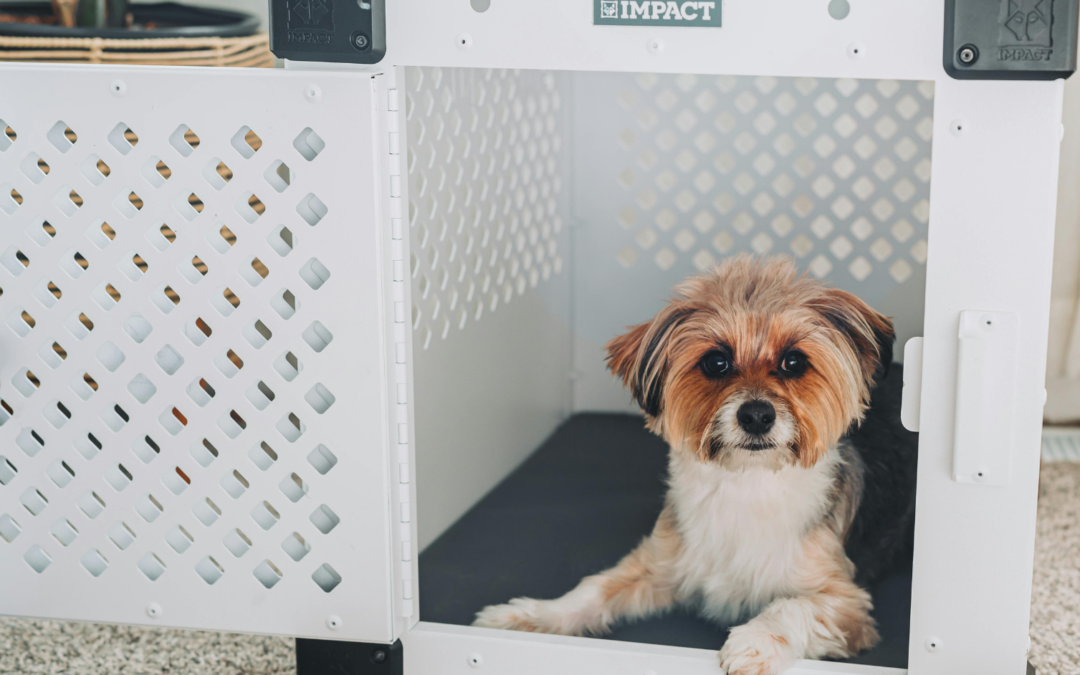
When your dog has a reliable recall, they get to run off-leash in safe areas. When they have polite leash manners, they get to go on more walks and outings. When they know how to settle on a “place” command, they get to be part of family movie night instead of being locked in a crate. Crate Training can be helpful for dogs who freak out in the crate. Contact Ruff House Dog Training for help!
Obedience training isn’t about control—it’s about clarity and trust. If your daily walks are stressful or your home feels chaotic, please know that you aren’t alone, and it is fixable. The sooner training begins, the sooner life gets easier for both you and your furry friend.
End the Barking, Chewing, and Chaos. Claim Your Spot—Training Sessions Fill Fast!