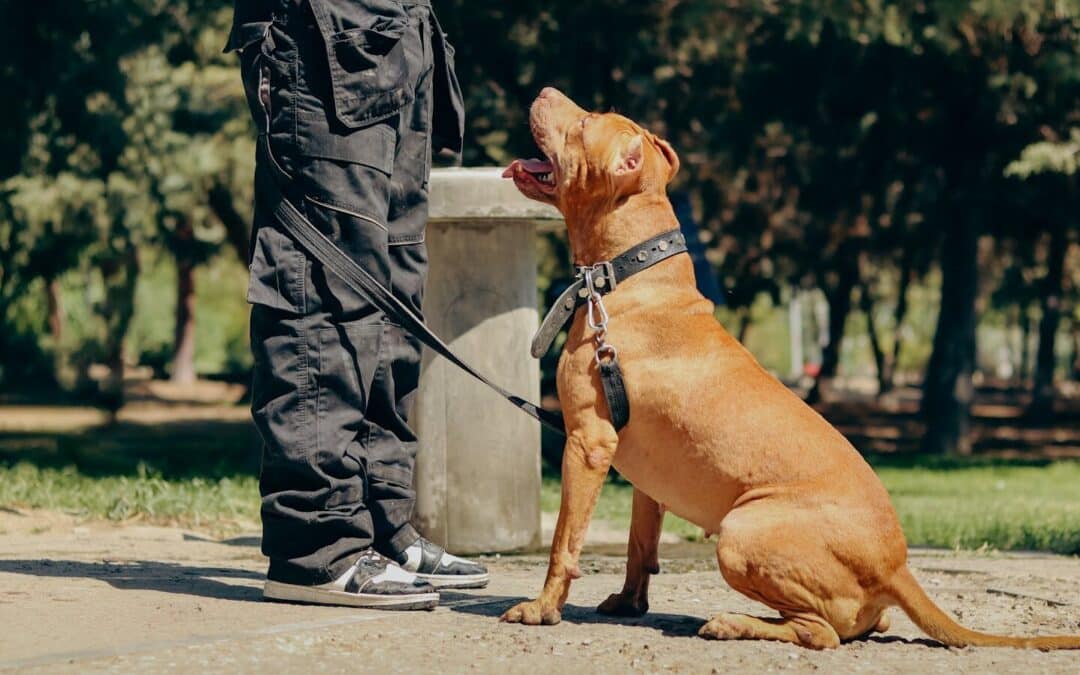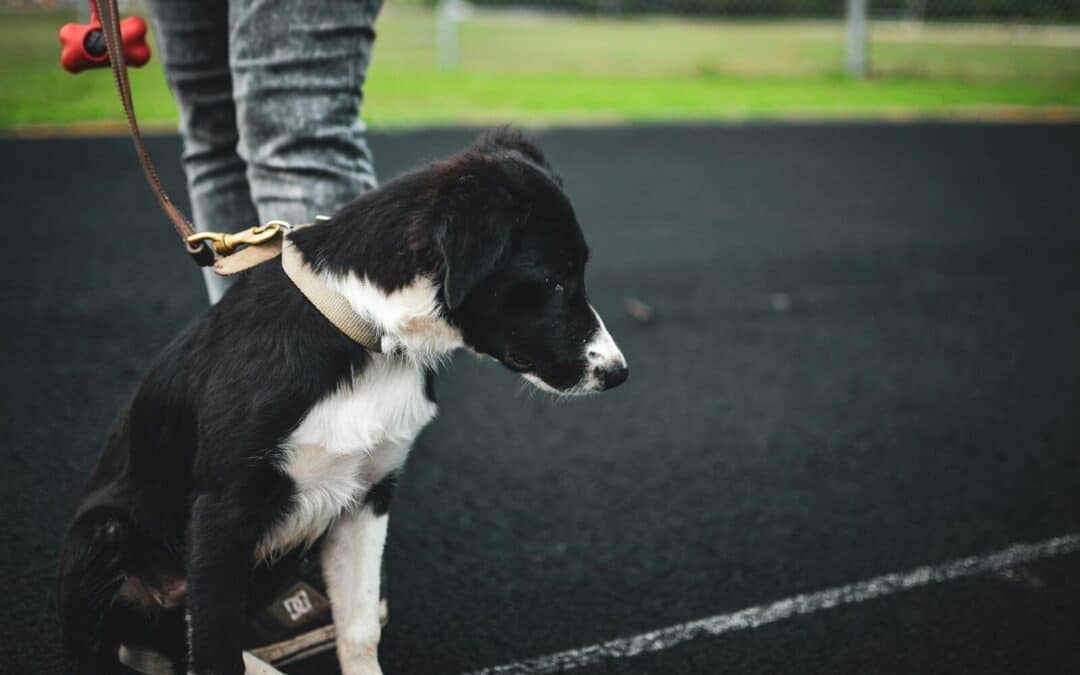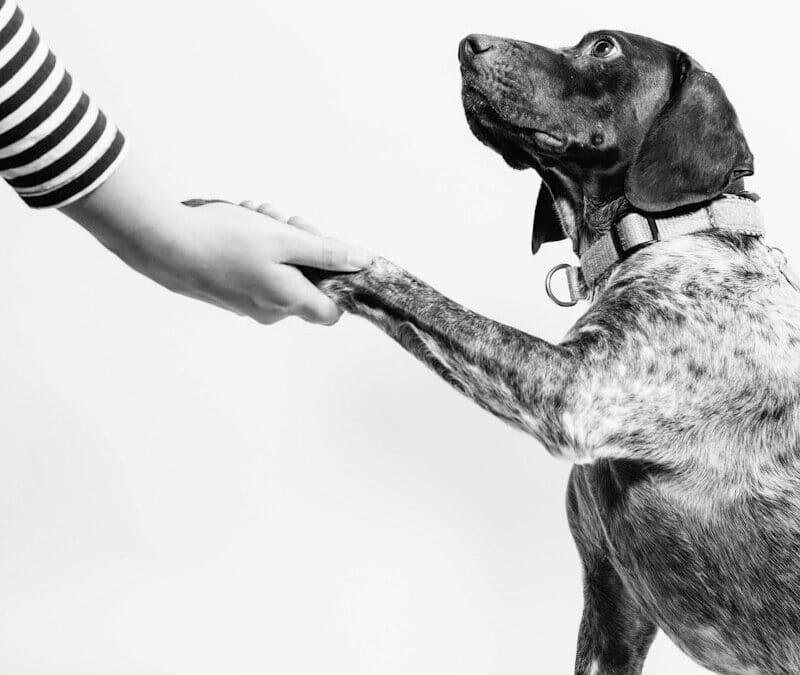
Let’s be honest for a second. Life in Northern Virginia is busy. Between the beltway traffic, demanding jobs, and managing a household, the last thing you need is to come home to a dog that treats your living room like a parkour course or drags you down the sidewalk during your evening walk.
As a local dog trainer right here in the DMV, I see it every day. I meet owners who love their dogs deeply but are secretly frustrated. They see those “perfect” dogs on Instagram—the ones that sit calmly at breweries or hike off-leash without bolting—and wonder where they went wrong.
Here is the truth: You haven’t failed. You’re just dealing with a real dog in the real world.
If your dog only listens when you’re holding a piece of cheese in a silent room, that’s not obedience—that’s bribery. Real dog obedience training is about helping your dog navigate our chaotic human world with confidence. Whether you have a new young dog or a stubborn rescue, moving from chaos to calm is possible.

Get the Ruff to Ready framework and start making progress with your dog today.
"*" indicates required fields
What Dog Obedience Training Really Means in the Real World
When people hear “obedience training,” they usually think of a well trained dog sitting like a statue. But in my training experience, “sit” and “stay” are just the tip of the iceberg. True obedience is about communication, structure, and household manners.
It’s about the practical stuff that makes living with a dog enjoyable rather than stressful. It looks like:
- Loose leash walking past other dogs on a busy sidewalk without your shoulder getting dislocated.
- Calm behavior when the doorbell rings, rather than a chaotic explosion of barking.
- Reliable recall (coming when called) even when there is a squirrel, a skateboarder, or another dog nearby.
Many cookie-cutter puppy training classes fail because they focus on tricks rather than lifestyle. If your dog can “shake” but still jumps on your grandmother, we have some work to do. We need to focus on stopping the barking, chewing, and chaos by establishing clear leadership and communication.
The 3-3-3 Rule for Dogs: What It Is and Why It Matters
If you have recently adopted a rescue dog or brought home a new puppy, you might be wondering why they are acting like an angel one day and a terror the next. Enter the 3-3-3 Rule. This is a general guideline that represents the phases a dog goes through when adjusting to a new home.
The First 3 Days: Decompression
Your dog is likely overwhelmed. They may sleep a lot, refuse to eat, or seem shut down. This isn’t the time for big outings or parties. They need a safe, quiet space to decompress.
The First 3 Weeks: Learning the Routine
Your dog is starting to settle in. They are learning when walks happen and where the food comes from. However, this is also when behavioral issues can start popping up as they test boundaries.
The First 3 Months: Building Trust
By now, your dog feels at home. Their true personality is emerging. This is when real trust and bonding happen, but it’s also when ingrained habits (good or bad) solidify.
Understanding this timeline and your dogs body language is critical. Many owners panic at the three-week mark because their “quiet” dog suddenly starts barking. That is just the dog feeling comfortable enough to express themselves. Professional guidance during these phases can speed up the adjustment process significantly.
The 7-7-7 Rule: Understanding Your Dog’s Learning Window
While the 3-3-3 rule is about adjustment, the “Rule of 7s” (often adapted as the 7-7-7 concept) is about socialization. It’s a heuristic used by breeders and trainers to ensure puppies are exposed to enough variety to become confident adults.
The concept suggests that by the time a puppy is 7 weeks old (and continuing through 7 months), they should have been exposed to:
- 7 different types of surfaces (grass, gravel, carpet, concrete, etc.)
- 7 different types of people (kids, adults, people with hats, people in uniforms)
- 7 different physical environments (car, crate, backyard, kitchen)
Why does this matter? Because exposure builds confidence. A dog that has never walked on a metal grate or seen a person with an umbrella is more likely to react with fear later in life.
If you missed this window, don’t panic. It doesn’t mean you have failed; it just means we need to approach training with a focus on confidence-building and desensitization. We customize our training based on age, breed, and history to fill in those gaps.
What’s the Best Age for Obedience Training?
The short answer? Now.
There is a common myth that you should wait until a dog is 6 months old to train. Please don’t do that. Here is how training needs differ by age:
- Puppies (8 weeks – 16 weeks): This is the critical socialization window. You are teaching them how to learn.
- Adolescents (6 months – 18 months): The “teenage” phase. They will challenge you, ignore you, and seemingly forget everything they know. This stage requires patience and firm consistency.
- Adult Dogs: It is about breaking bad habits and rebuilding structure.
- Senior Dogs: Yes, old dogs can learn new tricks. Training provides mental stimulation that keeps their brains sharp.
Age matters less than your approach. Consistency is the magic ingredient, regardless of whether your dog is 8 weeks or 8 years old.
Red Flag Dog Behaviors You Shouldn’t Ignore
We all have bad days, and so do our dogs. But there are certain behaviors that go beyond “naughty” and require professional intervention immediately. Do not try to “wait it out” with these:
- Resource Guarding: Growling, snapping, or stiffening when you approach their food, toys, or sleeping spot.
- Aggression: Any intent to harm people or other animals.
- Extreme Reactivity: Uncontrollable lunging, barking, or redirecting frustration onto you while on the leash.
- Shutdown: A dog that is so fearful they refuse to move, eat, or interact.
The danger of DIY fixes—or worse, bad advice from social media—is that you can accidentally make these behaviors dangerous. If you are seeing these red flags, book a private training session immediately. Safety comes first.
Loose Leash Walking: Why It’s One of the Hardest Skills
If I had a nickel for every client who said, “He’s perfect inside, but a nightmare on the leash,” I’d be retired.
Loose leash walking is difficult because dogs have a natural “opposition reflex”—if you pull back, they instinctively pull forward. Furthermore, the outside world is infinitely more interesting than the person holding the leash.
We fix this not just with tools, but by changing the relationship. If your dog checks in with you and looks to you for direction, the leash becomes loose naturally. It’s about engagement. We use structured sessions to teach your dog that the most rewarding thing in the environment is you, not the squirrel across the street.
Why Working With a Local Dog Trainer Matters
In Northern Virginia, you have a lot of options, including big-box store classes and national franchises. So, why choose a local, veteran-owned business like Ruff House Dog Training?
- Discipline and Consistency: As a veteran-owned business, we bring a level of structure and accountability to training that gets results.
- Customized In-Home Training: We come to you. We train in the environment where the problems actually happen—your living room, your neighborhood, your yard.
- Unlimited Support: This is our biggest differentiator. We are not a franchise that churns you out after 6 weeks. We offer unlimited access for you to call with issues that occur after the session. We are partners in your success.
- Proven Results: We have over 400 happy clients across the DMV who have moved from stress to success.
Our Training Options at Ruff House Dog Training
We don’t believe in one-size-fits-all, but we do have proven programs designed to fit real life.
90-Minute Miracle
This is our signature session. It’s designed for quick clarity and immediate structure. In just over an hour, we tackle specific behavioral issues and give you actionable tools you can use immediately. It’s perfect for owners who need a “reset” button.
6-Week Obedience Program
For those who want a comprehensive overhaul, this program covers foundations, manners, and reliability. We tackle house training, biting, chewing, and reliable obedience commands.
Custom Training
Have a complex case involving fear or aggression? We build fully custom training plans to address specific behavioral needs.
Helpful Resources for Pet Parents
Education is a huge part of being a successful dog owner. In addition to working with a trainer, here are seven excellent, non-competitive resources to help you understand dog behavior and health:
- American Veterinary Society of Animal Behavior (AVSAB) – Essential reading on socialization and humane training methods.
- Fear Free Happy Homes – Tips and tricks for ensuring your pet’s emotional well-being at home and at the vet.
- ASPCA Dog Care & Behavior – A massive library of articles covering everything from nutrition to common behavior problems.
- The Association of Professional Dog Trainers (APDT) – Great general information for pet owners on how dogs learn.
- International Association of Animal Behavior Consultants (IAABC) – High-level resources for understanding complex behavior issues.
- AKC Canine Good Citizen Program – A great goal to aim for! This outlines the gold standard for well-mannered dogs in the community.
- Humane Society of the United States – Excellent guides on positive reinforcement training basics.
Final Thoughts: From Chaos to Calm Is Possible
If you are reading this and feeling guilty because your dog isn’t “perfect,” please stop. You are here, you are doing the research, and you care. That puts you ahead of the pack.
Training strengthens the bond between you and your dog. It turns a stressful roommate situation into a genuine partnership. You don’t have to live with the barking, the pulling, or the anxiety.
Ready to make a change?