If your dog turns into Cujo every time the doorbell rings, you aren’t alone. You might love your dog more than anything, but living with aggressive behavior is exhausting. It means walking on eggshells in your own home, feeling embarrassed when neighbors walk by, and constantly worrying about safety when your dog acts aggressively. You may need aggressive dog training.
Many owners in Northern Virginia feel a deep sense of shame when their dog acts out, but here is the truth: aggression doesn’t mean you have a “bad dog.” More often than not, it means there is a breakdown in communication. Your dog isn’t trying to rule the house; they are likely confused, fearful or lacking the structure they need to feel safe.
At Ruff House Dog Training, we don’t believe in judgment. We believe in fixing the root of the problem through clear leadership and structure. We move families from chaos to calm by teaching dogs how to make better choices.

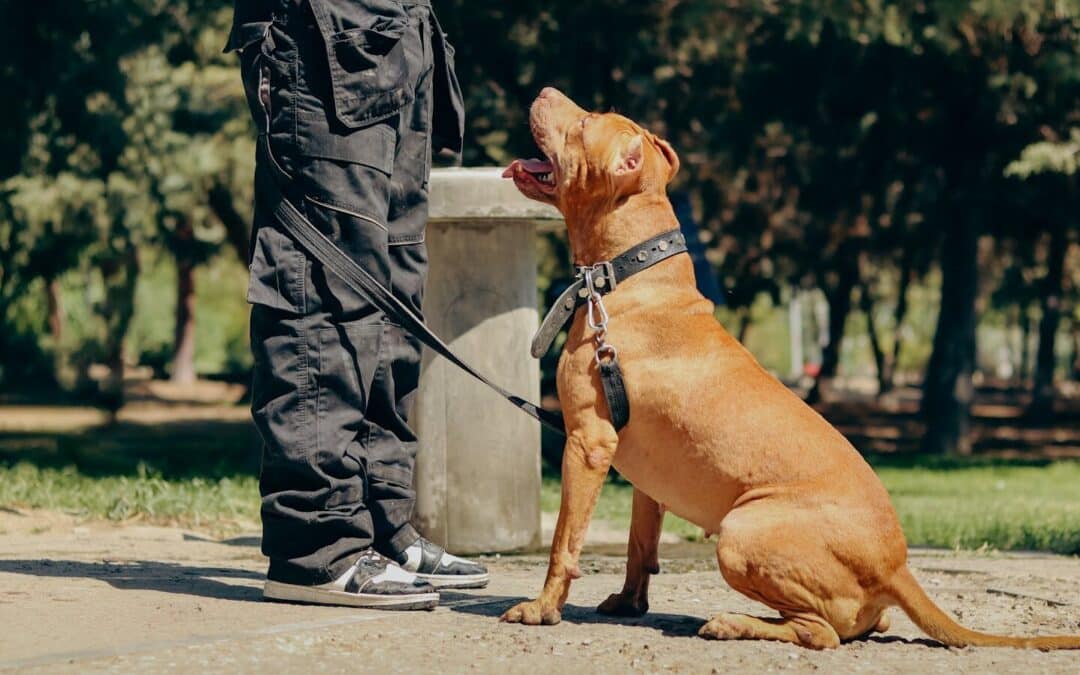
Photo by Samuell Morgenstern on Unsplash
Get the Ruff to Ready framework and start making progress with your dog today.
"*" indicates required fields
Aggressive Dog Training Is Not About Punishment
There is a common misconception that aggressive dog training requires harsh punishment, yelling, or physical dominance. You might have heard old-school advice about “alpha rolling” your dog or showing them “who’s boss.”
In reality, these methods often make dog aggression worse. If a dog is acting out of fear, aggression intimidation only confirms their fears. Instead, our approach focuses on safety, clarity, and structure.
We define aggressive behavior as any reaction intended to increase distance between the dog and a trigger. This includes:
- Lunging on the leash
- Snapping when touched
- Growling over food or toys
- Biting or nipping
Every dog has a reason for reacting. Our job is not to suppress the warning signs but to uncover the underlying cause and teach the dog a different way to handle their stress. For a deeper understanding of what aggression looks like, the ASPCA offers a comprehensive guide on common canine behavior issues.
Understanding Dog Aggression Starts With the “Why”
To fix the behavior, you have to understand where it comes from. Aggressive dogs are rarely “born bad.” Their behavior is usually a symptom of a deeper issue.
Common Causes of Aggressive Dog Behavior
- Fear-Based Aggression: This is the most common culprit. If a reactive dog feels trapped or threatened, they may lash out to protect themselves.
- Resource Guarding: This happens when a dog becomes overly protective of food, toys, or even people. PetMD explains the nuances of resource guarding here.
- Pain Aggression or Medical Issues: Sometimes, a dog that suddenly becomes aggressive is actually hurting. It is always wise to rule out medical issues with a vet. The VCA Hospitals guide to pain-related and other types of aggression is a great resource for this.
- Territorial Instincts: Some breeds are wired to protect their home, but without structure, this can turn into dangerous behavior toward guests.
Communication Breakdown
Dogs react aggressively when they feel confused or unsupported. For example, if your dog sees another dog on a leash and feels anxious, they look to you for guidance. If you are tense or silent, they may decide they need to take matters into their own paws and bark or lunge to keep the other dog away.
No two dogs are the same. A customized approach that’s based on your dog’s personality is essential because what works for a confident, pushy dog won’t work for shy, fearful dogs.
What a Professional Dog Trainer Actually Fixes
When you hire a professional dog trainer, you aren’t just paying for someone to teach your dog to “sit.” You are paying for behavior modification.
We don’t just stop the bad behavior; we change the dog’s state of mind. Here is what we assess when we walk into your home:
- Triggers: What specific things set your dog off?
- Environment: Is the layout of your home contributing to the stress?
- Owner Habits: Are you accidentally rewarding or giving positive reinforcement for the wrong behaviors?
We focus on teaching dogs to think before they react. Instead of lunging at a stranger, we teach them to look to you for direction. This requires teamwork. Training well behaved dog isn’t magic, and it isn’t a passive process. It requires you to widen your dog’s exposure and maintain the training when we aren’t there.
For more on how professionals approach these issues, The Spruce Pets outlines the basics of behavior modification.
Early Signs Dog Owners Should Not Ignore
Many owners wait until a bite occurs before seeking help. However, the earlier you address dog aggression training, the easier it is to resolve.
Red Flags to Watch For
- Low growling when you approach their food bowl or resting spot.
- Stiff body language when strangers enter the home.
- Lunging or intense staring at other dogs during walks.
- Snapping at hands when their collar is grabbed.
Aggression is a behavior that gets stronger the more it is rehearsed. If your dog practices lunging at the mail carrier every day for a year, that habit becomes ingrained.
Seeking help doesn’t mean you have failed as an owner. It means you are responsible enough to get the professional help your dog needs. For a list of warning signs regarding biting, check out this article by the American Kennel Club (AKC).

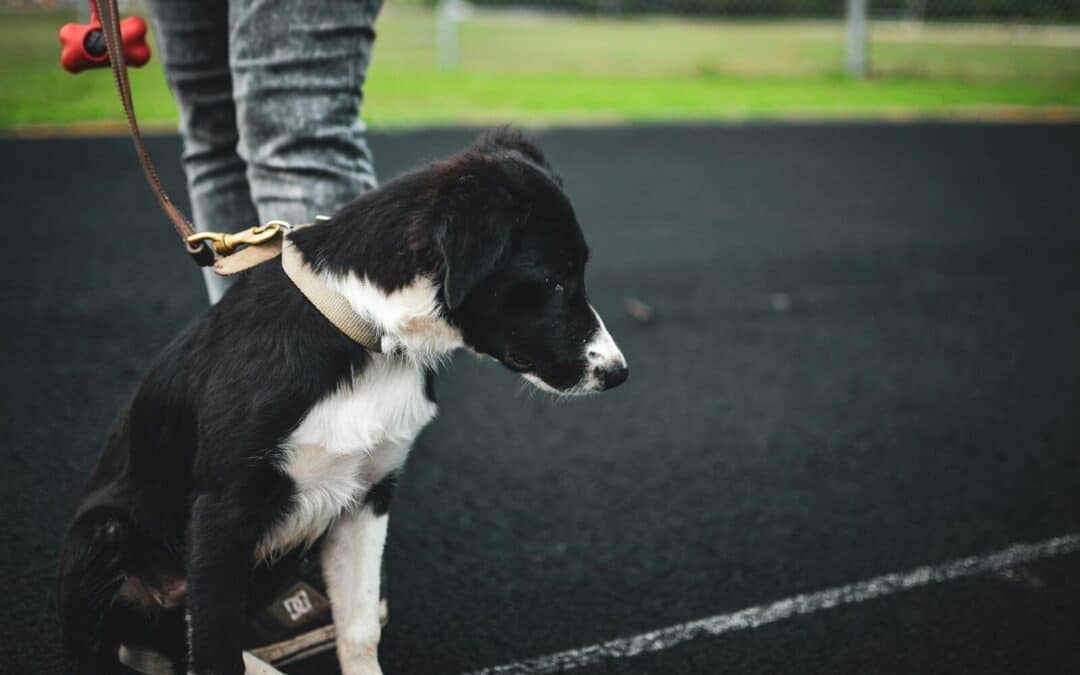
Photo by Min Square_97 on Unsplash
How Much Does Aggressive Dog Training Cost in Northern Virginia?
We believe in transparency. The cost of a dog training program varies based on the severity of the canine aggression, the dog’s history, and your specific goals.
However, it is helpful to reframe the cost. What you are really paying for is safety and peace of mind. The cost of training is significantly lower than the cost of:
- Liability lawsuits from a dog bite.
- Emergency vet bills from dog fights.
- The emotional toll of rehoming a beloved pet.
The Ruff House Difference
We are not a franchise. We are a veteran-owned small business. That means when you work with us, you get personalized attention, not a cookie-cutter corporate script.
Our programs, like the “90-Minute Miracle,” are designed to give you maximum value. Plus, we offer unlimited post-session support. If a new issue pops up three months later, you can call us. We are in your corner for the long haul.
How Structure Changes Aggressive Behavior
Structure is often the missing piece for aggressive dogs. In plain language, structure means clear rules, consistent leadership, and predictable routines.
Why Structure Matters
When a dog doesn’t know the rules, they feel anxious. They feel like they have to be in charge of their own safety. By implementing structure, you tell the dog, “I’ve got this. You don’t need to worry.”
Examples of structure include:
- Place Command: Teaching your dog to stay on a specific mat or bed while guests enter. This keeps everyone safe and lowers the dog’s arousal.
- Leash Handling: teaching a dog to walk calmly beside you rather than pulling ahead helps establish your role as the leader of the walk.
- Thresholds: Asking your dog to sit and wait before going out the door prevents them from rushing into potential triggers.
Structure calms the nervous system. When expectations are clear, the dog relaxes. This builds trust, not fear. To learn more about the psychology of structure, Whole Dog Journal offers excellent insights.
Why Ruff House Dog Training Works for Dog Aggression and Behavior Modification
We have worked with over 400 clients across the DMV, from first-time puppy owners to families dealing with severe aggression. Our approach works because it is based on real life.
Our Methodology
- Veteran-Owned: We bring military-grade discipline and integrity to our training, but we pair it with empathy.
- Honest Coaching: We won’t sugarcoat the situation, but we will give you a clear path forward.
- Humor: Dealing with aggression in dogs is stressful. We use humor to lighten the mood and help you relax, which helps your dog relax.
We focus on results: safer homes, confident owners, and desired behavior from your dog. The emotional payoff is huge. Imagine being able to walk your dog without panicking or having friends over without locking the dog away.
If you are looking for general tips on choosing the right trainer for your needs, Asheville Humane Society provides a helpful article.
Progress Is Possible With the Right Dog Training
Aggression doesn’t have to be the end of the story. It doesn’t define your dog, and it doesn’t define your relationship with them.
With the right structure, clear communication, and consistency, change happens. We have seen dogs that were deemed “untrainable” become calm, happy family members.
If you are ready to stop the chaos and start enjoying your dog again, we are here to help.
Schedule Your 90-Minute Miracle or 6-week Obedience Training Program Now.