If your dog thinks “sit” means “sprint in the opposite direction,” you’re in the right place. For many overwhelmed dog parents in the DC area, managing a pup with a mind of its own can feel chaotic and isolating. But transformation is not only possible—it’s our specialty.
We’re Ruff House Dog Training, a veteran-owned business serving Washington, DC, Maryland, and Virginia. Our approach is a straightforward training experience: no fluff, no-BS training rooted in structure, humor, and real-world behavior change. We offer personalized, honest, and judgment-free coaching to help you build a confident, well-behaved companion. Let’s turn that chaos into calm.
What is Dog Obedience Training, Really?
Dog obedience training is about much more than just teaching commands like “sit” and “stay.” It’s about building a clear, consistent communication system between you and your dog. True obedience means having a reliable companion you can trust—whether you’re navigating a busy DC sidewalk or relaxing at home with guests.
Our style is structured, upbeat, and practical. We use a balanced approach that combines positive reinforcement with clear accountability to help your dog understand expectations. It’s not about outdated dominance theories; it’s about creating a partnership built on trust and mutual respect.
Ready to communicate better with your dog? Sign up for your training session today.
Understanding the 3-3-3 Rule in Dog Training
Adopting a new dog is exciting, but it’s crucial to have realistic expectations. The 3-3-3 Rule is a popular guideline that helps owners understand the adjustment period for a new rescue dog, but it applies to any dog entering a new environment.
- First 3 Days: Your dog will likely feel overwhelmed and may seem shut down or test boundaries. This is their initial decompression phase.
- First 3 Weeks: Your dog starts to settle in, learn your routines, and reveal their true personality. This is when early training begins to stick.
- First 3 Months: Your dog feels secure, trusts you, and has built a real bond. This is when their training solidifies, and they truly feel at home.
Whether you have a new puppy, a rescue dog, or a reactive adult, understanding this timeline helps manage expectations. Our programs are designed to support you through each phase, offering guidance and structure when you need it most. We provide no-judgment, real solutions for every stage of your dog’s journey.
What’s the Best Age for Obedience Training?
It’s a common question with a simple answer: you can start training at any age, but the sooner you begin, the better.
- Puppies (8 weeks+): This is the ideal time to build a strong foundation. Early training helps establish good manners and prevents bad habits from forming.
- Adolescents (6–18 months): Often called the “teenage phase,” this is a critical period for reinforcing basic obedience, leash manners, and crate training.
- Adults: It’s never too late to teach an old dog new tricks! Many of our 400+ successful transformations have been with adult dogs who needed to unlearn old behaviors and build new, positive habits.
Our approach makes training fun, structured, and frustration-free, no matter your dog’s age. Schedule your “90-Minute Miracle” now to see how quickly things can change.
What Is the 10-10-10 Rule for Puppies?
Young dogs have short attention spans, which can make training sessions challenging. The 10-10-10 Rule is a fantastic guideline for structuring your puppy’s day to maximize learning and prevent overstimulation.
- 10 minutes of training: Focus on one or two simple commands.
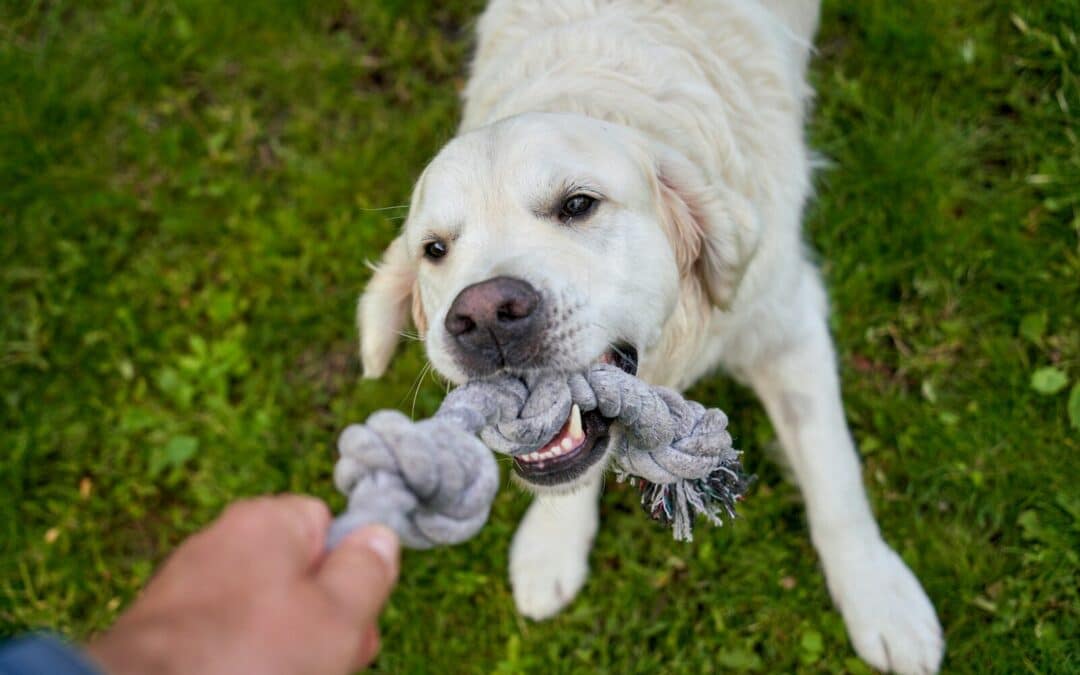
- 10 minutes of play: Engage in a fun activity like fetch or tug-of-war.
- 10 minutes of rest: Encourage calm downtime, often in a crate or on their bed.
Crate Training Creates Crate Confidence
This cycle helps your puppy learn in short, effective bursts while also teaching valuable impulse control, crate training, and crate confidence. By breaking up their day, you create a predictable routine that builds a well trained dog and a manageable companion for life.
Download your free behavior guide to get more tips.
How Much Does It Cost to Train My Dog?
The cost of dog training in the DMV area varies widely. We believe in transparent pricing that reflects the value and long-term support we provide.
- 90-Minute Miracle: A high-impact, focused session designed to address specific behaviors and provide an immediate reset.
- Six-Week Obedience Course: A comprehensive program covering basic obedience, leash skills, and household manners through progressive lessons.
- Custom Programs: Tailored solutions for more complex issues like reactivity, aggression, or multi-dog household dynamics.
Unlike many trainers, we offer unlimited post-session support. When you work with us, you’re not just paying for a session; you’re investing in an ongoing partnership. We prioritize real-world results over cheap, temporary fixes. Claim your spot—our training sessions fill up fast!
Core Skills for Basic Obedience
Our obedience training classes offered focus on practical skills that make life with your dog easier and more enjoyable. We teach you and your dog how to master:
- Core Commands: Sit, stay, heel, place, and a reliable come.
- Leash Manners: Walking calmly without pulling, lunging, or lagging behind.
- Crate Confidence: Turning the crate into a safe, relaxing space.
- Greeting Manners: Politely greeting guests without jumping.
- Impulse Control: Staying calm around distractions.
- Dog Body Language: Understanding what your dog is trying to tell you.
Our goal is to empower you, the owner, with the knowledge to lead confidently and build lasting trust.
Our Approach to Positive Reinforcement
Positive reinforcement is a key part of our training, but it’s not the whole story. We use a balanced, real-world approach that rewards good behavior with treats, praise, and play while also providing clear structure and fair corrections. Gimmicks don’t create confident dogs—consistency, clear communication, advanced skills, and good timing do. We use humor and practical exercises to turn confused, anxious dogs into focused, happy companions. It’s time to end the barking, chewing, and chaos.
Step Inside a Ruff House Training Session
When we arrive, we create a friendly, judgment-free environment. We start by listening to your frustrations—whether it’s jumping, reactivity, or chewing—and then build a customized plan. We demonstrate techniques, explain the “why” behind them, and then coach you through the exercises. Our teaching style is clear, often comedic, and always practical. You’ll leave the first class/session with the tools and confidence to create a stronger, more cooperative team with your dog.
Helpful Dog Training Resources
To support your journey, here are seven excellent resources for dog owners looking for tips, videos, and more :
- American Kennel Club (AKC): A trusted source for breed information, training tips, and health advice.
- The Whole Dog Journal: Offers well-researched articles on dog care, training, and nutrition.
- Karen Pryor Clicker Training: The go-to resource for learning about clicker training.
- ‘Ruff To Ready’ by Ryan Morris: An extensive e-book by the owner and head trainer, Ryan Morris, on training, communication, and professional tips.
- Pet Professional Guild: An organization for force-free pet professionals, providing educational resources for owners.
- Fear Free Happy Homes: A site dedicated to reducing fear, anxiety, and stress in pets.
- Tufts University’s Petfoodology Blog: Expert, unbiased information on pet nutrition from veterinary nutritionists.
From Chaos to Calm—Let’s Do This
As a veteran-owned business, we’re not a franchise—we’re your local, accountable training partner. With over 400 happy clients, we’ve built our reputation on trust, honesty, and delivering long-term success. We believe the investment you make in the relationship with your dog is one of the most rewarding you’ll ever make.
Your dog won’t train himself. If you’re ready to transform your stressful situation into a success story, take the first step.